

Antique London Painting
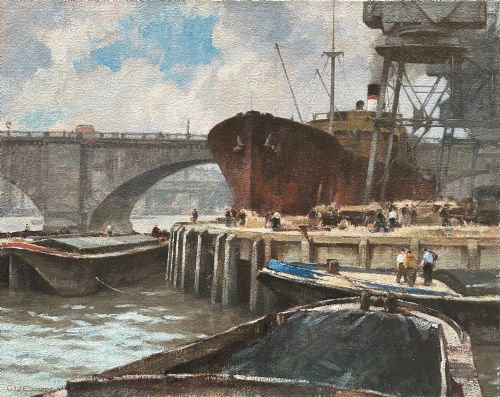
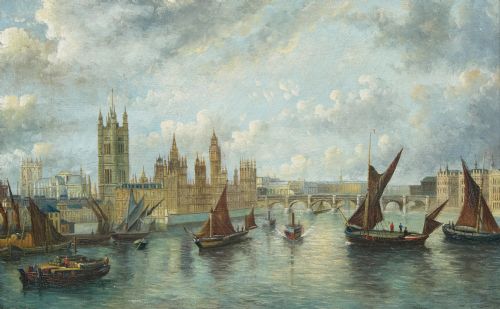
When acquiring an antique london painting, collectors secure a tangible window into the capital's historic streets, waterways and architectural landmarks.
Antique London Painting
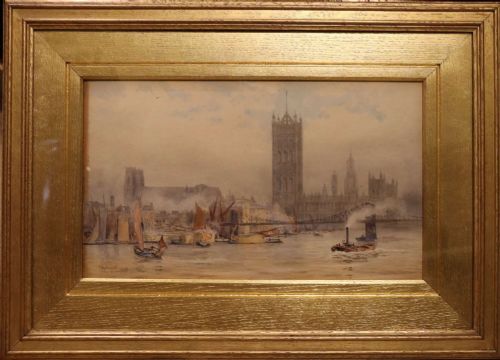
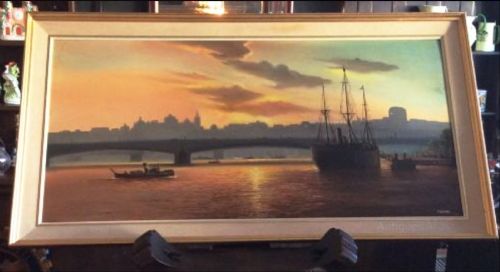
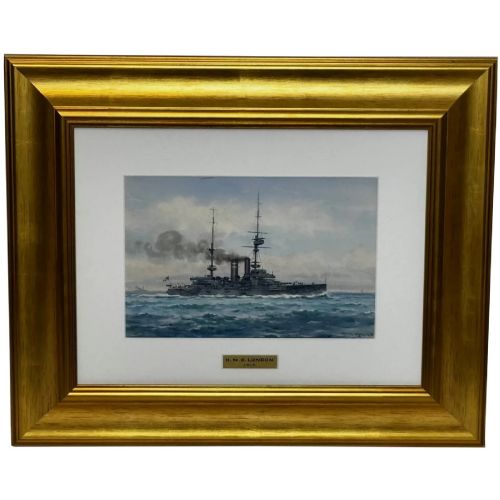
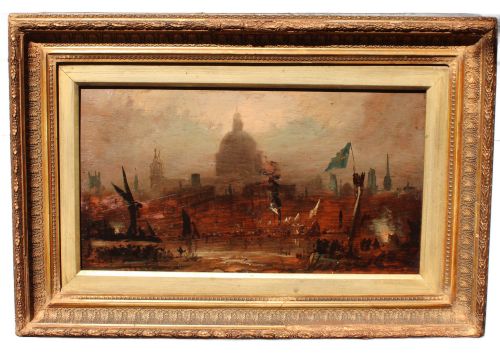
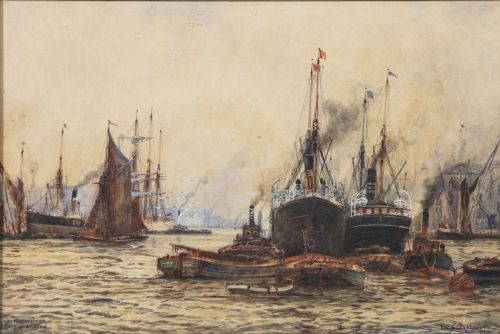
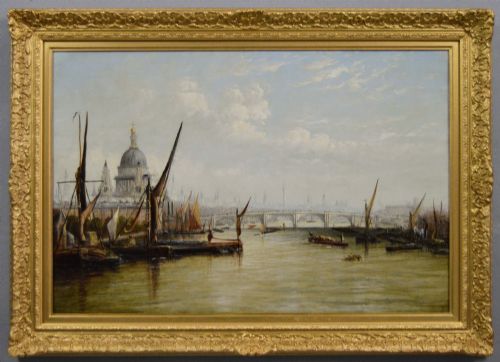
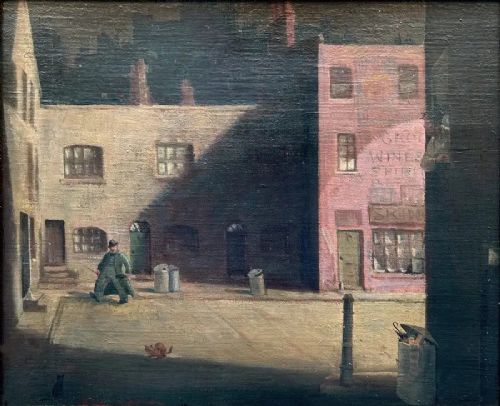
An antique london painting captures the capital's evolving topography, featuring familiar landmarks such as St Paul's Cathedral, the River Thames, Westminster and the Houses of Parliament. These works document the changing face of the city across multiple centuries, recording bustling river traffic, historic bridges and quiet urban corners.
The selections available range from detailed architectural watercolours to expansive oil paintings on canvas. Buyers encounter atmospheric townscapes and marine vistas produced by named artists and skilled observers of the British school.
Spanning periods from the eighteenth century through the Edwardian era, these works reflect the changing artistic interpretations of urban life. Whether depicting morning ports or misty river banks, each piece preserves a specific moment in London's history.
Materials and methods
Artists relied primarily on oil on canvas or delicate watercolours applied to paper to render these urban scenes. Canvas supports allowed for rich, layered textures suitable for large marine vistas, whilst paper facilitated precise topographical detail.
Several artists clearly braved notoriously damp London fogs just to capture St Paul's Cathedral through the haze.
Assessing quality and execution
Quality rests upon the artist's ability to capture light, atmospheric depth and accurate perspective within a complex urban environment. Superior works demonstrate confident brushwork and a convincing sense of scale when depicting historic bridges and vast river scenes.
Condition plays a vital role in evaluation, distinguishing works with vibrant, stable pigments from those marred by heavy fading, foxing or unskilful restoration. The integrity of the original paper or canvas substrate directly influences the piece's enduring appeal.
Frank William Scarbrough·Francis Moltino·Charles William Wyllie·Edwin Thomas Dolby·Samuel Scott
The Antique London Painting Glossary
- Watercolour
- A painting method where fine pigment is suspended in a water-based, translucent solution applied to paper. It allows for delicate washes and luminous effects.
- Marine Seascape
- An artistic genre focused primarily on open water, shipping, coastal views and river traffic. Works in this category frequently depict vessels navigating the Thames.
- Giltwood
- Wood carved and coated with a thin layer of gold leaf or metallic paint to create a decorative finish. Antique frames are frequently constructed using this technique.
- Provenance
- The documented history of ownership surrounding a work of art, establishing its authenticity and lineage. It provides a verifiable record tracing the piece from its creation to the present collection.
Antique London Painting: Frequently Asked Questions
What subjects do these paintings feature?
These works primarily depict the River Thames, historic bridges, cathedrals and prominent London streets. Artists frequently captured daily river commerce alongside famous architectural monuments.
Views range from busy commercial ports to quiet architectural studies, reflecting the shifting character of the metropolis across different centuries.
How do I care for a watercolour?
Watercolours require careful placement away from direct sunlight to prevent the pigments from fading over time. Maintaining stable indoor humidity protects both the delicate paper and the underlying medium.
Professional framing utilising acid-free mounts ensures the artwork remains properly ventilated and shielded from physical contact with the glass.
How do I distinguish eighteenth-century works?
Eighteenth-century pieces typically exhibit specific handling of pigment, restrained colour palettes and period-appropriate framing techniques. Paper stocks and canvas preparations from this era display distinct physical characteristics under close examination.
Stylistic conventions of the period prioritize formal composition and topographical precision, differing noticeably from later impressionistic treatments.
Where were these artists active?
Many painters lived and worked directly within the capital, drawing immediate inspiration from its daily activities and architectural developments. Others visited temporarily to record specific events, royal processions or sweeping urban panoramas.
Their studios provided the vantage points needed to translate complex cityscapes and shifting weather conditions onto canvas and paper.