
Antique Cityscape Art
Antique cityscape art captures the historical streets and waterways of London, Paris, and Venice through oil paints, watercolours, and early engravings.
Antique Cityscape Art
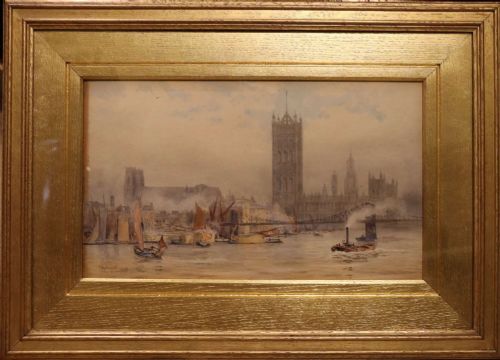
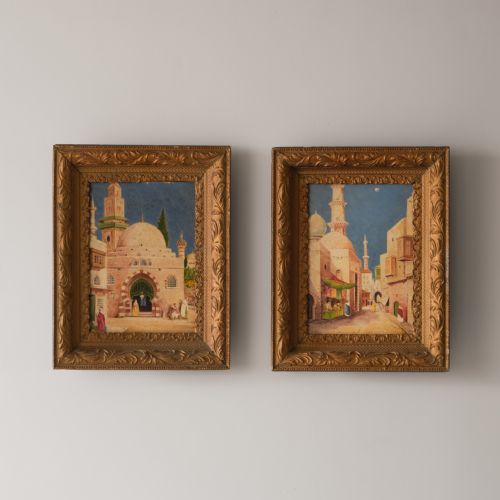
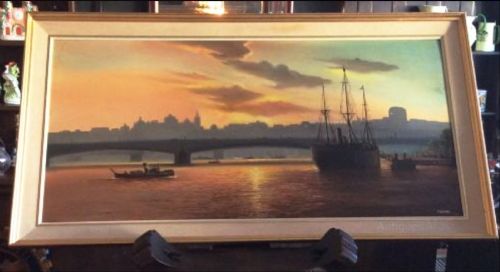
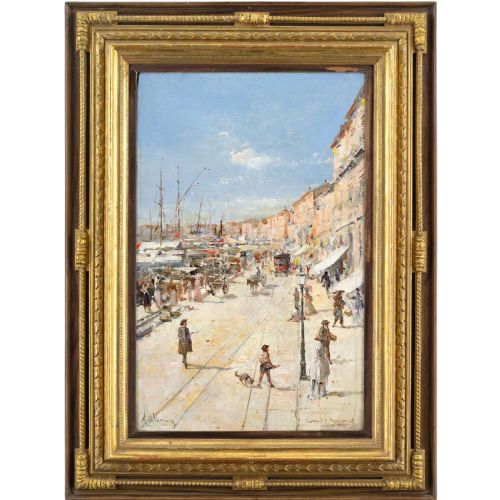
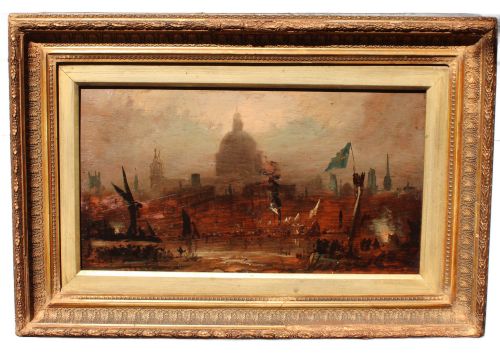
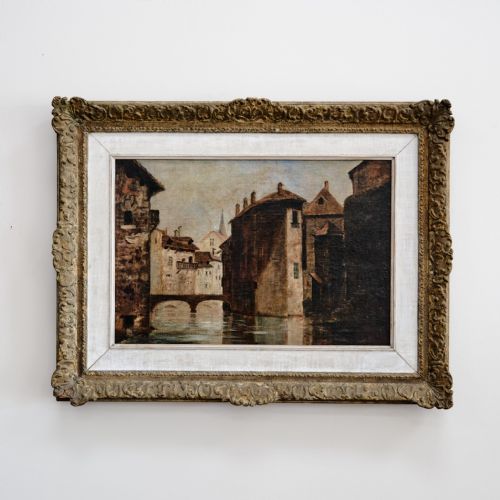
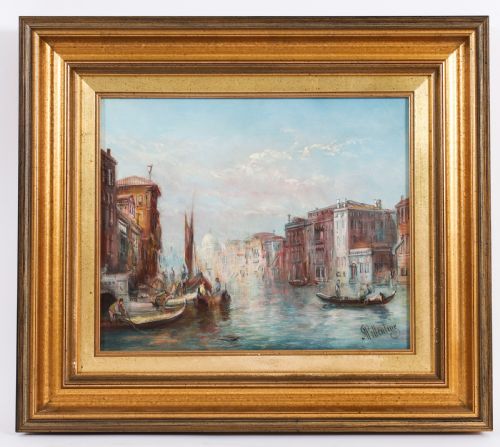
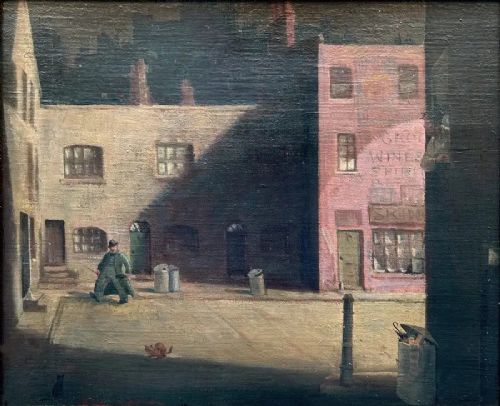
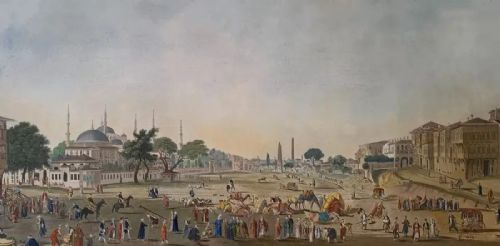
You are most likely to meet 19th-century oil paintings and watercolours on this page, often framed in giltwood. These works capture historic capitals including London, Paris, Venice, Prague, and Constantinople.
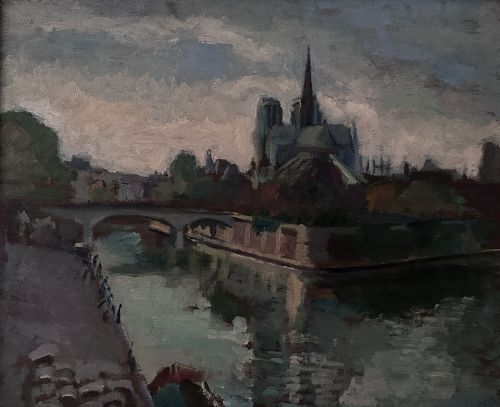
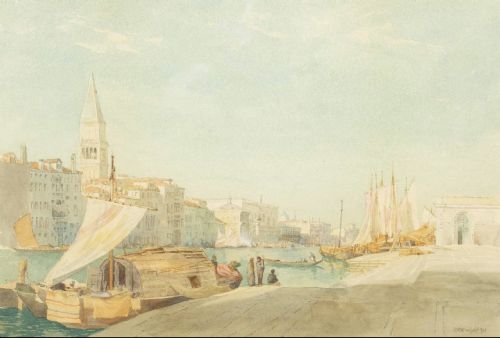
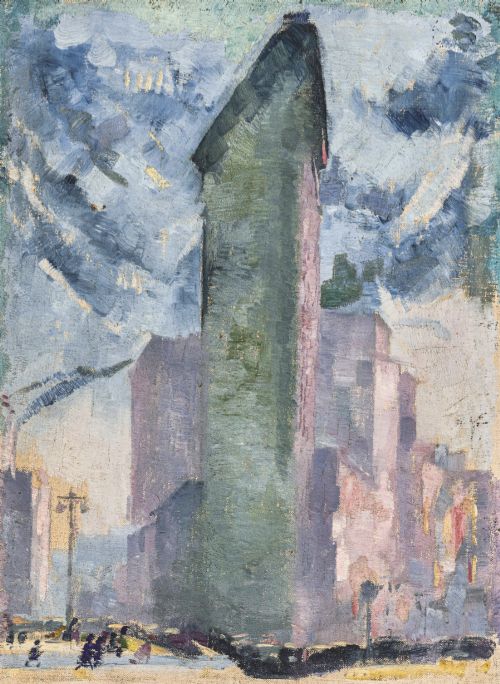
The selection ranges from naïve depictions and detailed architectural watercolours to impressionist oil paintings on canvas and board. Works vary from intimate pencil and watercolour drawings to large framed canvases depicting bustling processions and quiet canals.
Materials and methods in the collection
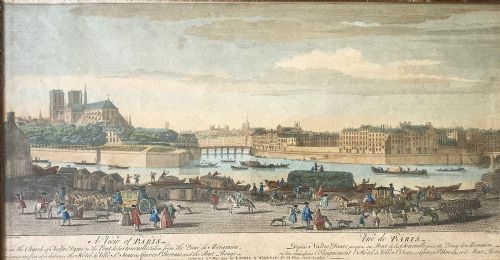
Artists relied primarily on oil paint on canvas or board, alongside watercolour and pencil on paper. Many works incorporate original hand colouring on etchings and engravings.
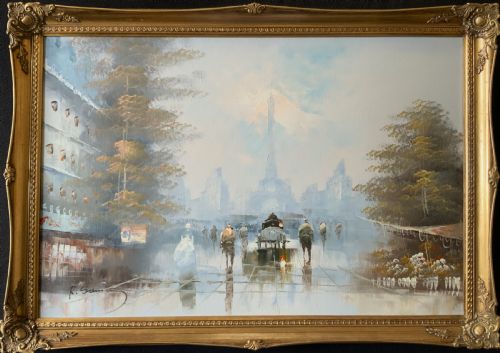
Framing frequently utilises traditional wood and gold leaf, preserving the visual context of the period. Canvases are stretched over wooden frames, whilst works on paper are protected behind glass.
Materials span oil on canvas, watercolour on paper, giltwood framing, and hand-coloured engravings.
Distinctions in quality
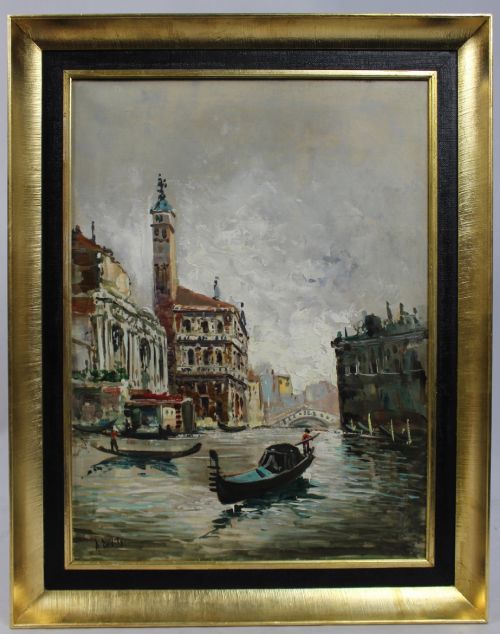
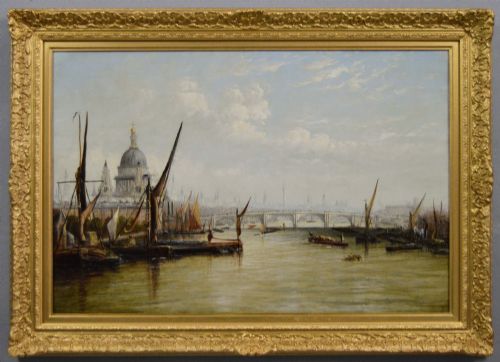
Quality rests upon the artist's command of perspective, light, and atmosphere within the urban environment. Masterful handling of water reflections in Venetian canals or atmospheric haze over the Thames separates accomplished works from simpler topographical records.
The sophistication of the medium application dictates the visual depth of a piece. Rich impasto and confident brushwork reveal a higher degree of artistic execution than flat, mechanical washes.
H. Medlycott·Augusto Alberici·Alfred Pollentine·Francis Moltino·Richard Henry Wright·Francisco Sancha·Alfred Wolmark·Victor Gabriel Gilbert·Fred Lawson·Charles James Lauder·T.A Prior·Cornelis Christian Dommersen·Claude Jousset·Frederick Tully Lott·William George Meadows
The Antique Cityscape Art Glossary
- Oil on canvas
- Pigment suspended in drying oil applied to a woven fabric support stretched across a wooden frame. This medium allowed artists to build rich textures and deep tones.
- Watercolour
- A paint consisting of colour suspended in a water-soluble binder, traditionally applied to paper. It yields translucent washes well suited to atmospheric views.
- Engraving
- A printmaking technique where an image is incised into a metal plate using a sharp tool. The resulting lines hold ink to transfer the design onto paper.
- Impasto
- Paint laid thickly on a surface so that the brush or palette knife strokes remain visible. This technique adds tactile dimension to architectural and water surfaces.
- Grand Tour
- A traditional trip through Europe undertaken by upper-class Europeans in the 18th and 19th centuries. Travellers often commissioned local views as mementos of their travels.
Antique Cityscape Art: Frequently Asked Questions
How do I identify a Victorian cityscape?
Victorian cityscape works often focus on industrial expansion, bustling river traffic on the Thames, and recognizable London landmarks rendered in detailed oil or watercolour.
Clues lie in the clothing of figures depicted in the streets and the specific architectural phases recorded before modern redevelopment.
What subjects are most common?
Venetian canals, Parisian boulevards, and London river views dominate the artistic output of these periods. Artists continually returned to major European capitals to record famous bridges, cathedrals, and daily street life.
Lesser-known towns and continental squares also appear, frequently influenced by the traditions of the Grand Tour.
How were these artworks displayed?
Original frames made from wood and giltwood housed these paintings and prints for domestic display in parlours and studies. Wealthy patrons mounted large oils prominently in reception rooms, whilst delicate watercolours and engravings received protective glass.
Many retain their period frames, which complement the aesthetic of the era in which they were produced.
How do impressionist and topographical views differ?
Topographical views prioritize architectural accuracy and precise measurements of buildings and streets. Impressionist works focus on capturing the transient effects of light, weather, and atmospheric movement.
Brushwork in impressionist pieces tends to be looser and more textured compared to the crisp lines of earlier engravings and watercolours.