




Vintage Afghan Runner
A vintage afghan runner brings tribal warmth and centuries of weaving tradition to a hallway through rich wool geometry and natural dyes.
Vintage Afghan Runner
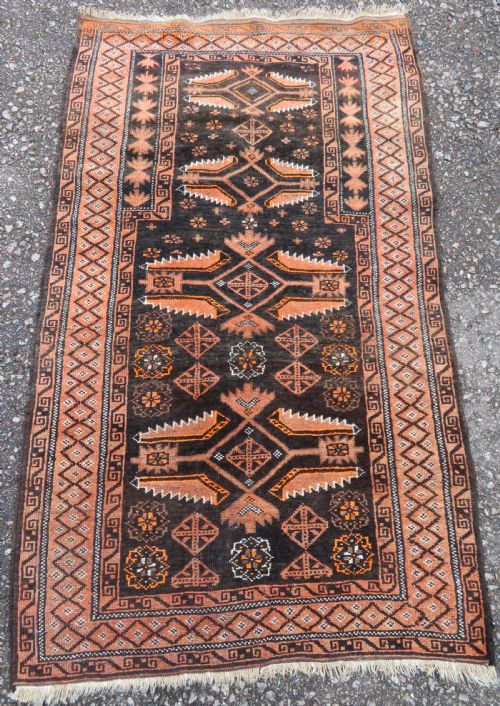
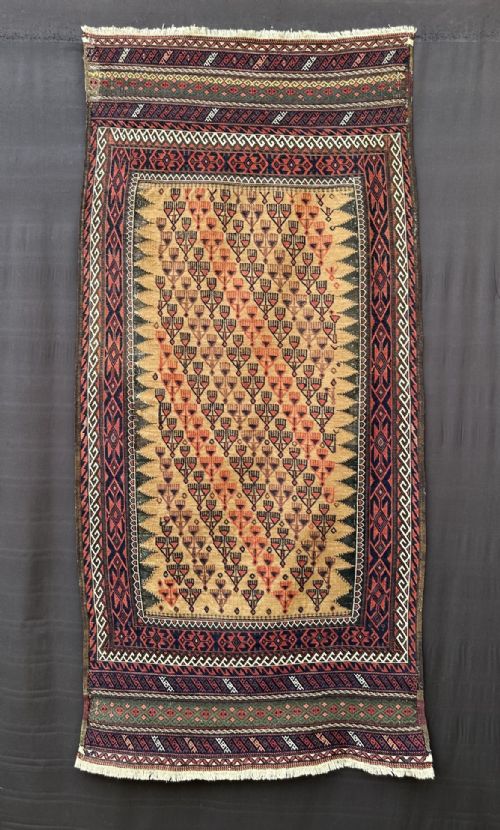
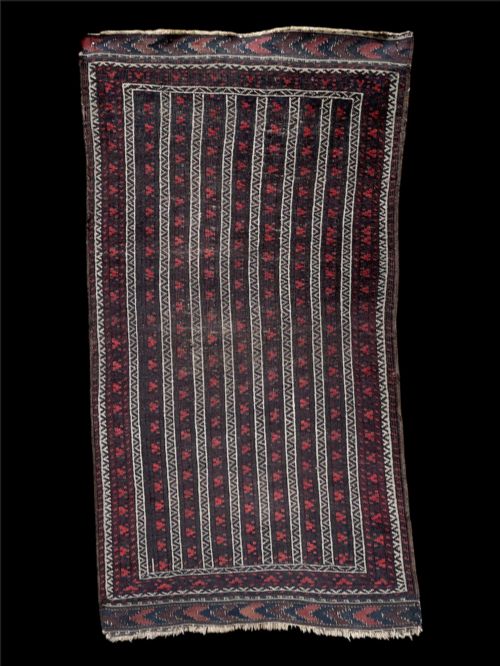
A vintage afghan runner is a narrow, elongated textile created by nomadic and village weavers across Afghanistan and its borderlands. These pieces encompass tribal floor coverings, flatwoven kilims, and prayer rugs produced from the late nineteenth century through the early decades of the twentieth century.
The selections encountered here frequently display tribal vernaculars rooted in Baluch, Timuri, Kizil Ayak, and Pashtun traditions. They serve as historical artefacts of regional households, functioning traditionally as floor runners, tent furnishings, or decorative spreads.
Collectors search for this phrase to acquire authentic tribal iconography, such as repeated octagons, prayer niches, and geometric border bands. These elongated formats adapt naturally to modern corridors, staircases, and narrow gallery spaces.
What varies in quality
Quality rests in the tightness of the weave, the crispness of the tribal motifs, and the depth achieved by natural dyestuffs. Finer knots and meticulously balanced geometric proportions distinguish master village works from standard utilitarian pieces.
The condition of the wool pile and the structural integrity of the kilim ends or side corduroy edges dictate the longevity of the textile. Pieces retaining their original selvedges and long flatweave tails command higher regard among purists.
Listings feature pieces spanning from the nineteenth century through the 1930s, utilising wool, cotton, goat hair, and camel wool.
The Vintage Afghan Runner Glossary
- Kilim
- A flatwoven textile produced without a pile by tightly interweaving warp and weft threads. These lightweight pieces often feature sharp geometric bands and crisp diagonal patterns.
- Sofreh
- A ceremonial dining or spreading cloth used by tribal households for sharing meals. They typically feature specialised field designs distinct from standard floor rugs.
- Prayer rug
- A small textile featuring a central mihrab or niche design used to direct the occupant during daily devotions. Double-niche and seh mihrab variants display multiple arches.
- Warp
- The vertical foundation threads stretched tightly across the loom before weaving commences. Weft threads are subsequently passed horizontally through these structural elements.
- Natural dyes
- Colourants derived from plant, insect, and mineral sources prior to the widespread adoption of synthetic alternatives. They age gracefully into muted, harmonious tones.
Vintage Afghan Runner: Frequently Asked Questions
Where were these runners woven?
These textiles originate from the villages and nomadic encampments of Afghanistan and the neighbouring borderlands of Persia. Tribal groups such as the Baluch, Timuri, and Kizil Ayak produced them within regional pockets.
Production often spanned specific tribal territories, resulting in distinct visual vocabularies associated with western or northern Afghan regions.
How do I care for a wool runner?
Vacuum gently using a suction-only attachment without a rotating brush roll to protect the fragile wool pile and flatwoven ends. Professional cleaning tailored for antique textiles ensures safety.
Rotate the runner periodically to distribute foot traffic evenly across the surface and prevent localized wear patterns.
What is a prayer niche?
A prayer niche represents the arched architectural motif found on rugs designated for personal devotion. It symbolises the mihrab of a mosque, directing the weaver's or user's orientation.
These designs often include single, double, or triple arches accompanied by stylized trees of life or geometric lamps.
How can I identify tribal designs?
Tribal designs rely on repeating geometric motifs, such as octagons, latch-hook diamonds, and border bands filled with hooked polygons. These patterns reflect ancestral traditions rather than rigid cartographic plans.
Elements like the pencil box design or star octagons point directly to specific regional weaving groups.