




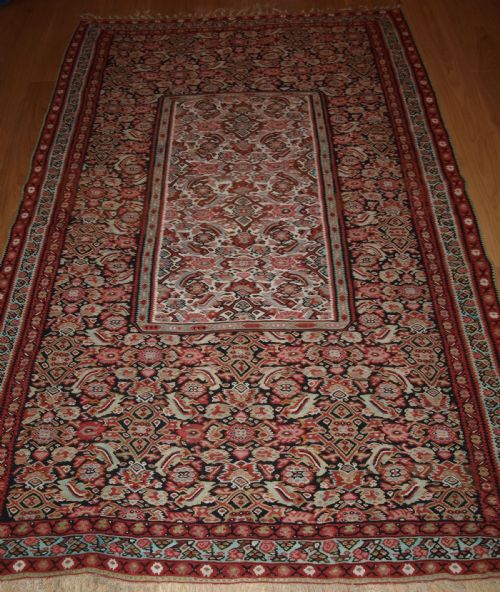
Ethnic Pattern Rug
These ethnic pattern rug examples bring rich tribal character to a room, spanning Central Asian, Anatolian, and Persian traditions.
Ethnic Pattern Rug
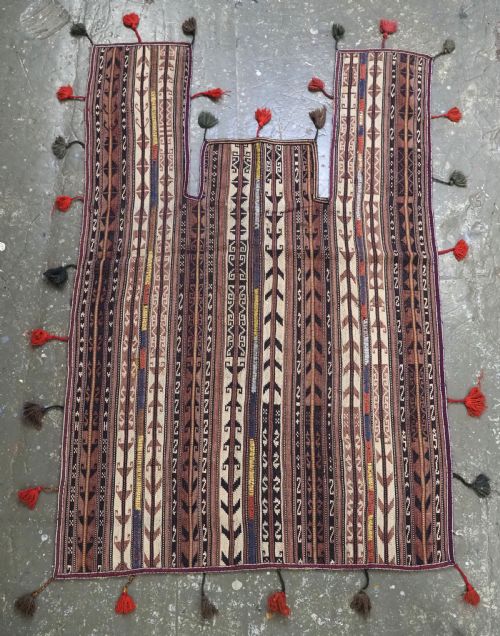
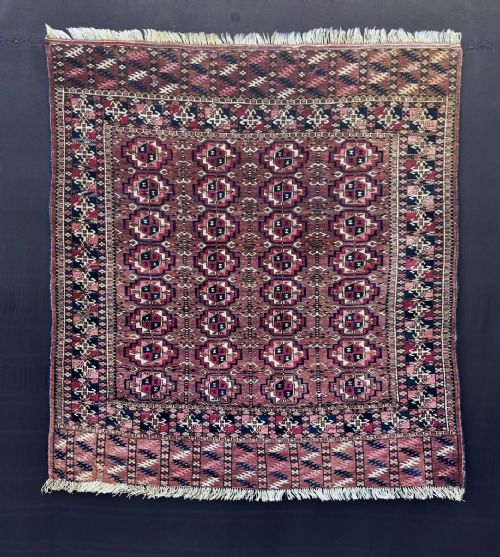
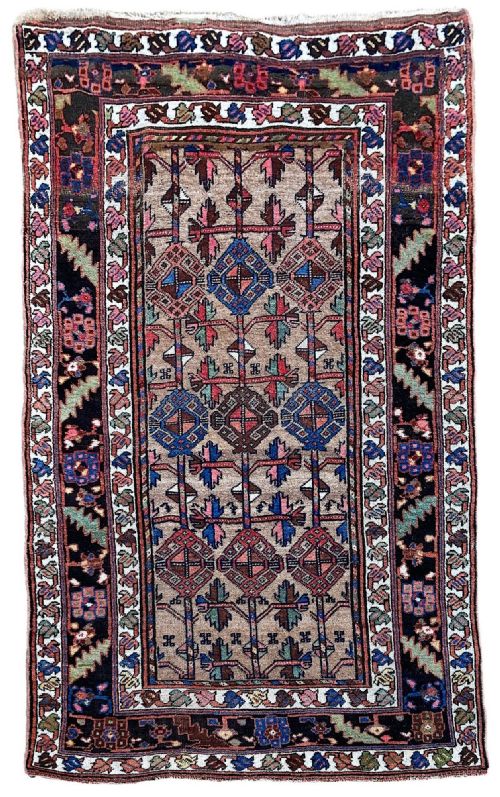
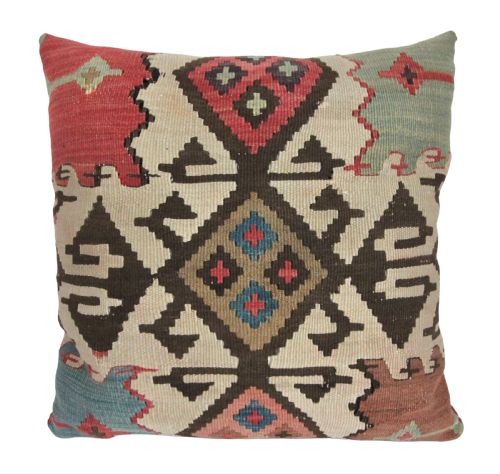
An ethnic pattern rug brings varied regional motifs into a home, drawing on Central Asian tribal, Kurdish, Persian, and Anatolian traditions. These textiles include full-sized carpets, village rugs, prayer formats, and repurposed cushions made from bag faces and kilims.
Formats vary from compact hearth rugs and scatter sizes to decorative cushions and wall-hanging textiles. The designs typically showcase geometric medallions, repeat patterns, and symbolic tribal motifs rooted in specific cultural regions.
How they were made
The pieces utilise natural materials recorded as wool, hand-spun wool, cotton, and silk. Artisans constructed pile carpets and flat-woven kilims using traditional hand-weaving methods suited to nomadic and village life.
Certain textiles, such as Suzanis, combine fine silk embroidery stitched onto cotton foundations. Other items employ flat-weave techniques or traditional knotting to create durable floor coverings and ceremonial objects.
What varies in quality
Quality in these textiles rests upon the precision of the weave and the complexity of the design layout. Finer examples display meticulous execution in geometric repeat medallions and well-balanced border systems.
The character of the dyes and the preservation of the material fabric distinguish superior pieces. Items retaining vibrant yet harmonious wool or silk tones demonstrate greater visual impact and material integrity.
The Ethnic Pattern Rug Glossary
- Kilim
- A flat-woven carpet or rug produced without a pile, common throughout Anatolia and the Balkans. These textiles rely on tightly packed warp and weft threads to form sharp geometric patterns.
- Suzani
- A type of embroidered tribal textile originating from Central Asia, typically featuring silk needlework on a cotton ground. They were often created as part of a bride's dowry.
- Bag face
- The front panel of a nomadic storage sack, removed and repurposed as a cushion or small rug. These sections often display the most intricate tribal designs of the original container.
- Prayer format
- A textile design featuring a central mihrab or arch motif, historically oriented toward Mecca during daily prayers. This layout directs the visual focus of the rug.
- Warp
- The foundational vertical threads stretched across a loom before weaving begins. The visible ends often terminate in decorative fringes.
Ethnic Pattern Rug: Frequently Asked Questions
What is an ethnic pattern rug?
An ethnic pattern rug is a hand-woven textile originating from tribal or village communities in regions such as Central Asia, Persia, and Anatolia. These pieces are defined by traditional geometric motifs, tribal symbols, and cultural designs passed down through generations.
Buyers choose these rugs to introduce texture, history, and vibrant colour into modern or traditional interiors. Each piece reflects the specific heritage and weaving techniques of the makers.
How do I care for an antique rug?
Antique rugs require gentle maintenance, starting with regular light vacuuming without a rotating power brush. This prevents dust accumulation without pulling at the delicate wool or silk fibres.
Professional cleaning suited to antique textiles is recommended for deeper maintenance. Keeping the rug out of direct, harsh sunlight helps preserve the natural dyes over time.
What is the difference between a kilim and a pile rug?
A kilim is a flat-woven textile created by interweaving warp and weft threads without forming a raised pile surface. This technique produces a lighter, thinner rug with a sharp, graphic design visible on both sides.
Pile rugs are knotted strand by strand onto a foundation, creating a plush surface texture and deeper pile. Both styles utilise traditional wool and cotton materials but offer distinct tactile experiences.
Are repurposed cushions authentic?
Repurposed cushions are constructed from authentic older textiles, such as vintage kilims and nomadic bag faces. Artisans transform these historical fragments into functional home accessories while preserving the original weaving.
This practice allows collectors to enjoy genuine tribal craftsmanship and aged materials in a different format.