
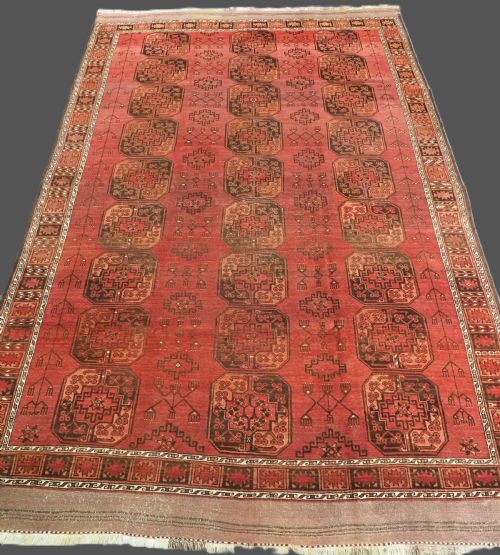
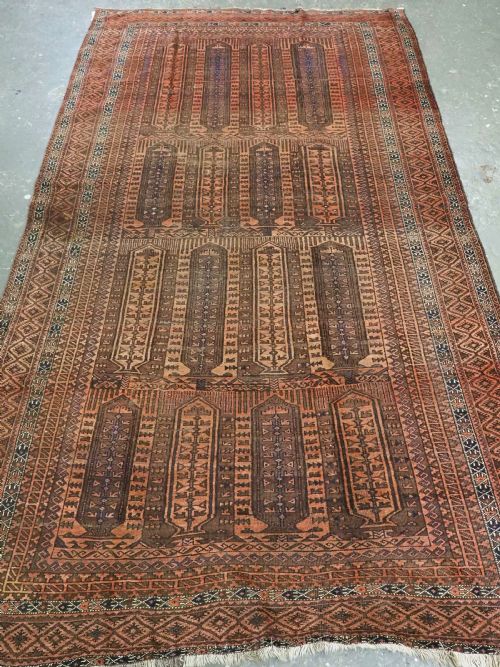
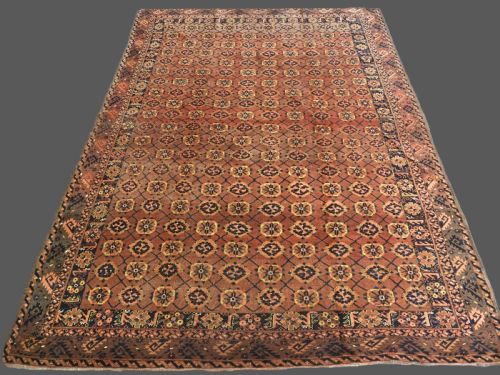
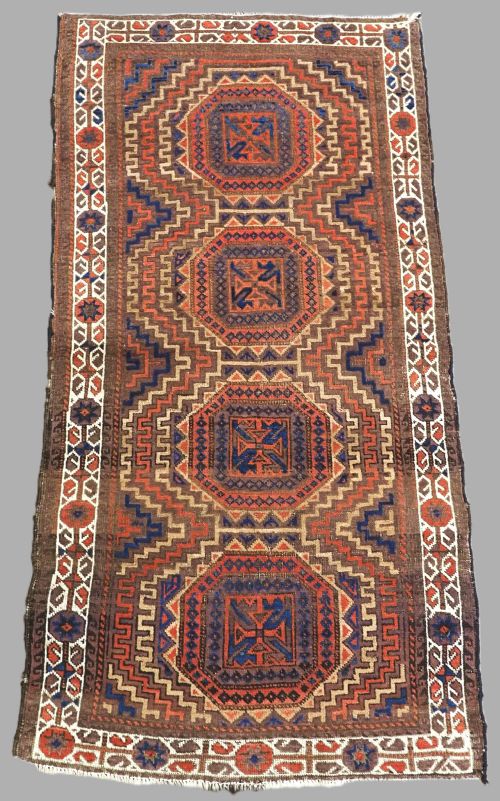


Terracotta Afghan Rug
A terracotta afghan rug brings rich, earthy warmth and nomadic tribal heritage into a room through dense wool and traditional motifs.
Terracotta Afghan Rug
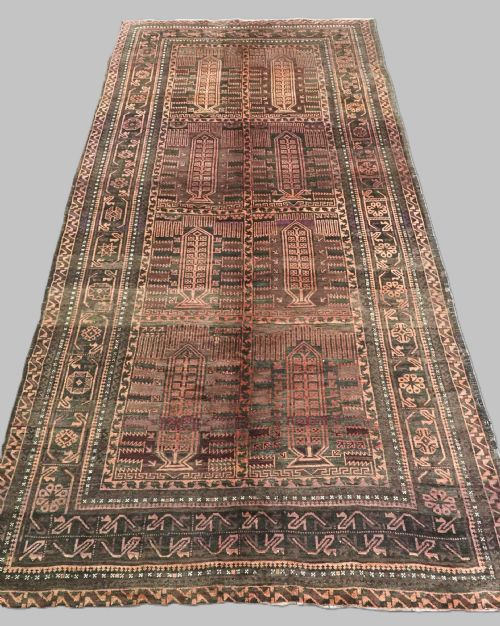
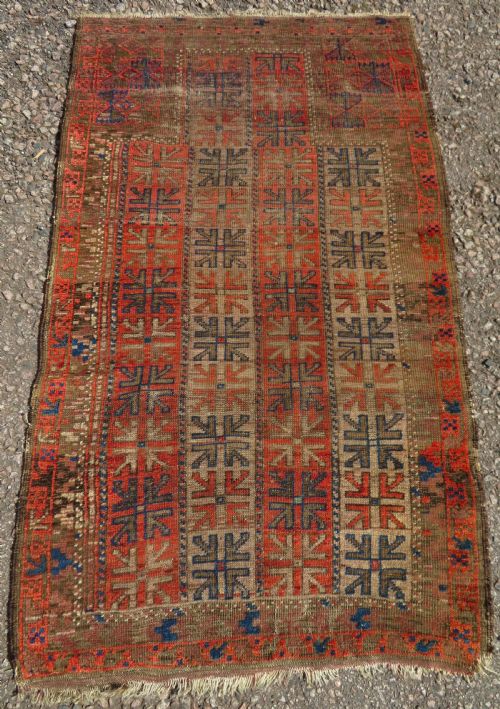
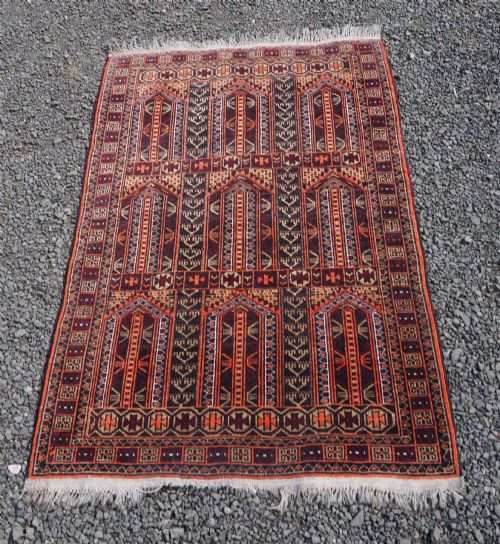
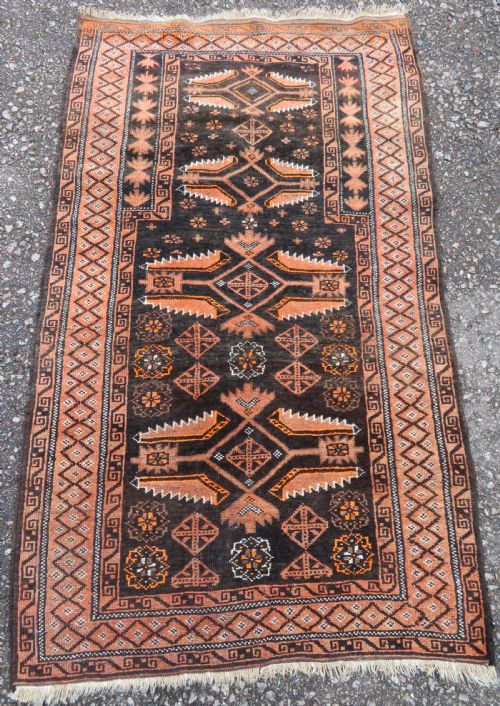
A terracotta afghan rug embodies the historic weaving traditions of nineteenth and early twentieth-century nomadic and village communities in Central Asia. Buyers exploring this selection encounter wool carpets and prayer rugs originating from Baluch, Ersari Turkmen, and Kizil Ayak groups.
Traditional formats include prayer rugs displaying single or multiple mihrabs alongside main carpets patterned with distinctive guls and geometric symbols. Village and tribal workshops produced these furnishings using indigenous designs passed down through generations.
How they were made
Weavers constructed these textiles primarily using hand-spun wool for the pile, often supported by cotton foundations and occasional applications of goat hair or glass beads for detail. The integration of natural dyes produced deep terracotta and red tones alongside contrasting secondary hues.
Nomadic and village makers employed knotting and flatweaving techniques, producing both resilient pile carpets and weftwork kilims. Artisans sourced local materials from regional flocks, ensuring robust structures designed for practical daily use.
Some weavers quietly hid glass beads among the wool to ward off the evil eye.
What varies in quality
Variations in quality stem from the fineness of the spin, the density of the knotting, and the depth of the natural dyes used in the pile. Tightly packed wool yarns and complex, well-executed tribal motifs distinguish superior examples from simpler village pieces.
The handling of the wool and the clarity of the design structure determine the overall integrity of the textile. Early examples retaining rich, saturated colour and robust foundational warps demonstrate the highest standards of nomadic craftsmanship.
Ersari Turkmen·Kizil Ayak Turkmen·Baluch Nomads·Timuri Tribe·Taimani Sistan Baluch
The Terracotta Afghan Rug Glossary
- Gul
- A medallion motif repeated across Turkmen and Baluch carpets. These octagonal or geometric emblems often identify specific tribal lineages.
- Mihrab
- A niche design element found on prayer rugs, representing the direction of prayer. Multiple arches appear in regional variations.
- Kilim
- A flatwoven textile produced without a pile. These pieces utilise interlocking weft techniques to create geometric surface patterns.
- Portiere
- A decorative hanging placed over doorways. Nomadic households utilised these heavy woven panels to manage interior spaces.
- Kalam Donneh
- A repeating pattern resembling a pencil box or stylized almond shape. This motif is frequently documented in Western Afghan Baluch weaving.
Terracotta Afghan Rug: Frequently Asked Questions
How do I identify a Baluch rug?
Baluch rugs typically display deep terracotta, brown, and indigo tones with geometric motifs, prayer niches, or repeating pencil box designs. Their smaller formats often reflect nomadic production from the western regions.
Examination of the wool and structural materials helps confirm attribution to specific tribal groups operating in nineteenth and early twentieth-century Afghanistan.
What is an Ersari Turkmen carpet?
Ersari Turkmen carpets originate from northern Afghanistan and feature large primary guls, often set against rich red or terracotta fields. These main carpets range from village room sizes down to narrower long rugs.
Weavers utilised durable hand-spun wool and natural dyes to create thick, resilient piles designed for heavy daily use.
How do I care for an antique wool rug?
Antique wool rugs require gentle vacuuming without a rotating brush to protect the vintage pile and foundation warps. Professional cleaning tailored to natural vegetable-dyed textiles preserves the integrity of the fibres.
Placing the textile away from direct sunlight prevents fading of the deep terracotta and red colour palettes.
What distinguishes a prayer rug?
Prayer rugs feature a distinctive architectural arch or mihrab design at one end, which historically indicated the direction of prayer. These pieces generally measure smaller than main room carpets for individual personal use.
Tribal variants often incorporate multiple mihrabs or stylized mosque motifs within the central field.