
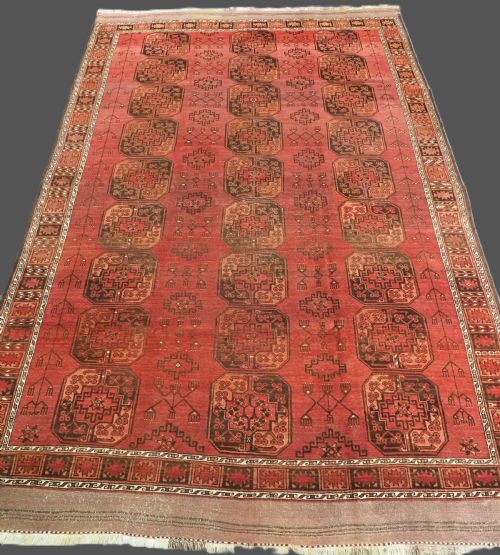
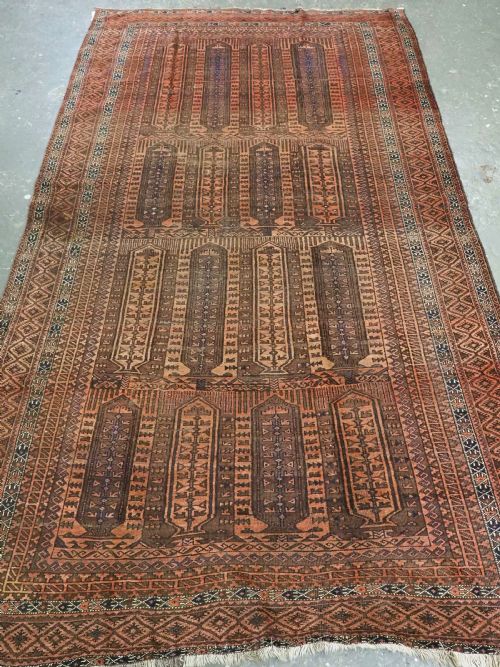
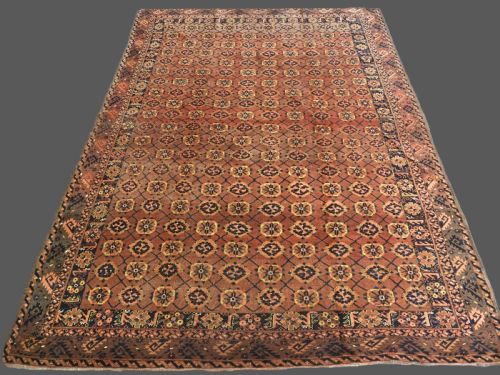
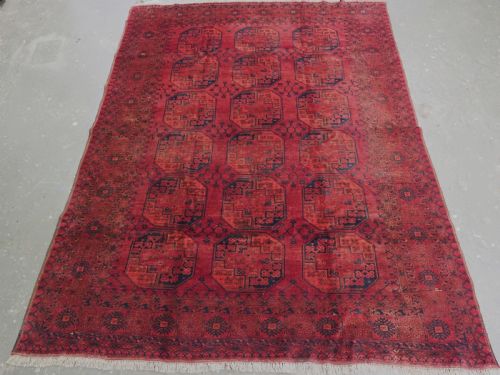
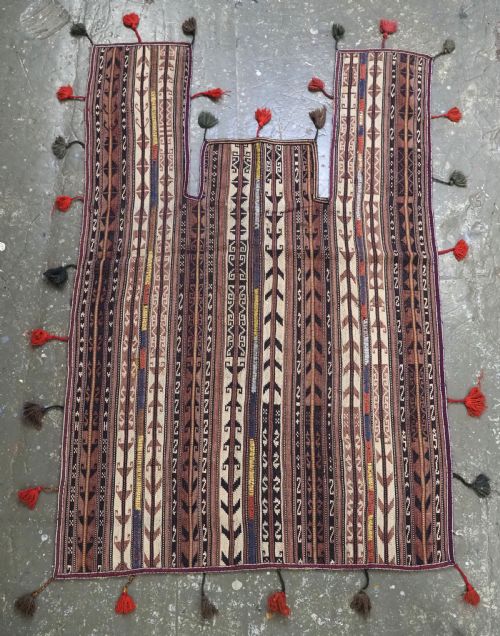
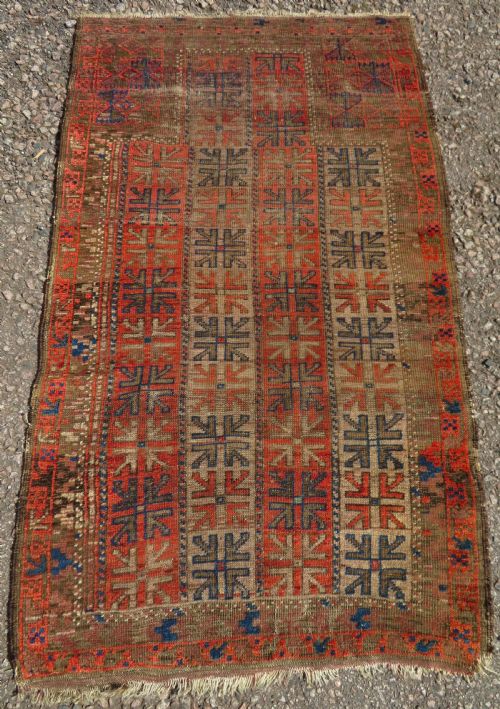
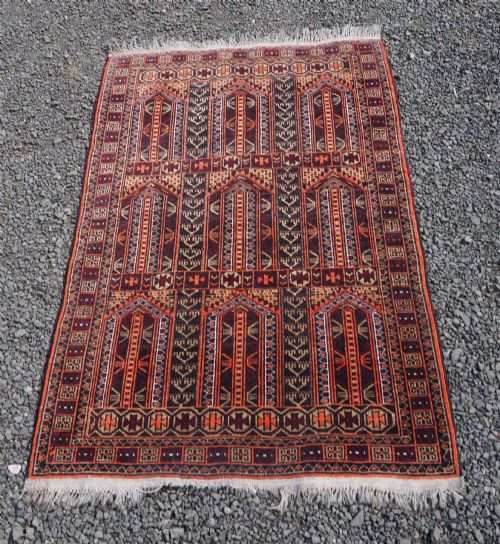
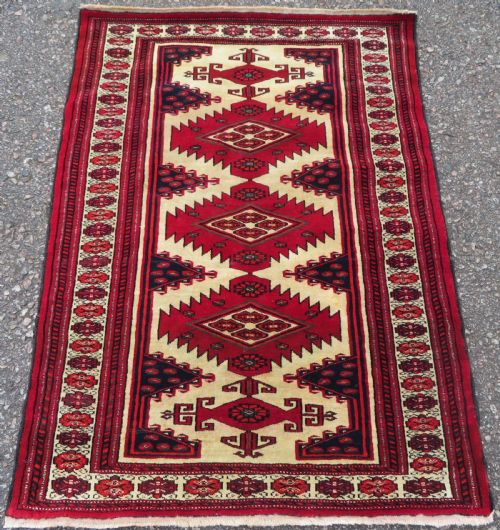
Vintage Afghan Rug
A vintage afghan rug brings rich tribal character into a room through deeply saturated wool and traditional motifs.
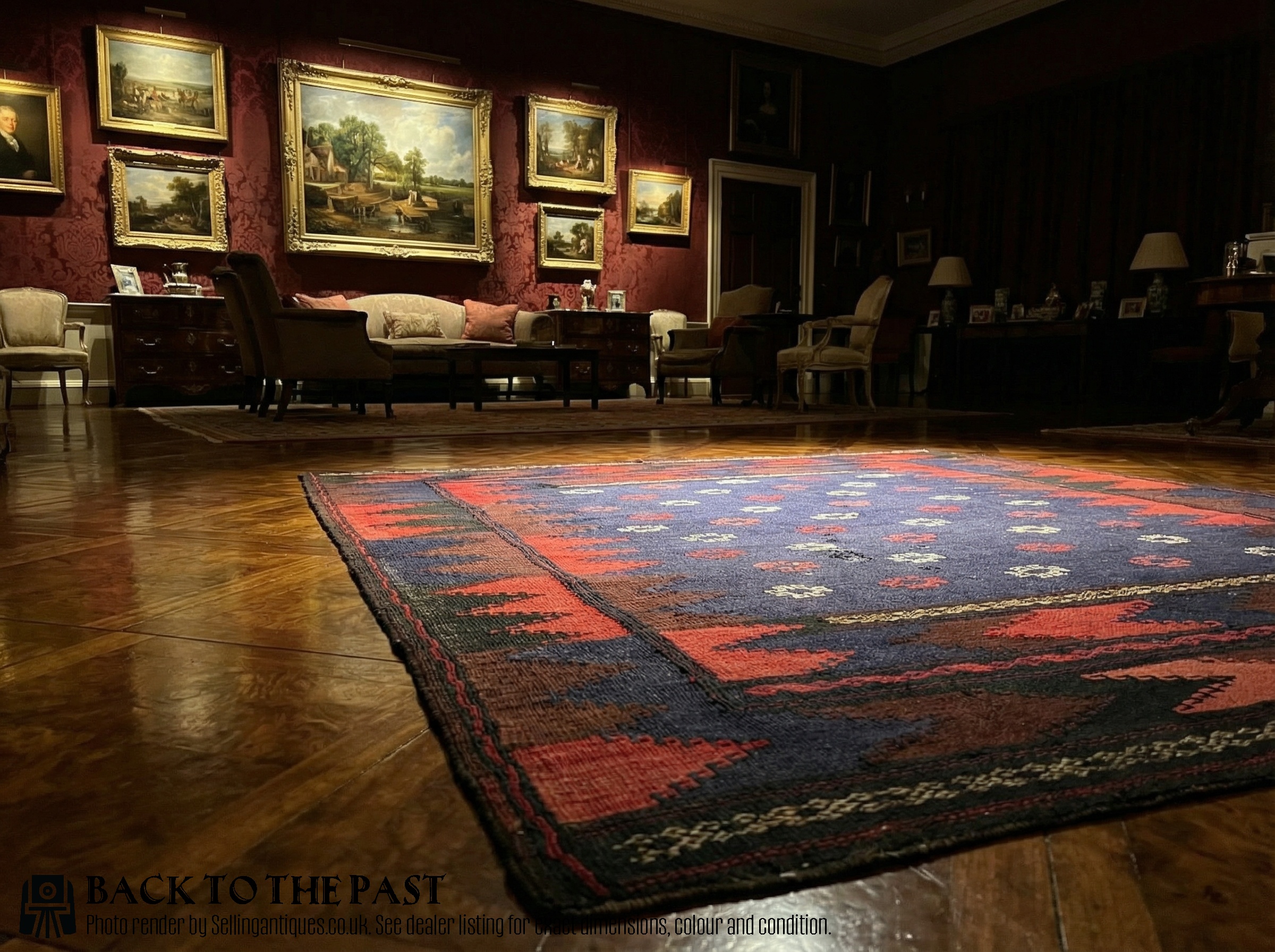
Vintage Afghan Rug
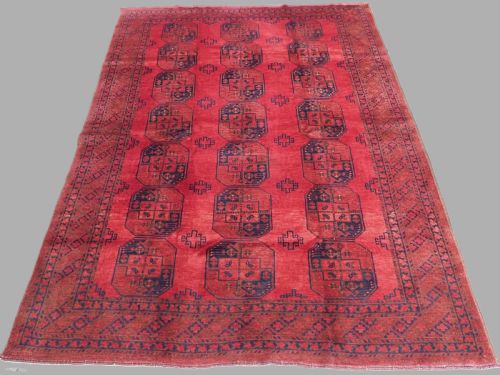
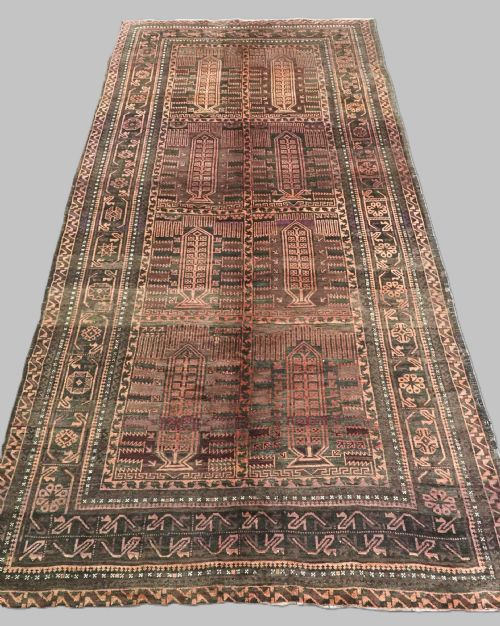
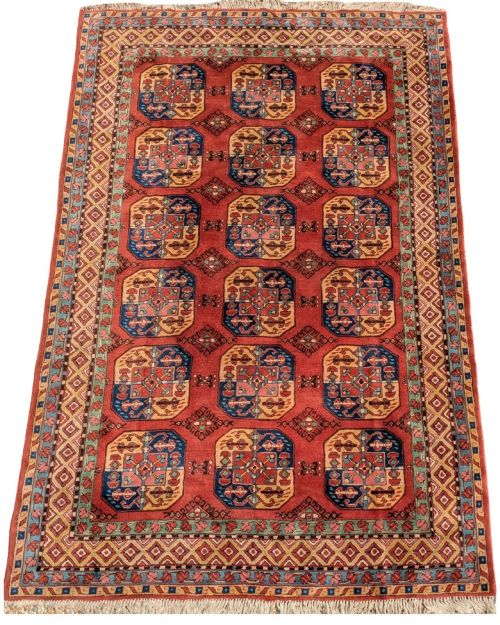
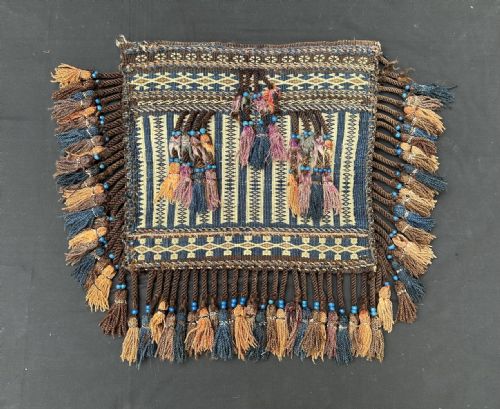
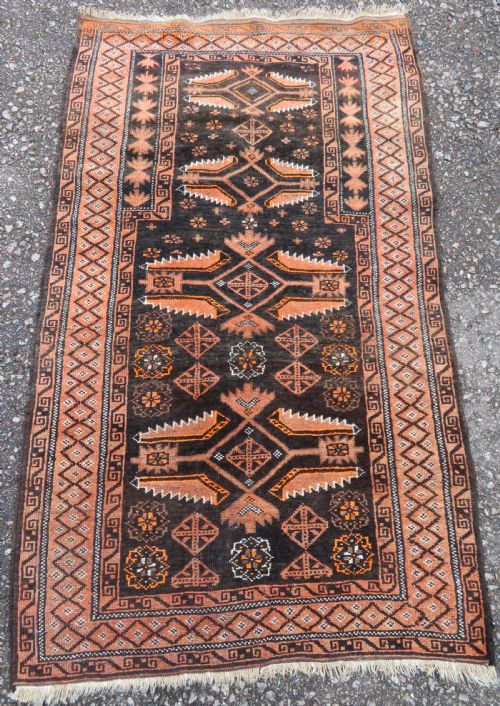
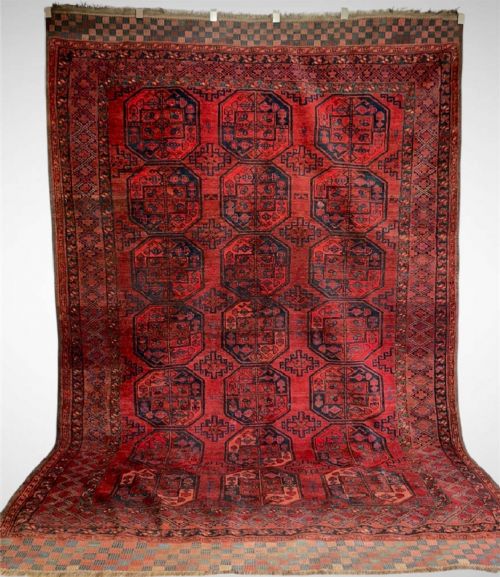
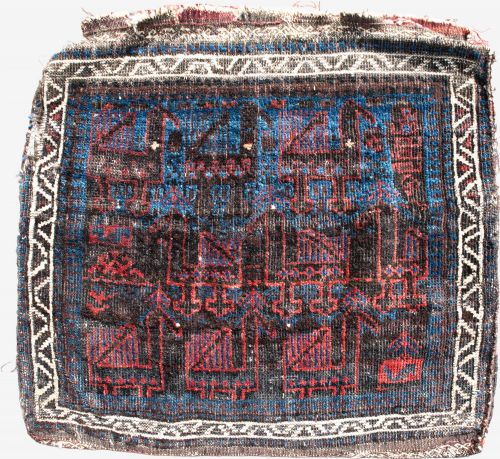
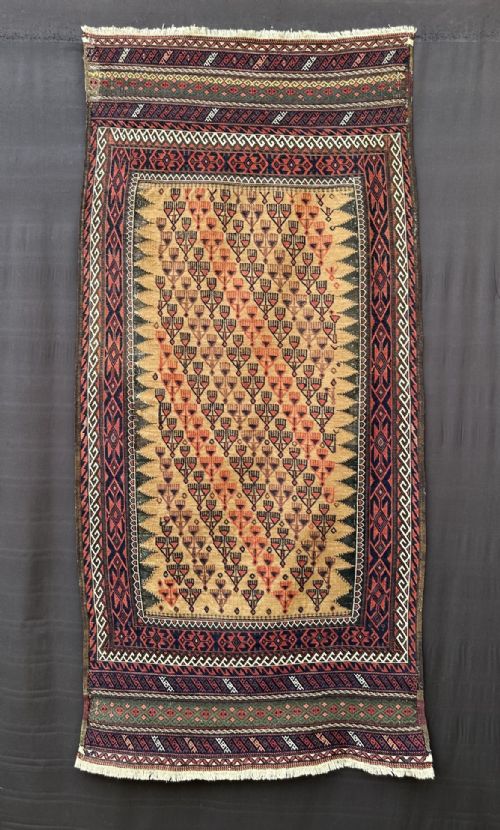
A vintage afghan rug encompasses tribal wool floor coverings created across the region from the early to mid-twentieth century, spanning decades such as nineteen hundred, nineteen ten, nineteen twenty, and nineteen thirty. These pieces emerge in various forms including standard area rugs, flatweave rugs, and specific regional types like Baluch tribal examples and traditional Afghan designs.
The most common formats met on this page are hand-woven wool rugs featuring distinctive cultural patterns. Examples range from small prayer rugs and Sofreh eating cloths to larger carpets, often displaying specialised motifs such as mosque designs, lattice patterns, and lotus leaf designs.
Geographic attribution points to regional variations including the Herat region and works created by Baluch and Timuri makers. Dating occasionally appears directly on the textile itself, such as pieces bearing Islamic calendar dates like thirteen forty seven AH.
Materials and construction
These floor coverings rely primarily on natural wool, utilised for both the dense pile and the foundational structure, sometimes paired with cotton elements. Hand-woven techniques produce durable surfaces designed for practical utility as well as ceremonial or domestic use.
The construction employs traditional tribal weaving methods passed down through generations, resulting in sturdy flatweaves and knotted pile carpets. Artisans incorporate natural dye traditions that yield deep colour saturation and develop a soft faded patina over decades of ageing.
Vintage Afghan Rug Retail Price Guide 2026
Typical asking prices for vintage afghan rug among the pieces listed under this phrase on Sellingantiques today, from the lower quarter to the upper quarter. They describe what is for sale here now, not the wider market.
Materials across the selection remain strictly traditional, combining hand-spun wool and cotton foundation threads.
Assessing the craftsmanship
Quality rests upon the tightness of the weave and the precision of the tribal motifs, where finer knotting allows for intricate details like lattice work and mosque designs to remain crisp. The condition of the wool pile also dictates the character, balancing an even texture against the desirable softness of a faded antique patina.
The distinction between standard production and exceptional examples lies in the complexity of the design layout, such as the inclusion of specific regional iconography like Dokhtar-e-Qazi patterns or lotus leaf borders. Preserved edges and structural integrity complete the measure of a superior piece.
The Vintage Afghan Rug Glossary
- Pile
- The upright yarn loops or tufts that form the soft surface of a rug. It provides cushioning and displays the primary design.
- Flatweave
- A textile produced without a raised pile by interweaving warp and weft threads directly. These items offer a lower profile and distinct textural qualities.
- Prayer rug
- A small format textile traditionally utilised for personal devotion, often featuring a specific directional mihrab or arch motif. They serve both functional and decorative purposes.
- Sofreh
- A woven cloth traditionally used for spreading meals or processing dough within nomadic households. These items frequently display unique geometric iconography.
- Patina
- The surface sheen and softening of colour developed through age and regular use. This quality indicates natural weathering rather than artificial distress.
Vintage Afghan Rug: Frequently Asked Questions
How do I clean a vintage wool rug?
Gentle vacuuming without a rotating brush protects the wool fibres from unnecessary wear and strain.
Professional specialist cleaning remains essential for addressing deeper dirt to preserve the natural lanolin and dyes.
Are these rugs suitable for high traffic?
Dense wool construction provides natural resilience that withstands regular footsteps in domestic environments.
Placing a suitable underlay underneath helps prevent slipping and reduces friction against hard flooring.
How do I identify a Baluch rug?
Baluch pieces typically display deep indigo, brown, and red colour palettes with geometric tribal motifs.
Many examples incorporate smaller formats, prayer designs, or distinctive camel hair details within the weave.
What does a dated inscription mean?
Inscribed dates using the Islamic lunar calendar provide a specific historical anchor for the textile's creation.
Translating figures such as thirteen forty seven AH reveals the exact production year within the early twentieth century.