




Victorian Wooden Washstand
A victorian wooden washstand brings practical nineteenth century craft into a modern bedroom, offering useful surfaces and storage.
Victorian Wooden Washstand
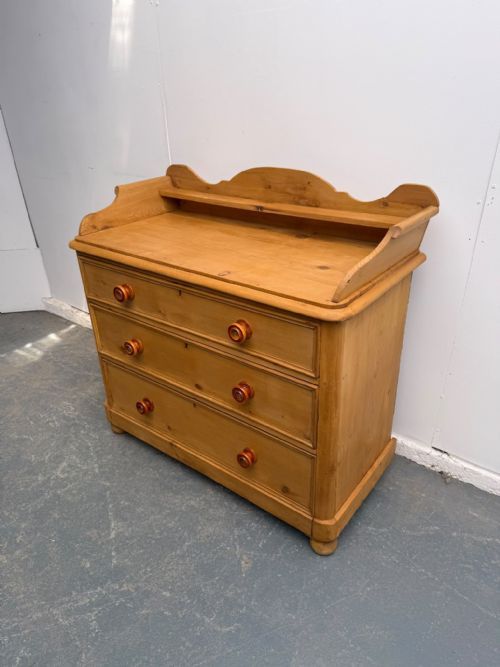
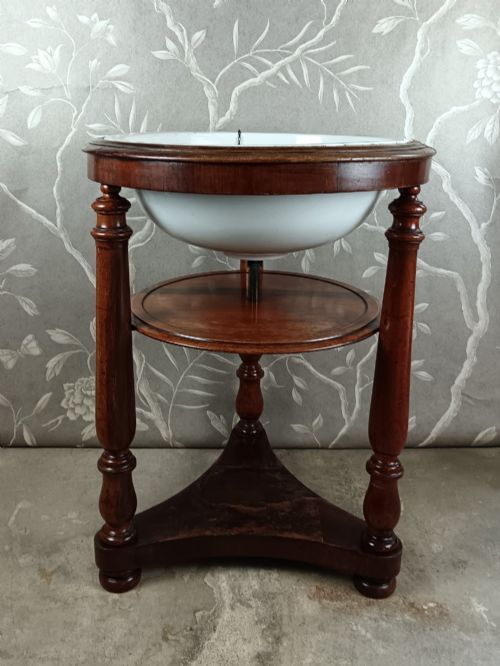
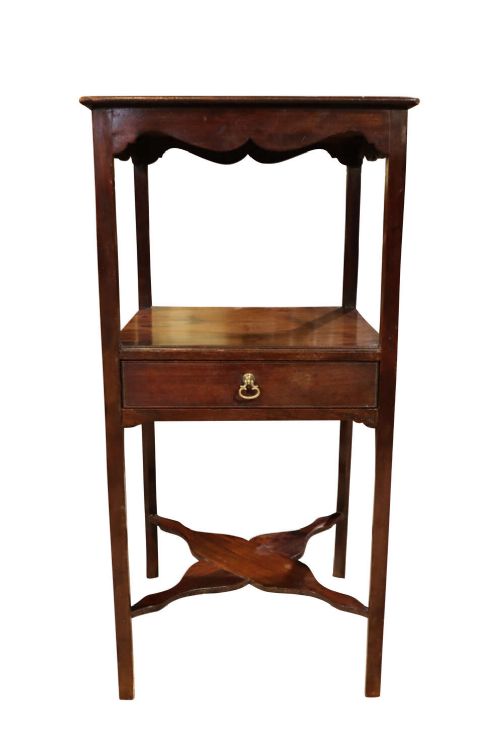
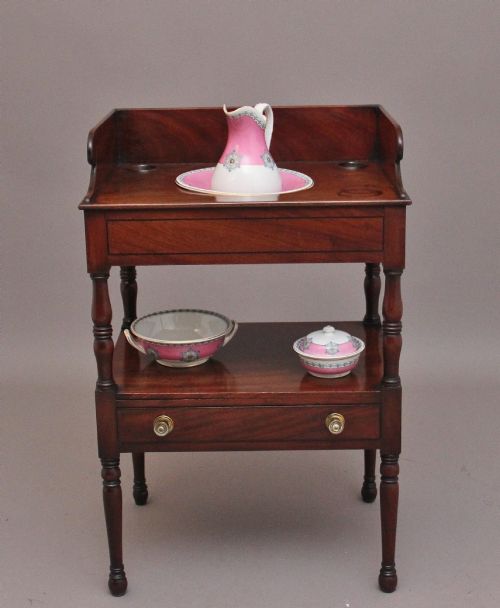
A victorian wooden washstand is a sturdy nineteenth century furniture form designed to hold basin sets before plumbed bathrooms became common. The pieces on this page span the 19th Century and Victorian eras, alongside Edwardian examples.
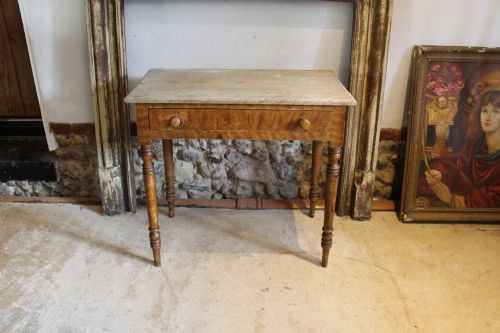
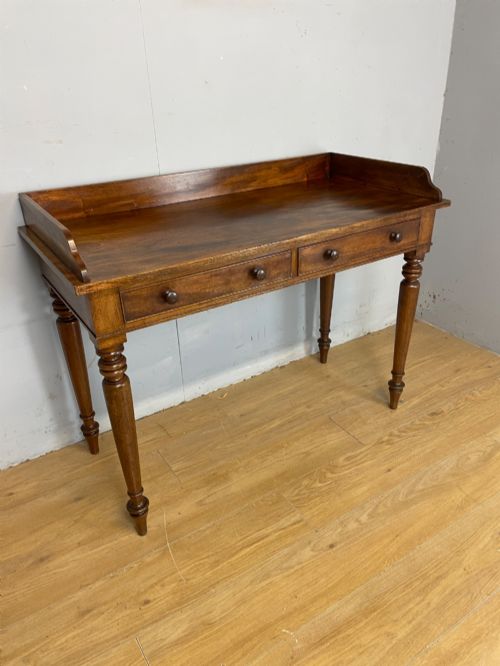
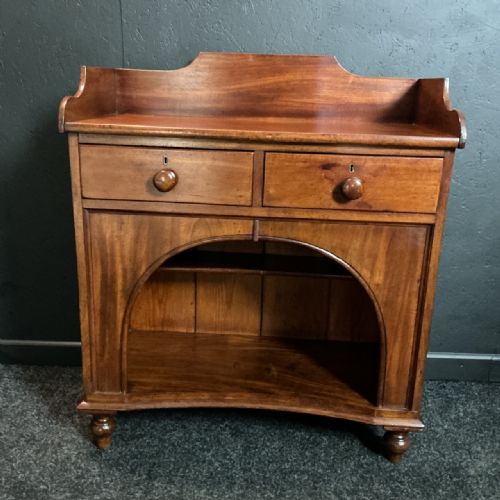
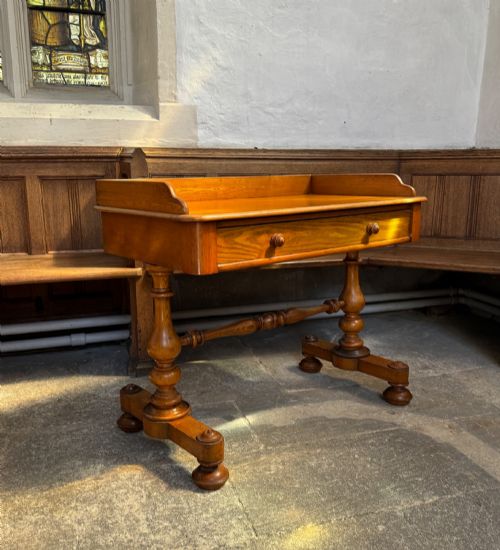
Buyers will encounter various forms, including traditional washstands, side tables, bedside tables, and console tables. Many pieces combine wood structures with marble or painted tops.
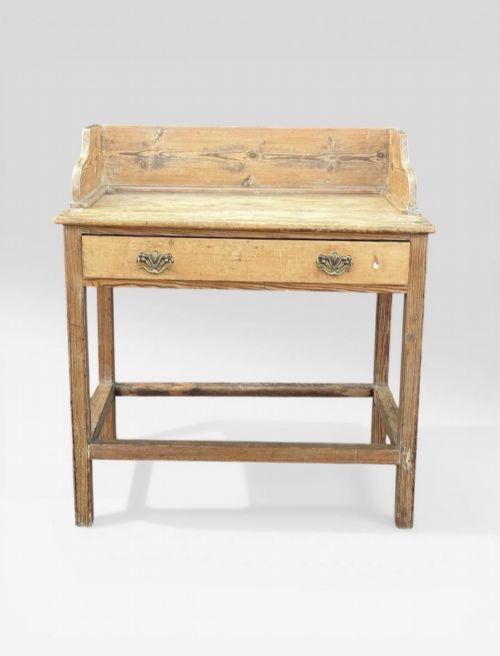
Origins include standard domestic workshop production as well as campaign styles and rustic country furniture. Woods range from rich mahogany and walnut to pine and satinbirch.
How they were made
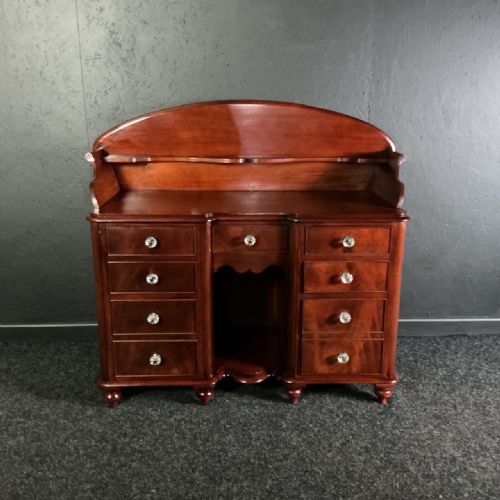
Cabinet makers utilised solid timbers like mahogany, walnut, and pine, often selecting flame veneers for visual depth. Drawer construction relied on traditional hand-cut dovetails and solid secondary woods.
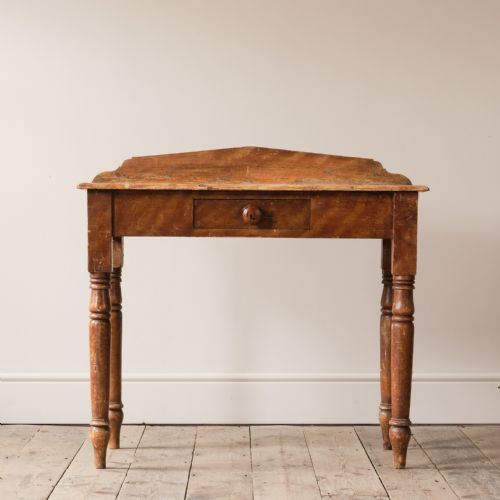
Surfaces frequently featured fitted marble slabs to protect the wood from splashing water. Alternatively, some pieces received painted faux finishes or scumble graining to mimic costlier materials.
Listings feature woods such as mahogany, walnut, pine, and satinbirch, alongside marble and brass elements.
What varies in quality
Quality rests in the choice of timber and the crispness of structural joinery. Finer examples display carefully matched veneers and intact original hardware rather than modern replacements.
The survival of original surface finishes, whether polished mahogany or painted grain, distinguishes better pieces. Structural alterations made during conversion for modern use affect overall integrity.
Gillows
The Victorian Wooden Washstand Glossary
- Campaign
- Portable furniture made for travel, typically featuring recessed brass handles and solid framing. These pieces were built to dismantle or fold easily for military officers.
- Scumble
- A decorative painting technique where a translucent top glaze is manipulated with combs or rags to simulate wood grain. This finish protected cheaper softwoods while adding visual texture.
- Satinbirch
- A pale, lustrous timber derived from the birch tree, popular for bedroom suites during the later nineteenth century. It provides a bright, blonde aesthetic compared to dark mahogany.
- Gothic Revival
- An architectural and decorative style drawing inspiration from medieval design, characterised by pointed arches and robust framing. This aesthetic appears on late nineteenth century cupboards and washstands.
Victorian Wooden Washstand: Frequently Asked Questions
What is a victorian wooden washstand used for today?
These versatile pieces function well as hallway console tables, bedside units, or bathroom vanity bases.
Their compact footprints and built-in drawers offer practical storage in smaller modern rooms.
How do I care for a marble top washstand?
Marble surfaces require gentle cleaning with mild soap and warm water to avoid etching the stone.
Applying a specialist wax protects the polished finish from moisture rings and stains.
How can I tell a campaign washstand apart?
Campaign pieces feature recessed brass hardware and robust corner brackets designed to prevent damage during transport.
Their modular construction allows the framework to separate easily.
What woods were commonly used?
Cabinet makers relied heavily on dense hardwoods like mahogany and walnut for formal domestic pieces.
Pine and satinbirch served widely for painted country furniture and lighter bedroom ranges.