
Antique Pine Writing Desk
These antique pine writing desk pieces bring straightforward character and practical workspace into a room.
The Nature of Antique Pine Writing Desk Examples
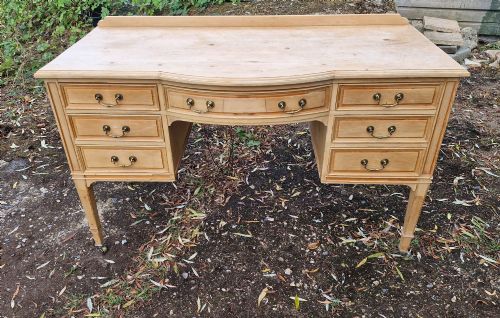
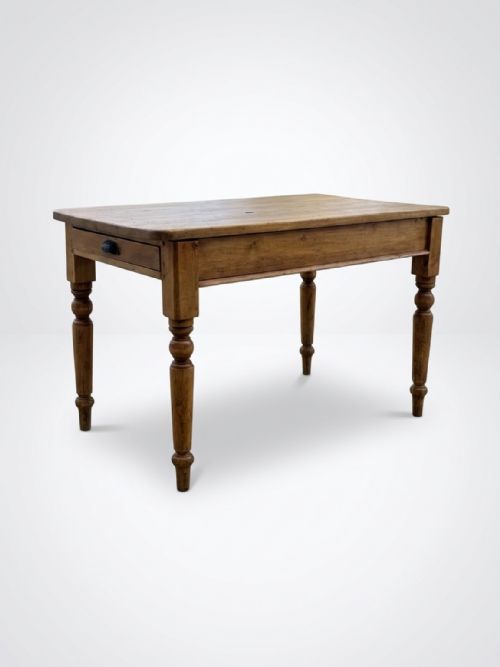
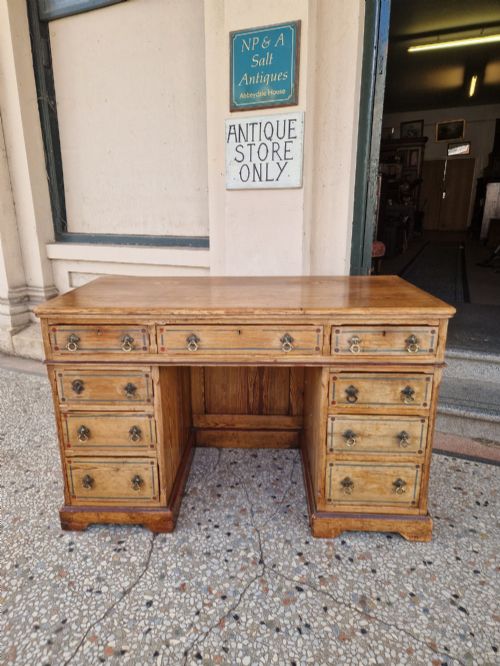
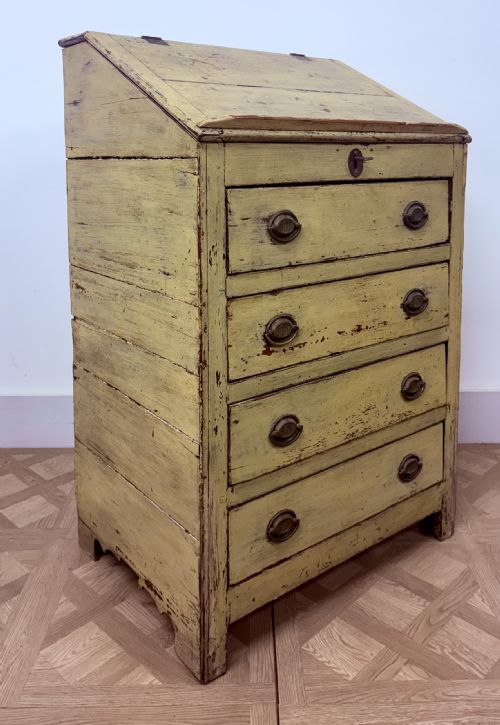
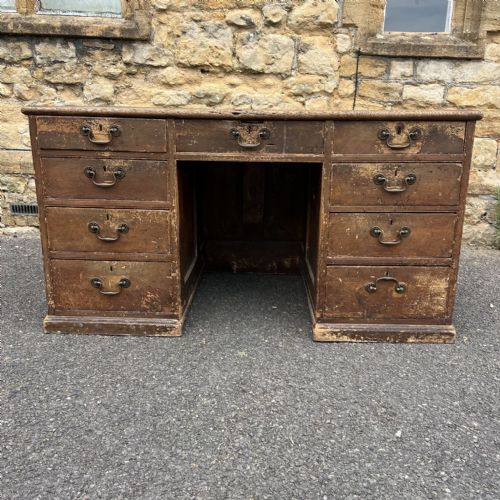
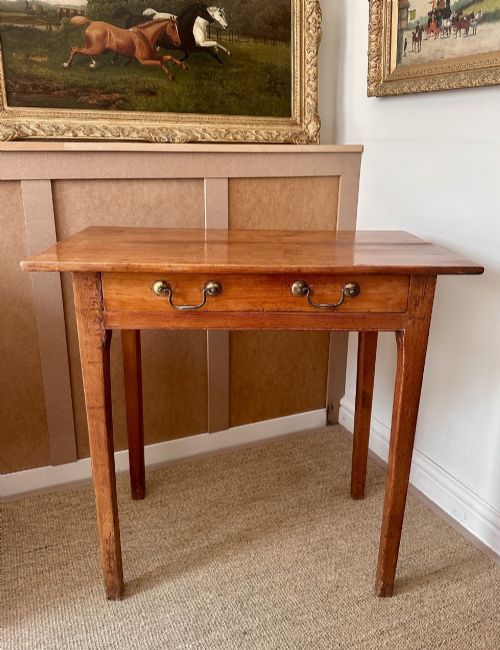
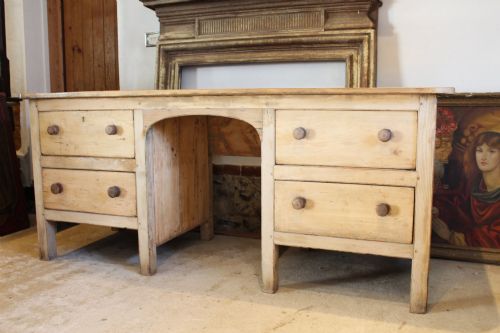
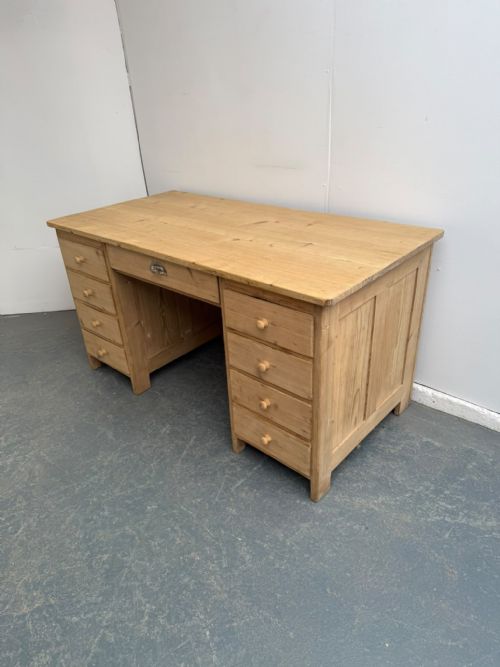
An antique pine writing desk offers a functional surface built from sturdy softwood, appearing across Victorian, nineteenth century, and nineteen-twenty periods. These items encompass forms such as kneehole desks, secretaire bureaux, and writing tables, drawing buyers who appreciate honest utilitarian design.
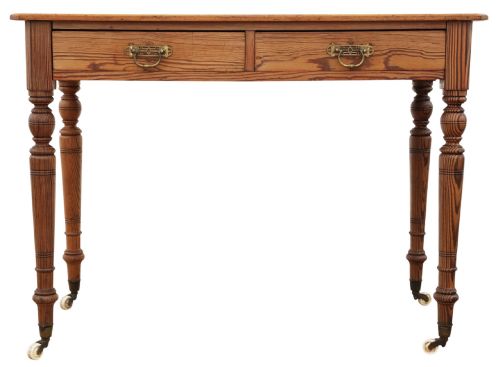
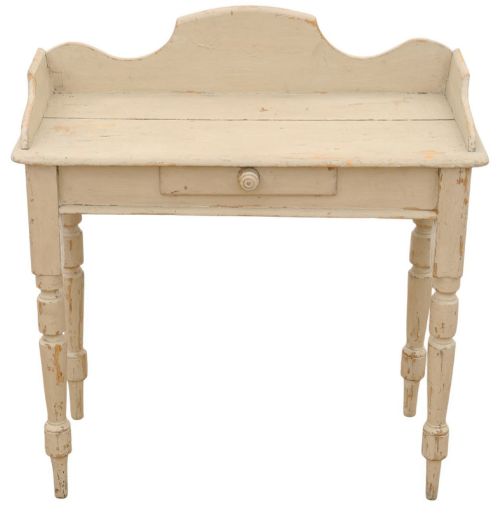
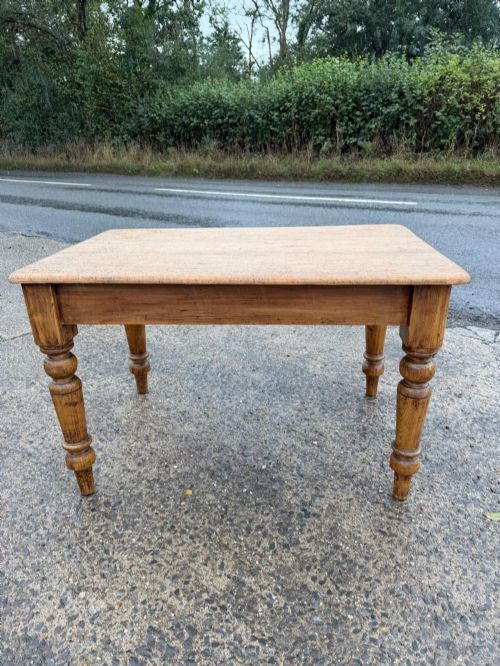
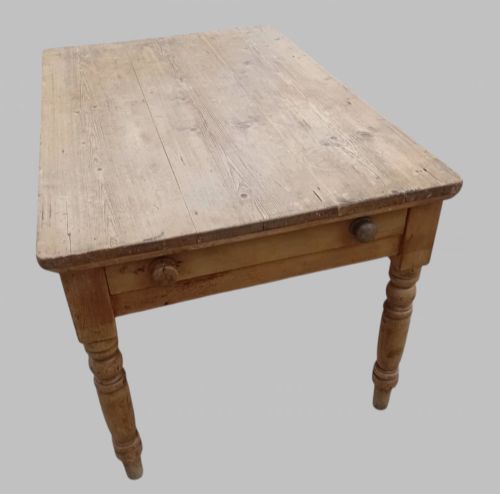
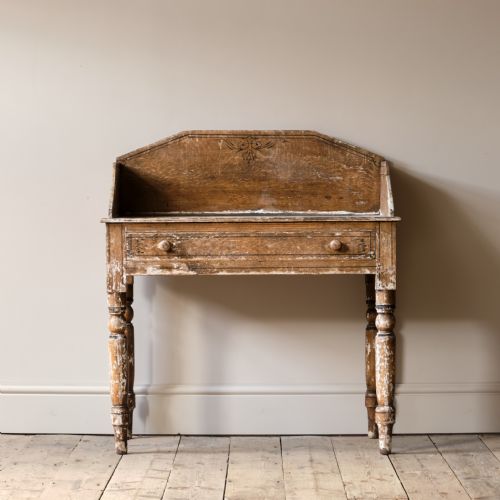
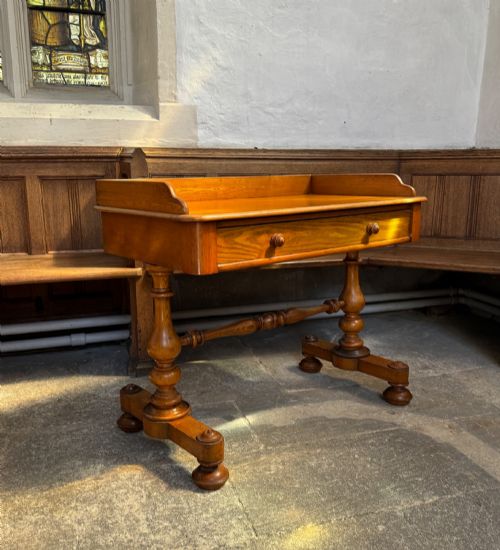
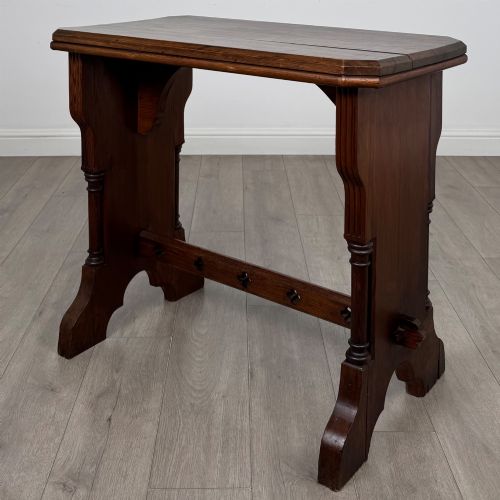
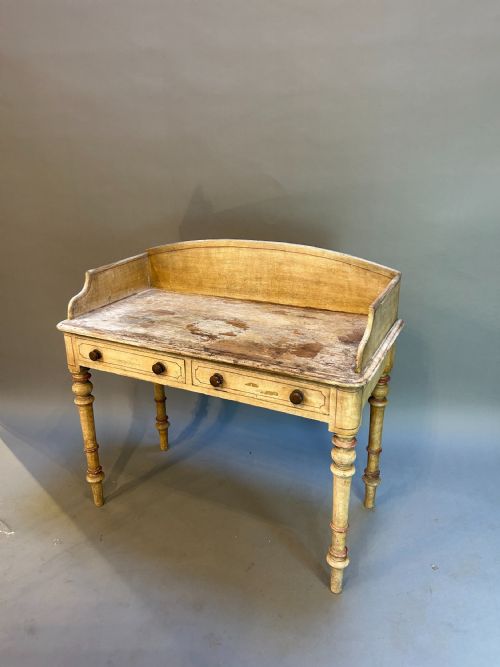
Most examples lean towards rustic farmhouse or Victorian country aesthetics, often adapting side tables and washstands into functional workspaces. The survival of these pieces shows their enduring utility in domestic settings.
Materials and Construction
Construction relies primarily on pine and pitch pine, sometimes finished with paint or paired with metal, brass, and glass fittings. These woods provide a robust structure suited to everyday writing and administrative tasks.
Joinery and hardware reflect the practical demands of nineteenth-century and early twentieth-century workshops, utilising straightforward timber construction alongside functional drawers and writing slopes.
Retail Price Guide 2026
Typical UK retail prices for pine writing desk, calculated from the Sellingantiques database of over a million retail prices indexed since 2003. This retail price guide relies exclusively on Sellingantiques data; no external sources or auction records are used, so the figures do not describe the wider market.
Listings feature pine, pitch pine, metal, brass, glass, and paint across Victorian, nineteenth century, and nineteen-twenty periods.
Assessing Quality and Character
Quality rests on the depth of the timber's grain, the integrity of the pitch pine, and the preservation of original painted surfaces. Finer examples maintain crisp proportions in kneehole configurations and writing slopes.
The sophistication of the hardware, including brass and glass elements, alongside the seamless integration of drawers and compartments, separates standard utility items from more considered pieces.
The Antique Pine Writing Desk Glossary
- Pitch Pine
- A dense, resinous softwood frequently used for robust nineteenth-century furniture. It offers distinct grain patterns and exceptional durability.
- Kneehole Desk
- A form featuring a central recess for the legs, flanked by pedestals of drawers. This layout provides structured storage beneath the writing surface.
- Secretaire Bureau
- A piece incorporating a hinged writing slope that opens to reveal internal compartments and small drawers. It combines cabinetry with a dedicated writing surface.
- Aesthetic Movement
- A late nineteenth-century design style emphasising visual beauty over narrative or moral function. It occasionally influences the refined lines of pitch pine desks.
Frequently Asked Questions
What is an antique pine writing desk?
An antique pine writing desk is a practical workspace constructed from softwood during the nineteenth or early twentieth century. These pieces often feature drawers, writing slopes, or kneehole configurations.
They reflect utilitarian origins, ranging from rustic farmhouse tables to more fitted bureau formats designed for household correspondence and administration.
How do I identify a Victorian pine desk?
Victorian examples typically display the dense grain of pitch pine or standard pine, sometimes finished with period paint or fitted with brass hardware. Construction methods align with nineteenth-century workshop standards.
Look for traditional joinery, functional drawer arrangements, and forms that overlap with washstands or side tables adapted for writing.
Where were these desks used?
These desks served practical administrative roles in homes, sculleries, and country houses. Their sturdy softwood construction was meant for daily domestic utility.
Over time, many side tables and washstands were also utilised as writing surfaces due to their convenient proportions and flat tops.
How do I care for antique pine furniture?
Care for antique pine involves maintaining a stable indoor climate away from direct heat sources and excessive moisture. Gentle dusting and occasional wax polishing help preserve the wood.
Avoid harsh chemical cleaners, particularly on painted or pitch pine surfaces, to protect the natural patina built up over the centuries.