


Victorian Wooden Wall Clock
A victorian wooden wall clock brings mechanical purpose to domestic rooms, relying on mahogany, oak, and walnut cases to house precise movements.
Victorian Wooden Wall Clock
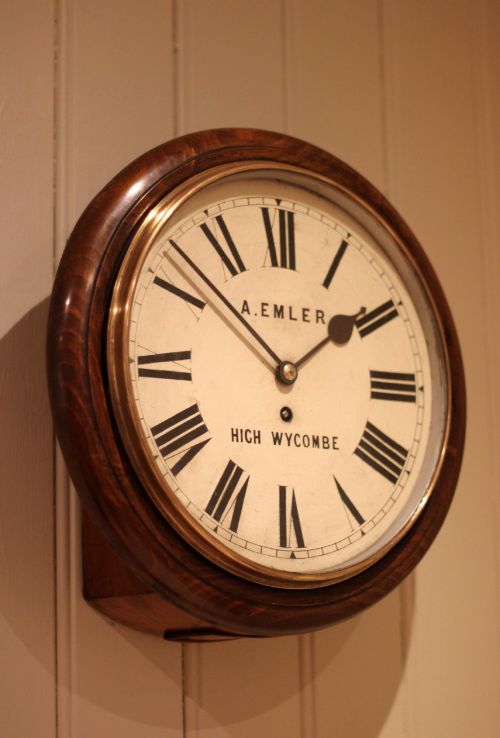
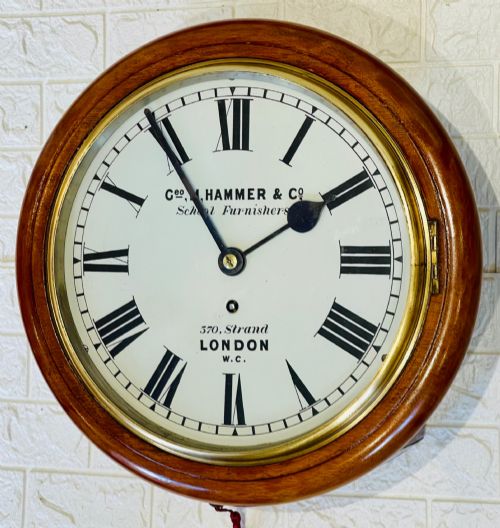
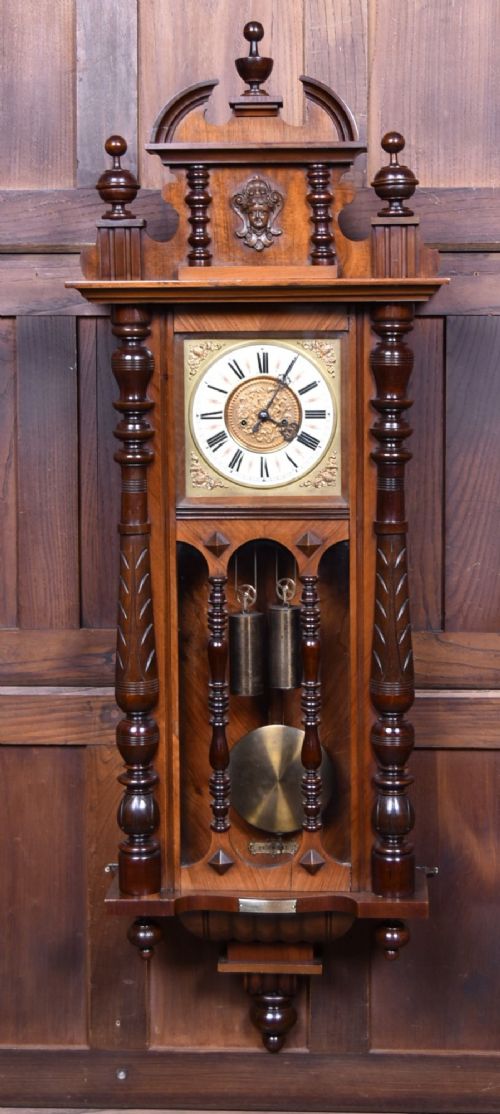
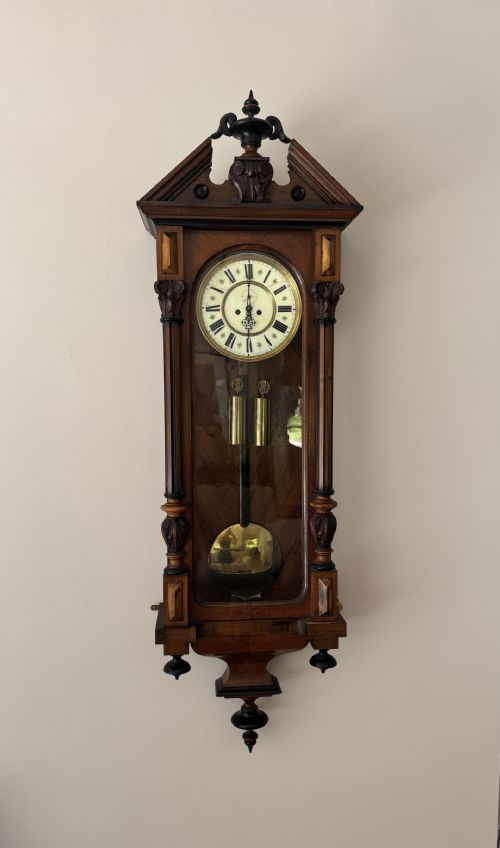
A victorian wooden wall clock serves as a practical timepiece mounted in domestic and institutional settings, drawing from nineteenth-century forms. Buyers encounter dial clocks, drop dial models, and Vienna regulators spanning several decades of production.
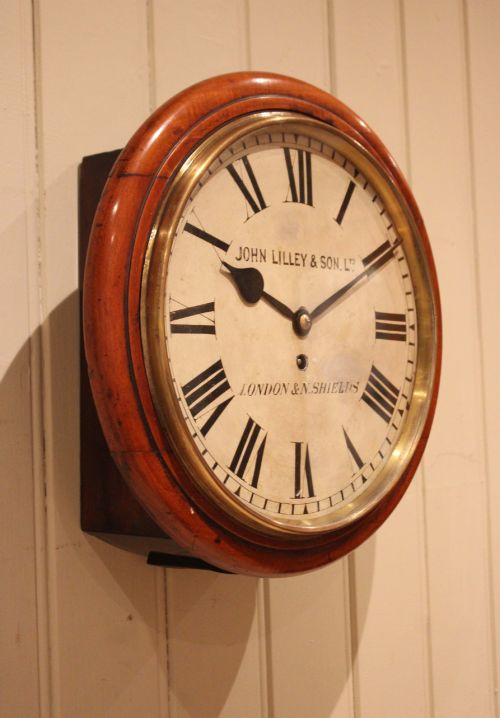
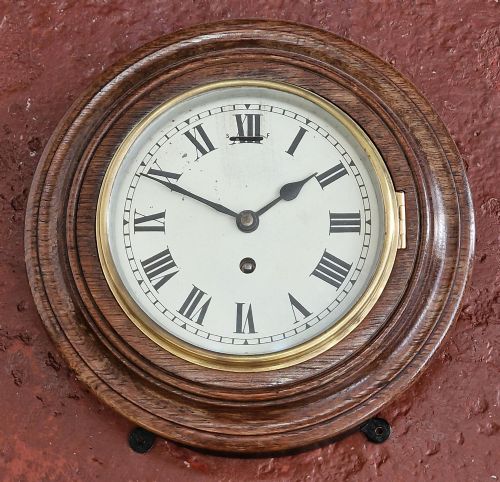
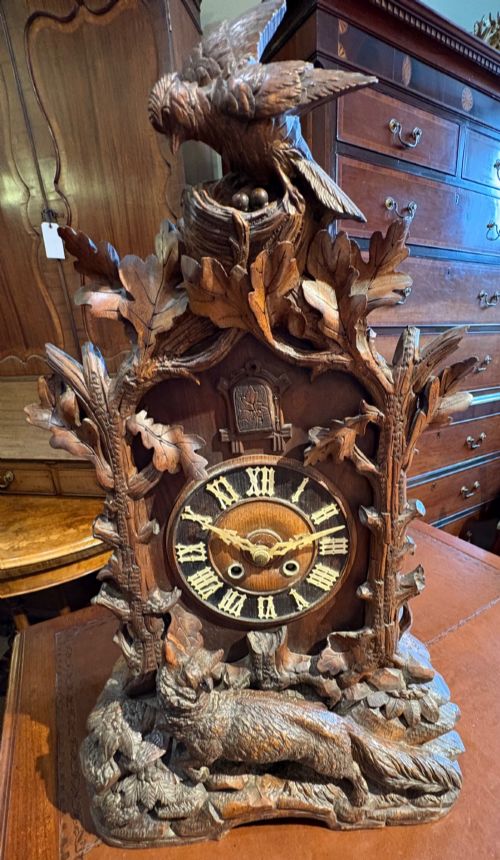
The selection ranges from railway station fusee clocks to carved walnut Vienna pieces and Black Forest cuckoo clocks. Mahogany, oak, and beech form the primary timber housings for these mechanisms.
Materials and construction
Cabinet makers utilised solid mahogany, walnut, oak, and beech, frequently shaping timber into circular bezels or rectangular drop cases. Carved wood details appear on Black Forest and Vienna models alongside brass bezels and glass dial covers.
Movements rely on chain-driven or wire fusee mechanisms, double weight systems, and eight-day spring drives. Dials feature painted enamel surfaces paired with iron hands and brass fittings.
Listings feature mahogany, walnut, oak, and beech cases housing fusee, eight-day, and double weight movements.
Distinguishing quality
The standard of a piece rests in the precision of the timber joinery and the complexity of the internal movement. Double fusee or Vienna regulator movements demand greater technical skill than standard time-only spring drives.
Originality of the painted dial, hands, and timber case dictates desirability among collectors. Crisp carving on walnut and mahogany housings distinguishes superior workshop output.
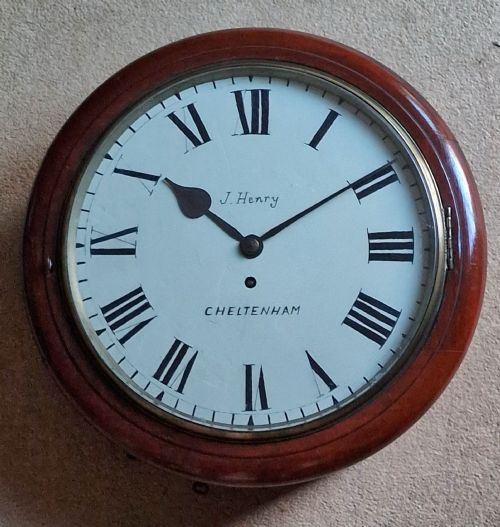
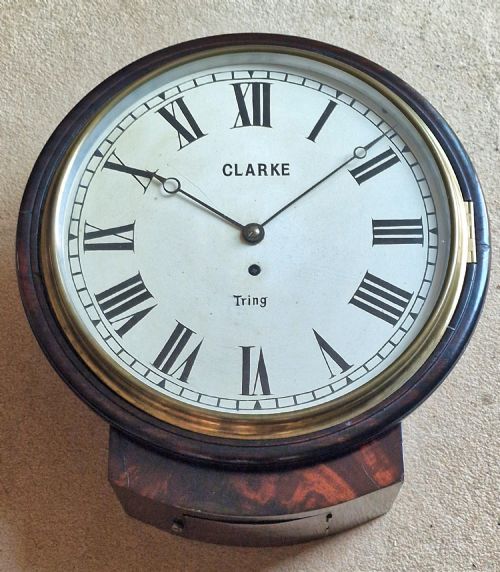
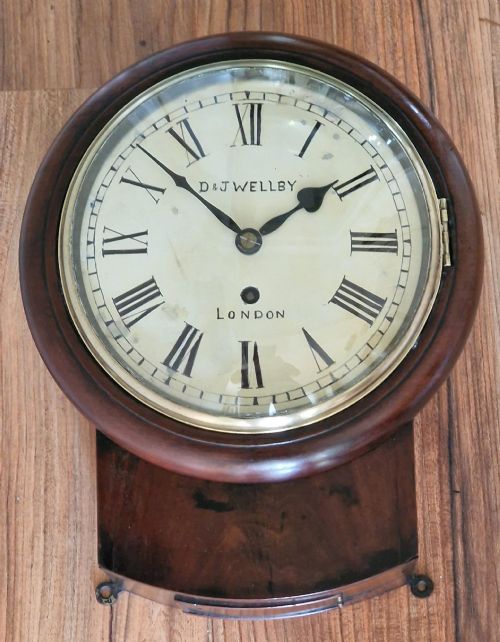
J Henry Cheltenham·George Clarke Tring·D and J Wellby London·Samuel Chave Taunton·Rudge Swindon·Henry Lamb Windsor·John Walker
The Victorian Wooden Wall Clock Glossary
- Fusee
- A conical pulley used with a chain or cord to equalise the torque of the mainspring as it unwinds. This mechanism ensures consistent timekeeping throughout the power reserve.
- Drop dial
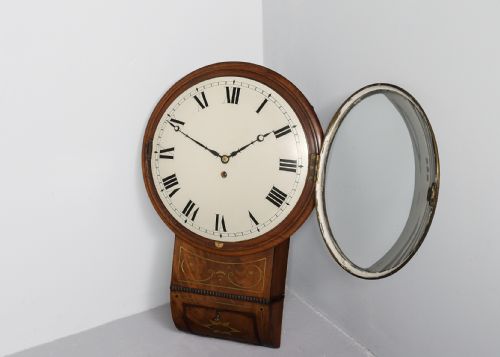
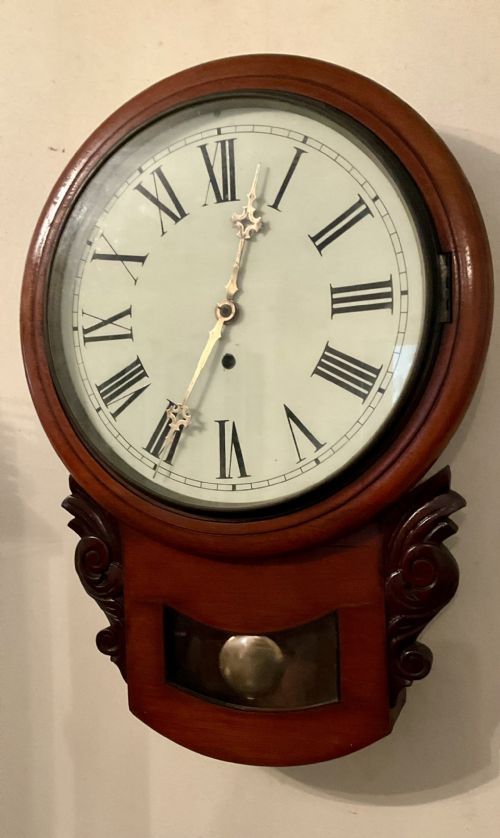
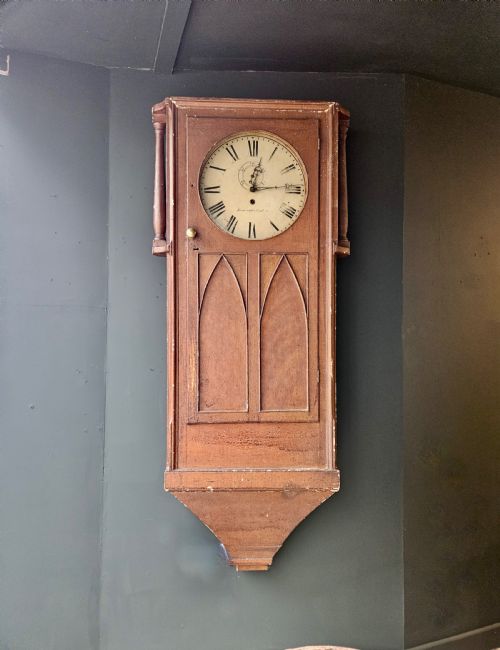
- A clock case featuring a circular dial above a longer wooden trunk that houses the pendulum. This form gained popularity in offices, stations, and homes during the nineteenth century.
- Vienna regulator
- A precision wall clock featuring a long glass-fronted case and heavy weights, developed in Austria. These pieces showcase refined walnut or mahogany veneers and meticulous movement construction.
- Aneroid barometer
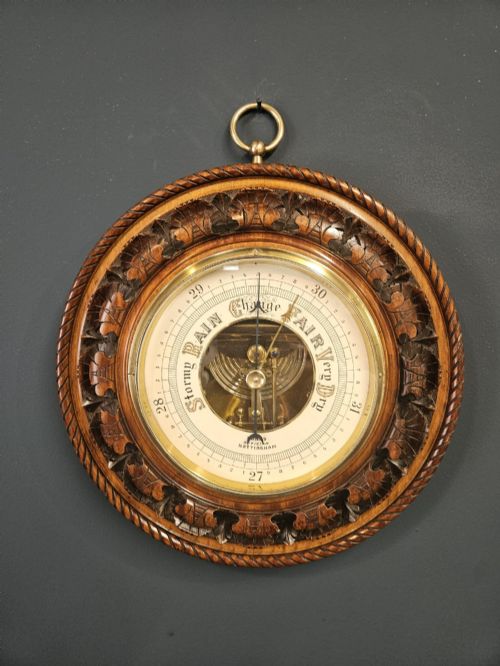
- A weather-measuring instrument that uses an evacuated metal capsule to register atmospheric pressure changes. These instruments often accompany clock movements in large Victorian wall cases.
- Dial
- The face of the clock where hours and minutes are displayed. Victorian examples typically feature Roman numerals painted on enamel or metal plates.
Victorian Wooden Wall Clock: Frequently Asked Questions
How do fusee clocks work?
A fusee clock uses a conical pulley connected to the mainspring via a chain or wire. As the spring unwinds, the chain moves to a wider part of the cone, maintaining steady force on the gear train.
This clever design compensates for the diminishing power of a relaxing spring, ensuring the clock maintains accurate time over its running period.
Where were Vienna wall clocks used?
Vienna regulators were designed for domestic parlours and formal rooms where precision timekeeping and status mattered. Their refined walnut cases and visible swinging pendulums made them focal points.
Railway station clocks served a different purpose entirely, hung in waiting rooms and platform offices to keep staff and passengers on schedule.
How do I hang a heavy wall clock?
Mounting a heavy mahogany or walnut wall clock requires securing a strong screw or fixing directly into a wall stud or masonry anchor. The weight of the movement and case demands robust support.
Ensure the back case rests flush against the wall so the pendulum swings freely without catching on the wood or glass.
What is a drop dial clock?
A drop dial clock combines a traditional circular clock face with an extended lower wooden box. This trunk houses the swinging pendulum while keeping the dial prominent at eye level.
These clocks became common in public buildings, schools, and homes throughout the nineteenth century.