
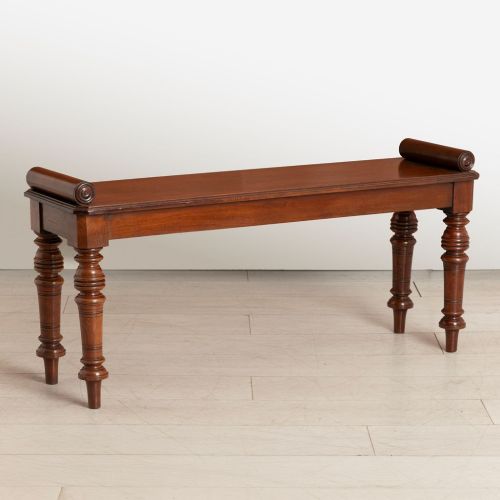
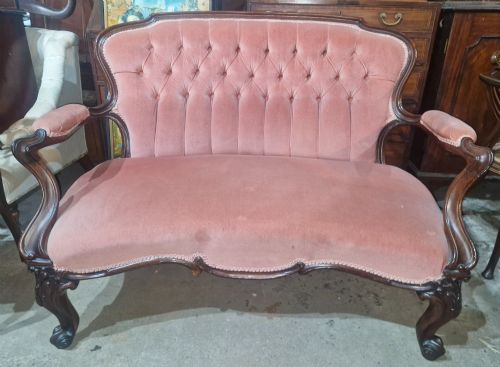
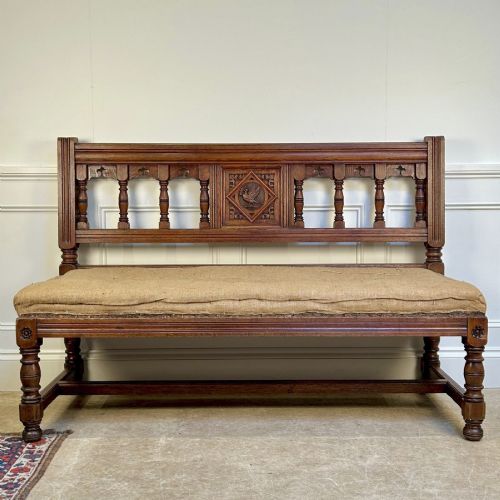
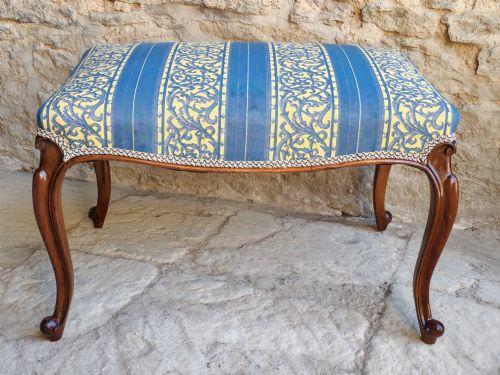
Victorian Window Bench
When you look for a victorian window bench, you find sturdy timber seats designed to sit low beneath nineteenth-century casements.
Victorian Window Bench
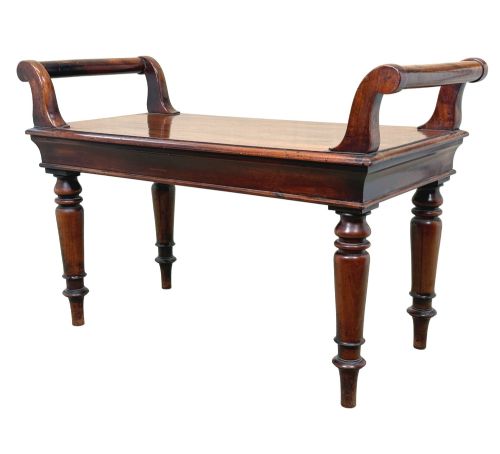
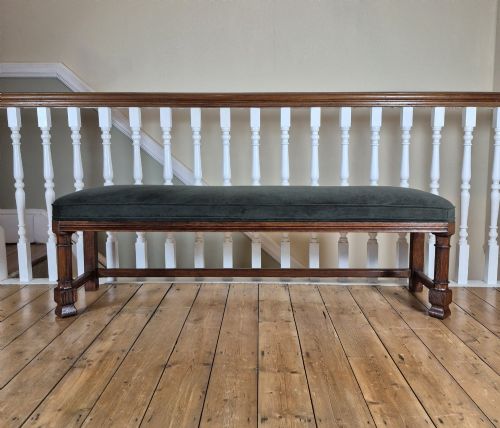
A victorian window bench sits at the intersection of domestic comfort and architectural utility, originating primarily during the nineteenth century. These low seats serve transitional spaces, fitting neatly beneath sills or acting as narrow hall benches.
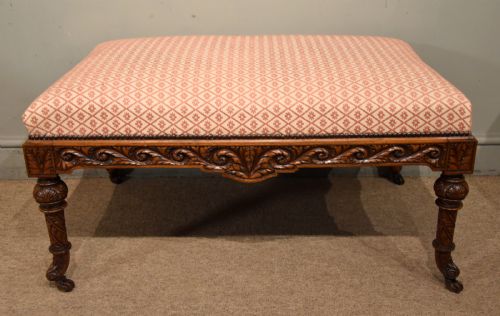
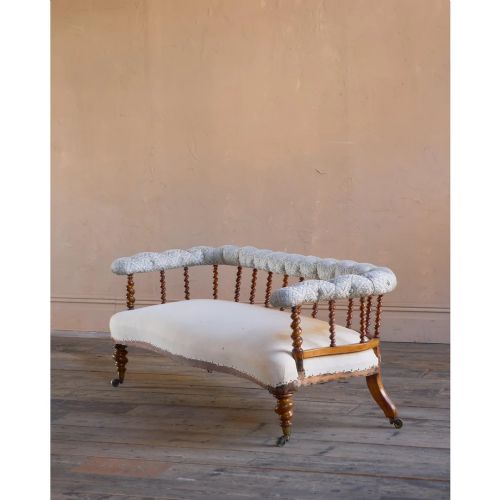
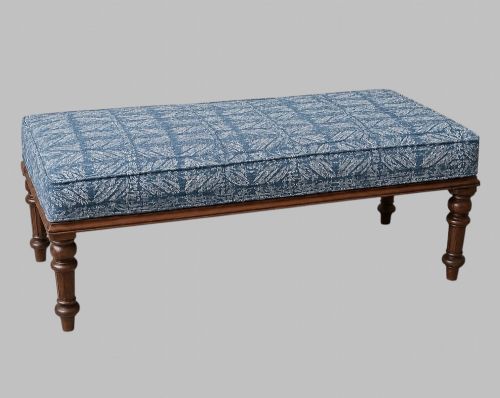
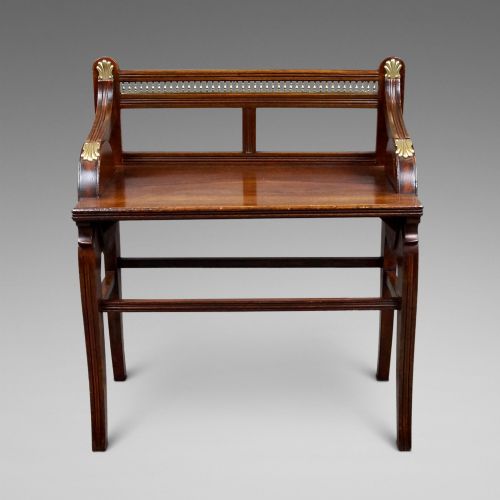
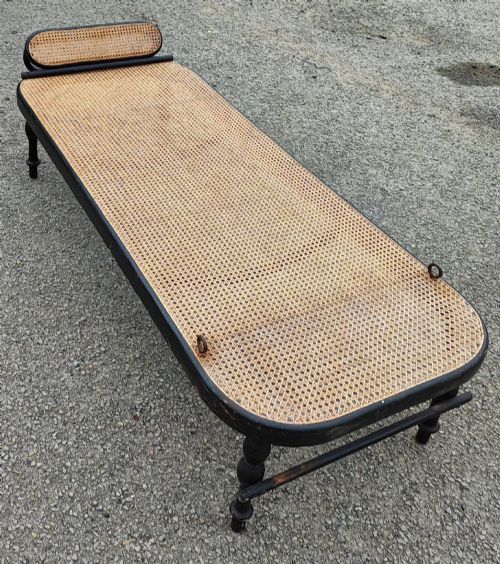
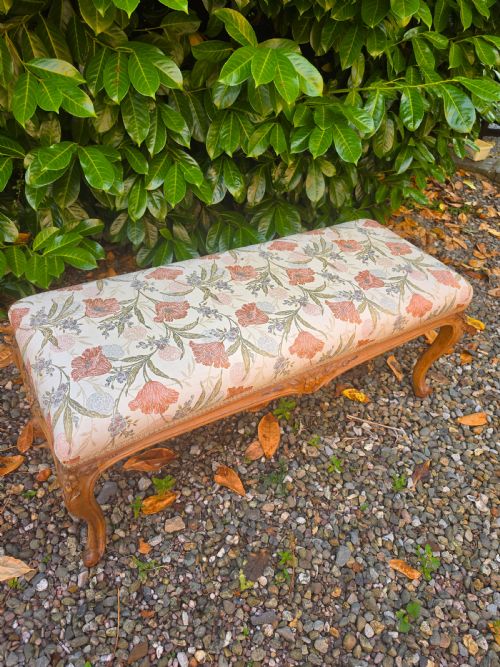
The prevailing form on this page combines a solid timber frame with an upholstered cushion or cane panel. Pieces emerge from various stylistic revivals, including Gothic, Jacobean, and Arts and Crafts aesthetics.
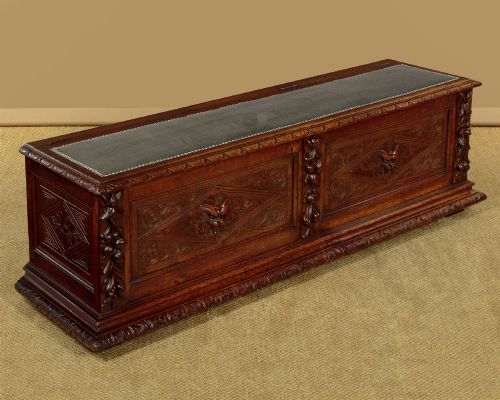
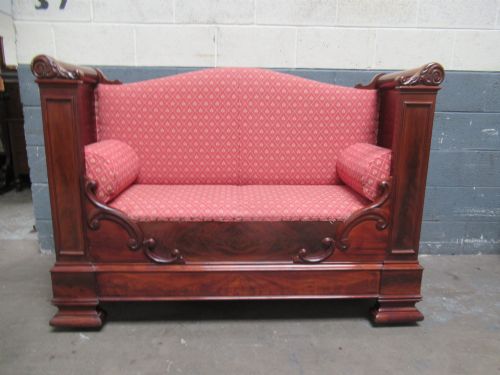
Makers fashioned these seats in mahogany, walnut, and oak, frequently adapting them for dual use as duet stools or ottoman storage boxes. Proportions remain narrow to preserve light from low window frames.
Materials and Construction
Cabinetmakers utilised dense hardwoods like mahogany, walnut, and oak to construct load-bearing frames, often deploying mortise and tenon joinery. Richly grained veneers in burr elm or maple appear on select panels.
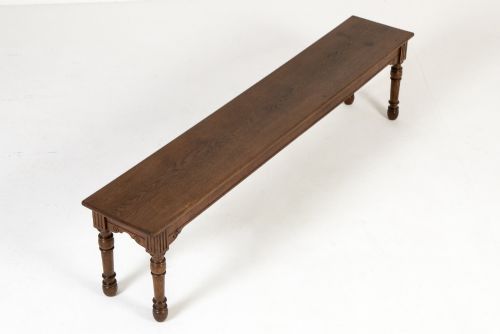
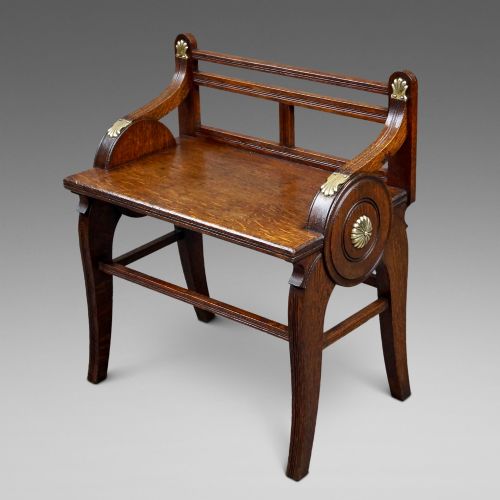
Upholstery techniques range from traditional webbed and stuffed horsehair foundations to modern textile replacements. Details include turned bobbin legs, fluted supports, and applied brass mountings.
The inventory records pieces spanning early Victorian classicism through to later Gothic Revival and Arts and Crafts interpretations.
Judging Quality
The distinction between standard utility furniture and high workshop production rests on timber selection and carved detail. Crisp hand-carved mouldings and solid secondary woods elevate a piece above basic factory output.
Structural integrity depends on undisturbed frame joints and the quality of the timber surface. Pieces bearing maker stamps or attributed to notable cabinetmakers command greater attention from collectors.
GIllows·C. Hindley & Sons·Jas Shoolbred·James Shoolbred & Co.·Charles Nosotti·Hallett & Sons
The Victorian Window Bench Glossary
- Duet stool
- A wide seating form designed for two musicians sharing a piano bench or window seat. These pieces frequently feature hinged seats concealing sheet music storage.
- Gothic Revival
- An architectural and decorative style popular during the nineteenth century that draws on medieval ecclesiastical motifs. Pieces display pointed arches, tracery, and heavy carved oak.
- Ottoman
- A low upholstered seat or bench featuring a hinged lid that opens to reveal an internal storage compartment. They appear in walnut and oak across the late Victorian period.
- Cane
- Plant material woven into open patterns to form resilient seat panels. This technique lightens the visual weight of heavy timber frames.
Victorian Window Bench: Frequently Asked Questions
How do I use a window bench today?
These benches fit naturally at the foot of a bed, along a narrow hallway, or beneath a low living room casement. Their slim profile provides practical seating without blocking walkways or natural light.
Many examples include internal storage beneath hinged tops, offering a discrete space for blankets, shoes, or music scores. They bridge decorative history with daily domestic utility.
Were window benches and hall benches the same?
Victorian cabinetmakers frequently marketed the same long, narrow timber seats for both window recesses and entrance halls. The underlying form remained identical, adaptable to whichever room required low seating.
Listing titles often combine both terms to reflect this historical interchangeability. Hall benches might feature slightly harder edges or umbrella wells, though upholstery distinguishes most window seats.
How do I date a nineteenth-century bench?
Dating relies on stylistic clues, timber choice, and construction methods visible in the frame. Early examples lean towards heavy mahogany with restrained classical lines, while later decades favour walnut or carved oak.
Revival styles such as Gothic or Arts and Crafts provide specific chronological anchors within the broader Victorian era. Maker stamps or retailer labels offer the most precise confirmation of origin.
Should I worry if the upholstery is modern?
Modern re-upholstery is common and often desirable for hygiene and comfort. Quality pieces retain their original frame webbing and internal padding where possible, but new top fabrics do not diminish historical value.
Collectors look primarily at the timber structure, joinery, and carved details. A professional recover using period-appropriate textiles enhances the utility of the bench.