



Antique Hall Seating
These antique hall seating options range from sturdy oak settles to elegant mahogany window benches, providing practical entrance furniture with centuries of craftsmanship.
Antique Hall Seating
When you search for antique hall seating, you encounter a varied selection of functional entrance furniture designed for hallways, corridors, and reception rooms. The pieces span multiple centuries, originating from the 18th, 19th, and early 20th centuries across various regional workshops.
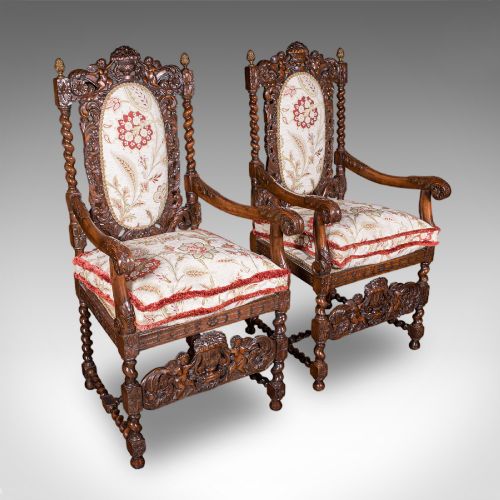
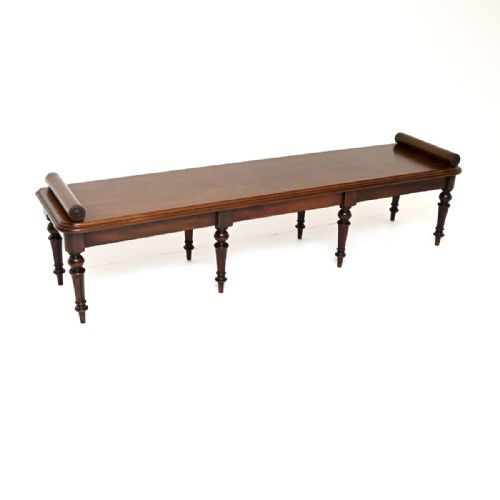
The most common forms on this page comprise wooden benches, settles with integrated storage, window seats, and individual hall chairs. These items utilise traditional timber construction to serve practical seating and occasional storage needs in domestic interiors.
Materials and construction methods
Cabinet makers relied primarily on dense hardwoods such as oak, mahogany, walnut, and cherrywood to build durable frames capable of withstanding heavy daily use. Joinery techniques involved traditional methods like mortise and tenon joints, panel construction, and hand carving.
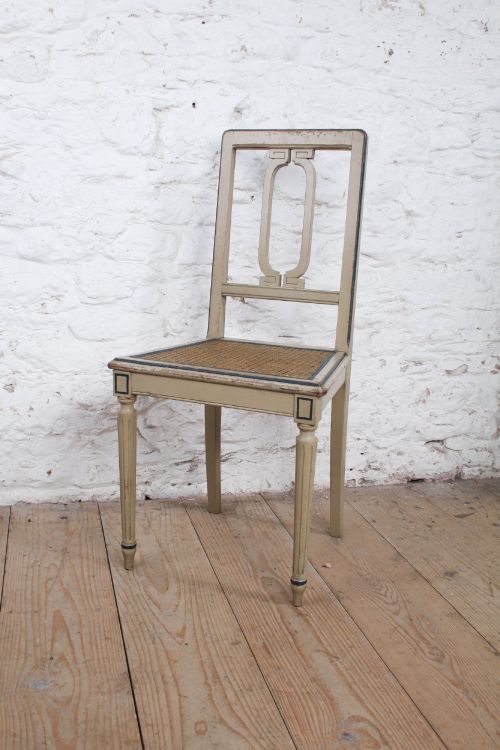
Surface decoration frequently incorporates carved details, paneling, and parcel-gilding, while specific examples feature added upholstery, leather, rush seating, and textile elements for comfort.
Antique Hall Seating Retail Price Guide 2026
Typical asking prices for hall seating among the pieces listed under this phrase on Sellingantiques today, from the lower quarter to the upper quarter. They describe what is for sale here now, not the wider market.
Listings feature woods such as oak, mahogany, walnut, pine, cherrywood, and rosewood across various 18th and 19th century periods.
Factors influencing quality
Quality in these seating items depends upon the selection of timber, the precision of the joinery, and the crispness of any hand carving. Superior examples demonstrate thoughtful proportion, stability in the frame, and retention of original surface patination.
Lesser pieces may show coarse secondary timbers, unrefined carving work, or extensive structural alterations that diminish the integrity of the design.
Charles Tozer·W.A. Willcocks
The Antique Hall Seating Glossary
- Settle
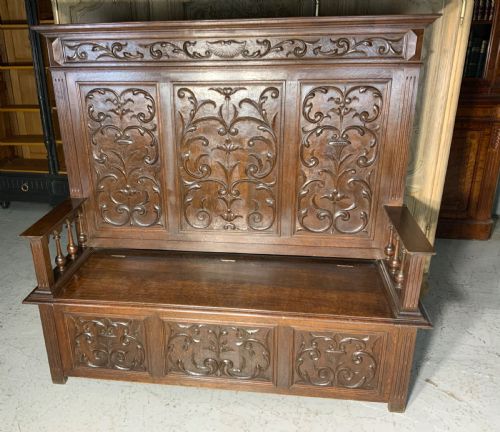
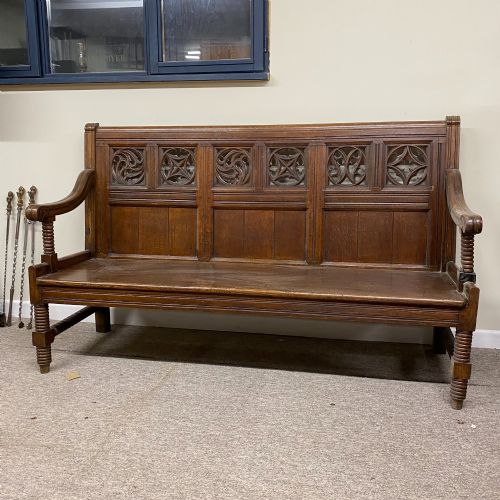
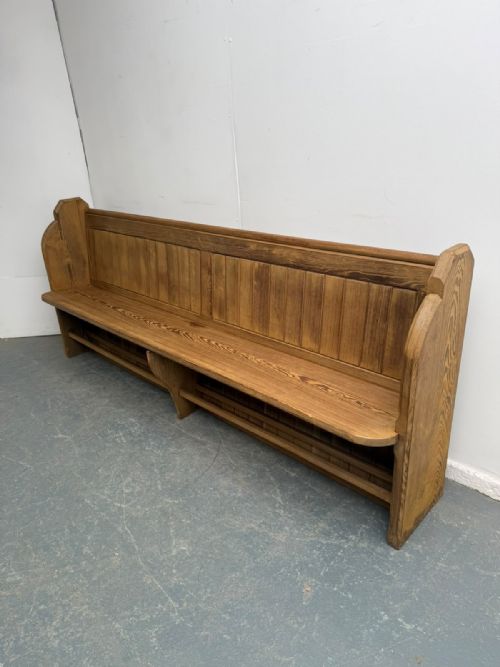
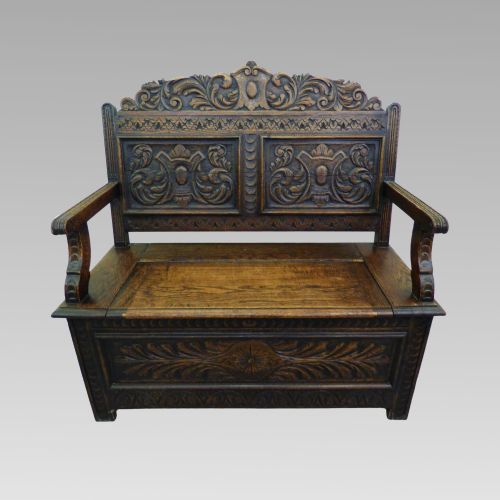
- A wooden bench with a high back, solid arms, and often a box seat compartment beneath. This form provided draught protection in entrance halls and living spaces.
- Window seat
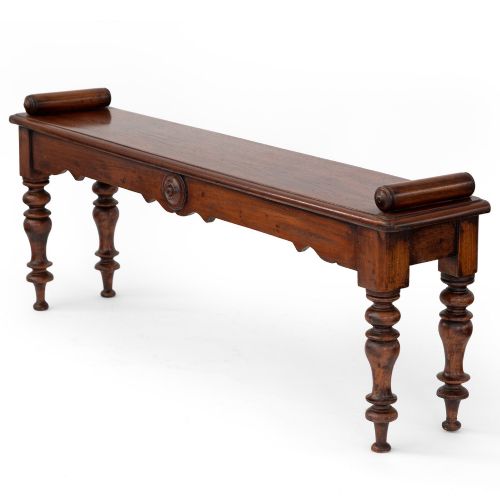
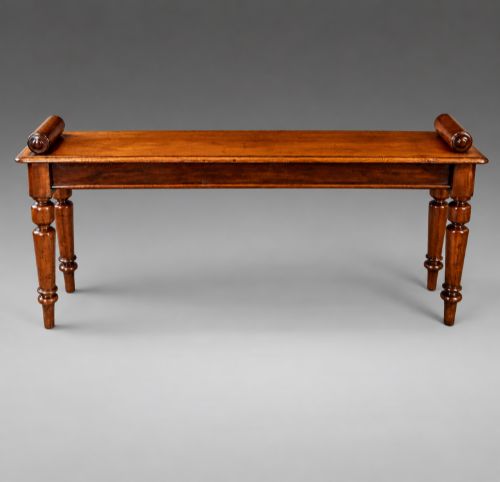
- A long, narrow bench designed specifically to fit within a window recess. These pieces frequently feature upholstered tops and mahogany or walnut frames.
- Hall chair
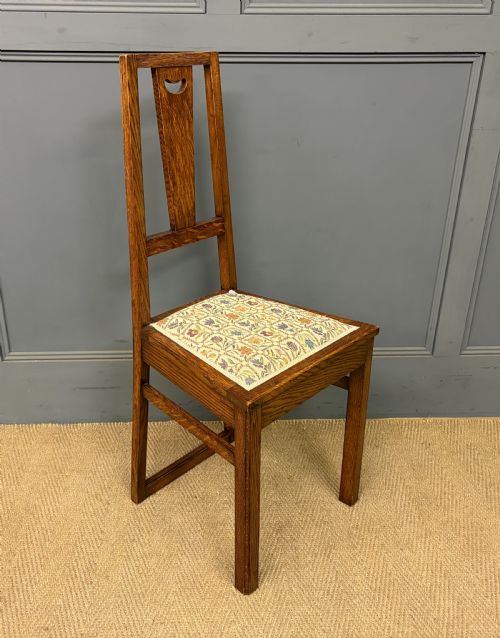
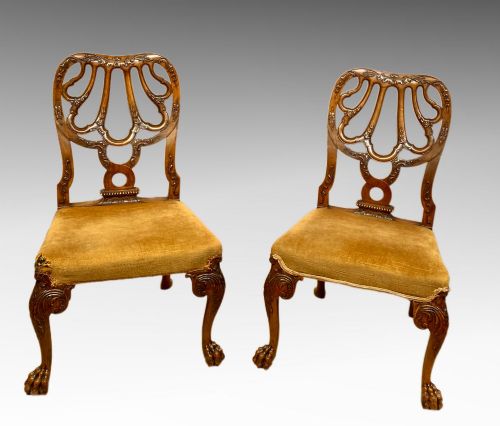
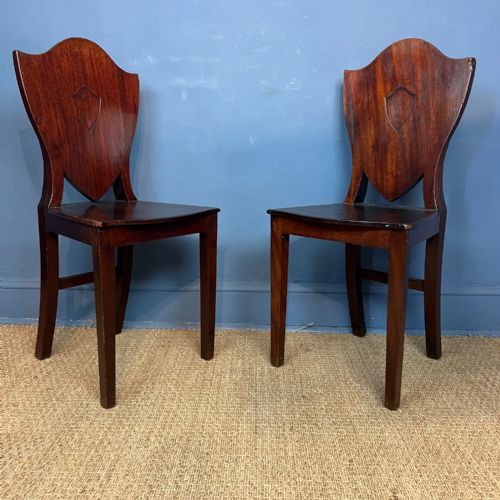
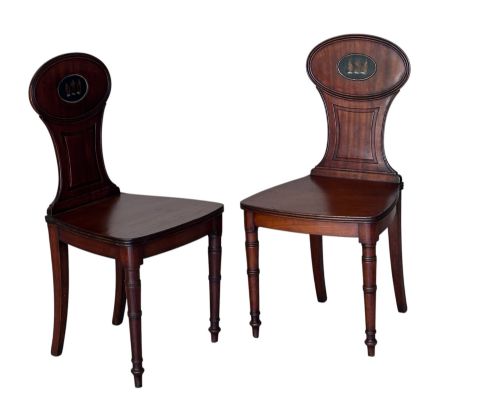
- An upright wooden seat designed for a hallway or reception space, often incorporating a solid carved shield or panel back.
- Monk's bench
- A versatile furniture piece featuring a hinged top that folds down to convert the seat into a table. These typically appear in solid oak.
- Parcel-gilt
- Partially gilded with gold leaf applied to specific carved details or highlights on a wooden frame. This technique emphasises decorative woodwork.
Antique Hall Seating: Frequently Asked Questions
What is a settle used for?
A settle functions as a high-backed wooden bench providing seating for multiple occupants while offering protection from draughts in corridors and entranceways. Many versions incorporate lift-up lids for storing household items.
Historically placed near fires or in hallways, these pieces combined utility and seating in domestic settings.
How do I identify a window seat?
Window seats present as elongated benches built with narrow proportions suited for placement beneath windows. They often feature upholstered tops supported by mahogany or walnut frames.
Unlike standard benches, their design prioritises length and low back support to maintain outside views.
What defines a hall chair?
Hall chairs are upright wooden seats constructed with rigid backs, frequently displaying carved family crests, shields, or plain wooden panels. They served guests waiting briefly in entrance halls.
These chairs prioritised formal appearance and durability over cushioned comfort.
How should I care for antique wood?
Maintain wooden seating by keeping items away from direct heat sources and sudden temperature fluctuations. Regular dusting with a dry cloth preserves the finish.
Apply natural beeswax occasionally to nourish dry timbers without building up heavy chemical residue.