

Victorian Walnut Side Chairs
When you search for victorian walnut side chairs, you are looking at nineteenth-century seating fashioned from rich timber with varied revival details.
Victorian Walnut Side Chairs
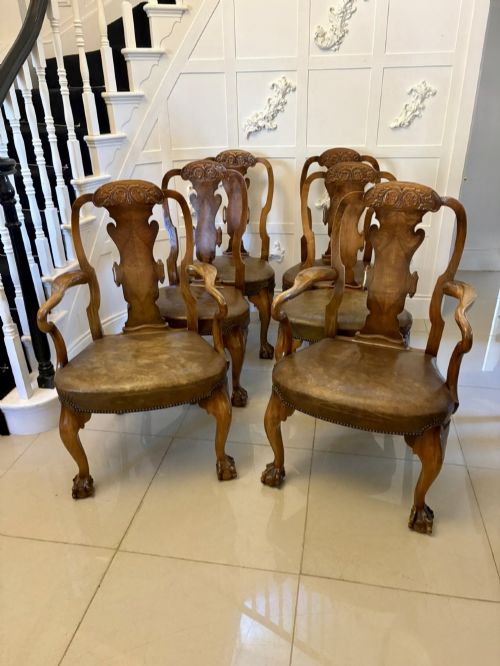
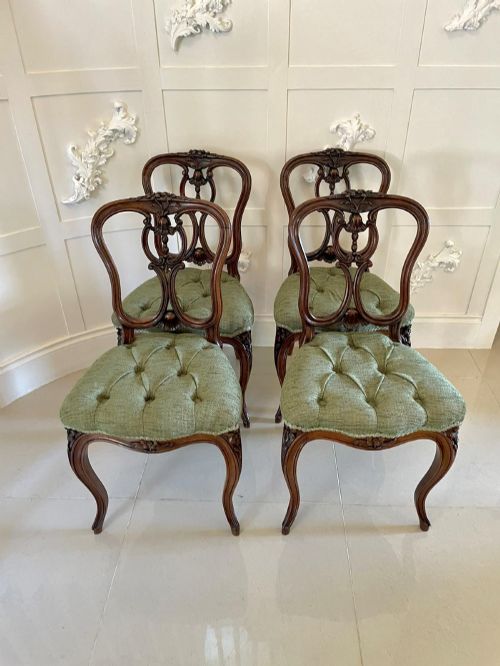
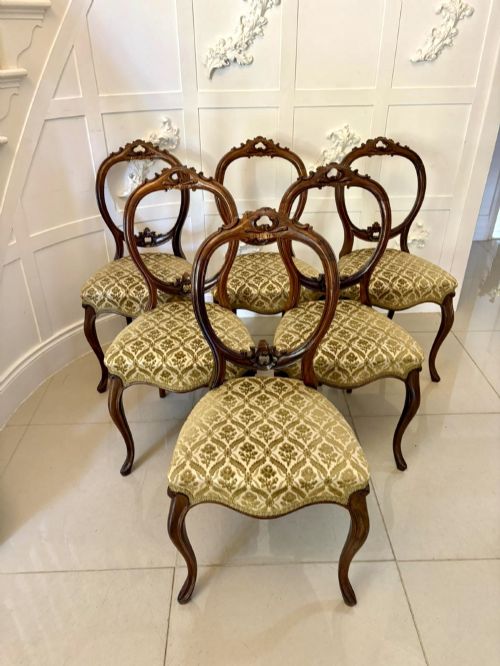
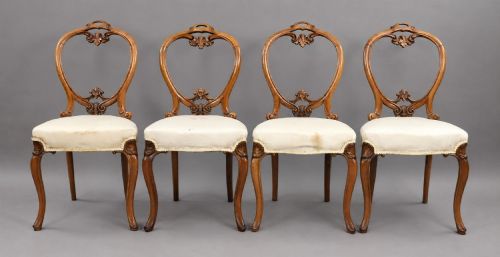
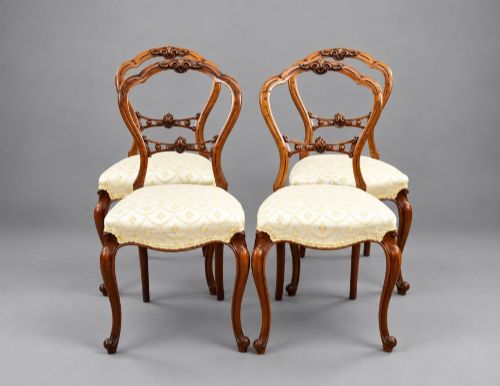
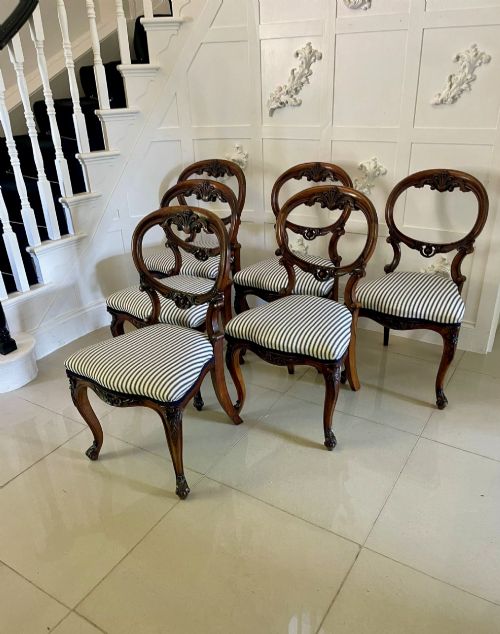
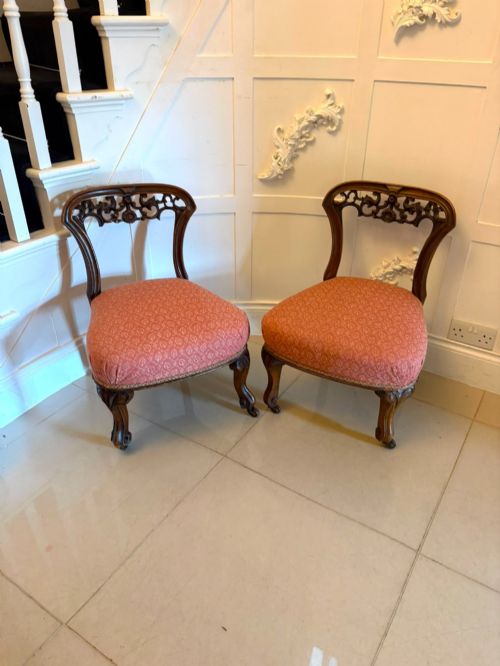
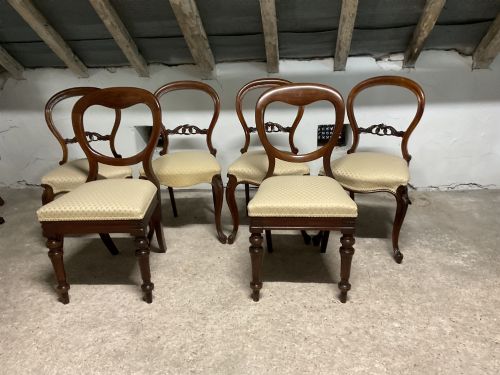
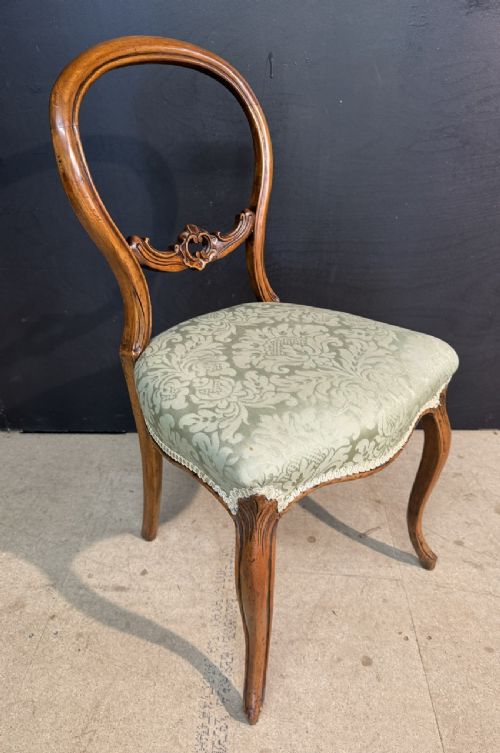
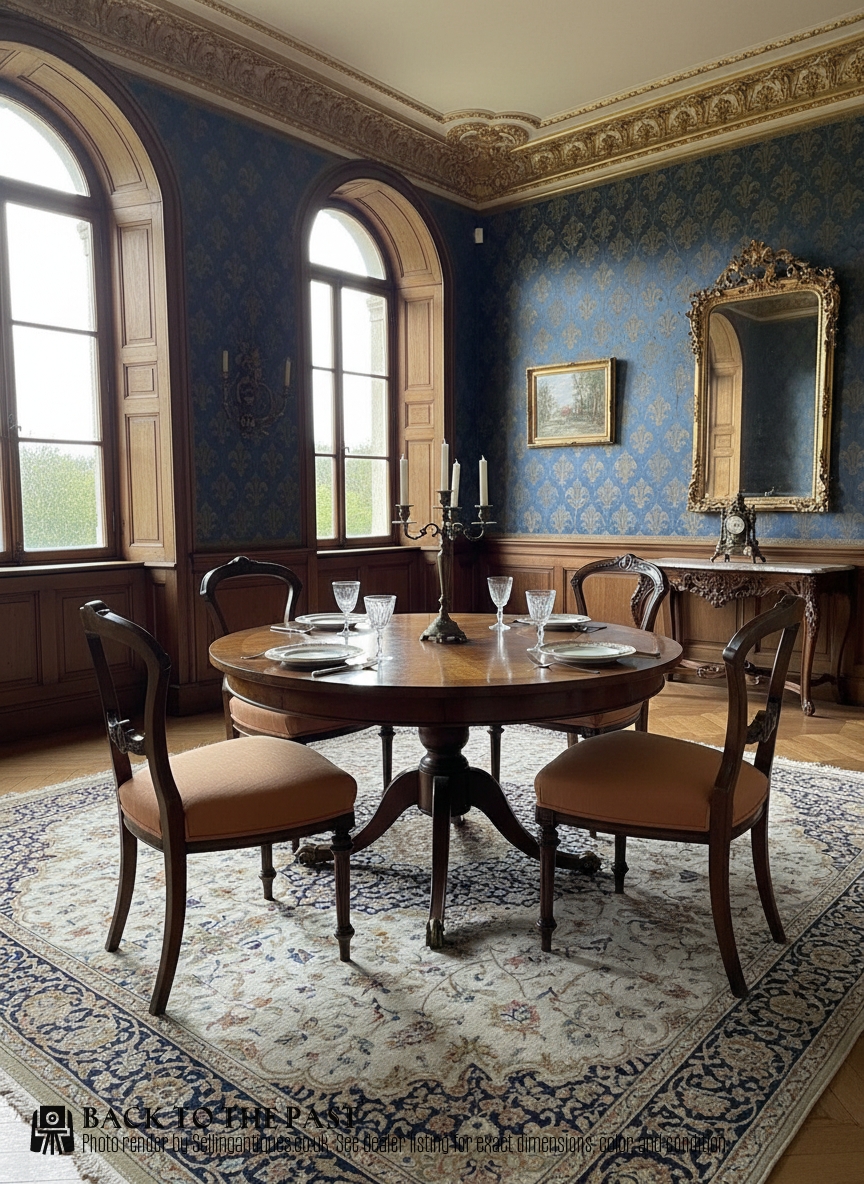
Victorian walnut side chairs represent a diverse group of nineteenth-century seating designed primarily for dining rooms, drawing rooms, and bedrooms. The selection on this page frequently includes balloon back and carved dining sets alongside individual salon, hall, and nursing chairs.
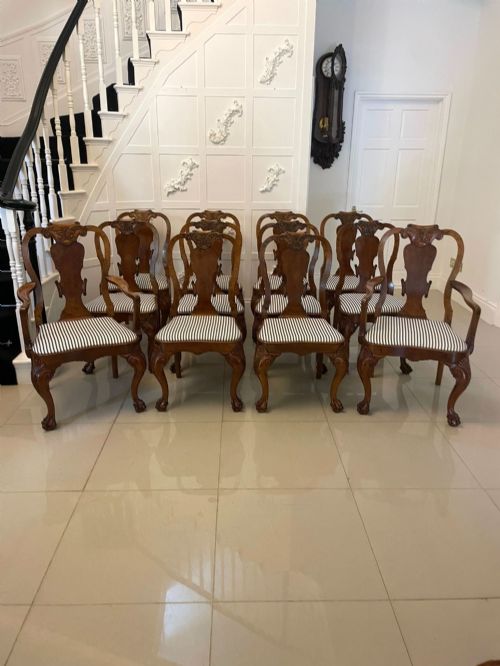
Makers of the period produced these seats in various revivals, including Rococo Revival, Renaissance Revival, and the Aesthetic Movement. Buyers will encounter both single chairs and matching sets ranging from pairs up to twelve pieces.
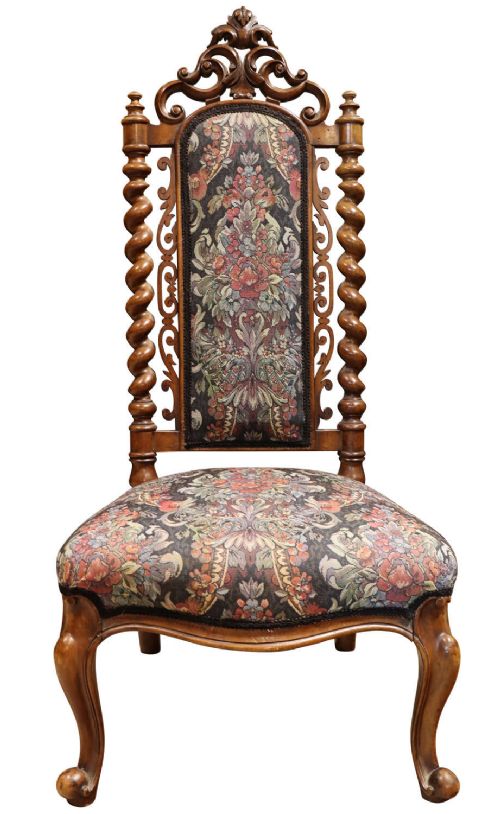
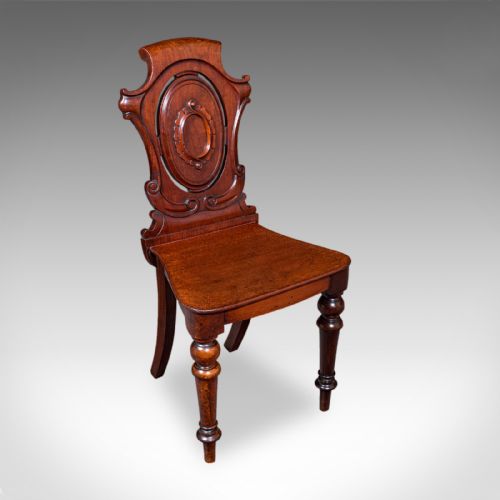
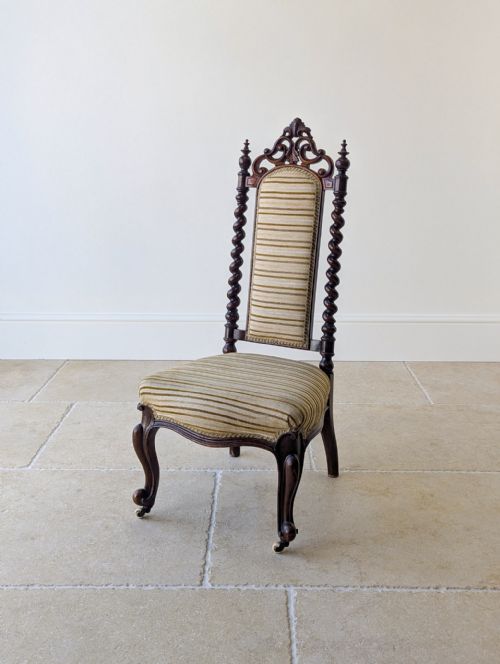
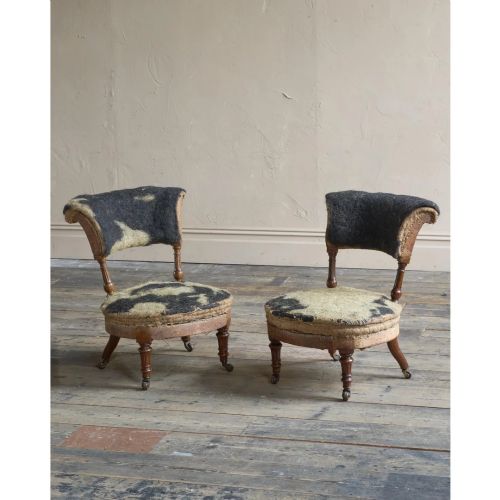
The form encompasses standard side chairs alongside specialised variants like shield back reception seats, low nursery chairs, and cabriole-legged desk chairs. Walnut serves as the unifying primary timber across these diverse stylistic expressions.
How they were made
Cabinet makers utilised solid walnut and burr walnut veneers over secondary timbers, often shaping frames with intricate hand-carved ornamentation. Many examples feature slender cabriole legs, barley twist supports, or moulded balloon backs.
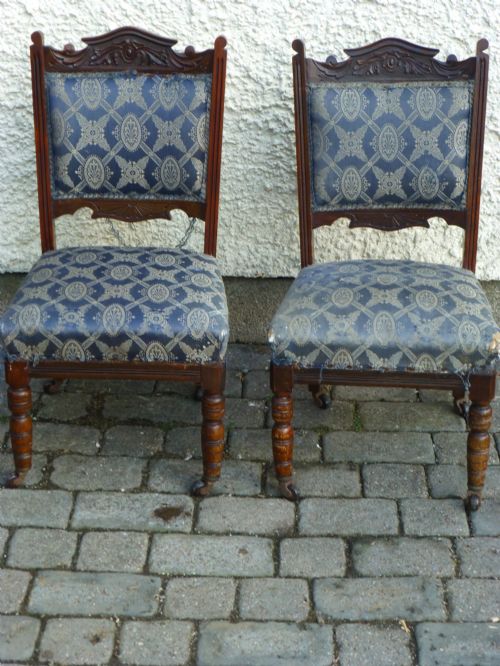
Upholstery techniques varied widely according to function, employing traditional stuffing and springs covered in contemporary tapestry, velvet, leather, or specialised textile fabrics. Brass castors and decorative tacks frequently completed the lower frames of heavier parlour and salon seating.
Victorian Walnut Side Chairs Retail Price Guide 2026
Typical asking prices for victorian walnut side chairs among the pieces listed under this phrase on Sellingantiques today, from the lower quarter to the upper quarter. They describe what is for sale here now, not the wider market.
One child's barley twist chair from eighteen sixty proves that Victorian toddlers dined with extremely serious posture.
What varies in quality
The distinction between ordinary and exceptional seating lies in the depth and crispness of the wood carving, particularly on crest rails and cabriole knees. Superior examples display carefully matched burr walnut veneers and substantial, well-seasoned timber frames that remain rigid.
Originality of components, matching wood grain within a set, and the retention of period upholstery materials elevate certain pieces above standard production models. Sets exhibiting uniform ageing across every chair command greater appreciation than assembled groups.
Howard and Sons·Lamb of Manchester
The Victorian Walnut Side Chairs Glossary
- Balloon back
- A rounded, oval-shaped chair back resembling an inflated balloon that became immensely popular during the mid-nineteenth century. This distinctive curved profile offers ergonomic support while showcasing the grain of the walnut timber.
- Cabriole leg
- A furniture leg that curves outward at the knee and tapers inward toward an ankle or foot, inspired by animal limbs. This graceful form appears frequently on mid-century revival seating.
- Aesthetic Movement
- A late nineteenth-century design style emphasising simplicity, geometric lines, and artistic reform over heavy historical revivals. Pieces from this movement often feature simplified profiles and distinct decorative motifs.
- Hall chair
- A rigid wooden seat traditionally placed in entrance halls, frequently featuring carved crests or shield backs without upholstered padding. These sturdy pieces were built to withstand minimal daily wear.
Victorian Walnut Side Chairs: Frequently Asked Questions
Were these chairs used only for dining?
While many examples on this page are dining chairs, the category encompasses diverse forms designed for specific domestic spaces. Parlour, salon, and bedroom chairs served entirely different functions around the Victorian home.
Shorter nursing chairs accommodated ladies sitting near hearths, whilst hall chairs provided formal seating in reception areas. Each variant reflects the strict spatial hierarchy of nineteenth-century interior domestic life.
How do I spot the difference between early and late Victorian styles?
Early Victorian and mid-century examples tend to display exuberant Rococo Revival curves, heavy carving, and rounded balloon backs. Walnut timber in these pieces is frequently shaped into elaborate cabriole forms and floral motifs.
Later nineteenth-century pieces often reflect Aesthetic Movement influences or stricter geometric revivals. The carving becomes more linear and stylized, moving away from naturalistic floral exuberance toward restrained artistic expression.
How should I care for antique walnut wood?
Antique walnut requires stable indoor humidity levels away from direct heat sources and strong sunlight to prevent the timber and veneers from drying out. Periodic dusting with a soft, dry cloth maintains the surface finish without applying heavy chemical polishes.
Upholstered sections benefit from gentle vacuuming using a low-suction attachment protected by mesh. Preserving the original polish involves minimal intervention and careful handling of joints during relocation.