
Brown Velvet Chairs
Brown velvet chairs bring warmth and tactile depth to a room, uniting functional seating with rich textile history across centuries of design.
Brown Velvet Chairs
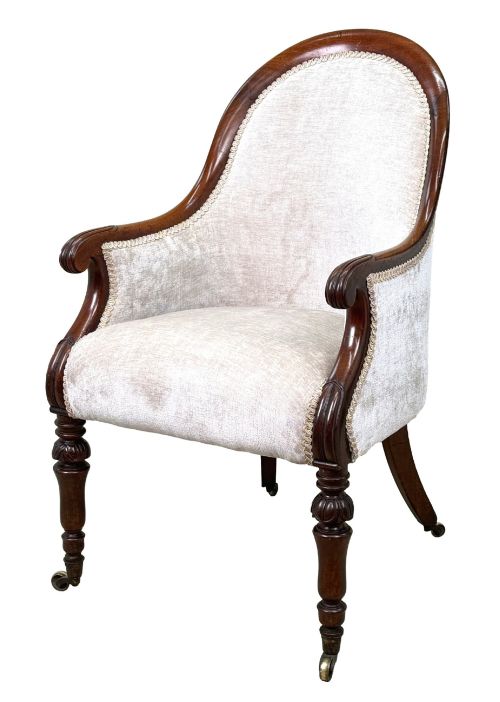
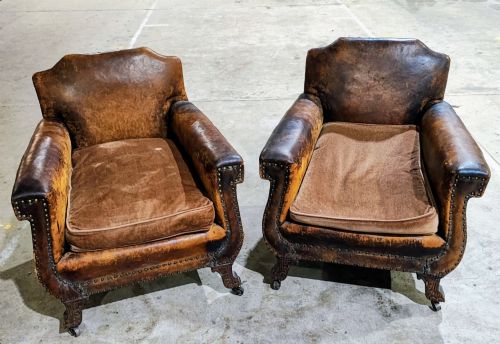
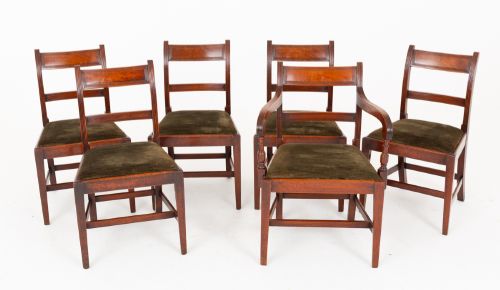
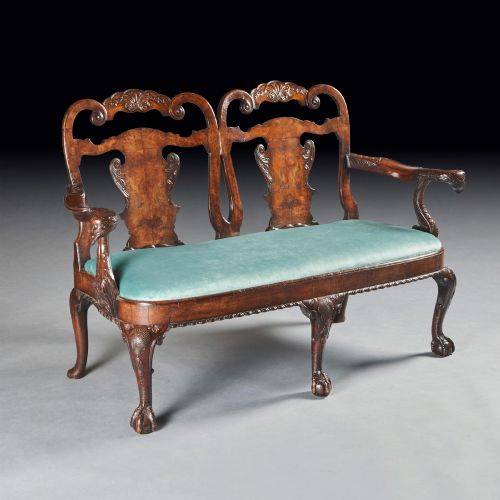
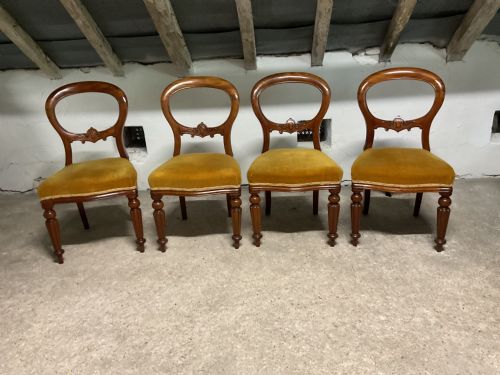
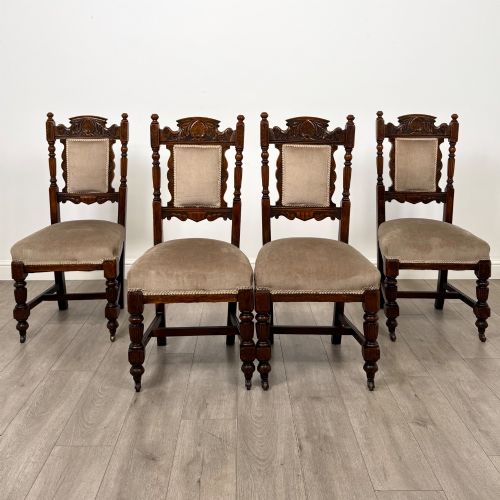
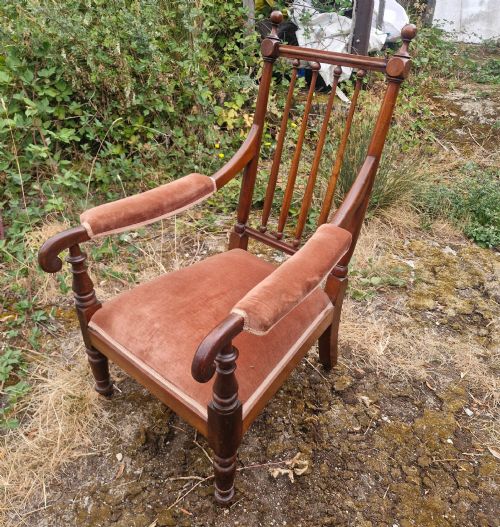
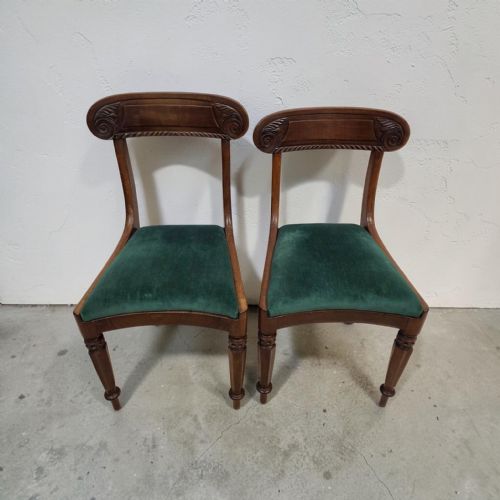
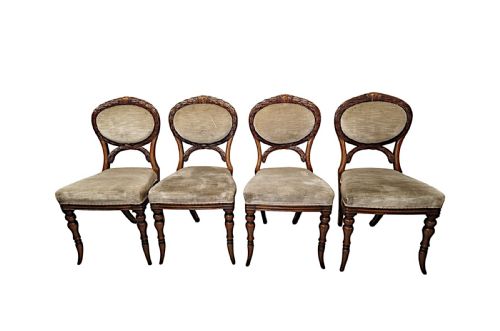
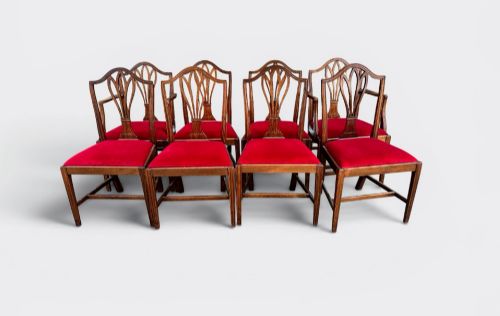
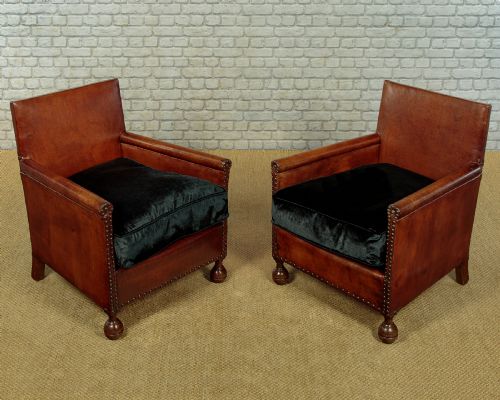
Brown velvet chairs encompass a diverse selection of seating forms spanning the Georgian, Victorian, Regency, and Art Deco periods. Buyers searching for brown velvet chairs will encounter various iterations including dining chairs, armchairs, nursing chairs, and desk chairs designed for different rooms in the home.
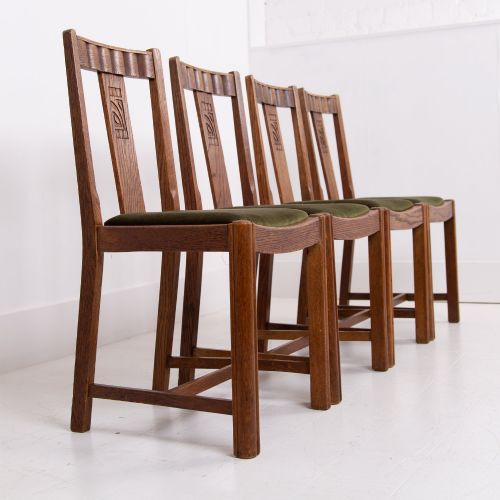
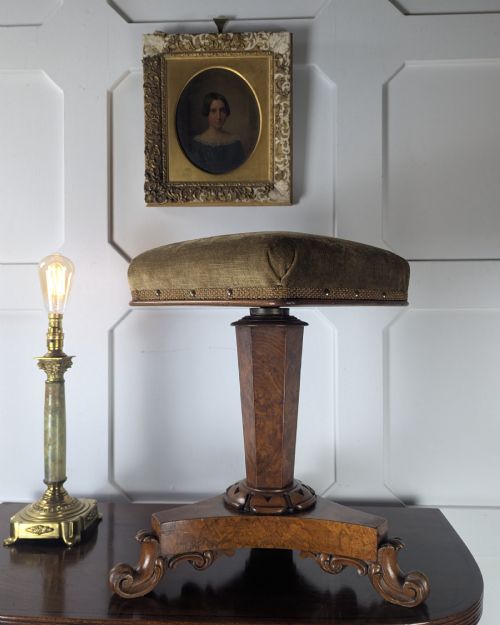
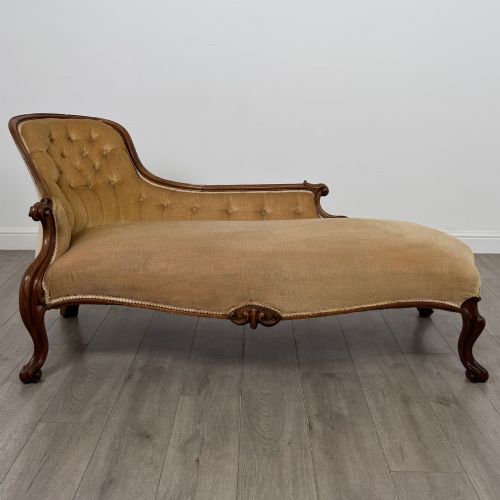
The evidence shows timber frames predominantly constructed from mahogany, walnut, and oak, paired with soft fabric upholstery. These pieces range from formal dining sets to individual library armchairs, chaise longues, and piano stools.
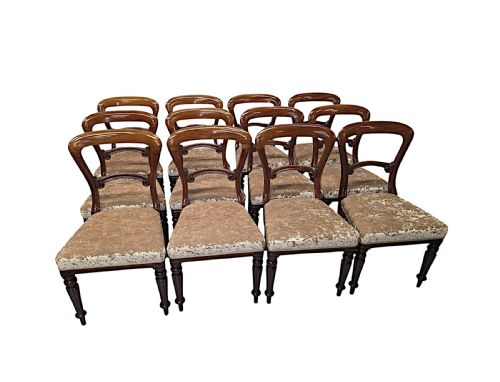
Victorian and Regency examples appear frequently among these listings, offering classic silhouettes such as balloon backs, bar backs, and tub library armchairs. Buyers find both single statement pieces and matched sets suitable for practical daily use or formal interiors.
How they were made
Makers utilised solid timbers such as mahogany, walnut, and oak to build robust structural frames for these chairs. Joinery techniques varied by period, supporting both carved wooden details and upholstered elements.
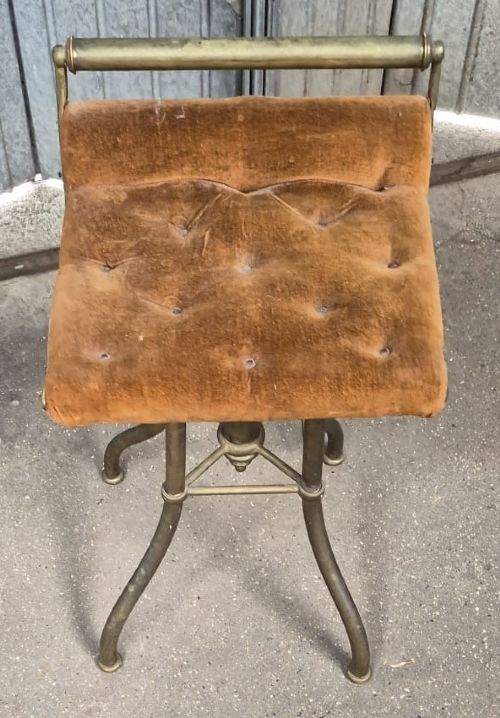
Upholstery relied on textile fabrics including velvet, supported by traditional stuffing methods and occasional brass detailing or iron frames. Textile coverings were secured directly to wooden frameworks, drop-in seats, or specialised brass-framed structures.
Brown Velvet Chairs Retail Price Guide 2026
Typical asking prices for brown velvet chairs among the pieces listed under this phrase on Sellingantiques today, from the lower quarter to the upper quarter. They describe what is for sale here now, not the wider market.
Even harpists need a seat, as proved by the Victorian brass-framed upholstered stool designed specifically for musicians.
What varies in quality
The standard of timber selection and the crispness of carved details distinguish finer examples from standard production. Cabinetmakers who worked with figured walnut, solid oak, or dense mahogany achieved superior structural integrity and visual depth.
The execution of the upholstery work and the preservation of the original wooden frame condition determine the overall merit of each piece. Surviving maker stamps, attributed workshop origins, and harmonious proportions elevate specific chairs within their respective periods.
Gillows·Strahan·James Shoolbred·Robert Kime
The Brown Velvet Chairs Glossary
- Velvet
- A woven tufted fabric with a dense pile that gives a distinct soft texture. It serves as the primary textile covering for the upholstered seats found in this selection.
- Mahogany
- A durable hardwood commonly utilised for furniture frames across the Georgian and Victorian eras. Its rich reddish-brown tone complements darker textile upholstery.
- Balloon back
- A rounded, oval-shaped chair back design popular during the Victorian period. This profile appears frequently in dining chair sets from the nineteenth century.
- Bar back
- A horizontal wooden splat design integrated into the upper section of a dining chair frame. Regency examples often incorporate this stylistic feature.
- Tub armchair
- A fully upholstered seating form with a continuous curved back and armrests forming a barrel shape. These pieces provide enclosed support for library and study settings.
Brown Velvet Chairs: Frequently Asked Questions
Are these chairs suitable for daily dining use?
Many of the listed dining chairs and sets are constructed from durable hardwoods like mahogany and oak, making them practical for everyday seating. Their sturdy frames support regular use while retaining their period character.
Buyers should examine the structural stability and upholstery condition of individual sets to ensure they meet modern comfort requirements for dining rooms.
How do I identify a Regency period chair?
Regency chairs often feature distinct stylistic markers such as reeded legs, bar backs, or rope backs reflecting early nineteenth-century design trends. Timbers like mahogany predominate in these pieces.
Comparing the specific joinery and leg profiles against established nineteenth-century examples helps confirm the period of manufacture.
What is the difference between a nursing chair and a side chair?
Nursing chairs are traditionally built lower to the ground with supportive upholstered backs, designed originally for comfortable seating in private rooms. Side chairs are taller, lighter, and typically feature rigid wooden backs intended for general placement around a room or dining table.
Both forms utilise wood frames and textile upholstery but serve distinct functional roles within historic interior layouts.
Can I mix different wood tones with these chairs?
The listings include various timbers such as walnut, oak, and mahogany, each displaying distinct natural hues and grain patterns. Combining different wood finishes adds visual layering and historical depth to an interior scheme.
Matching the general period or silhouette often creates a more cohesive look than trying to match wood stains precisely.