
Victorian Walnut Pier Cabinet
A Victorian walnut pier cabinet brings slender, glazed display space to a drawing room wall, framed in rich timber.
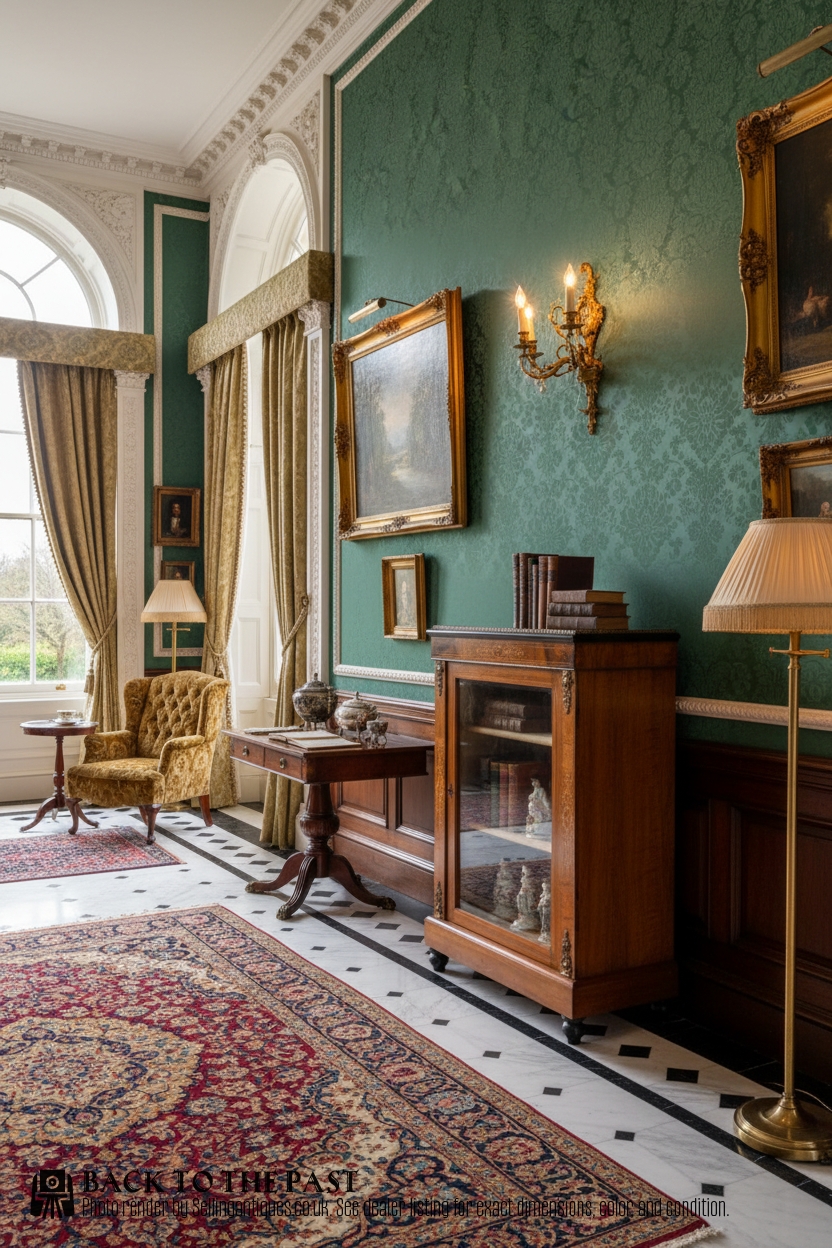
Victorian Walnut Pier Cabinet
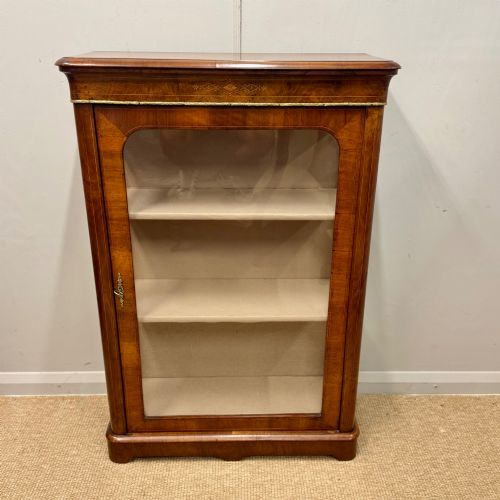
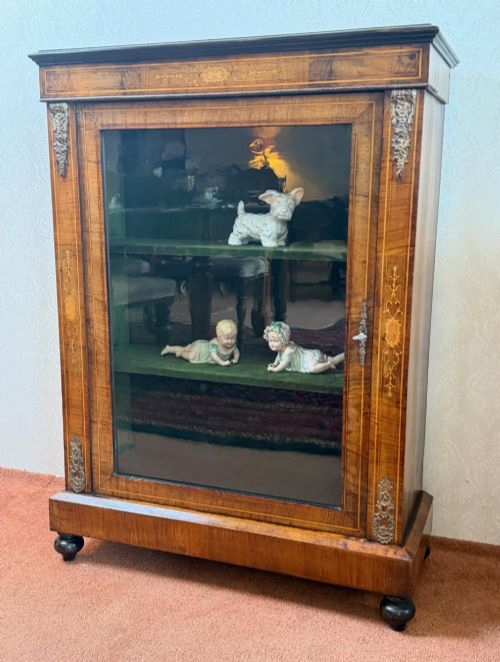
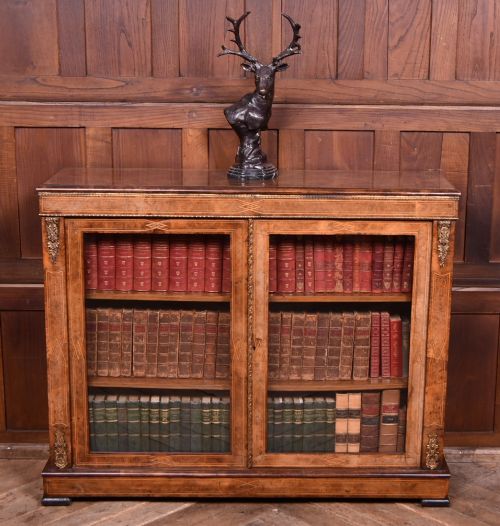
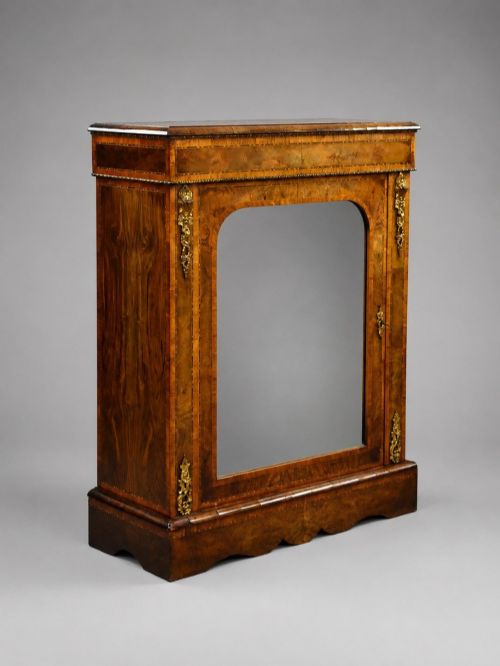
A Victorian walnut pier cabinet sits flat against the wall between windows, designed specifically to display porcelain and curiosities behind a single glazed door. These pieces emerge predominantly from the Victorian era, spanning decades from 1840 to the close of the nineteenth century.
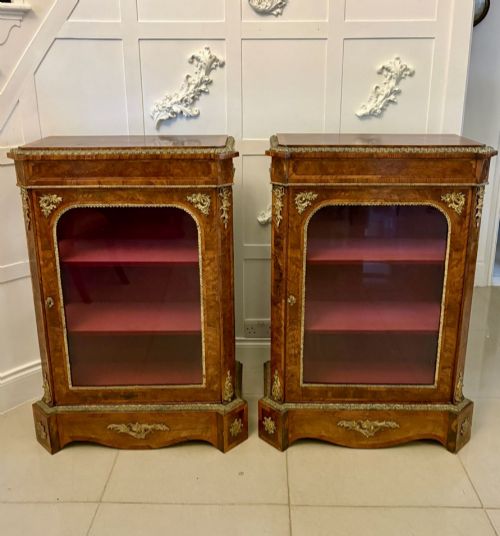
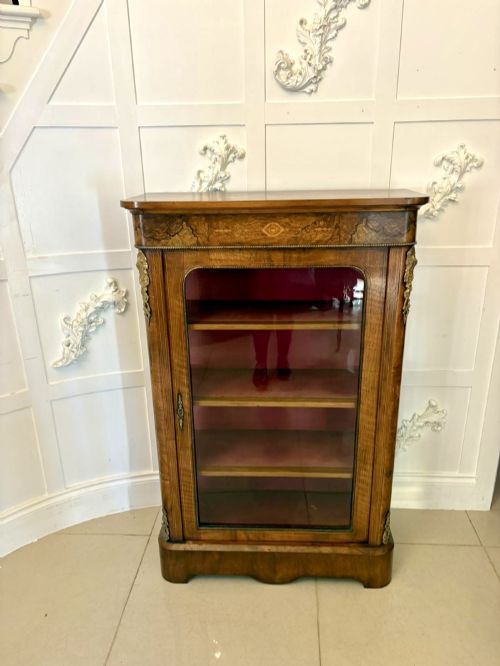
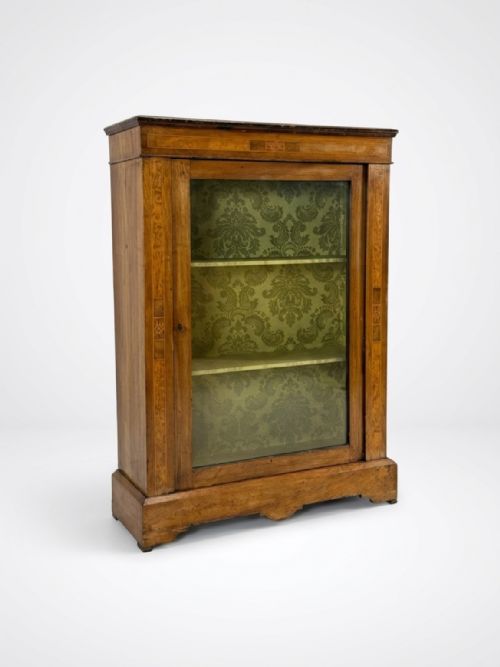
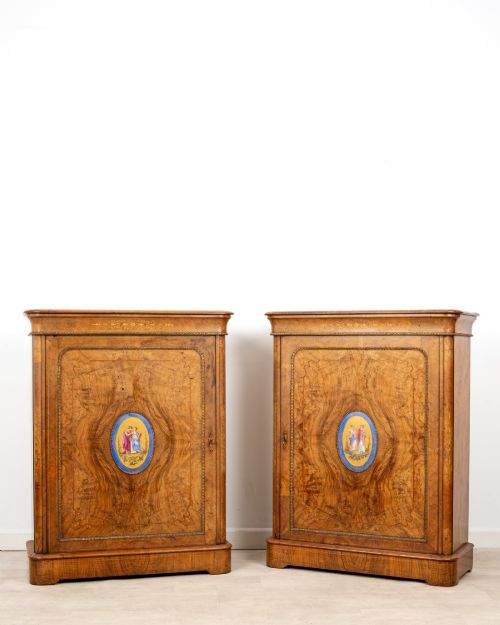
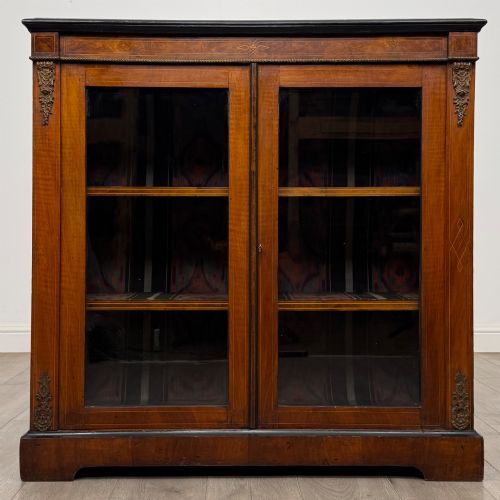
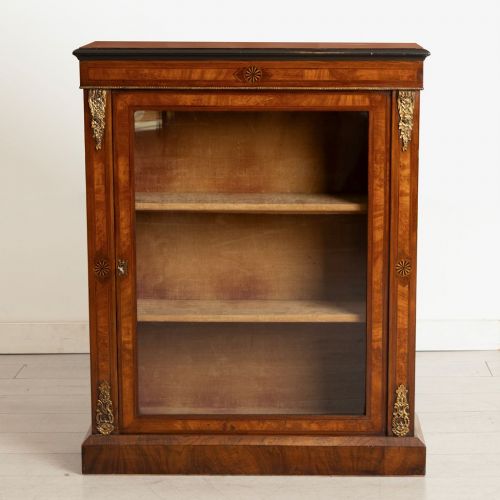
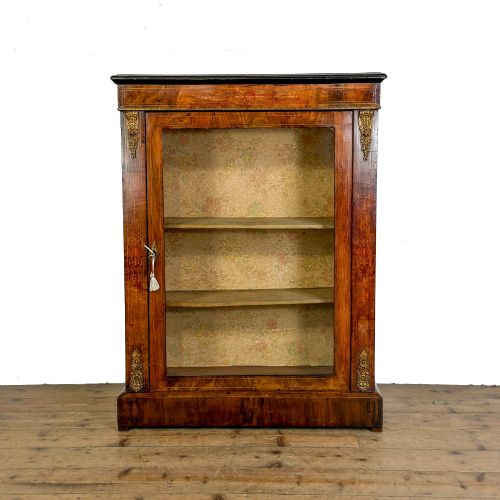
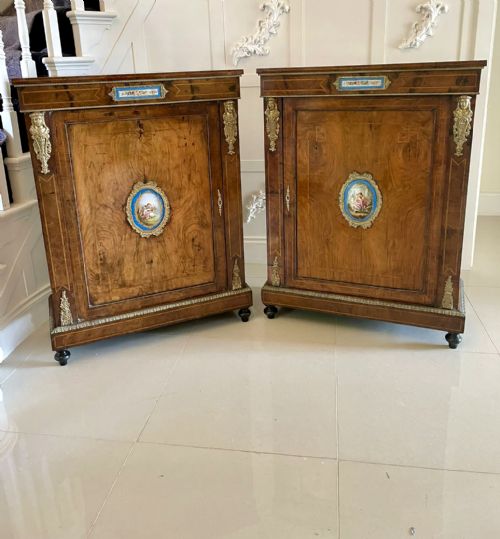
The standard form met on this page is a single-door upright display case in figured or burr walnut, frequently ornamented with delicate marquetry and gilt-metal mounts. Alongside single cabinets, pairs appear regularly, offering balanced symmetry for a formal interior.
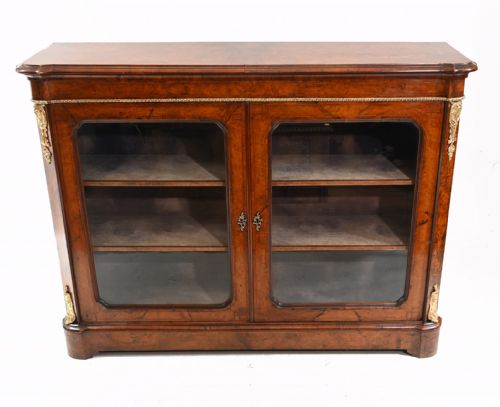
Makers and cabinetmakers of the nineteenth century built these display items to catch light in principal reception rooms. Their narrow proportions distinguished them from wider credenzas or sideboards, making them suitable for tighter architectural spaces.
Materials and construction
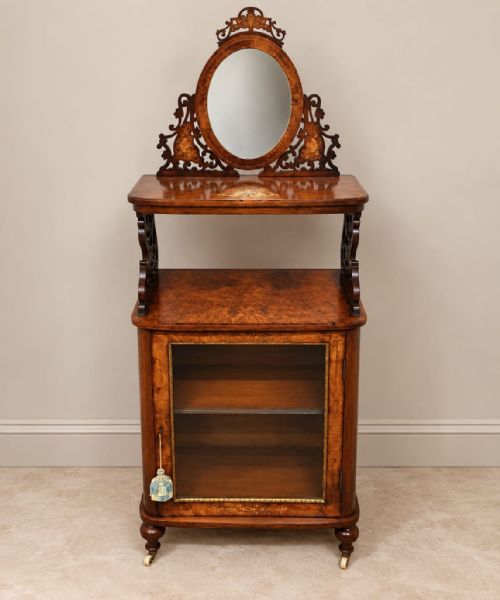
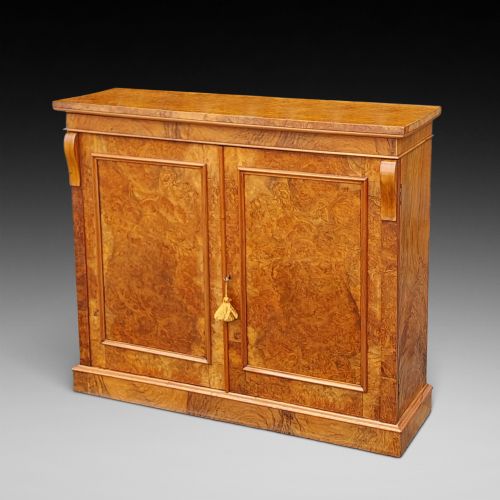
Cabinetmakers utilised walnut veneers, particularly highly figured burr walnut, laid over solid carcases to create rich, swirling grain patterns across the front doors and top surfaces. Crossbanding in contrasting timbers such as boxwood and ebony framed these figured panels with geometric precision.
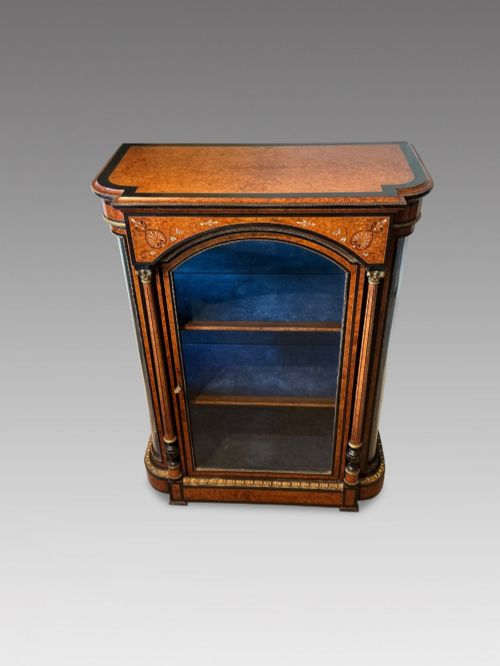
Gilded bronze mounts, known as ormolu, edge the glazed doors, upper friezes and base plinths to provide sharp metallic contrast against the dark wood. Interior shelves are lined with velvet, while porcelain plaques and marquetry inlay provide additional decoration to the exterior facade.
Judging the execution
Quality rests upon the choice of veneer and the crispness of the hand-cut marquetry inlay. Cabinets at the upper end display exceptionally figured burr walnut with seamless veneer matching across the entire front elevation.
The refinement of the cast ormolu mounts and the inclusion of painted porcelain plaques or Sevres-style inserts separate standard production items from exceptional showroom pieces. Superior examples exhibit tighter joinery, fine boxwood stringing, and heavy cast bronze rather than pressed brass.
The Victorian Walnut Pier Cabinet Glossary
- Pier cabinet
- A narrow display cabinet designed to fit the wall space between windows. These upright cases traditionally feature glazed doors to protect collections inside.
- Burr walnut
- A decorative timber sliced from walnut tree growths, producing swirling, knotty grain patterns. Cabinetmakers prized this veneer for principal furniture facades.
- Ormolu
- Gilded bronze ornamentation applied to furniture corners and panels. The metal is cast and finished by hand to add metallic highlights.
- Marquetry
- Inlaid pieces of wood, brass, or shell forming decorative pictures or patterns. Craftsmen fitted these thin veneers precisely into the cabinet carcase.
- Crossbanding
- A narrow strip of veneer laid around the border of a panel with the grain running at right angles to the centre. This technique frames the primary timber.
Victorian Walnut Pier Cabinet: Frequently Asked Questions
Where did these cabinets go in a Victorian home?
These pieces stood against the narrow wall sections between drawing room windows, known traditionally as the pier. This placement caught natural daylight to illuminate the porcelain and ornaments kept behind the glass.
Because floor space in these areas was limited, the furniture was built shallow and upright. They served as primary display units rather than functional storage.
What is the difference between a pier cabinet and a credenza?
A pier cabinet is tall and narrow, typically featuring a single glazed door designed to display ornaments in a tight wall space. A credenza is much wider, often low, and frequently includes multiple doors with central cupboard sections.
While both share nineteenth-century walnut construction and ormolu mounts, their room placement and scale differ entirely.
How can I date a walnut display cabinet?
Dating relies on observing the combination of woods, mounting styles, and construction traits recorded across the nineteenth century. Pieces from the middle decades often incorporate heavy ormolu and intricate marquetry, while later Victorian examples introduce ebonised details and aesthetic movement influences.
Examining internal carcase timbers and secondary woods helps confirm the period of manufacture.
Are these cabinets suitable for modern homes?
Their slender footprint makes them practical for contemporary rooms where floor space is limited. The glazed shelving provides secure display space for modern collections while retaining nineteenth-century character.
They function well in hallways, living rooms, and studies as focal display points.