

Victorian Wall Station
These pieces include fusee wall clocks, barometers and weather stations that bring practical timekeeping and forecasting into public spaces and homes.
Victorian Wall Station
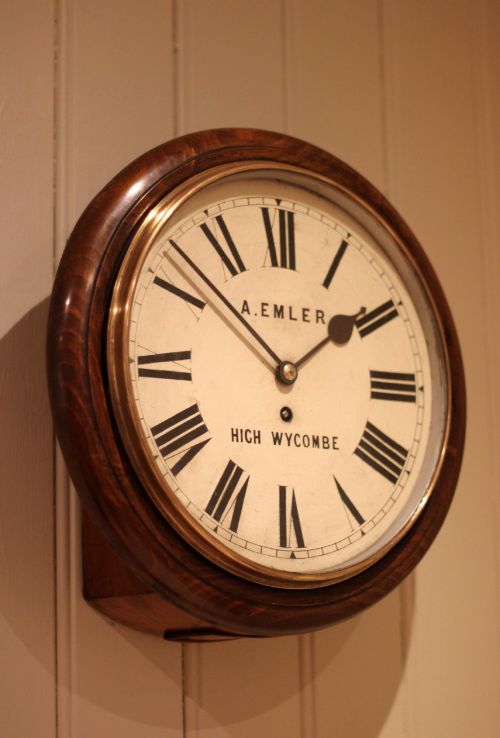
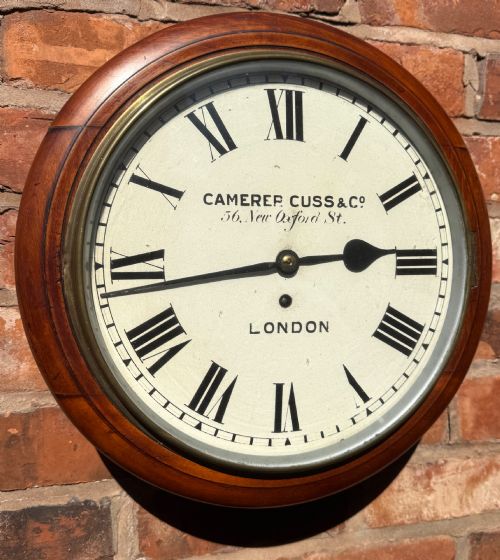
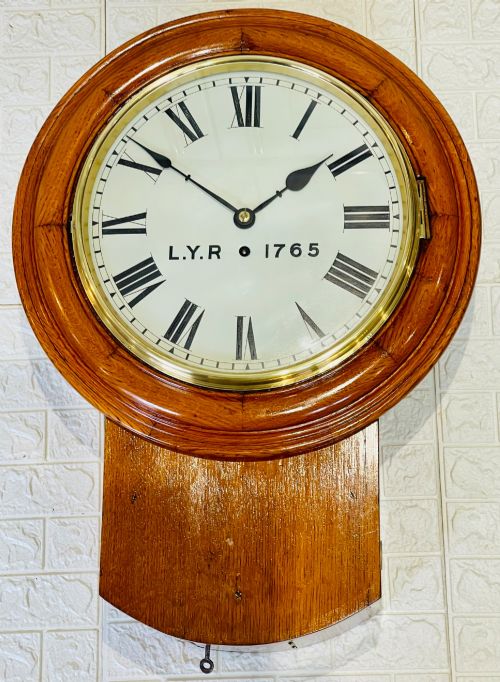
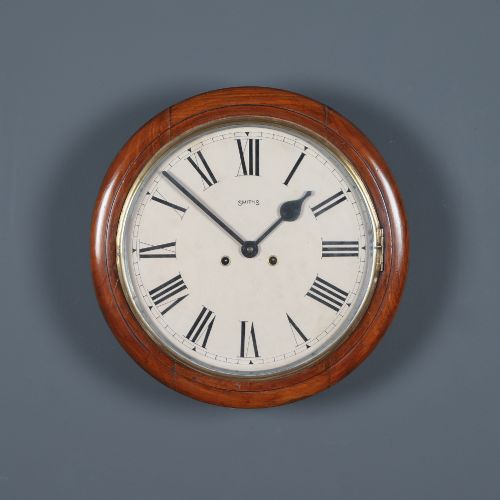
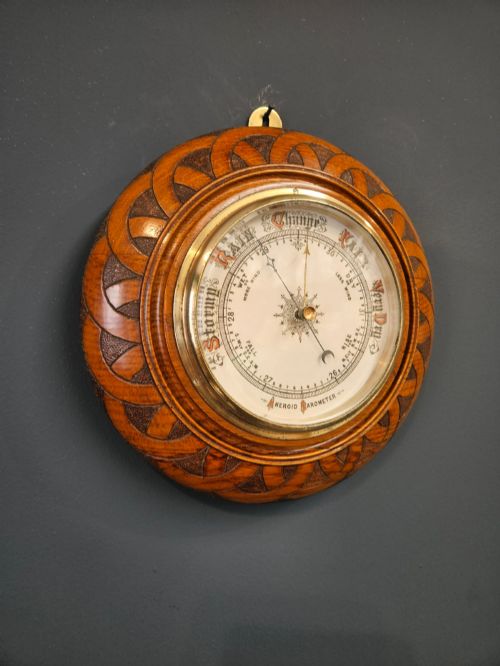
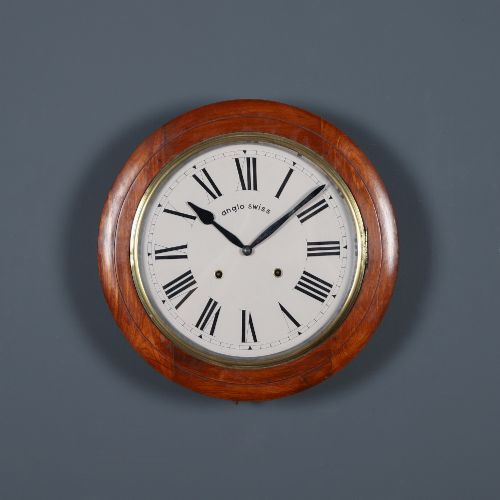
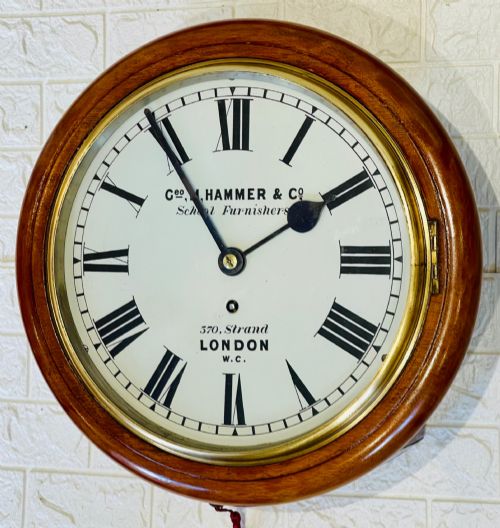
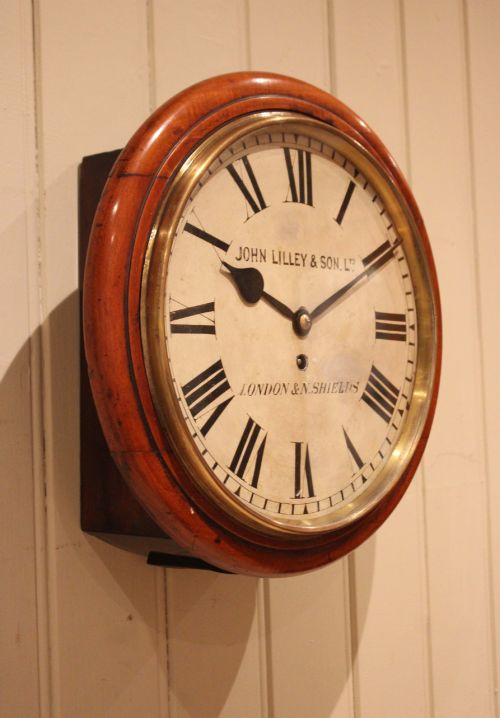
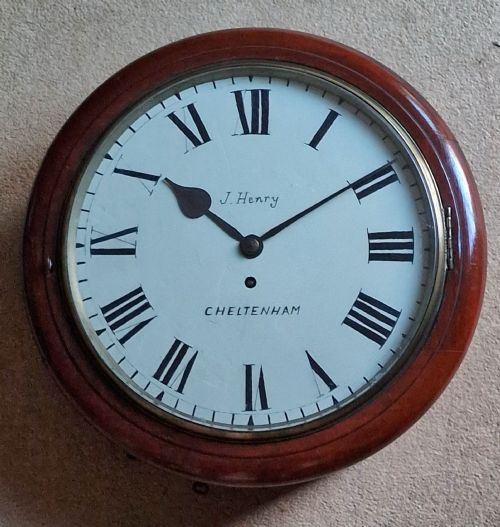
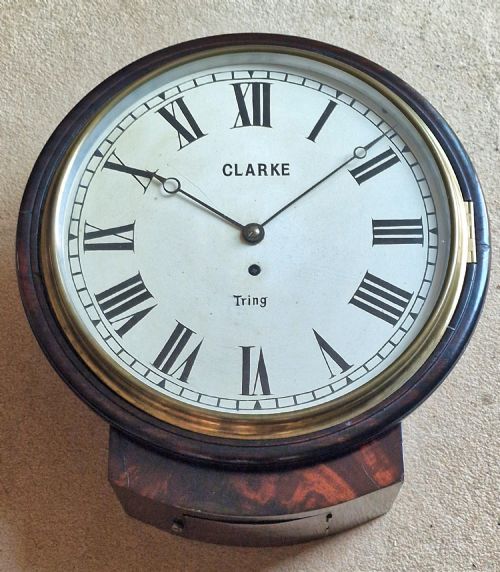
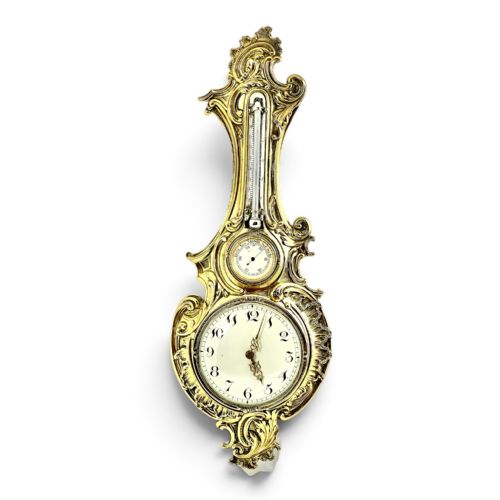
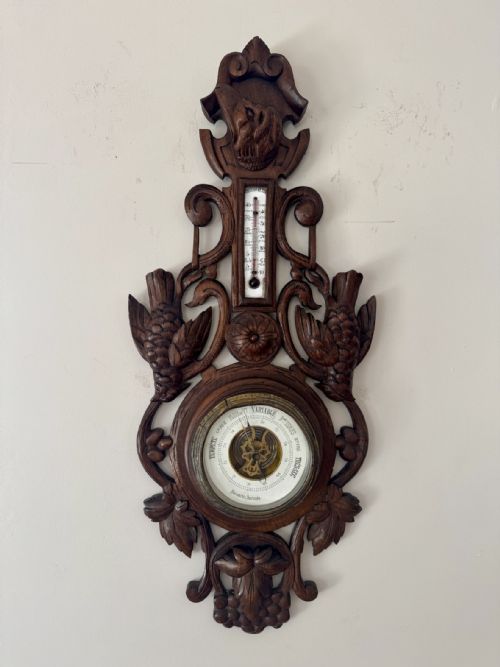
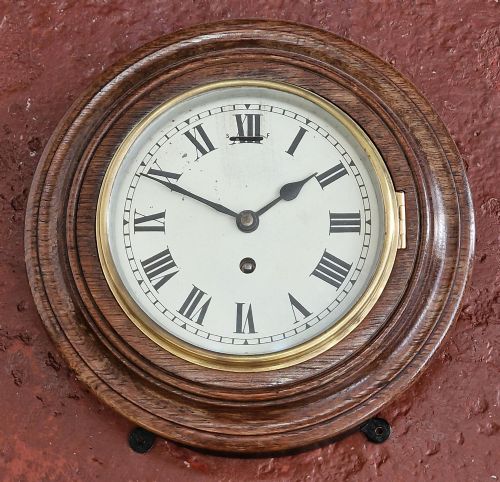
When you search for a victorian wall station, you encounter timepieces, barometers and weather instruments designed to hang firmly against interior surfaces. The most common survivals on this page are fusee dial clocks and aneroid barometers originating from railway offices, schools and domestic halls.
The material vocabulary centres on timber cases made from mahogany, oak and walnut, fitted with glass bezels and metal dials. These objects served utilitarian functions in transport hubs and public rooms before entering the antiques market as decorative wall fixtures.
Materials and construction
Clock makers housed movements inside sturdy timber housings turned or joined from solid oak, mahogany and rosewood to protect delicate gear trains from atmospheric changes. Fusee movements utilised chain or gut drives to maintain even tension on the mainspring as the power wound down, ensuring accurate timekeeping.
Barometers and weather stations combined carved woodwork with brass bezels, enamel scales and glass thermometer tubes to measure barometric pressure and temperature. Dial faces received hand-painted numerals and crisp lettering to remain legible from a distance in bustling railway environments.
Listings feature oak, mahogany, and walnut wall cases fitted with brass fusee movements and aneroid barometers from the nineteenth and early twentieth centuries.
Evaluating craftsmanship
Quality rests upon the crispness of the timber case carving, the execution of the dial lettering and the reputation of the maker inscribed on the movement. Higher grades feature solid mahogany or carved oak housings with robustly finished brass fusee movements rather than simpler mass-produced springs.
The presence of original enamel faces, undamaged glassbezels and documented railway provenance elevate an example above standard domestic counterparts. Subtle differences in bezel design, bezel locking mechanisms and timber selection separate utilitarian pieces from workshop masterworks.
Camerer Cuss And Co London·John Walker London·Wilh Lambrecht Gottingen Germany·William Tonks And Sons·Elliott Brothers London
The Victorian Wall Station Glossary
- Fusee
- A conical pulley used in clock movements to equalize the declining power of the mainspring. This mechanism ensures steady force is delivered to the escapement throughout the running cycle.
- Aneroid barometer
- An instrument that measures atmospheric pressure by the expansion and contraction of a flexible metal box. It contains no liquid, making it reliable for wall mounting.
- Drop-dial
- A clock case featuring a circular dial at the top above an elongated lower box that houses the pendulum. This shape allows weight-driven or long-drop fusee movements to hang securely on the wall.
- Bezel
- The ring of brass, wood or metal that holds the glass protecting the clock face or barometer dial. Hinged bezels allow easy access for setting hands or adjusting instruments.
Victorian Wall Station: Frequently Asked Questions
How do fusee wall clocks work?
A fusee clock relies on a spring-driven movement connected to a conical grooved pulley via a chain or cord. As the spring unwinds, the chain moves to a wider part of the cone, maintaining constant torque.
This clever mechanical adjustment counteracts the weakening force of the spring to deliver steady timekeeping over an eight-day period.
How do I read an aneroid barometer?
An aneroid barometer uses a pointer linked to a sealed metal capsule that flexes as air pressure shifts. Turning the secondary indicator needle allows you to track whether pressure rises or falls over the day.
Rising pressure generally indicates improving weather, while falling pressure suggests approaching rain or wind.
Are these clocks suitable for daily use?
Many surviving fusee wall clocks remain in working order and keep reliable time when properly mounted and maintained. Regular professional servicing helps preserve the delicate brass gears and chain drives.
Securing the heavy timber case directly into a wall stud ensures the mechanism hangs safely and functions correctly.