


Victorian Vanity Easel Mirror
These victorian vanity easel mirror pieces are decorative dressing table accessories designed to prop upright for grooming.
Victorian Vanity Easel Mirror
When you search for a victorian vanity easel mirror, you encounter small looking glasses designed to stand independently on a dressing table or chest of drawers. Most examples date from the nineteenth century, spanning various decades up to the end of the Victorian era.
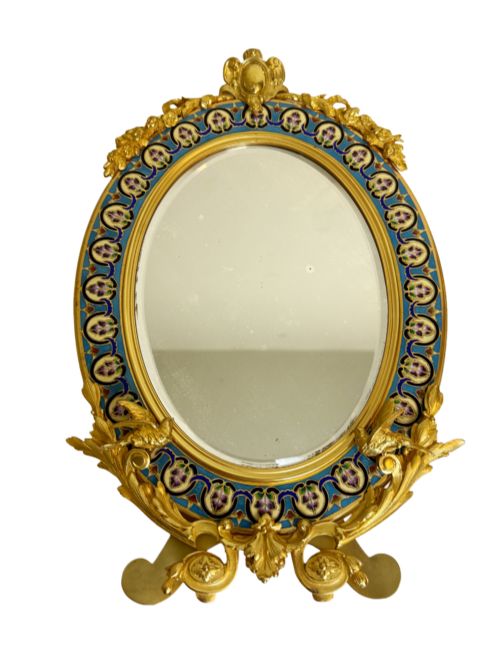
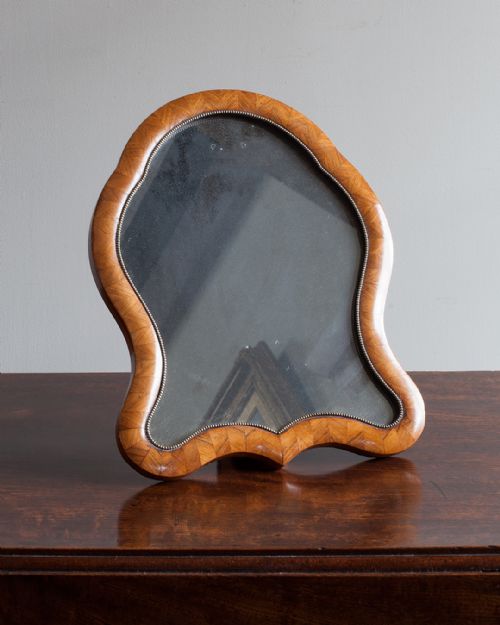
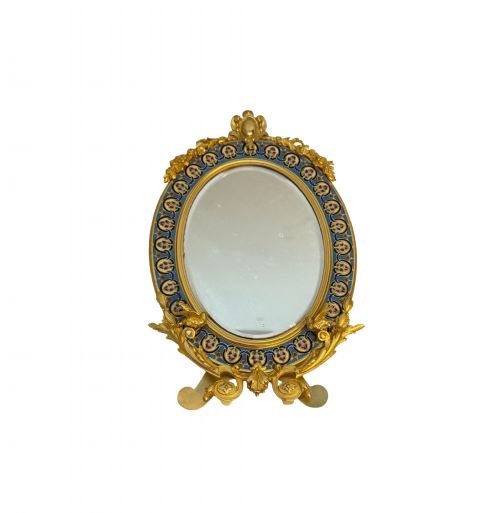
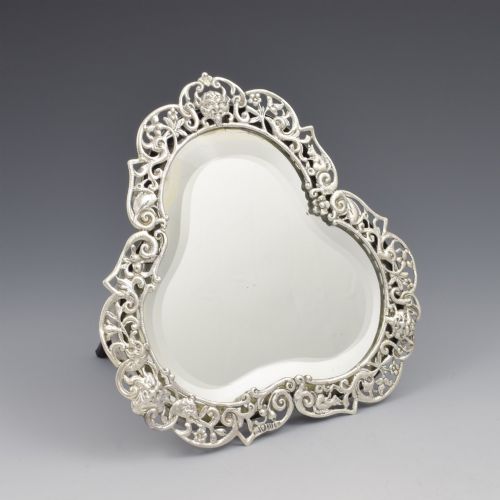
The selection includes dressing mirrors and table mirrors formed with hinged rear props for support. Forms range from simple wooden table mirrors to ornate French and continental pieces framed in gilt bronze, porcelain, and silver.
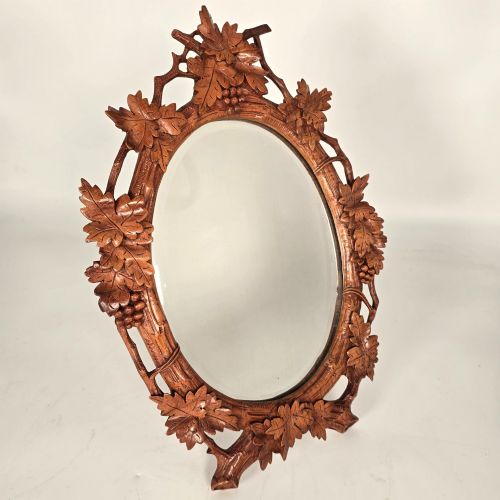
You will regularly find portable travel shaving mirrors alongside elaborate vanity mirrors featuring decorative frames. The surviving pieces show diverse stylistic influences including Rococo Revival, Renaissance Revival, and Black Forest carvings.
How they were made
Metal frames utilise cast brass, gilt bronze, and sterling silver, often combined with champlevé enamel work or pierced details. Silver components frequently display hallmarks indicating specific assay offices and dates.
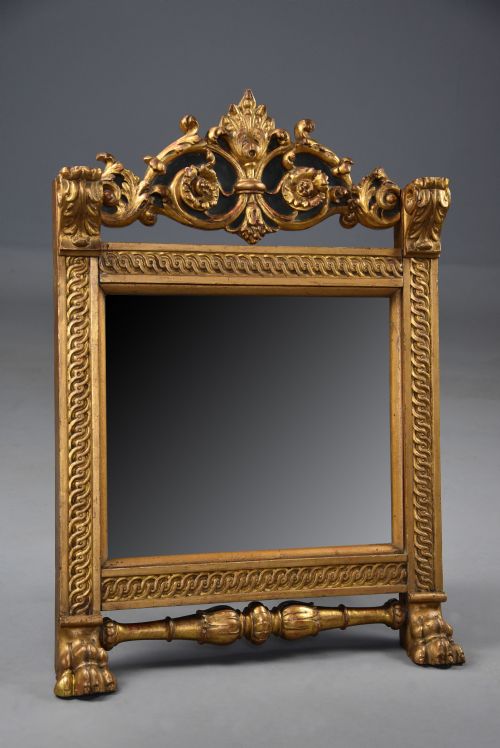
Wood constructions employ carved lime wood, kingwood, mahogany, and giltwood. Master artisans shaped these timbers using traditional joinery and detailed hand carving techniques.
Mirror glass is set within supportive backings, sometimes complemented by velvet panels or porcelain plaques from factories like Sitzendorf. Easel mechanisms rely on sturdy hinged metal or wooden struts attached to the rear.
A gentleman might pack his mahogany shaving mirror for a coach journey, ensuring his chin remained civilised far from home.
What varies in quality
The refinement of the decorative frame dictates the standing of a piece within the range. Finely chased gilt bronze, crisp hand carving in lime wood, and detailed silver piercing represent superior craftsmanship.
Material selection creates clear distinctions between standard and finer examples. Sterling silver mounts, intricate champlevé enamel, and hand-painted porcelain plaques elevate the standard well above plain brass or simple wood frames.
William Comyns·Henry Matthews·Sitzendorf
The Victorian Vanity Easel Mirror Glossary
- Easel mirror
- A looking glass supported by a hinged prop at the back allowing it to stand upright on a flat surface. This mechanism is common on dressing table mirrors.
- Champlevé
- An enamelling technique where troughs are dug into a metal surface and filled with vitreous enamel before firing. It appears frequently on gilt bronze frames.
- Gilt bronze
- Metal alloy coated with a thin layer of gold, providing a bright golden finish. This material was widely utilised in French nineteenth century mirror frames.
- Black Forest
- A style of wood carving originating from the European region of that name, typically featuring naturalistic animal and foliage motifs in lime wood.
Victorian Vanity Easel Mirror: Frequently Asked Questions
How do you clean silver mirror frames?
Use a soft cloth and a gentle silver polish suitable for antique items. Take care to avoid applying moisture directly to the mirror glass edge or the backing velvet.
Regular light dusting helps prevent tarnish accumulation on detailed mounts and pierced silver work.
Were these mirrors meant for travel?
Certain forms like mahogany shaving mirrors were constructed for portability during journeys. Most table mirrors remained stationary on dressing chests.
The folding easel support allowed users to adjust the viewing angle easily in different rooms.
How do you identify a Victorian date?
Examine the piece for British silver hallmarks which provide precise assay office locations and active years. Stylistic clues such as Rococo Revival curves also point to the period.
Construction methods and materials help narrow down the manufacturing decade when marks are absent.
What surfaces suit these table mirrors best?
Place them on stable dressing tables, chests of drawers, or vanity consoles where the easel prop has solid footing. Ensure the support strut rests securely to prevent tipping.
Direct sunlight should be avoided to protect velvet backings and sensitive enamel or porcelain elements.