
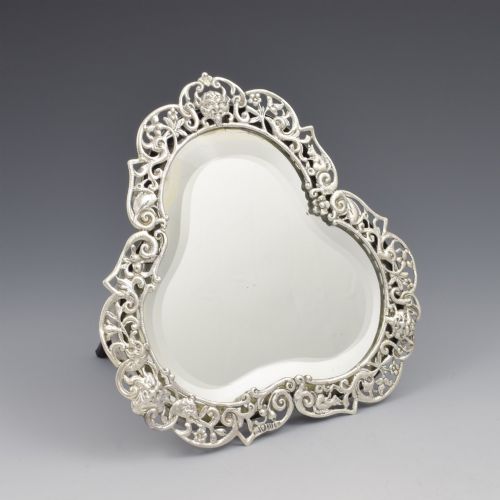


Art Nouveau Vanity Mirror
An art nouveau vanity mirror brings organic curves and flowing botanical motifs straight onto the dressing table.
Art Nouveau Vanity Mirror
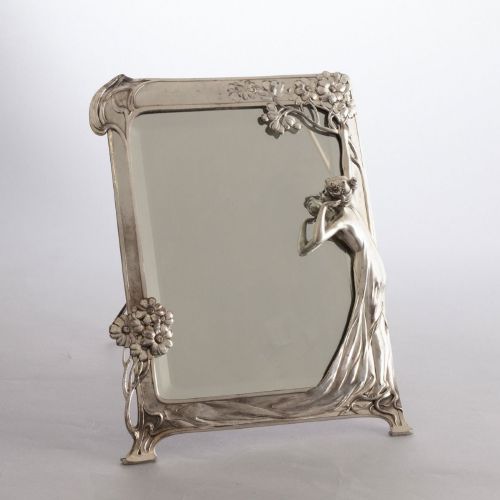
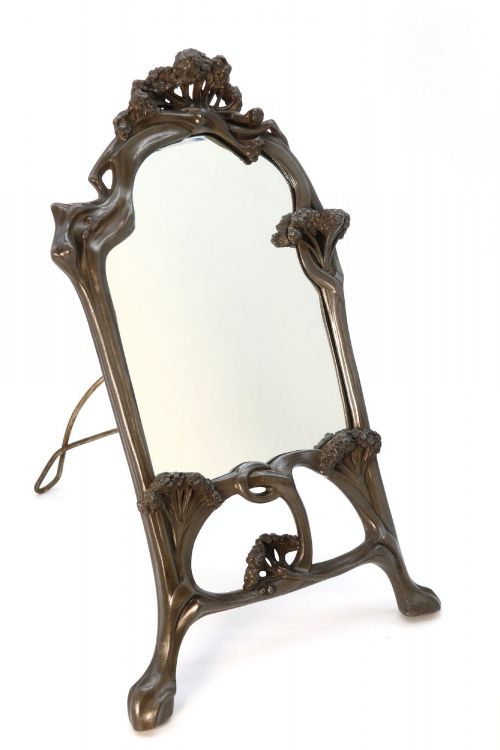
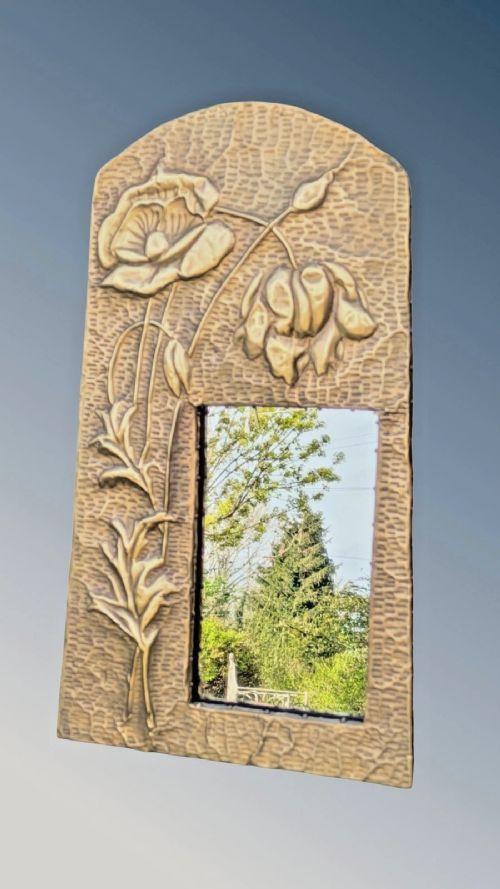
An art nouveau vanity mirror combines functional reflective glass with the sweeping, plant-inspired lines characteristic of the turn of the twentieth century. These pieces appear in tabletop easel formats, wall-hanging designs, and larger dressing table integrations from the late nineteenth and early twentieth centuries.
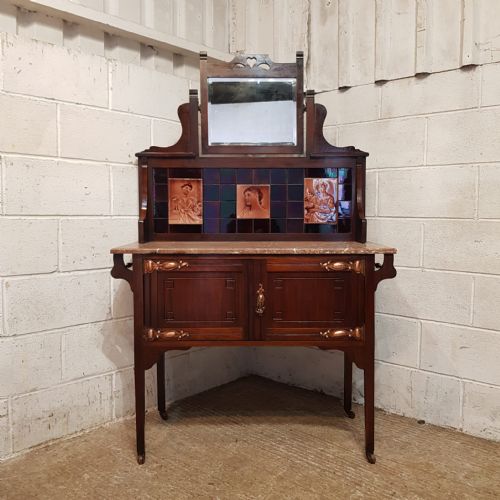
Makers utilised a variety of media, shaping portable table mirrors alongside larger mahogany and beech wood washstands. The selection on this page draws heavily from periods spanning the Victorian era through to the Edwardian years and the nineteen-twenties.
Buyers will encounter continental European works alongside British pieces, reflecting the international spread of the aesthetic. Smaller easel-backed items sit alongside substantial wooden dressing furniture fitted with swinging plates.
How They Were Made
Metalworking formed a central pillar of production, utilising cast brass, hammered copper, pewter, and silver plating to create sinuous plant stems and animal figures. Workshops shaped these metals using techniques such as piercing, stamping, and silvering to achieve relief ornamentation.
Cabinetmakers worked with hardwoods like mahogany and beech, carving organic motifs directly into the timber surrounds or mounting metal frames onto wooden panels. Glass was cut and bevelled to fit securely within these heavy metal or wooden armatures.
The inventory records table mirrors, wall mirrors, and washstands produced in Germany, France, and Britain.
What Varies in Quality
The sophistication of the casting and hand-finishing defines the upper tier of these mirrors, where metalwork shows crisp detail in foliage and animal figures without surface blurring. Heavier gauge metals and solid hardwoods indicate sturdiness compared to lighter stamped alternatives.
Makers' marks and stamps provide a clear indicator of origin, distinguishing factory production from workshop pieces. The clarity and preservation of the original glass mirror plate further separate everyday examples from superior survivals.
WMF·Louis Auguste Moreau·Liberty and Co
The Art Nouveau Vanity Mirror Glossary
- Spelter
- A zinc alloy frequently cast into sculptural figures and decorative mounts before being painted or plated to resemble bronze or brass. It provided workshops with a cost-effective alternative to heavier metals.
- Secessionist
- A stylistic offshoot of the movement characterised by geometric rigour alongside organic forms, often seen in continental metalwork. This approach favoured restrained linear patterns over excessive ornamentation.
- Bevelled glass
- A mirror plate with an angled edge ground down to a thinner profile around the perimeter. This technique adds depth and catches the light differently than flat-cut glass.
Art Nouveau Vanity Mirror: Frequently Asked Questions
How do I clean the metal frame?
Dust gently with a soft dry cloth to protect the surface finish and any patination accumulated over the decades. Avoid abrasive polishes that might strip silver plating or damage patinated copper and pewter.
Keep moisture away from the join between the glass plate and the frame to prevent backing deterioration. A mild microfibre cloth remains the safest option for regular upkeep.
Can I replace the mirror glass?
Replacing the glass is possible, though original bevelled plates carry historical value that collectors prefer to retain. Many surviving pieces retain their aged glass, which often shows characteristic foxing.
If replacement becomes necessary, source a specialist glazier to cut a plate matching the original thickness. Ensure the mounting clips or wooden backing secure the new glass without applying excessive pressure.
Where should I place a table mirror?
Position the piece on a sturdy dressing table, chest of drawers, or mantelpiece where the easel back rests securely. Ensure the support arm locks firmly into place to prevent accidental tipping.
Keep the mirror out of direct, prolonged sunlight to protect wooden frames and fabric or leather backings from fading. Adequate indirect light helps reflect the room while preserving the materials.
How do I identify the period?
Examine the construction methods, materials, and stylistic cues, noting whether the piece leans towards Victorian revival, Edwardian elegance, or early art deco influences. Hallmarks and maker stamps provide definitive dating clues.
Compare the metalwork techniques, such as hand-hammered copper versus machine stamping, to narrow down the decade of production. Beech and mahogany frames often reflect the prevailing furniture styles of their respective manufacturing eras.