



Victorian Silver Mirror
A victorian silver mirror brings nineteenth-century craftsmanship into a room, reflecting light through intricately embossed frames or grand overmantel glass.
Victorian Silver Mirror
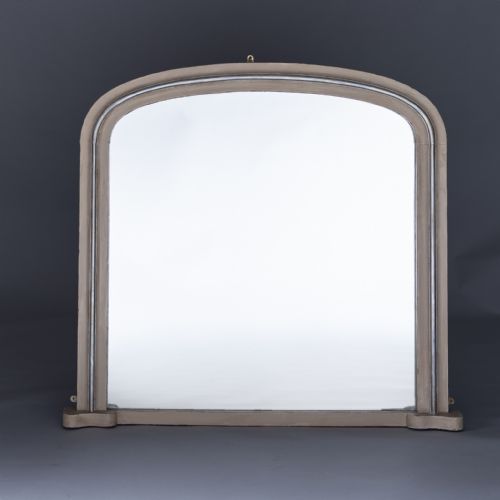
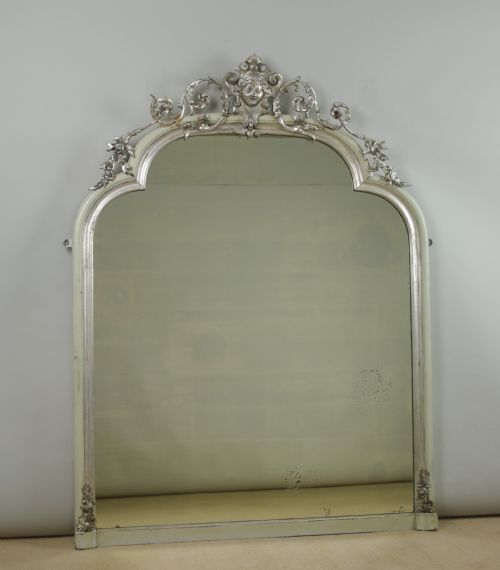
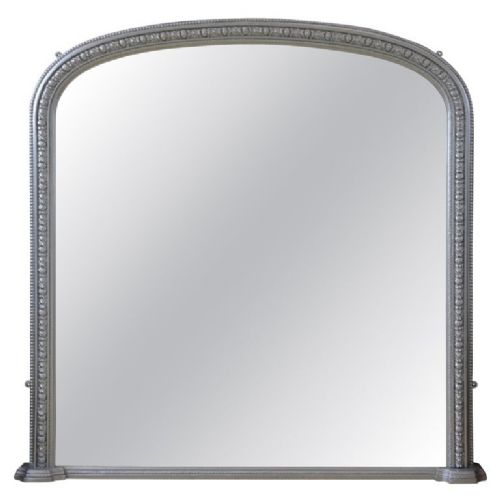
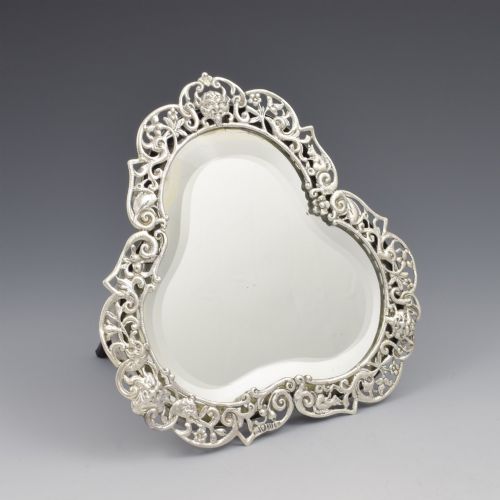
When exploring a victorian silver mirror, buyers encounter two distinct categories: substantial domestic overmantels with silvered finishes and smaller sterling silver dressing table items. These objects date from the nineteenth century, spanning decades of eclectic revival styles from rococo touches to aesthetic movement simplicity.
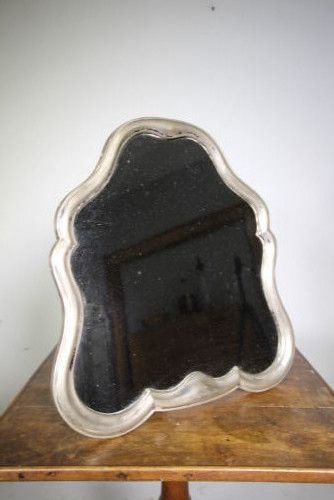
The larger architectural examples often feature painted and parcel-silvered wood designed to anchor a principal reception room. Conversely, the smaller dressing accessories and easel mirrors showcase the detailed metalwork typical of late Victorian vanity collections.
Materials and construction
Makers utilised solid sterling silver, silver plate, and silver gilt alongside structural woods such as oak, walnut, and ebonised timber. Overmantel versions frequently apply silver leaf and gesso over wooden frames to achieve their reflective surfaces.
Smaller tabletop pieces rely on robust easel backs, often supported by velvet or leather linings behind bevelled mirror glass. Silversmiths employed techniques like embossing and piercing to decorate frames with animal, bird, or cherub motifs.
Victorian Silver Mirror Retail Price Guide 2026
Typical asking prices for victorian silver mirror among the pieces listed under this phrase on Sellingantiques today, from the lower quarter to the upper quarter. They describe what is for sale here now, not the wider market.
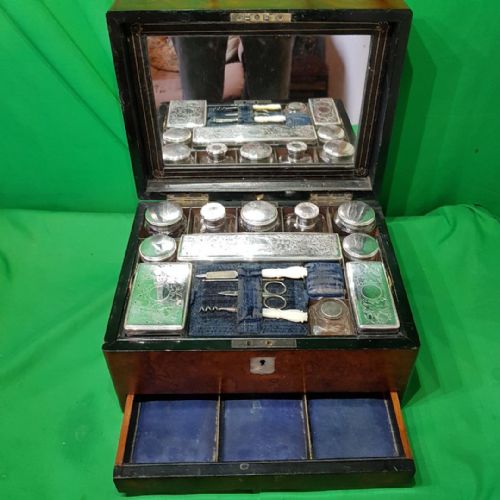
Listings feature diverse forms ranging from grand overmantel wall mirrors and tabletop plateaus to portable dressing box accessories.
Markers of distinction
The integrity of the original mirror glass and backing materials also dictates the standard of a piece. Original bevelled glass plates and intact wooden structures retain historical authenticity far better than heavily restored alternatives.
William Comyns·Henry Matthews·Jean Gille·Frederic Purnell
The Victorian Silver Mirror Glossary
- Overmantel mirror
- A large wall mirror specifically designed to hang above a fireplace mantelpiece. These pieces often feature archtop designs and silvered wooden frames.
- Easel mirror
- A portable tabletop looking glass supported by a hinged rear leg stand. These items were standard accessories on Victorian dressing tables.
- Sterling silver
- An alloy consisting of ninety-two point five percent silver by mass, meeting strict British hallmarking standards. It forms the primary metal for high-end vanity mirrors.
- Silver gilt
- Silver objects that have undergone a process of being thinly coated with gold. This technique adds warmth and richness to the metal surface.
- Silver leaf
- Extremely thin sheets of silver applied to gesso and wood frames. It provides the reflective metallic finish seen on large nineteenth-century wall mirrors.
Victorian Silver Mirror: Frequently Asked Questions
Where should an overmantel mirror be hung?
These large architectural pieces belong directly above a drawing room or dining room fireplace, echoing the proportions of the hearth below.
Securing them properly to the wall framing is essential given their considerable weight and substantial wooden construction.
How do I care for antique silver frames?
Dust the silver elements gently with a soft dry cloth, avoiding aggressive commercial polishes that can wear away thin silver plating or leaf.
Keep the mirrors away from damp environments to protect the original backing boards and prevent deterioration of the glass.
What is the difference between silvered and sterling?
Silvered typically describes wooden overmantel frames treated with metallic leaf, paint, or chemical solutions to create a reflective mirror-like finish.
Sterling denotes solid precious metal stamped with official assay office hallmarks indicating its exact metallic purity.
Are dressing table mirrors original?
Many smaller pieces retain their original easel backs, bevelled mirror glass, and velvet or leather lining components from the nineteenth century.
Examining the fixings and the backboards helps determine whether the glass and frame have remained together since manufacture.