



Silver Framed Table Mirror
A silver framed table mirror sits on a dressing surface to catch the light, offering both function and decorative weight from eras past.
Silver Framed Table Mirror
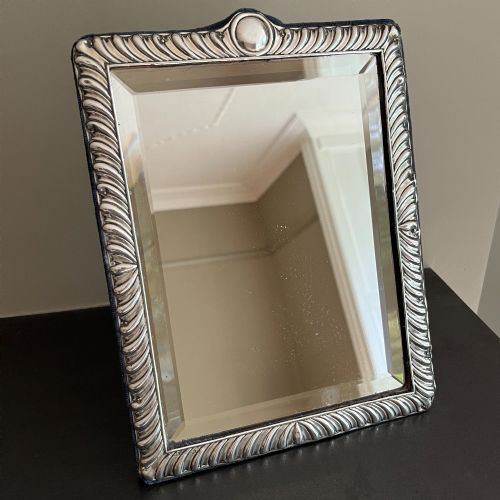
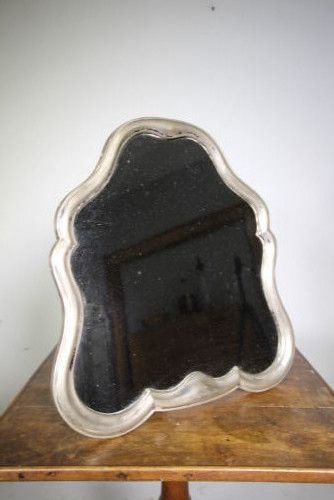
A silver framed table mirror brings reflective glass and metalwork together into a portable vanity piece designed to sit upon a dressing table or side surface. When exploring this selection, buyers encounter domestic accessories spanning the Victorian, Edwardian, and Art Deco periods, alongside mid-century examples.
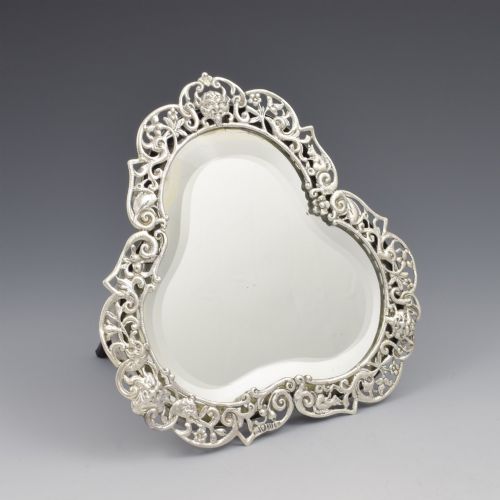
The physical formats vary from simple single glass panels with easel backs to more complex triptych arrangements and heart-shaped designs. Many examples serve a dual purpose as dressing table mirrors or vanity mirrors, often supported by wooden struts or velvet-backed stands.
Origins stretch across English workshops in Birmingham and London, alongside continental European makers and Peruvian silver examples from the mid-twentieth century. The dominant domestic styles reflect nineteenth-century Rococo Revival curves, Art Nouveau organic lines, and later geometric Art Deco forms.
Materials and construction
The primary structural elements combine mirror glass with sterling silver or silver plate, frequently mounted over supportive wooden carcasses. Velvet linings often back the easel stands, providing friction and protection when the mirror rests at an angle.
Silversmiths employed techniques such as piercing, embossing, and gilding to decorate the metal borders with animals, birds, and floral motifs. Chrome appears in later twentieth-century pieces, replacing traditional sterling silver mounts with durable industrial plating.
Listings feature items spanning the Victorian era through to the 1950s, utilising sterling silver, silver plate, chrome, and wood.
Factors of quality and finish
Quality reveals itself in the weight of the metal, the crispness of embossed or pierced decoration, and the integrity of the silver mount around the glass edge. Heavier sterling silver frames with deep, hand-worked ornamentation sit at the upper end of the scale compared to lighter plated alternatives.
The condition of the backing mechanism, whether wooden strut or easel leg, determines how well the mirror retains its intended angle over decades of use. Original bevelled mirror glass and clear hallmarks stamped into the silver further elevate the standing of a piece.
Henry Matthews·WMF
The Silver Framed Table Mirror Glossary
- Easel back
- A hinged hinged support attached to the reverse of a mirror frame allowing it to stand upright on a horizontal surface. This mechanism is usually covered in velvet or leather.
- Strut mirror
- A portable mirror held upright by a rear prop or strut rather than hanging on a wall. These pieces are designed specifically for dressing tables and sideboards.
- Triptych
- A three-panel mirror where the outer two wings hinge inward to adjust the viewing angle. This form provides multiple reflective surfaces for dressing.
- Silver gilt
- Silver that has been coated with a thin layer of gold on its surface. This technique adds a warm yellow tone to the metal frame.
- Hallmark
- An official stamp applied to precious metals indicating the standard of purity, the assay office, and the year of manufacture. These marks help date silver frames accurately.
Silver Framed Table Mirror: Frequently Asked Questions
How do I date a silver table mirror?
Dating relies heavily on the hallmarks struck into the silver frame, which indicate the assay office and year letter. Stylistic markers such as Art Nouveau whiplash lines or Art Deco geometry also point toward specific decades like 1900 or 1930.
Examining the construction of the wooden back and the type of mirror glass provides additional clues. Bevelled edges and original velvet linings often correspond to late Victorian and Edwardian manufacturing standards.
What is the difference between sterling silver and silver plate?
Sterling silver consists of a solid alloy containing a high proportion of pure silver throughout the entire frame. Silver plate involves a thin layer of silver bonded over a base metal foundation such as brass or copper.
Items made of sterling silver generally bear official hallmarks identifying the metal purity. Silver plated items often display maker marks that denote the plating technique rather than precious metal standards.
How should I clean a silver mirror frame?
Cleaning requires a soft microfiber cloth and a gentle silver polish formulated to remove tarnish without abrading the metal surface. Care must be taken to keep polish away from the mirror glass and the fabric backing.
For pieces with delicate embossed or pierced decoration, a soft-bristled brush helps lift residue from crevices. Frequent light dusting prevents heavy tarnish accumulation and reduces the need for aggressive cleaning.
Can these mirrors be hung on a wall?
Most silver framed table mirrors feature easel backs or wooden struts intended exclusively for horizontal table placement. Attempting to hang them by their stands risks damaging the hinge mechanisms.
Certain pieces may be adapted with secure professional wire, but their original design purpose remains tabletop use. Checking the reverse before hanging ensures the structural support can bear the weight safely.