


Victorian Urn Vase
A victorian urn vase brings neoclassical presence and formal symmetry to a room, combining classical proportion with nineteenth-century decorative arts.
Victorian Urn Vase
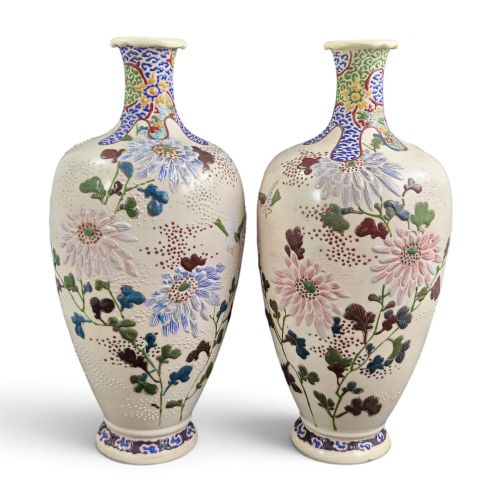
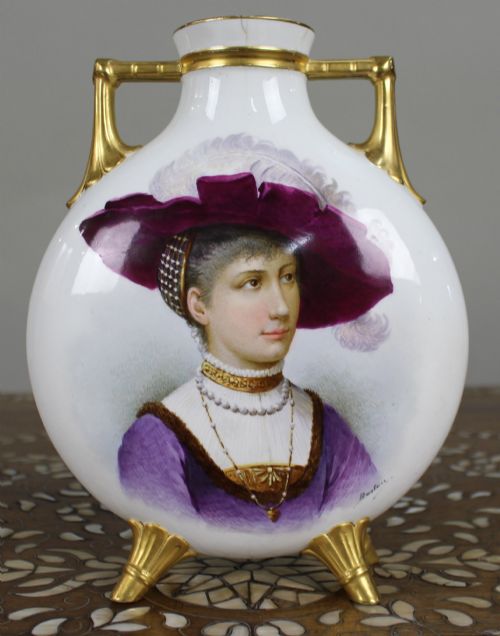
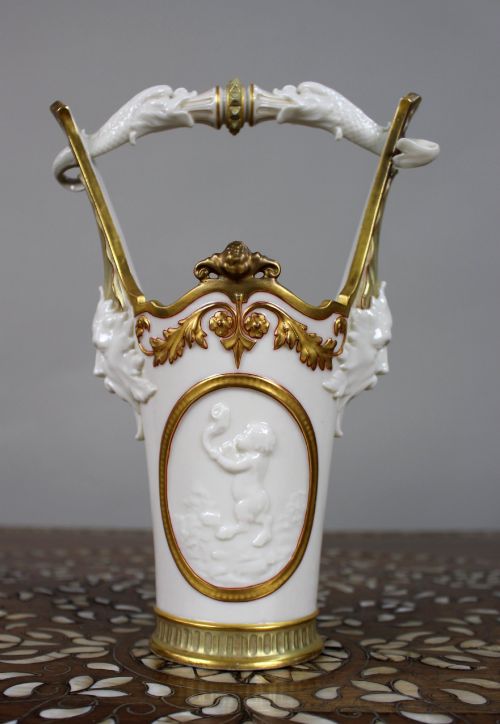
When searching for a victorian urn vase, buyers encounter a diverse range of ornamental vessels spanning decorative garden pieces, lidded potpourri pots, and table displays. The selection on this page bridges classical antiquity and nineteenth-century manufacturing, reflecting both European ceramic traditions and Japanese export ware.
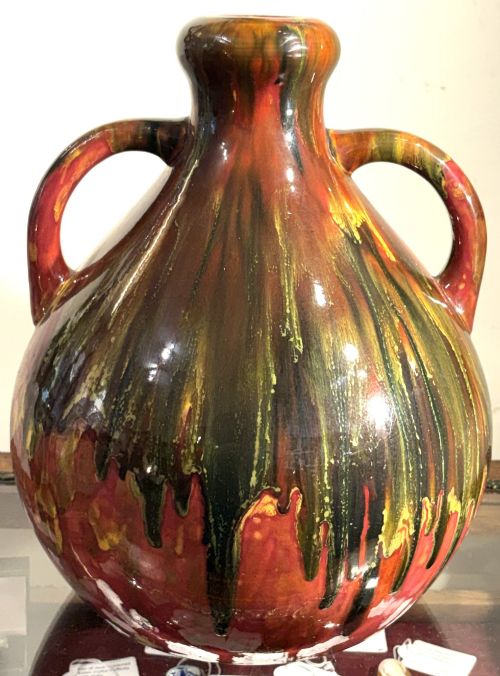
Origins stretch across English, French, Austrian, and German factories, supplemented by Japanese Meiji period imports that reached British buyers during the late nineteenth century. Forms range from bulbous twin-handled vases to slender moon flasks and monumental pedestalled urns.
Materials and construction methods
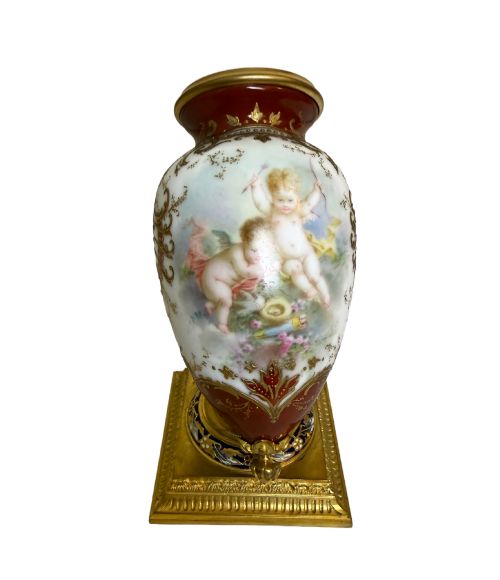
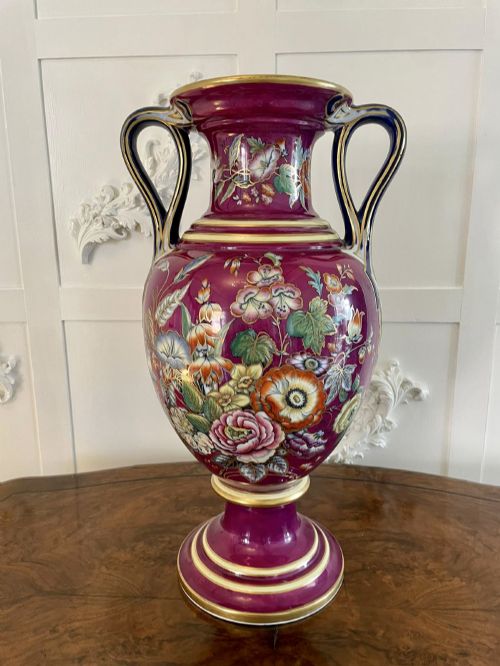
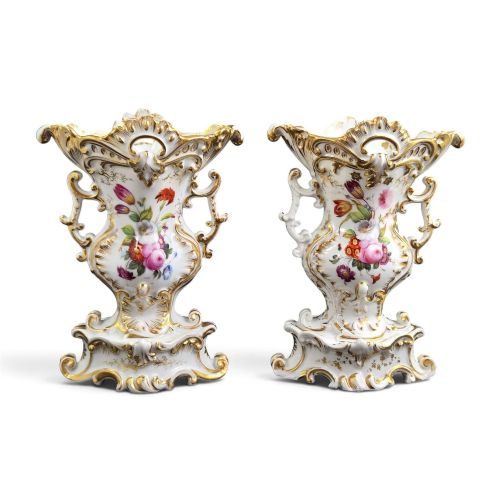
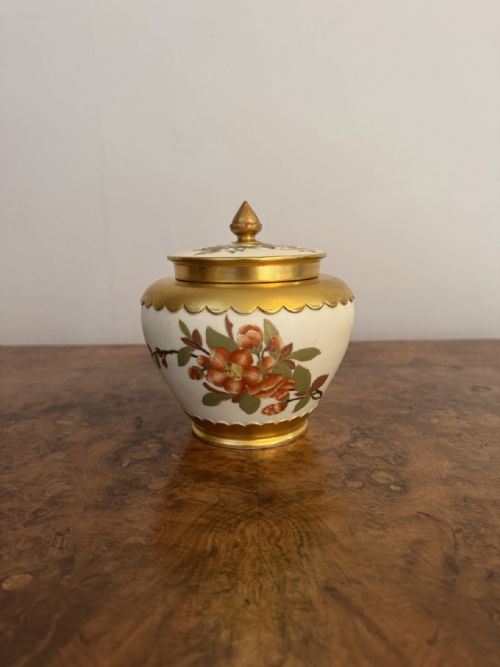
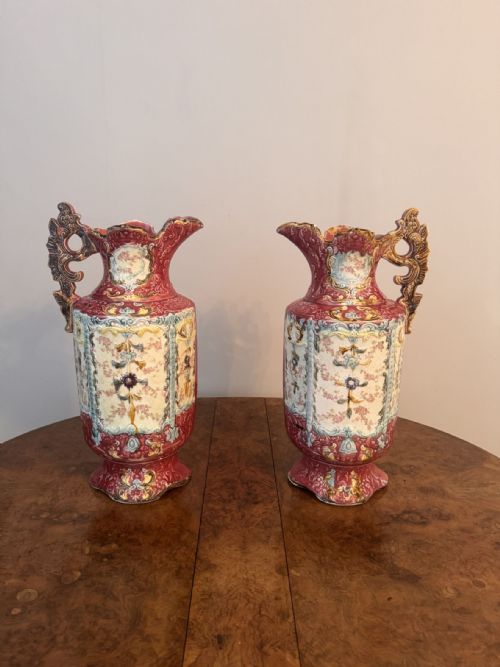
The construction of these pieces relies heavily on fired ceramic bodies, including porcelain, earthenware, and ironstone, shaped into baluster, bulbous, or campana forms. Potters utilised hand-painted enamels, gilding, and transfer-printed decalcomania to decorate the surfaces before glazing.
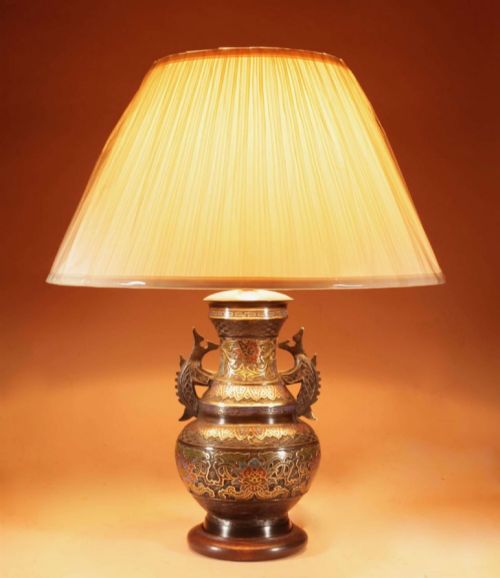
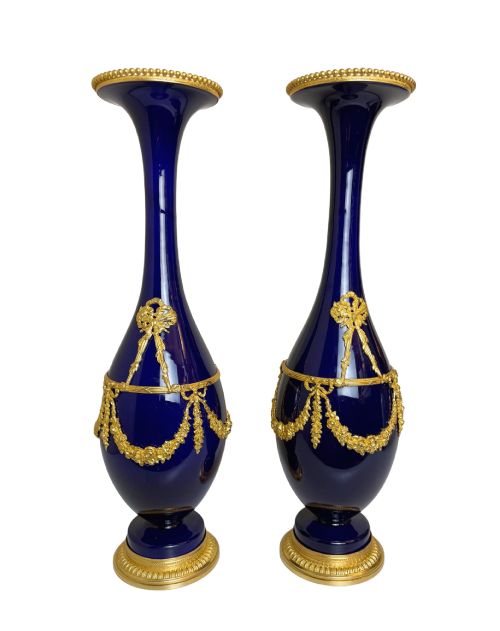
Metal versions utilise bronze, cast iron, brass, and spelter, often finished with patination or mounted on marble bases. Foundry techniques enabled crisp neoclassical detailing such as bacchic masks, putti, and classical foliate reliefs.
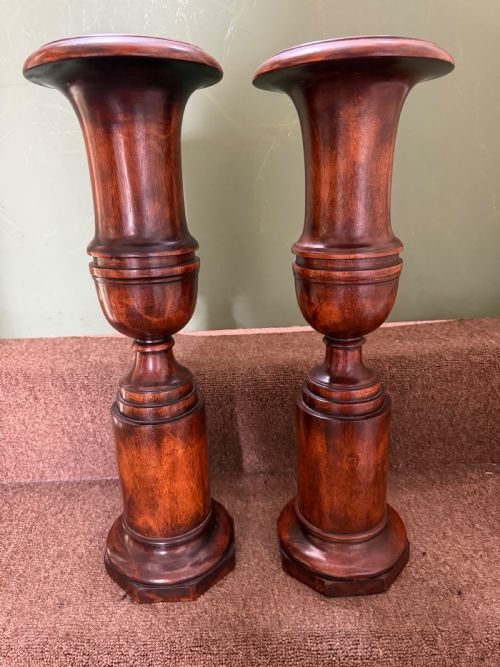
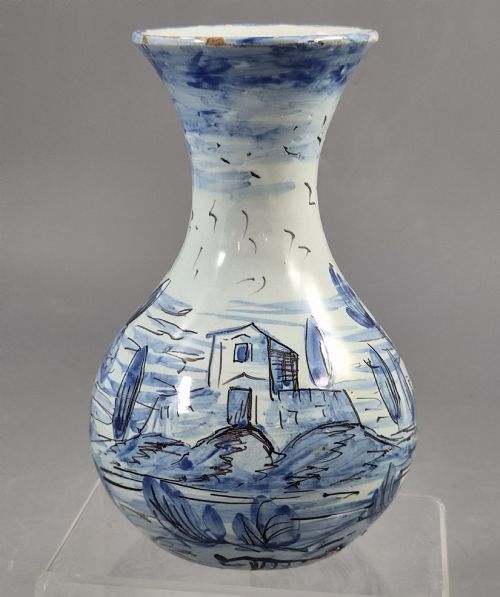
Decorative earthenware and faience traditions added tin-glazed majolica and intricate slip decoration, while wood and stone occasionally appeared in turned walnut vases and granite posy vessels.
Some nineteenth-century makers decorated everyday jars with tightly packed seashells, creating eccentric folk art.
Distinctions in craftsmanship and finish
Quality separates the mass-produced factory output from pieces bearing the marks of premier porcelain houses and skilled modellers. The precision of hand-painted detail, the depth of gilding, and the crispness of bronze or cast iron casting define the upper tier.
Proportion and structural balance dictate the visual weight of an urn, where finely turned handles and harmonious lids integrate cleanly with the main body. Superior pieces display meticulous firing without glaze pooling or distortion.
Royal Crown Derby·Royal Worcester·Jacob Petit·Fourmaintraux-Courquin·Sitzendorf·Doulton Lambeth·Helena Wolfsohn
The Victorian Urn Vase Glossary
- Campana
- A bell-shaped garden or table urn derived from classical antiquity. These vessels feature a wide flared rim and a tapered body resting on a pedestal.
- Majolica
- A colourful tin-glazed earthenware developed during the nineteenth century revival of Renaissance styles. It showcases vibrant opaque glazes over modelled clay.
- Baluster
- A bottle-shaped architectural form with a rounded lower body and a narrower neck. This silhouette underpins many ceramic vases and garden urns.
- Gilding
- The application of gold leaf or powdered gold paint to ceramic and metal surfaces. It highlights handles, rims, and figurative motifs.
- Potpourri
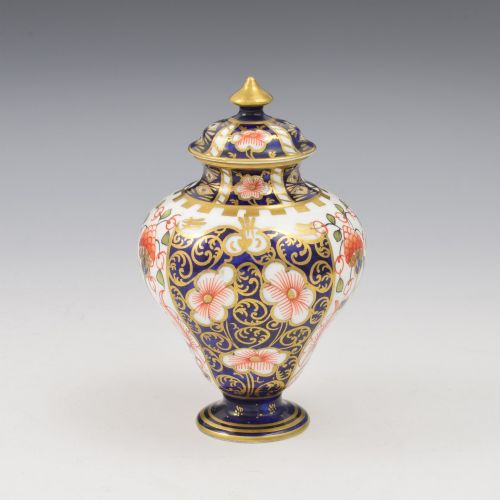
- A lidded vessel designed with pierced sections or a cover to release dried botanical scents. These pots often feature elaborate hand-painted floral decoration.
Victorian Urn Vase: Frequently Asked Questions
How were urn vases used?
These vessels served primarily as decorative garnitures on mantelpieces, sideboards, and architectural pedestals. Many contained dried flower arrangements or aromatic potpourri rather than holding water.
Larger versions functioned as garden ornaments placed on stone plinths to anchor classical landscaping designs. Interior pairs often flanked clocks or candelabras to create symmetrical displays.
How do I care for my urn?
Dust ceramic and metal surfaces gently with a dry, soft cloth to protect delicate gilt highlights and patinated finishes. Avoid using commercial liquid cleaners or abrasives on painted or gilded areas.
Keep pieces away from direct sunlight to prevent fading on hand-painted enamels. Metal urns displayed outdoors require periodic checks for weather protection.
How do I identify the period?
Examine the base for factory stamps, registration numbers, and painted pattern marks that correspond to nineteenth-century production records. Stylistic cues such as neoclassical motifs or aesthetic movement designs help narrow down the decade.
Construction methods also provide clues, as machine-tooled elements often point towards later Victorian or Edwardian manufacturing techniques.
What is a Grand Tour piece?
Grand Tour objects were acquired by travellers visiting classical sites in Italy and Greece during the nineteenth century. These reductions reproduced famous antiquities like the Warwick vase in bronze or terracotta.
Collectors prized them as portable testaments to classical education and artistic appreciation. They bring tangible archaeological history into domestic interiors.