


Staffordshire Porcelain Vase
These staffordshire porcelain vase pieces bring nineteenth-century ceramic artistry into a room, offering collectors characterful figures and hand-painted decorative vessels.
Staffordshire Porcelain Vase
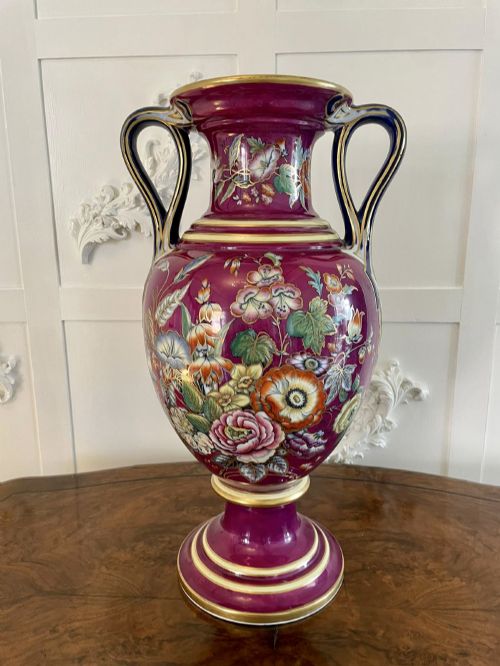
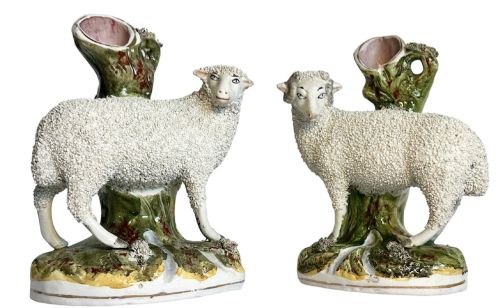
A staffordshire porcelain vase combines utilitarian vessel forms with figurative modelling, frequently taking the shape of spill vases depicting animals, sheep, deers, swans, and human figures like Scots harvesters or milkmaids.
Buyers encountering this group will frequently find nineteenth-century examples, spanning the Regency, Victorian, and Edwardian eras, often featuring hand-painted details, gilt highlights, and earthenware or ironstone bodies.
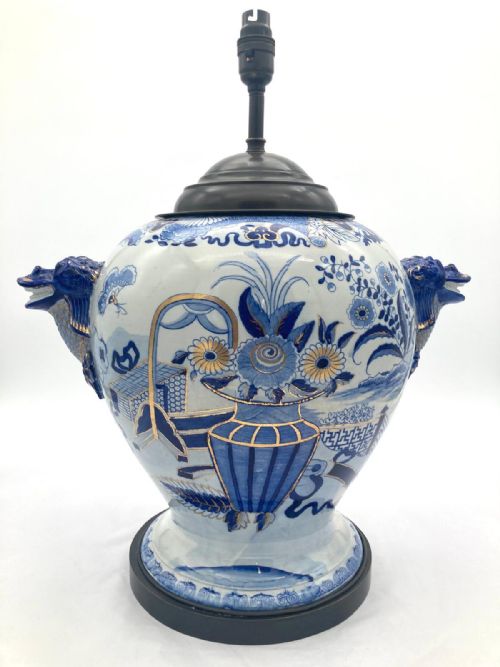
The selection ranges from cabinet-size scent bottles and miniature covered urns to large twin-handled vases and pairs of converted table lamps, reflecting the varied output of Staffordshire potteries.
How they were made
Potters utilised materials such as earthenware, ironstone, and porcelain, applying lead glazes and enamel colours to create the distinctive glazed surfaces seen across the period.
Many items incorporate gilt and gold leaf highlights applied over the glaze, alongside hand-painted decoration that defines the floral patterns, wildlife scenes, and figurative costumes.
Moulding and casting techniques allowed workshops to produce repeating animal and human figures, such as sheep, swans, and cows, which were then hand-finished and painted.
Scots harvesters, banded hopes, and watchful sheep populate these domestic mantelpieces, bringing nineteenth-century pastoral life indoors.
What varies in quality
The sophistication of the hand-painted detailing and the crispness of the moulded form set finer vessels apart from standard production pieces, particularly in figurative subjects like animals and human groups.
Preservation of original enamel colours and the integrity of gilt and gold leaf ornamentation strongly influence the visual appeal of an antique vase.
The ambition of the form, ranging from simple cylindrical spill vessels to complex twin-handled urns and pot pourri jars with covers, dictates the relative standing of individual items.
Hicks and Meigh·Crown Staffordshire·Spode China·Samuel Alcock·Adams
The Staffordshire Porcelain Vase Glossary
- Spill Vase
- A small cylindrical vessel designed to hold taper spills for lighting candles and pipes. These often feature sculptural animal or human figures attached to the side.
- Ironstone
- A heavy, durable ceramic body patented in the nineteenth century that bridges earthenware and porcelain. It provides a sturdy base for large decorative vases and urns.
- Lead Glaze
- A glossy coating applied to ceramic bodies before firing to create a smooth, shiny finish. It protects the painted decoration beneath.
- Pot Pourri
- A decorative vessel with a pierced or removable cover intended to hold dried scented plant materials. These often feature elaborate hand-painted and gilt ornamentation.
- Flatback
- A ceramic figure or vase moulded with a finished front and a flat, unpainted reverse side intended to stand against a wall. This technique was common in nineteenth-century Staffordshire production.
Staffordshire Porcelain Vase: Frequently Asked Questions
How were staffordshire spill vases used?
Spill vases sat on mantelpieces and tables to hold thin wooden spills used for transferring fire from the hearth to candles and lamps. Their decorative figures served to ornament the room when not in active service.
Over time, many of these vessels transitioned into purely ornamental cabinet pieces or were adapted into table lamps as domestic lighting changed.
What is the difference between earthenware and porcelain?
Earthenware is a porous, opaque ceramic fired at lower temperatures, while true porcelain is vitrified, non-porous, and finer in grain. Staffordshire makers often utilised various ceramic bodies including ironstone and porcelaneous pastes.
Identifying the material helps determine the weight, translucency, and period characteristics of an individual vase or figure group.
How do I date a nineteenth-century vase?
Dating relies on stylistic markers, glaze types, and factory marks where present. Regency pieces often exhibit Chinoiserie motifs, whilst Victorian examples frequently feature robust figural groups and elaborate gilding.
Comparing the modelling style and painting technique against known period examples provides the most reliable guide to age.
How should I care for antique ceramics?
Antique ceramics require gentle dusting with a soft, dry brush and protection from direct sunlight and sudden temperature changes. Enamel colours and gilt highlights can be sensitive to moisture and harsh cleaning agents.
Displaying pieces on stable surfaces away from high-traffic areas prevents accidental knocks to delicate handles and protruding figures.