
Victorian Tripod Pedestal
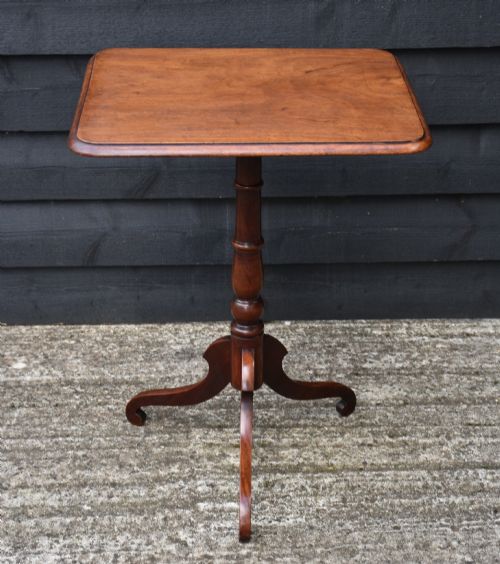
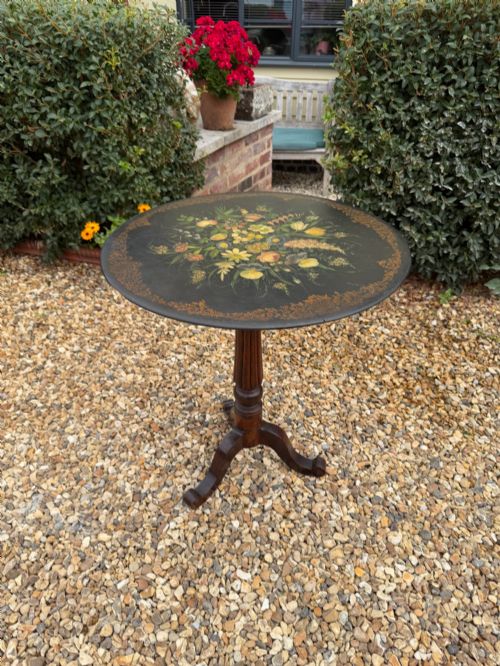
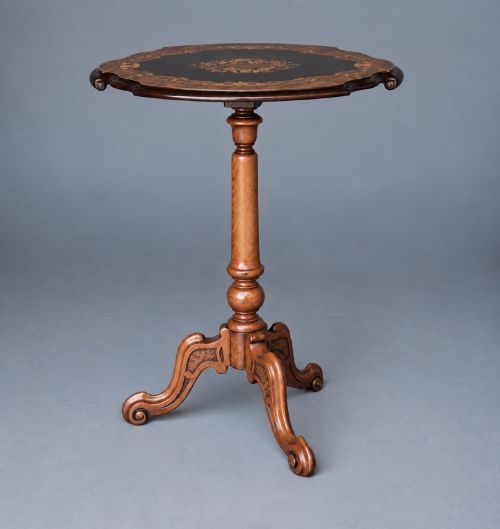
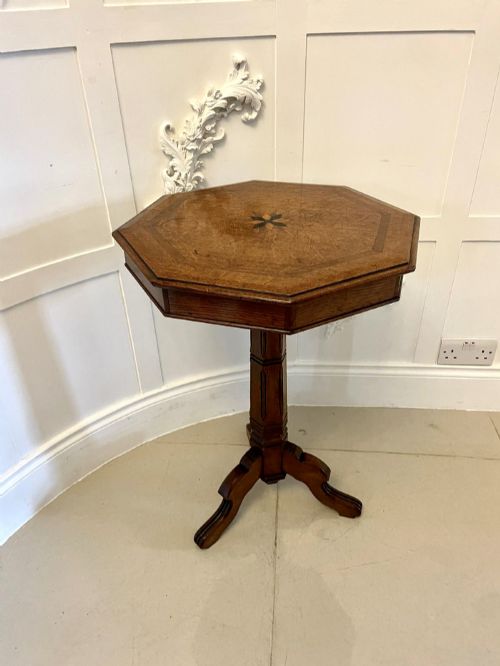
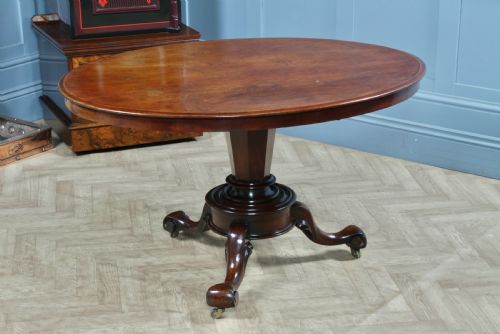
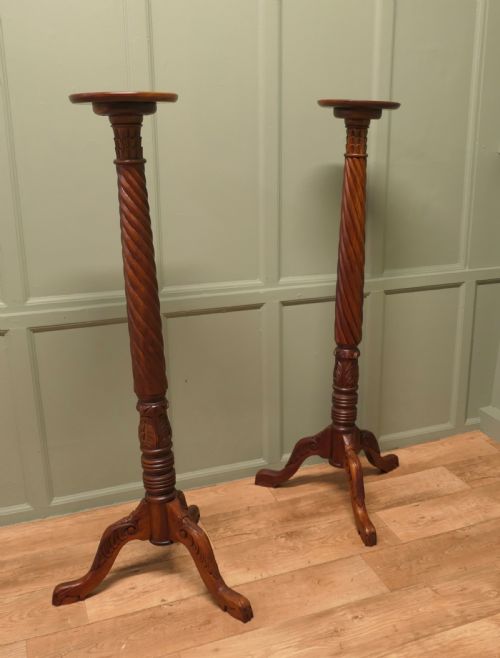
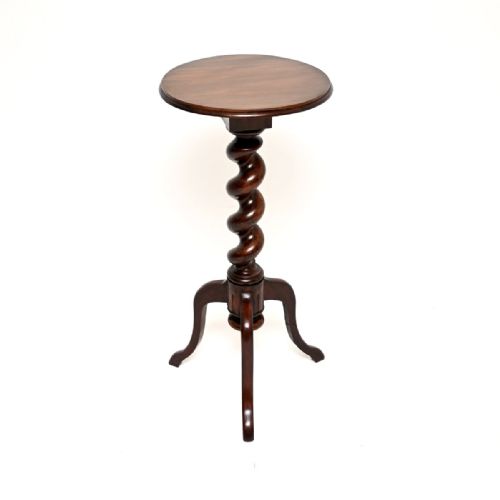
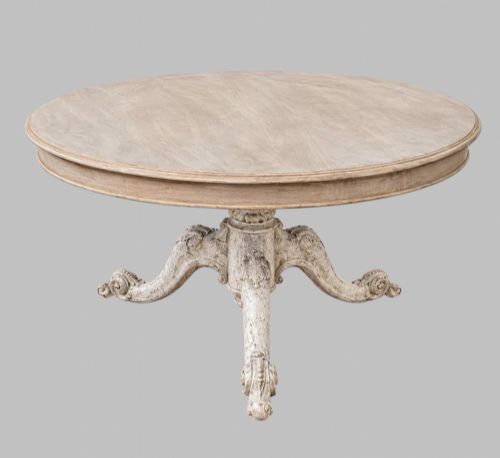
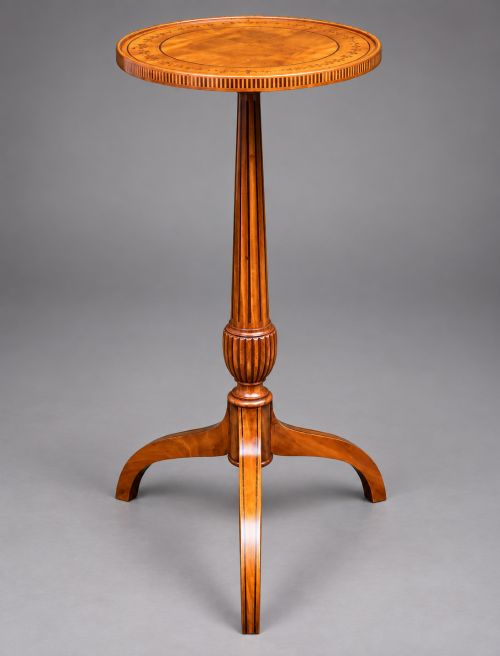
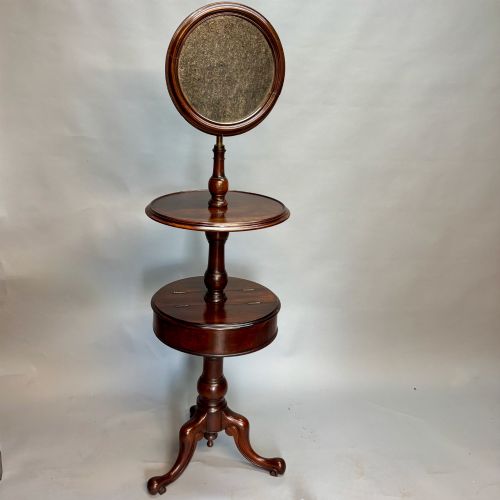
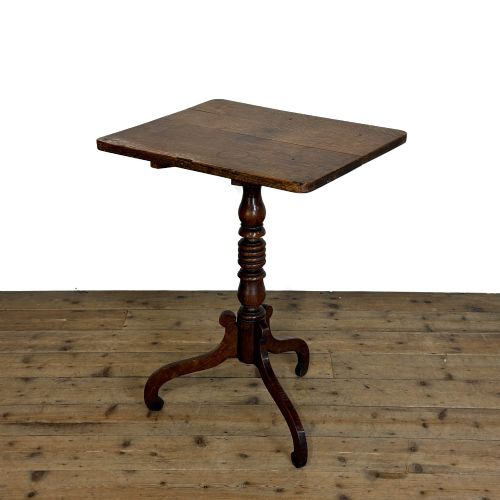
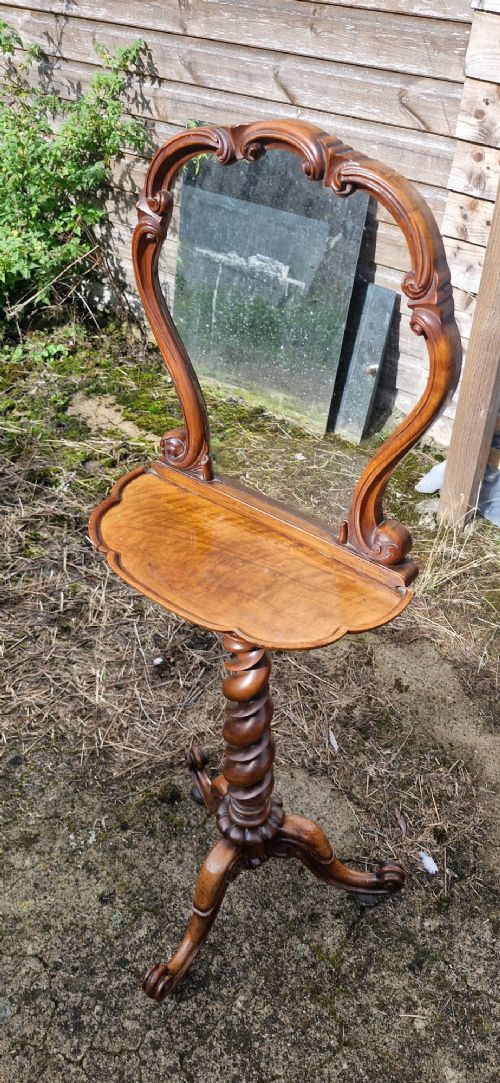
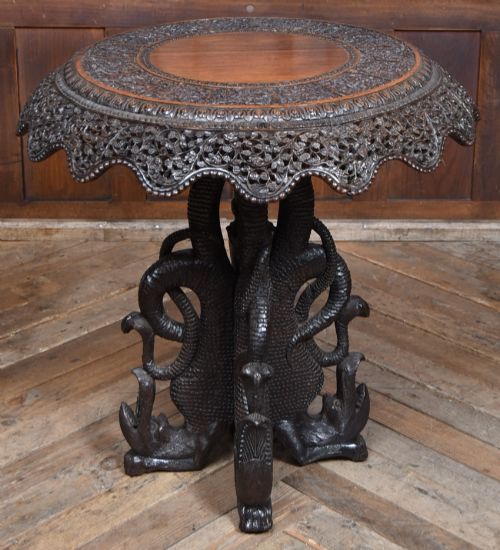
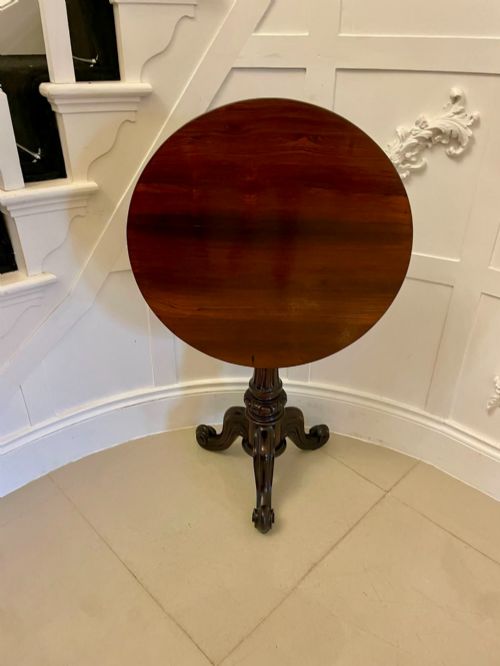
These Victorian tripod pedestal tables offer sturdy central pillars and three-legged bases, serving as adaptable lamp, wine, or occasional tables.
Victorian Tripod Pedestal
A victorian tripod pedestal is a versatile small table designed with a central column supported by three legs, ideal for holding lamps, wine glasses, or books. Buyers looking at this page will frequently encounter circular lamp tables and wine tables originating from the nineteenth century.
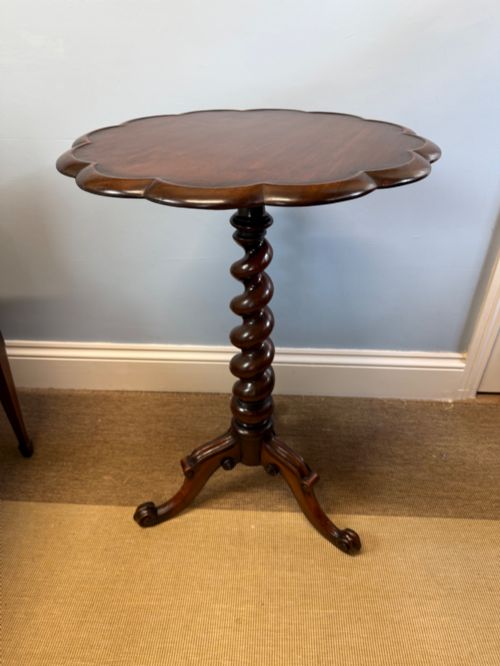
The selection ranges from simple tilt-top occasional tables in mahogany and oak to highly decorative marquetry-inlaid walnut and rosewood centre pieces. Form follows function closely, with many examples featuring pivoting tops or adjustable heights for practical daily use.
How They Were Made
Cabinet makers utilised dense hardwoods such as mahogany, walnut, and rosewood for the structural pillars and circular table tops. Turning lathes shaped the central pedestals, while hand-carved cabriole or straight legs formed the stable three-way bases.
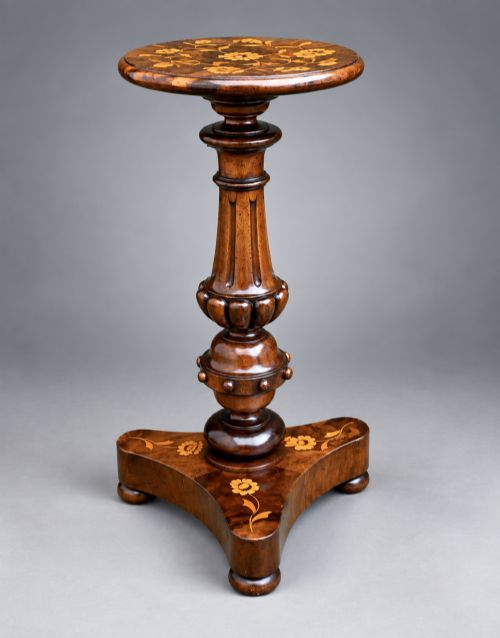
More elaborate versions incorporate intricate marquetry inlay using exotic satinwood, fruitwood, and brass detailing. Tilt-top mechanisms rely on clever pivoting wooden blocks and metal catches fitted neatly beneath the surface.
Listings feature woods including mahogany, walnut, rosewood, burr walnut, oak, fruitwood, and satinwood across the nineteenth century.
What Varies in Quality
The distinction between standard examples and superior pieces rests on the choice of timber and the crispness of the carving. Figured veneers, burr walnut tops, and complex marquetry indicate workshops that invested greater time and skill into ornamentation.
Structural integrity in the pedestal base separates fine items from lesser ones. A well-fitted central column and tight joints in the tripod legs ensure the table remains level and firm through decades of pivoting and use.
Gillows
The Victorian Tripod Pedestal Glossary
- Tilt top
- A table mechanism allowing the surface to hinge vertically for storage against a wall when not in use. This clever design saved valuable floor space in nineteenth-century rooms.
- Tripod base
- A support structure consisting of three radiating legs joined to a central pedestal. It provides stability on uneven floorboards.
- Marquetry
- Decorative patterns formed by fitting contrasting veneers of wood into a prepared surface. Craftsmen used this technique to create elaborate floral or geometric table tops.
- Occasional table
- A small, movable table designed for specific, intermittent tasks such as holding a lamp or tea service. They populate sitting rooms and parlours across the Victorian period.
- Pedestal
- A central upright column supporting the weight of the table top. It replaces the traditional four corner legs to allow greater seating or standing clearance.
Victorian Tripod Pedestal: Frequently Asked Questions
What were these tripod tables used for?
These pieces served multiple duties in nineteenth-century homes, functioning as wine tables, lamp stands, or reading surfaces beside armchairs. Their lightweight design allowed servants or residents to move them easily around the room as daily needs shifted.
Tilt-top variants provided an added layer of convenience by folding flat against the wall when the room needed to be cleared for entertaining or dancing.
How do I tell a tilt-top table apart?
Look beneath the circular top for a wooden or brass catch mechanism that releases the pivot. When unlatched, the surface swings from a horizontal position to a vertical plane.
Fixed-top tables lack this hinge assembly and maintain a solid, stationary connection between the central column and the underside of the table.
Where should I place a pedestal table?
These compact tables fit comfortably beside sofas, in empty hallway corners, or as central lamp stands in a drawing room. Because the three-legged base takes up minimal floor space, they tuck easily into tight spots.
Keep them away from direct heat sources and strong sunlight to protect polished mahogany and delicate walnut veneers from drying out or fading.
How do I distinguish walnut from mahogany?
Walnut displays a rich, warm brown tone often featuring swirling grain patterns and striking burr figures. It frequently appears in mid-Victorian decorative pieces with marquetry inlay.
Mahogany tends toward a deeper reddish-brown hue with a straighter, tighter grain structure. It forms the sturdy backbone of many standard nineteenth-century occasional and dining tables.