




Claw Foot Plant Stand
A claw foot plant stand elevates greenery with sturdy grace, bringing height and sculptural form to any room.
Claw Foot Plant Stand
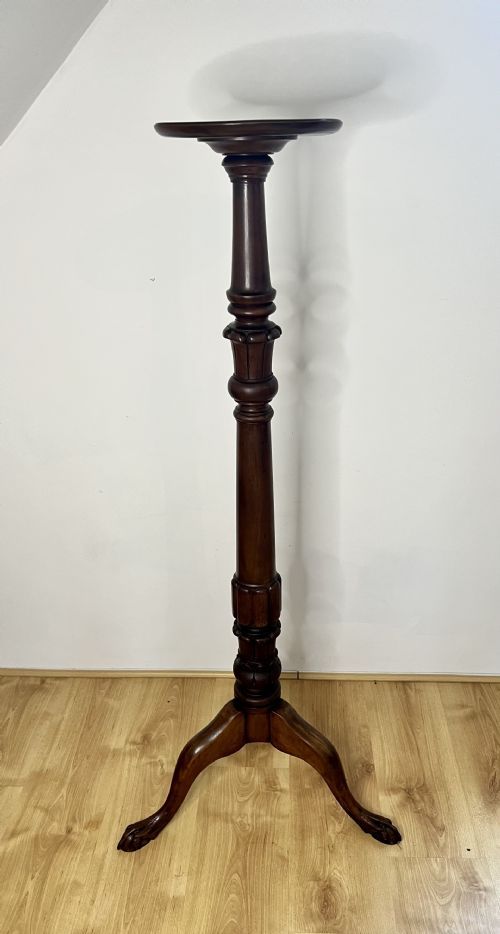
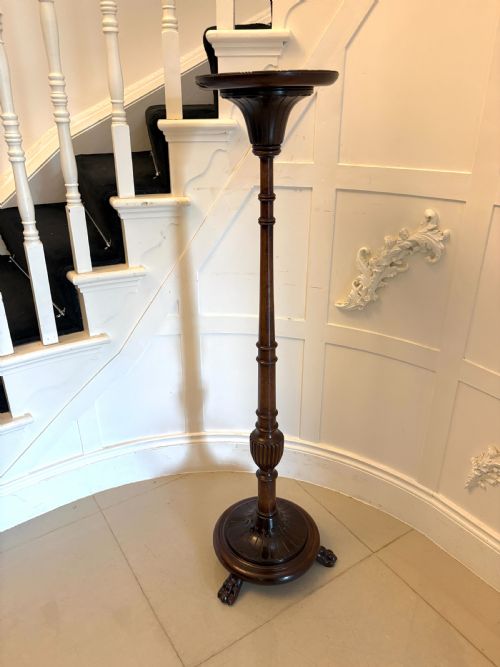
A claw foot plant stand serves to elevate jardinieres, pots, and urns, turning functional horticulture into a distinct decorative feature. When you search for a claw foot plant stand, you encounter pieces designed to support heavy planters while adding architectural presence to an interior space.
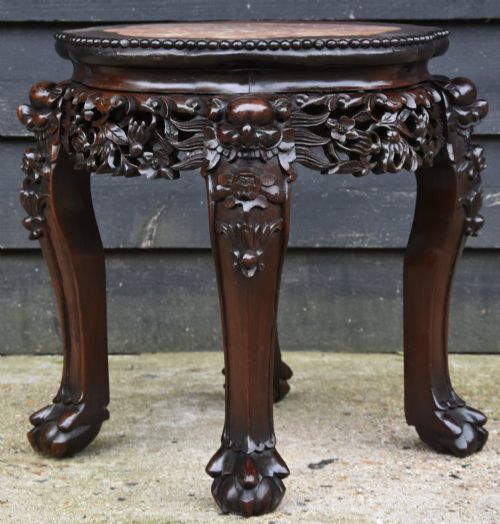
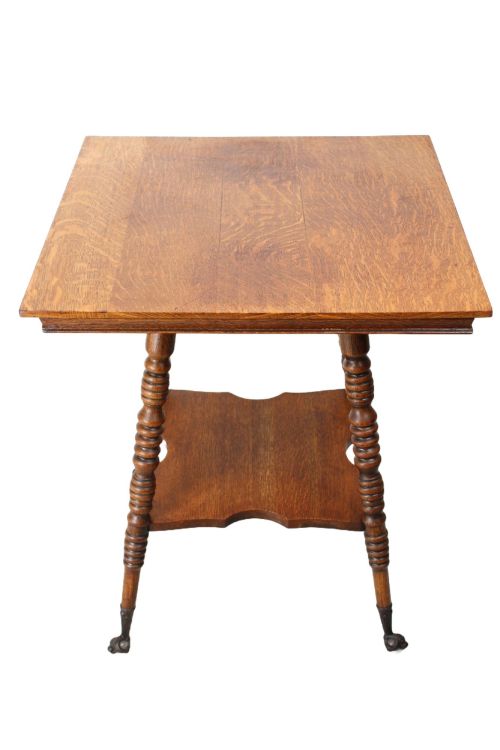
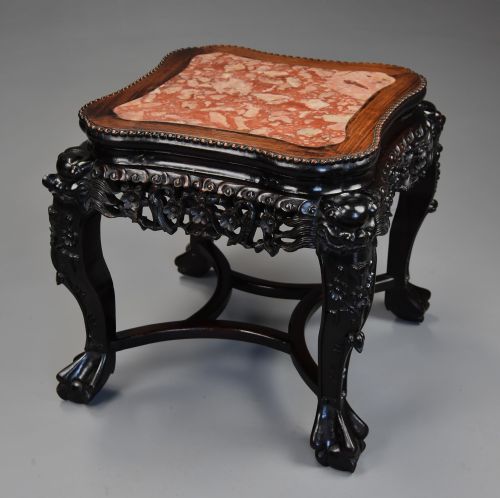
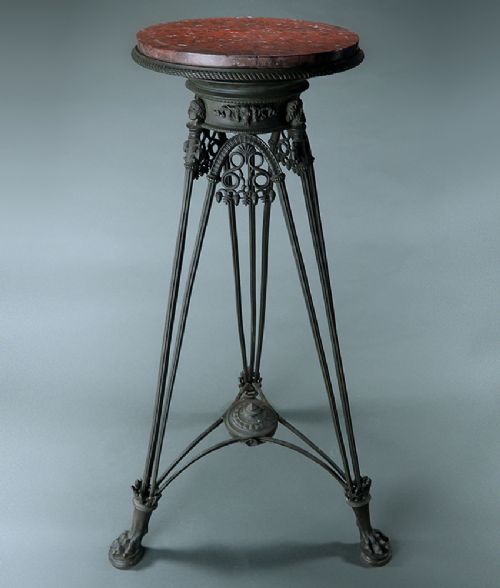
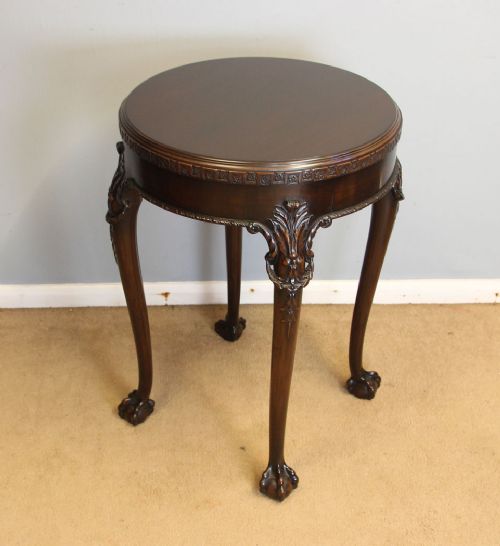
Forms range from triform pedestals to carved hardwood tables set with marble insets. Chinese rosewood and hardwood low tables sit alongside mahogany and oak examples, reflecting diverse global design influences from the eighteenth century onward.
Materials and construction methods
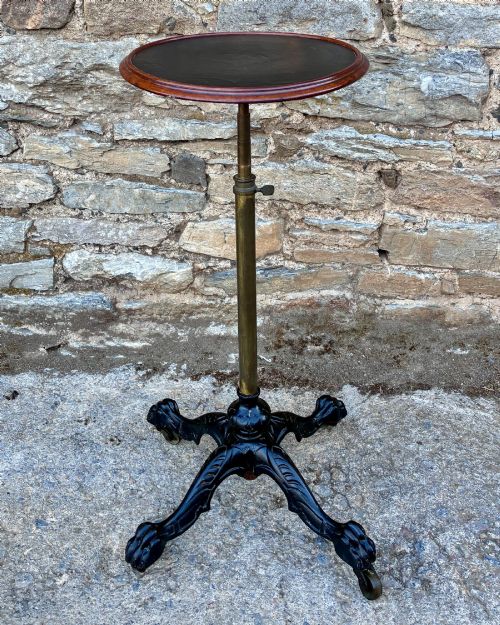
Makers utilised dense timbers such as mahogany, oak, rosewood, walnut, and general hardwood to ensure structural integrity under heavy loads. Brass and cast iron appear alongside wood, providing contrasting metallic elements for planters and structural mounts.
Carving represents the primary decorative technique applied to legs, columns, and friezes. Insets of smooth marble provide durable, water-resistant surfaces designed to withstand the moisture associated with potted plants.
Listings feature items spanning the eighteenth century through the early twentieth century, utilising mahogany, marble, brass, and rosewood.
Distinctions in craftsmanship
The refinement of the carving distinguishes finer examples from simpler utilitarian pieces. Crisp detailing on the wooden feet and columns indicates a higher level of artisan skill.
The integration of materials also dictates quality, particularly the precise fitting of marble inset tops into wooden frames. Heavier, stable timber bases with sound joinery ensure lasting durability for supporting substantial weights.
The Claw Foot Plant Stand Glossary
- Torchere
- A tall stand designed to hold a light or a plant. These slender pedestals lift displays well above floor level.
- Guéridon
- A small French table, often round and supported by a central column or tripod base. They serve well as decorative display surfaces.
- Triform
- Having three sides or three feet. This arrangement provides stable footing for heavy plant stands on uneven floors.
Claw Foot Plant Stand: Frequently Asked Questions
What is a claw foot plant stand used for?
These pieces primarily support pots, urns, and jardinieres to display greenery at elevated heights. They lift plants off the floor to improve visibility and protect delicate flooring from moisture.
Beyond botany, many serve as general display pedestals for busts, lamps, or decorative objects. Their sturdy bases accommodate substantial weight while enhancing room proportions.
How do I identify a Victorian plant stand?
Victorian pieces often feature rich mahogany timbers with deep, elaborate carving and distinct pedestal columns. Look for nineteenth-century construction traits such as heavy turned legs and tripod bases.
Stylistic influences from this period frequently blend classical motifs with practical domestic utility. The presence of adjustable mechanisms or specific turning patterns can also point toward Victorian origins.
Are marble tops original on these stands?
Many nineteenth-century stands feature inset marble tops designed to handle water spillage from potted plants safely. These stone surfaces were integrated during manufacture to provide a durable, stain-resistant top.
Inspecting the fit between the stone and the wooden rebate helps determine originality. Smooth, flush integration with the surrounding frame typically indicates a period piece.
Where should I place a torchere stand?
Torchere stands suit corners, empty wall spaces, or flanking points beside larger pieces of furniture. Their vertical orientation adds height without consuming excessive floor area.
Keep them away from heavy foot traffic to prevent accidental tipping, especially when supporting heavy ceramic pots or marble sculptures. Positioning them in stable locations ensures safe daily use.