
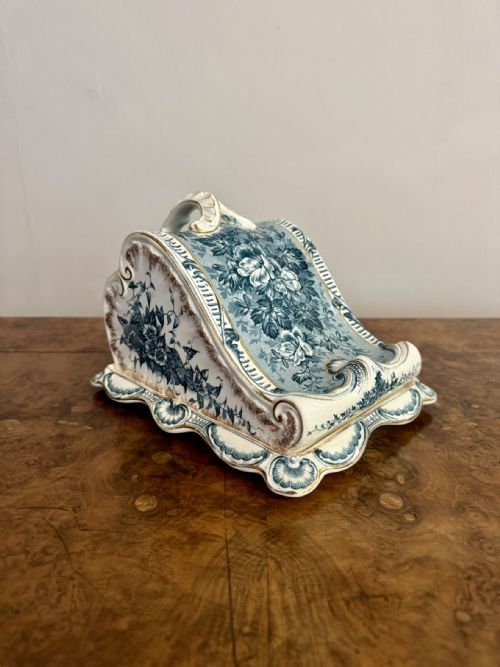
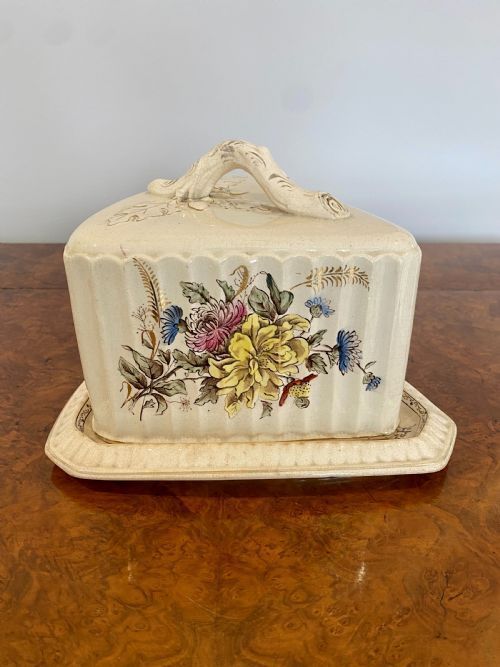
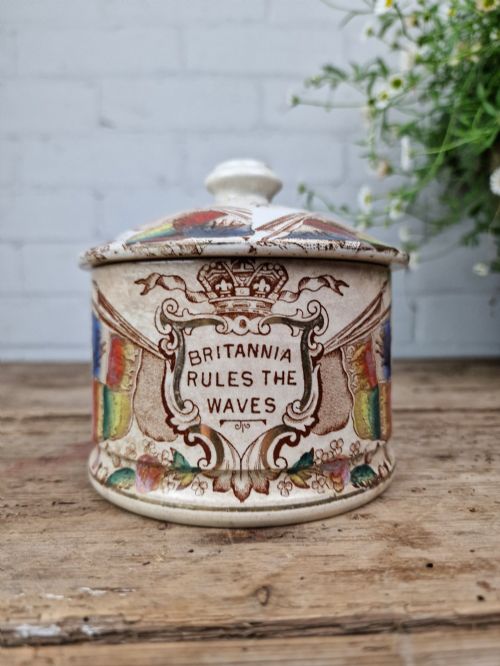


Victorian Transferware Dish
These robust earthenware and ceramic pieces bring printed pictorial scenes into everyday domestic spaces through blue and white designs.
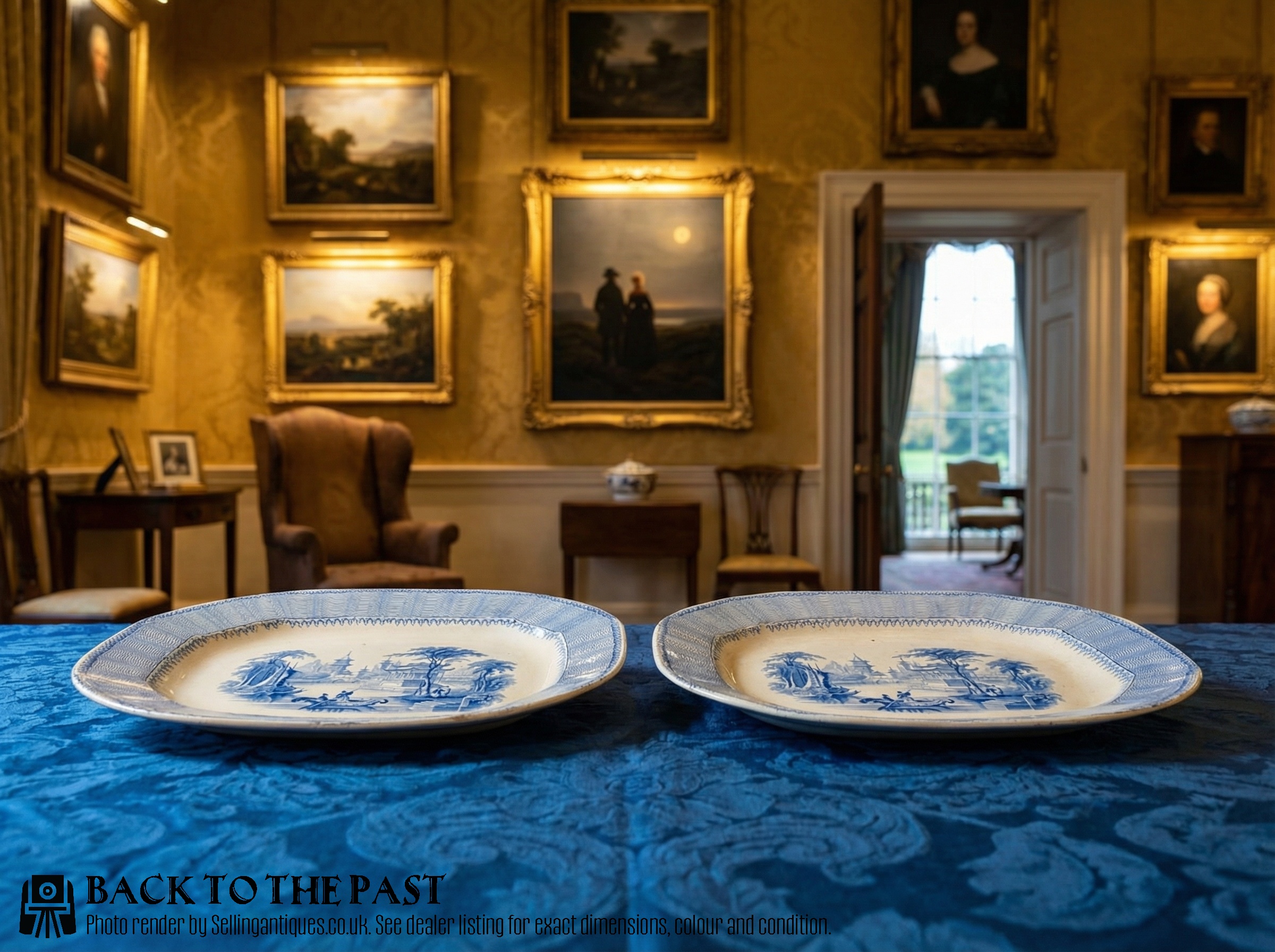
Victorian Transferware Dish
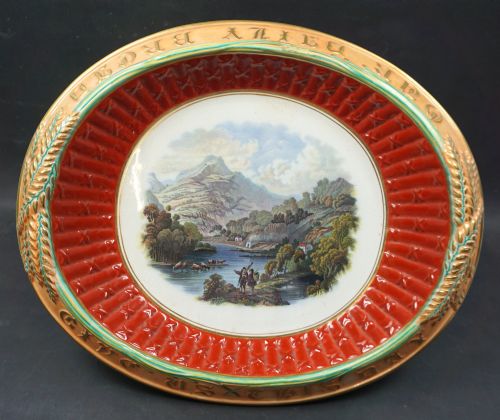
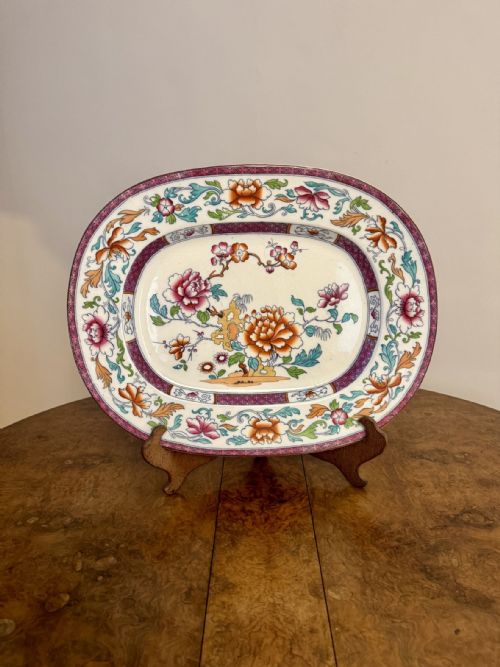
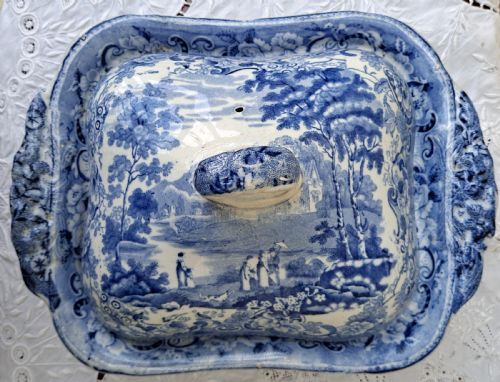
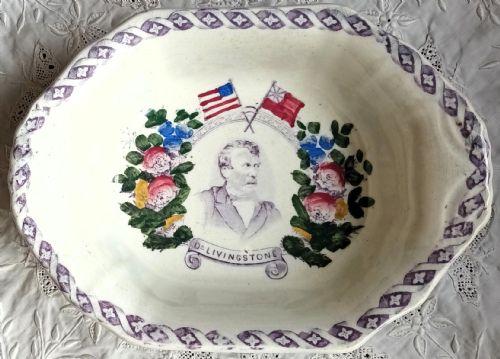
A victorian transferware dish spans practical serveware forms including large meat platters, vegetable tureens with covers, and decorative plates. These domestic items display printed pictorial motifs ranging from rural scenery and architectural views to specific commemorative subjects.
How they were made
Potters produced these items using ceramic earthenware and stone china bodies shaped into platters, dishes, and bowls. The body received a smooth glazed ceramic coating to protect the porous clay underneath.
Makers applied the decorative patterns using a transfer printing technique, transferring ink from a copperplate onto the ceramic surface before glazing and firing. Cobalt oxide supplied the deep blue pigment seen across the majority of pieces.
Serveware forms range from large meat platters and lidded vegetable tureens to commemorative plates and bowls.
What varies in quality
The clarity and crispness of the transfer print dictate visual success, with finer examples showing sharp lines and precise pattern registration without blurring. Smoother glaze application and more balanced ceramic potting distinguish superior output from standard utilitarian wares.
James Wallace & Co·Minton·Doulton Burslem·John Ridgway·Copeland & Garrett·Ridgways
The Victorian Transferware Dish Glossary
- Transferware
- Ceramic pottery decorated by printing a design from an engraved copper plate onto tissue paper, which was then transferred onto the clay body. This method allowed intricate pictorial scenes to be replicated consistently across multiple items.
- Earthenware
- A porous ceramic material fired at lower temperatures and coated with a vitreous glaze to ensure impermeability. It formed the standard body for most nineteenth-century domestic tablewares.
- Stone china
- A durable, semi-vitreous ceramic body developed to withstand heavy daily use. It combined the strength of stoneware with the refined appearance of porcelain.
- Tureen
- A deep covered bowl designed for serving soups, vegetables, or meats at the dining table. Many versions include matching ladles and protective covers.
Victorian Transferware Dish: Frequently Asked Questions
How do I date a transferware piece?
Dating relies on maker marks, registration diamonds, and the specific ceramic body used by the pottery.
Stylistic cues within the printed scenes also help narrow down the production decade.
Were these dishes used daily?
Large platters and tureens served hearty meals during nineteenth-century family dinners and formal gatherings.
Sturdy earthenware fabrics allowed them to withstand regular kitchen use and washing.
What is willow pattern?
Willow pattern is a classic blue and white transfer design depicting a traditional Chinese landscape narrative.
It became immensely popular across nineteenth-century British ceramic production.
Can I display these platters on walls?
Platters and plates with strong pictorial views suit wall mounting when using secure, properly fitted wire hangers.
Their substantial size creates a striking focal point in a dining room or kitchen.