
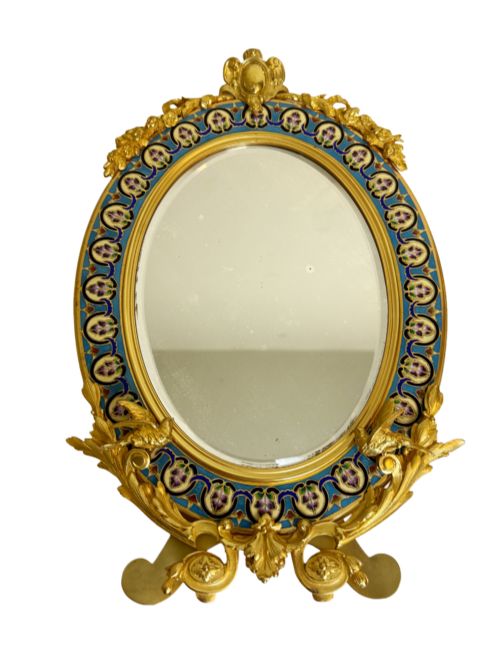
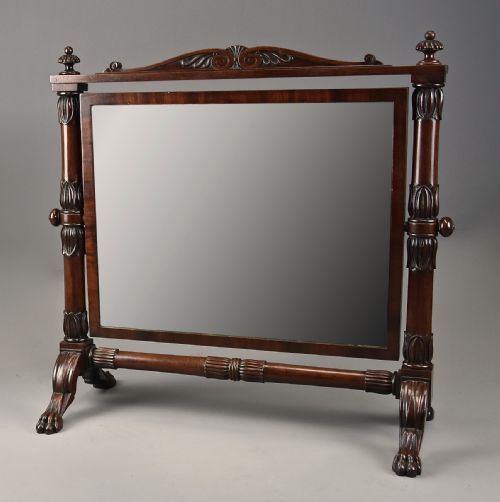
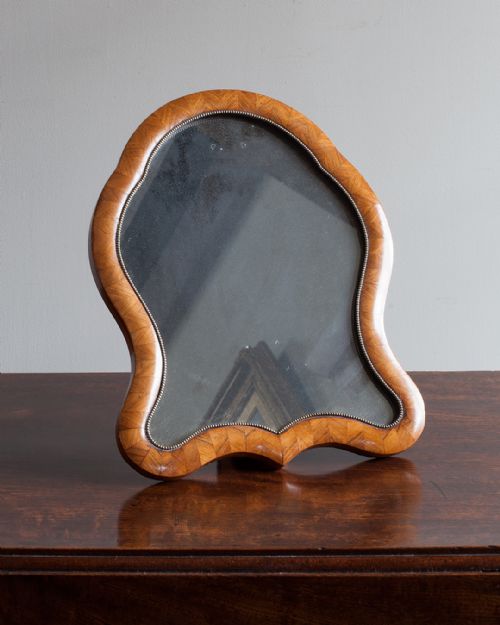
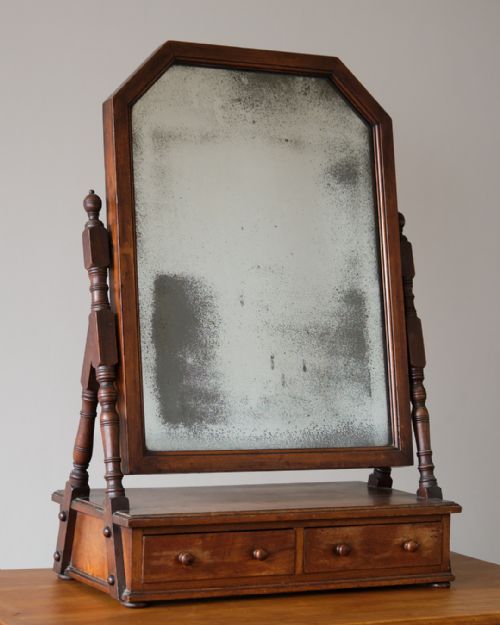


Victorian Tabletop Mirror
These nineteenth-century mirrors bring intimate scale and reflective depth to dressing spaces, sitting readily upon chests and sideboards.
Victorian Tabletop Mirror
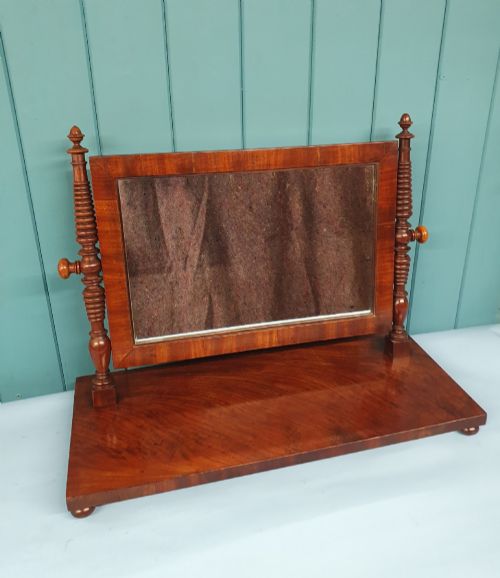
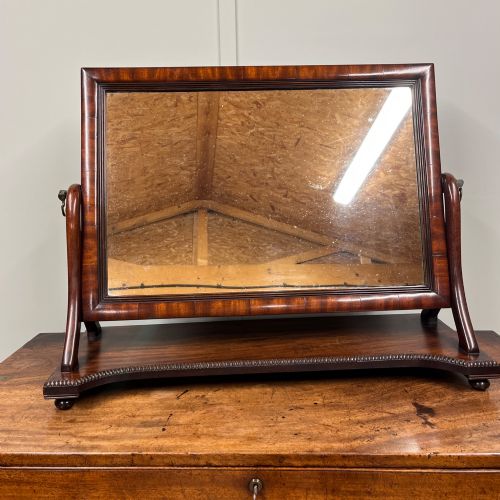
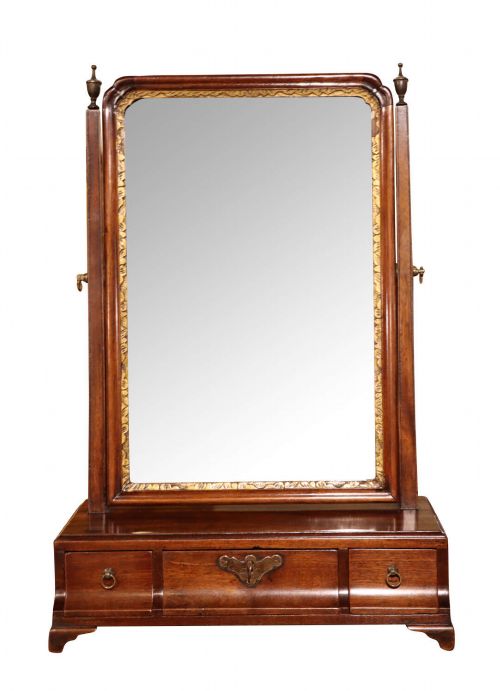
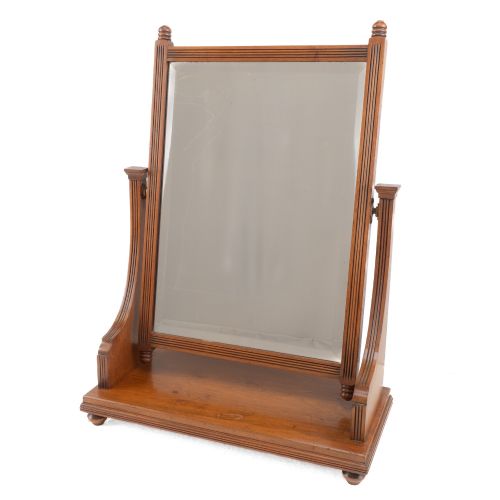
When you search for a Victorian tabletop mirror, you encounter portable looking glasses designed to sit on dressing tables, chests of drawers, and washstands. These pieces range from simple swing frames pivoted between upright supports to elaborate easel-backed glass plates mounted on desks or bureaux.
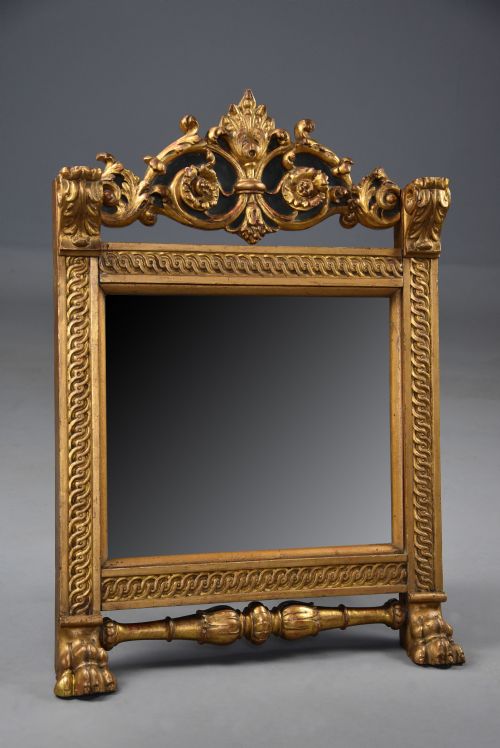
The selections span the nineteenth century, including examples from the Regency period through to the late Victorian era and the turn of the twentieth century. Mahogany and walnut form the backbone of the wooden group, whilst brass, gilt bronze, champleve, and sterling silver appear frequently in decorative frames.
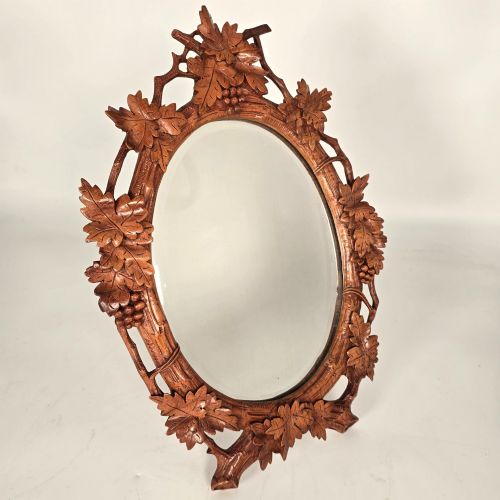
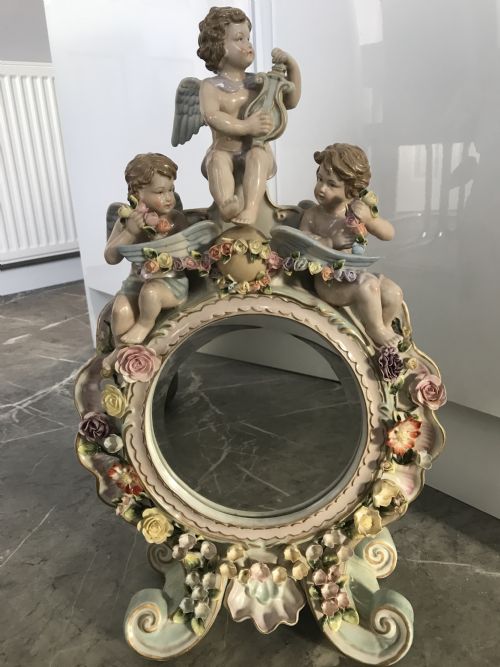
You will notice distinct stylistic revivals across the pieces, encompassing Rococo Revival, Renaissance style, Gothic influences, and Black Forest lime wood carvings. Regional pieces, such as Scottish mahogany frames, sit alongside Continental porcelain and French brass iterations.
Materials and construction methods
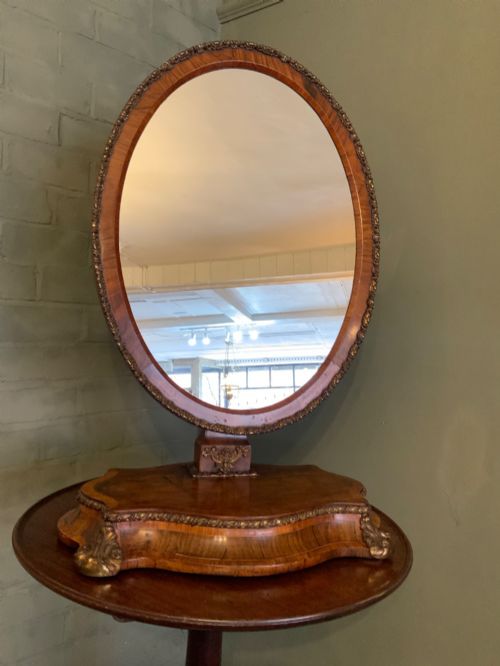
Cabinetmakers constructed the wooden frames from figured mahogany, walnut, kingwood, and lime wood, often incorporating structural elements like bureau fitments, serpentine bases, and three-drawer compartments. Timber frames rely on stable joinery to support the weight of the pivoting glass plate without sagging.
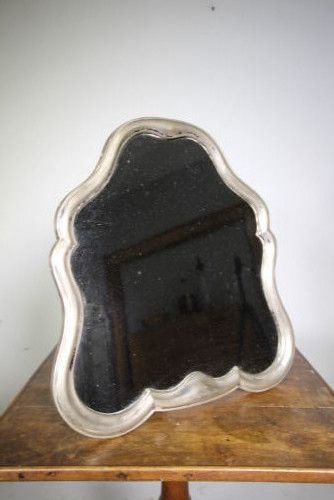
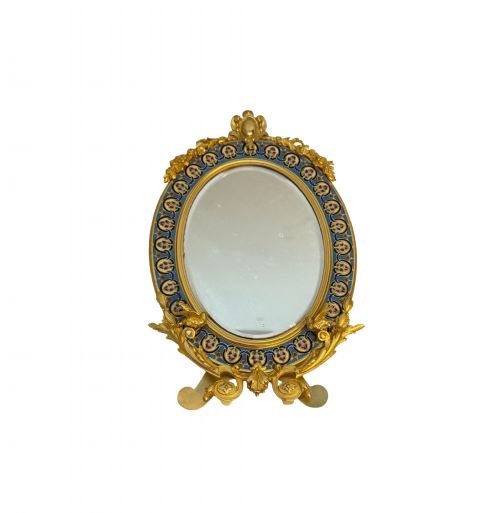
Metal-framed examples utilise cast brass, gilt bronze, and sterling silver, sometimes integrating champleve enamel work or bevelled mirror glass plates. Silver-mounted easel mirrors and Continental porcelain frames display detailed chased motifs, animals, birds, and floral ceramics secured to sturdy backings.
Victorian Tabletop Mirror Retail Price Guide 2026
Typical asking prices for victorian tabletop mirror among the pieces listed under this phrase on Sellingantiques today, from the lower quarter to the upper quarter. They describe what is for sale here now, not the wider market.
Portable campaign kit shaving mirrors folded away neatly into wooden travel boxes for gentlemen on the move.
Distinctions in craftsmanship
The distinction between standard utility looking glasses and finer examples lies in the selection of timber veneers and the crispness of carved detail. Figured grain patterns, complex serpentine drawer fronts, and deeply undercut lime wood or giltwood foliage separate ambitious cabinetwork from plain functional pieces.
Metalwork quality shows in the weight of the cast bronze, the precision of champleve enamel placement, and the clarity of bevelled glass plates. Heavier mountings, substantial sterling silver frames, and robust pivoting mechanisms indicate superior workshop output.
P & MA Nicholson·Heal & Sons·Thomas Rubergall
The Victorian Tabletop Mirror Glossary
- Swing mirror
- A mirror plate suspended on pivots between two upright arms, allowing the glass angle to tilt. This form dominates nineteenth-century dressing table designs.
- Cheval mirror
- A full-length dressing mirror supported in a freestanding frame, though the term occasionally applies to large table-standing formats.
- Champleve
- An enamelling technique where recessed areas are gouged out of a metal surface and filled with vitreous paste before firing.
- Easel mirror
- A looking glass supported at an angle by a hinged prop or leg attached to the back of the frame.
- Toilet mirror
- A traditional designation for a small dressing glass intended for use on a toilet table or washstand.
Victorian Tabletop Mirror: Frequently Asked Questions
Where were these mirrors placed?
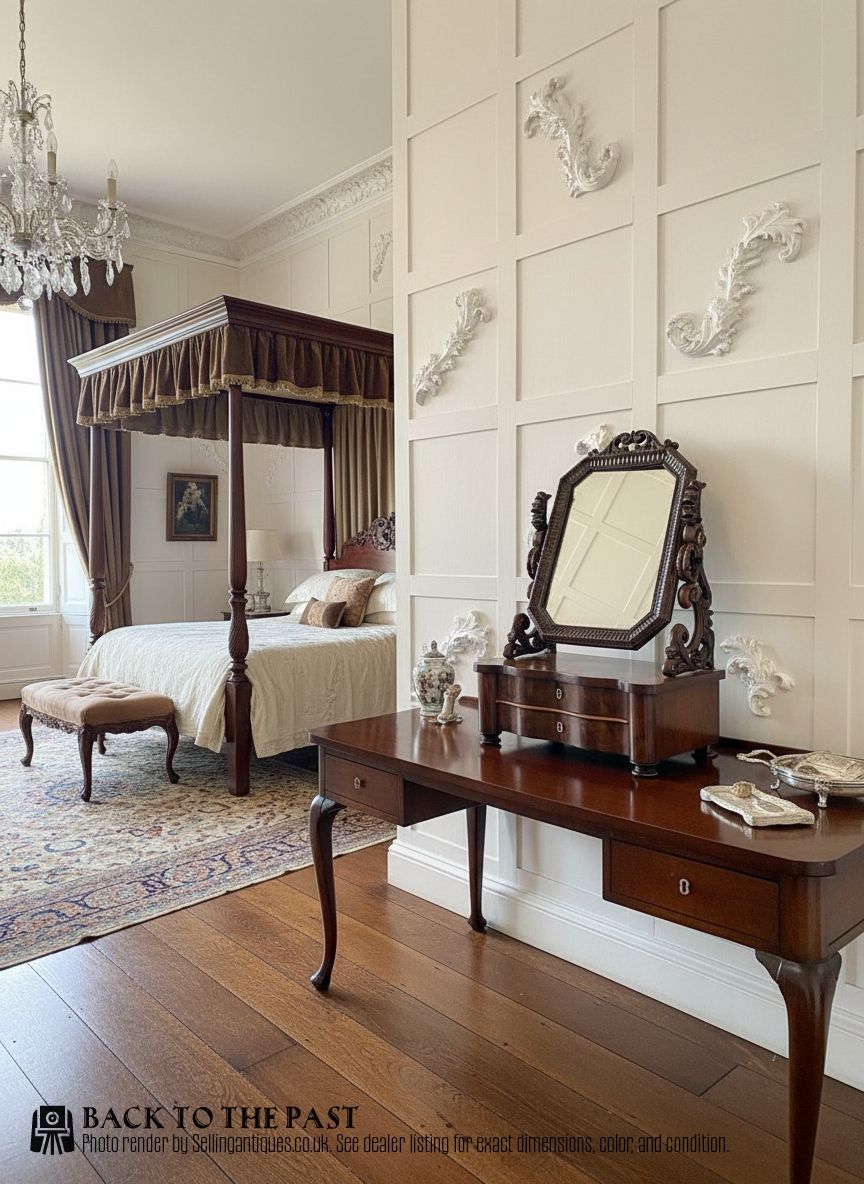
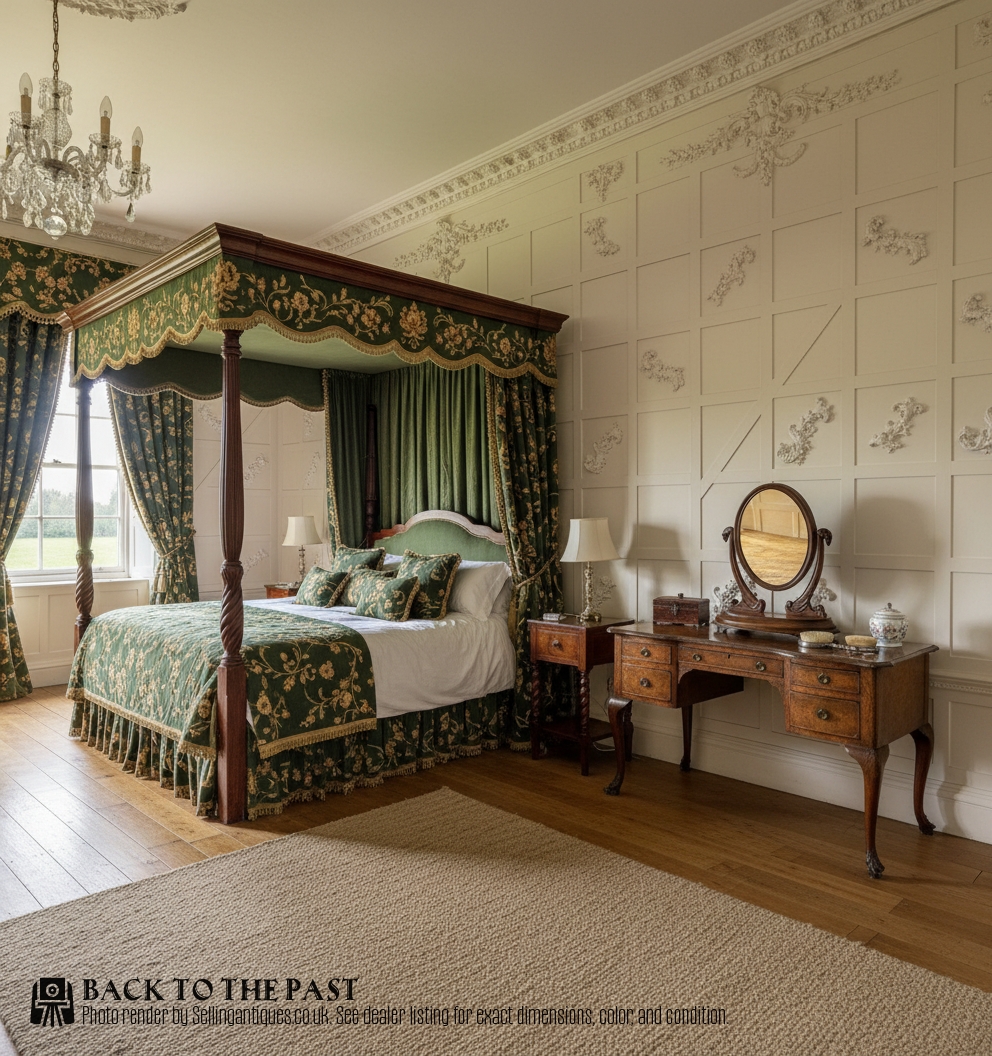
These looking glasses stood primarily on dressing tables, chest tops, and washstands within bedrooms and dressing rooms. Their portable nature allowed them to be positioned wherever natural light fell most favourably.
Larger versions with drawer bases doubled as miniature writing desks or storage units for personal grooming items, anchoring themselves securely to the furniture beneath them.
How do swing mirrors stay in position?
Pivoting side screws or threaded brass nuts pass through the upright arms into the sides of the mirror frame. Tightening these fixings creates friction that holds the glass plate at the desired angle.
Over decades of use, the tension may require adjustment to prevent the glass from slipping forward or backward under its own weight.
What is a bureau fitment?
A bureau fitment incorporates a small sloping desk lid and internal compartments directly beneath the mirror frame. This multi-functional design allowed the user to write letters and tend to grooming at the same piece of furniture.
Such examples combine the storage of a small cabinet with the daily utility of a swing mirror.
How do you date a Victorian mirror?
Dating relies on a combination of timber selection, stylistic revival motifs, and construction techniques. Earlier nineteenth-century examples often feature simple mahogany frames, whilst later Victorian pieces introduce cast brass, champleve enamel, and silver mounts.
Assay marks on silver frames and maker stamps on timber carcasses provide definitive chronological markers for specific pieces.