

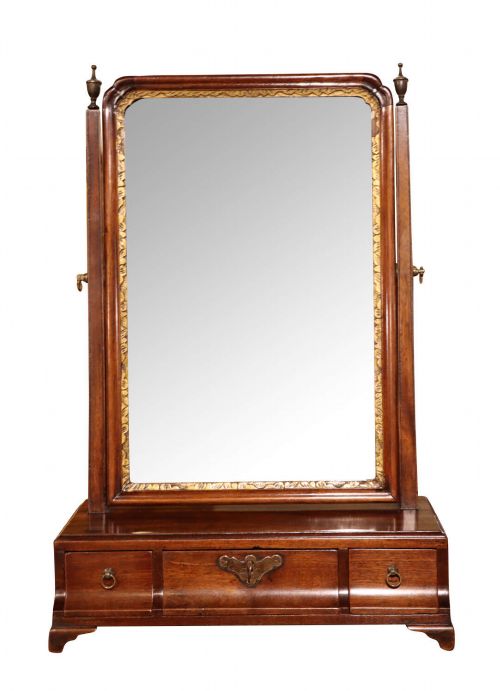
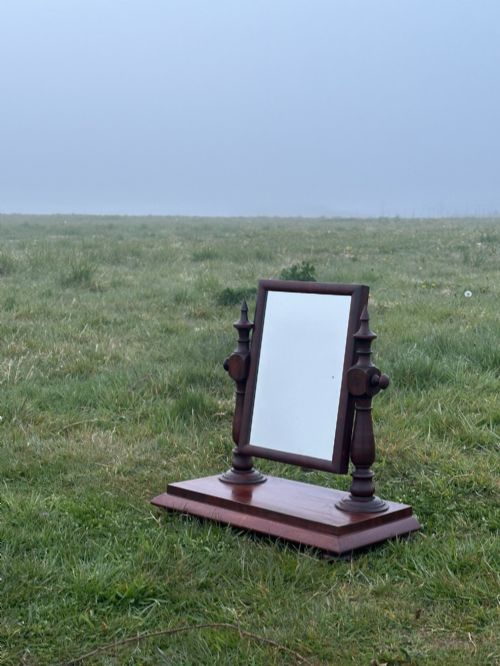


Victorian Toilet Glass
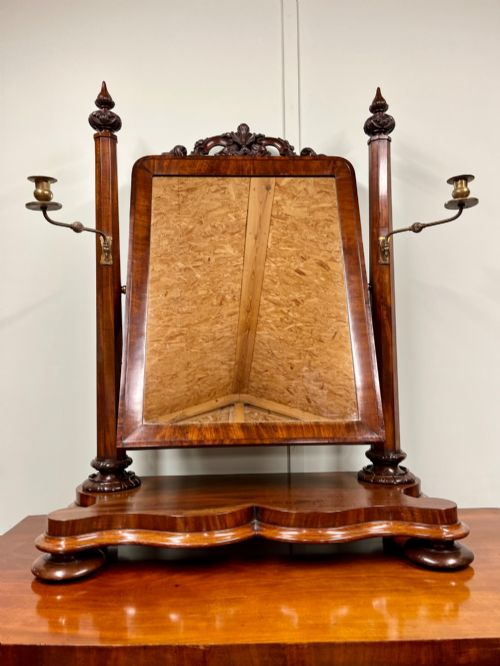
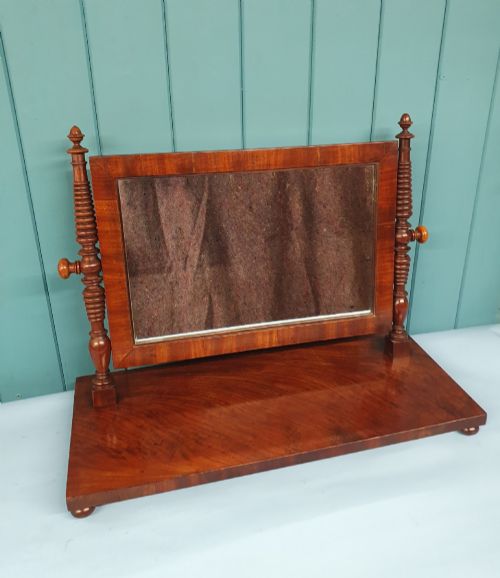
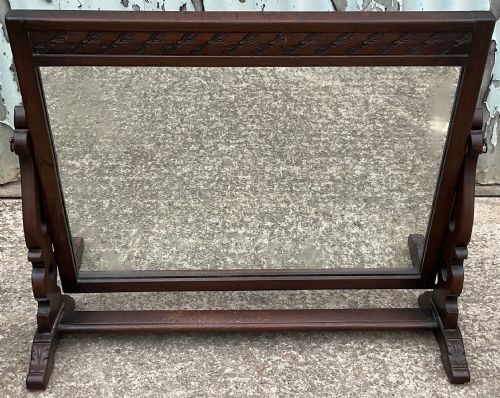
Victorian toilet glass pieces are dressing mirrors designed to sit atop a chest or table, bringing both reflection and traditional presence to a room.
What victorian toilet glass is
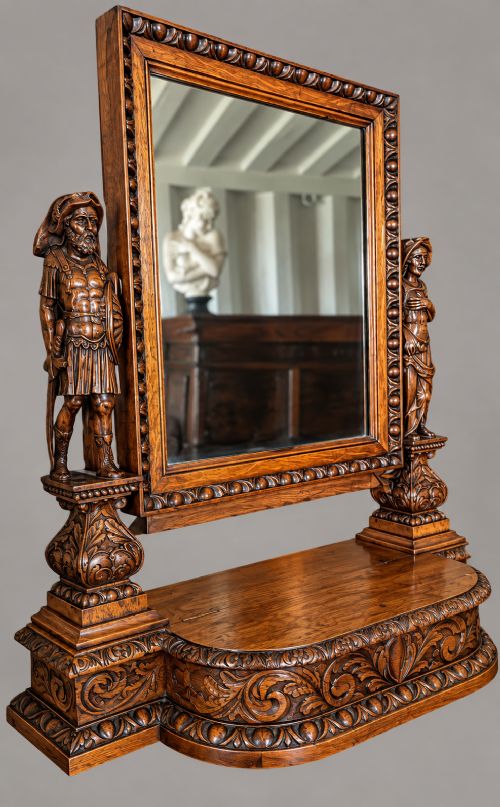
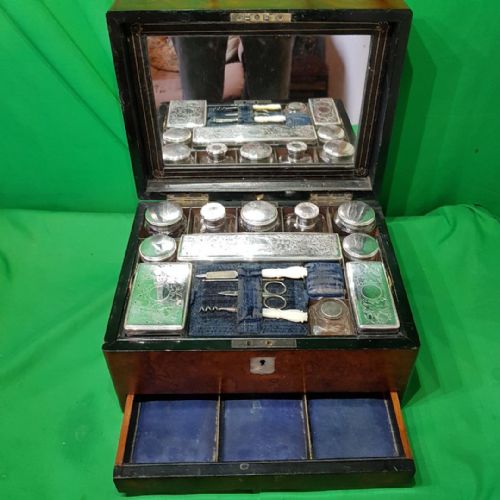
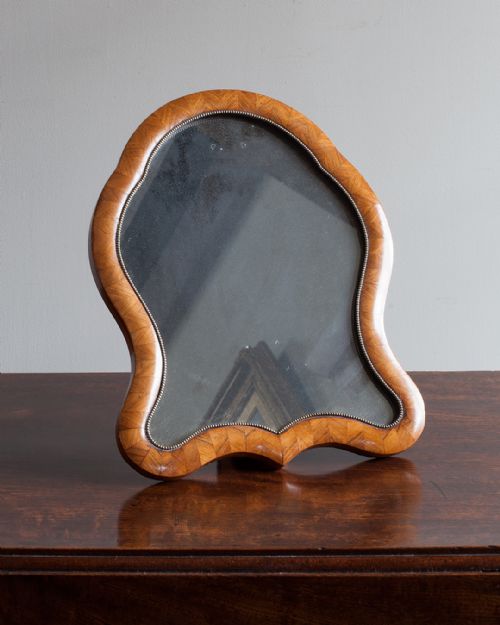
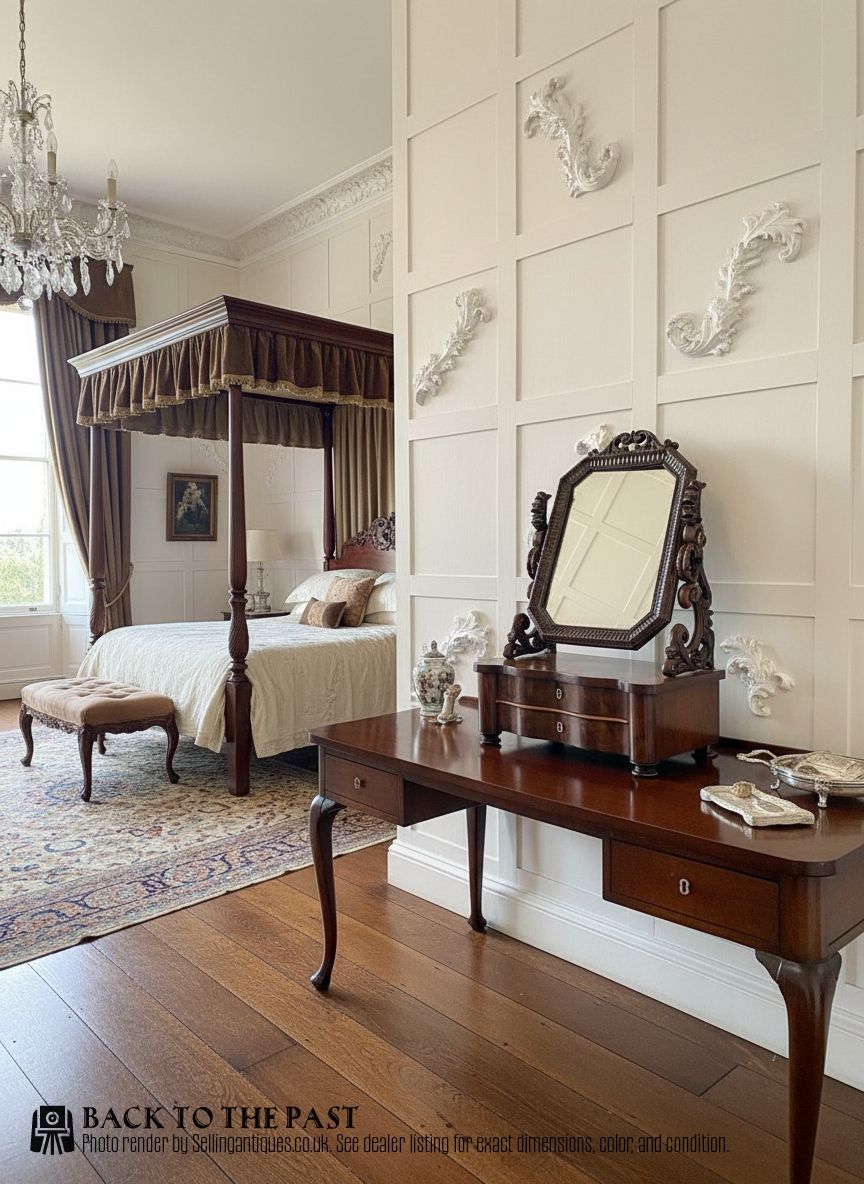
When you search for victorian toilet glass, you encounter dressing mirrors, dressing table mirrors, and standing mirrors intended for daily grooming and reflection. These pieces sit upon a larger surface, traditionally a chest of drawers or a dressing table, rather than standing independently upon the floor.
The versions most frequently met on this page span the Victorian era, alongside examples from the Georgian period, the nineteen-thirties, and eighteen-fifties through eighteen-nineties. Forms range from simple mahogany dressing mirrors to substantial pieces featuring marble tops and adjustable frames.
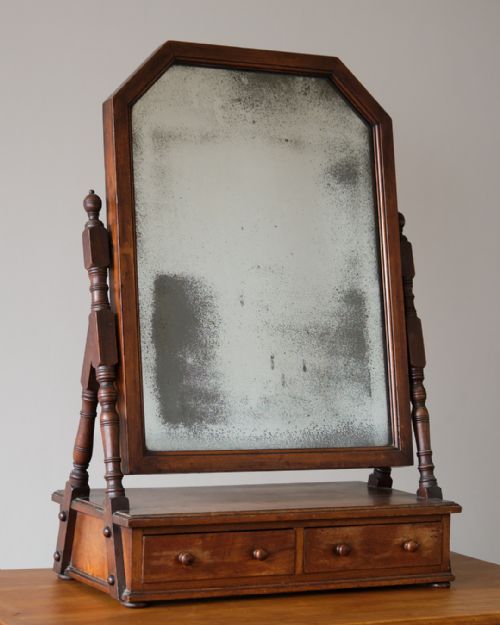
Makers utilised various formats, including barrel-fronted designs and swing mirrors that tilt to adjust the angle of the glass. Whether styled in the Victorian manner or under Arts and Crafts influence, these mirrors serve both a functional and a decorative role in interior spaces.

How they were made
Cabinet makers constructed these mirrors using solid timbers such as mahogany, oak, walnut, and flame mahogany veneer. Brass fittings, including adjustment screws and hinges, secure the swinging mirror frames to their upright supports.
Mirror glass sits within wooden frames, often supported by scroll arms or upright pedestals above box bases. Selected examples incorporate marble tops into the lower section, adding weight and a contrasting surface texture to the wooden construction.
Retail Price Guide 2026
Typical UK retail prices for victorian toilet glass, calculated from the Sellingantiques database of over a million retail prices indexed since 2003. This retail price guide relies exclusively on Sellingantiques data; no external sources or auction records are used, so the figures do not describe the wider market.
Materials recorded across the current inventory include mahogany, oak, walnut, brass, marble, and flame mahogany veneer.
What varies in quality
The distinction between standard examples and superior pieces rests upon the selection of timber and the sophistication of the joinery. Figured woods like flame mahogany veneer and carefully turned supports elevate the visual weight of the dressing mirror.
Integration of secondary materials, such as inset marble tops and substantial brass hardware, separates simpler utility pieces from finer decorative examples. The stability of the adjustable frame and the clarity of the mirror glass further define the tier of the piece.

The Victorian Toilet Glass Glossary
- Toilet glass
- A traditional term for a dressing table mirror or vanity glass, designed to sit on top of furniture.
- Swing mirror
- A mirror plate hung on pivots between two upright posts, allowing the glass to tilt forward or backward.
- Flame mahogany veneer
- A thin slice of mahogany timber featuring a distinctive flickering grain pattern, applied to a secondary wood base.
- Barrel fronted
- A furniture front curved in a convex arc, seen on specific regional mirror stands.
- Adjustable mirror
- A glass frame fitted with brass thumbscrews or pivots that hold the mirror at a chosen angle.
Frequently Asked Questions
What is a toilet glass?
A toilet glass is a movable dressing mirror designed to rest on top of a table, chest of drawers, or vanity. The term dates from periods when the dressing area was referred to as the toilet.
These mirrors allowed individuals to check their appearance and adjust their hair or cravat. They remain practical accessories for modern bedrooms and dressing rooms.
How do I use a swing mirror?
A swing mirror hangs on pivots or pins set into vertical side arms, allowing the glass to tilt. You simply tilt the frame to the desired angle for your height.
Brass thumbscrews on the side posts can be gently tightened to hold the mirror steady at your chosen tilt. This mechanism provides flexibility without requiring wall fixings.
Where should I place a dressing mirror?
These mirrors are proportioned to sit securely on top of a chest of drawers, sideboard, or dedicated dressing table. Placing them near a window maximises the natural light reflecting into the room.
Ensure the supporting surface is level and deep enough to bear the weight of the mirror base and frame.
How do I tell Victorian mirrors apart from Georgian ones?
Victorian mirrors often feature heavier proportions, richer carved details, and darker timbers like walnut and mahogany. Georgian examples tend to show restrained lines, lighter framing, and specific regional characteristics such as barrel-fronted bases.
Examining the construction methods, backboards, and types of brass hardware helps distinguish between the different periods.