
Victorian Sterling Silver Set
A victorian sterling silver set encompasses cased condiment collections, matching flatware, and tea services designed for dining, hospitality, and gifting.
Victorian Sterling Silver Set
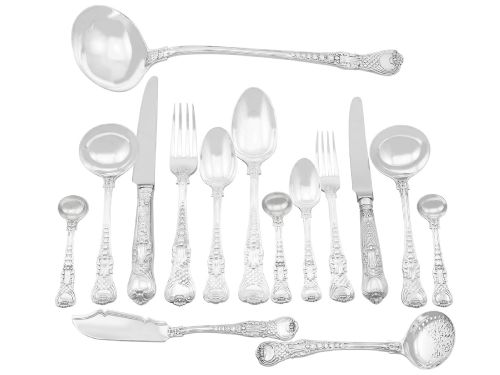
When searching for a victorian sterling silver set, buyers encounter multiple distinct categories ranging from dining table accessories to personal presentation pieces. The selection includes cased christening sets containing forks, spoons, and knives, alongside larger tea and coffee services comprising pots, cream jugs, and sugar bowls.
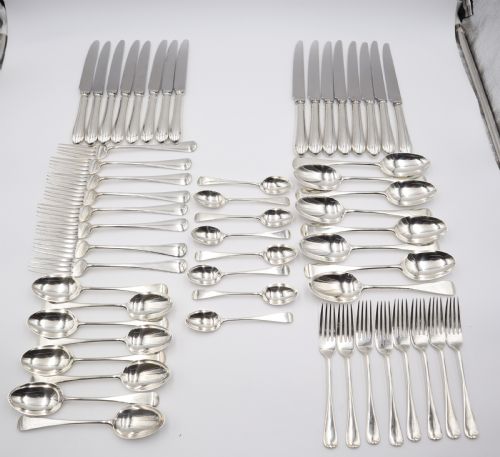
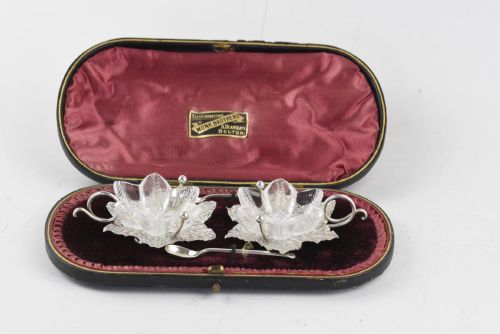
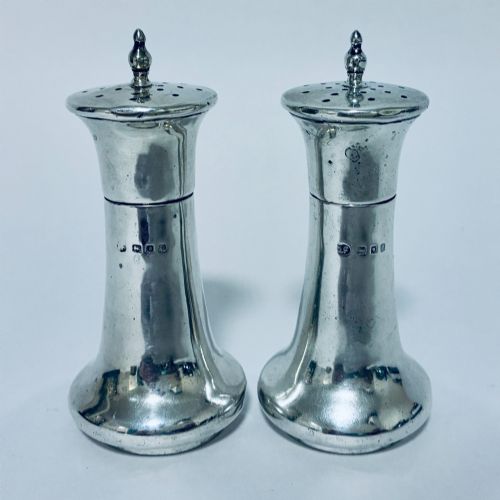
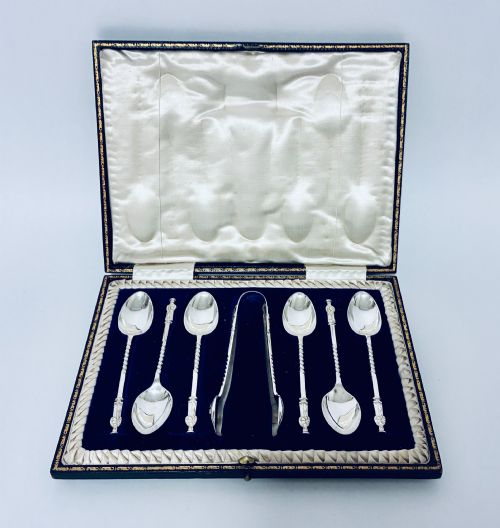
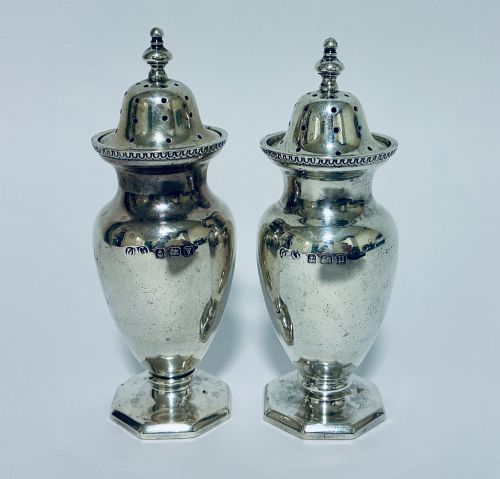
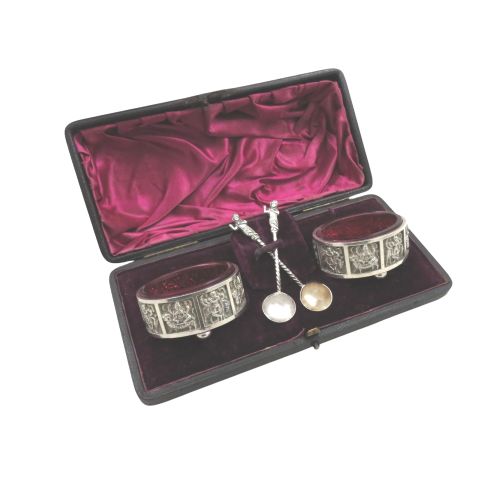
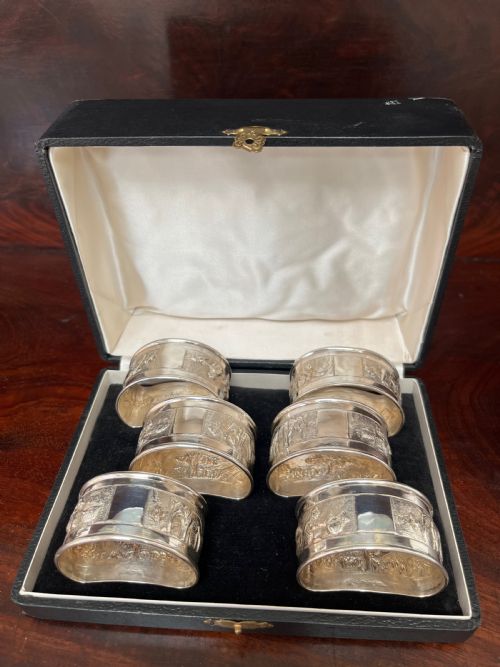
Cruet and condiment sets appear frequently, housing mustard pots, pepper shakers, and salt cellars often accompanied by matching spoons and blue glass liners. Flatware collections span fiddle pattern canteens, napkin ring sets, apostle spoon groupings, and specialised dessert or fish serving utensils.
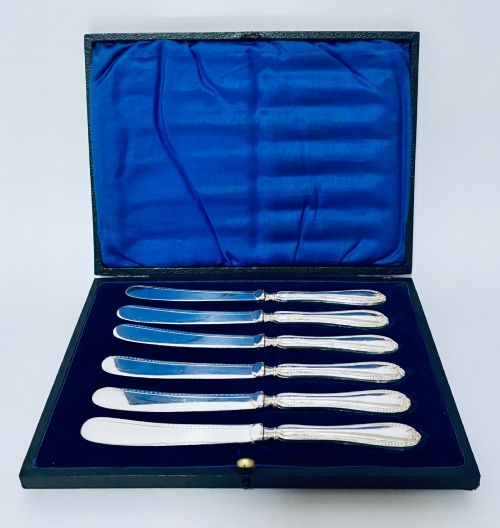
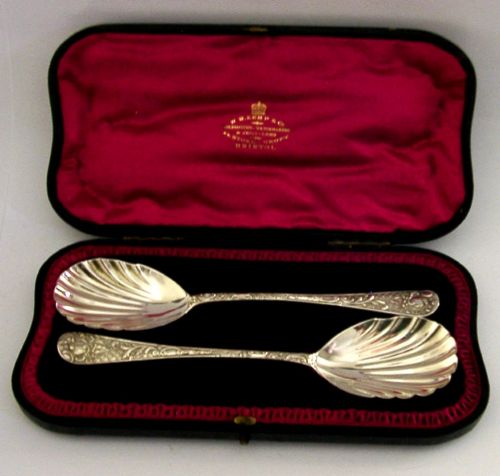
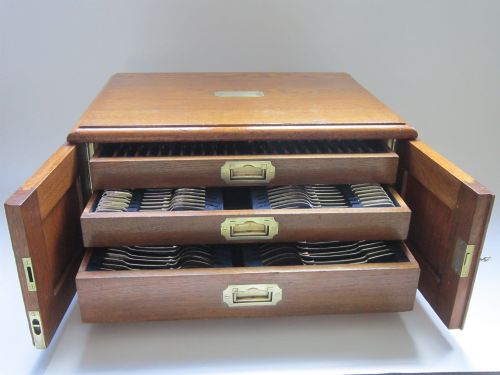
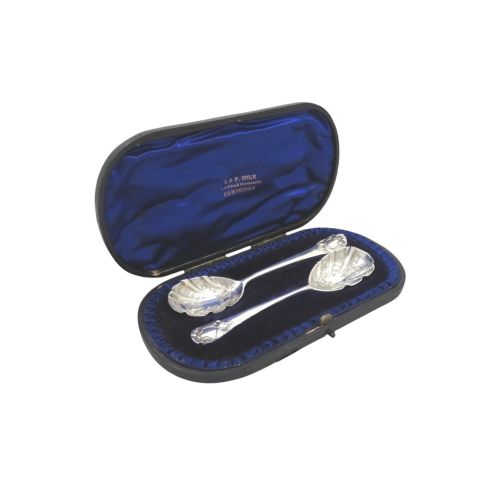
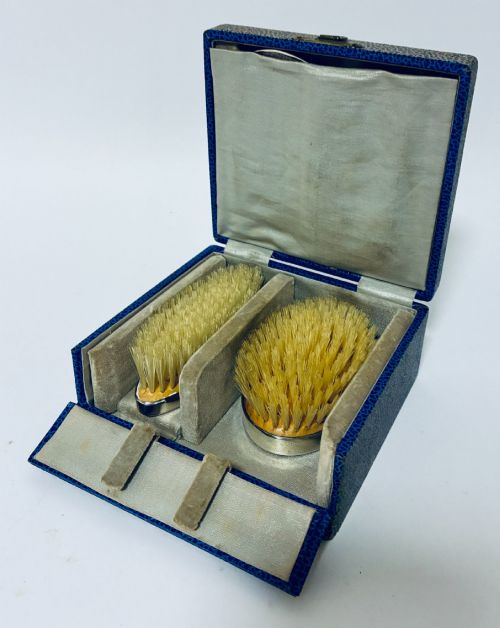
Presentation and travel boxes lined with velvet, silk, leather, or satin frequently accompany these groups, particularly christening gifts, dresser items, and novelty cruets. Surviving examples reflect the domestic rituals and formal dining habits of the nineteenth century.
Markers of Distinction
Quality in a victorian sterling silver set rests on the completeness of the matched components and the crispness of decorative detailing, such as hand-engraved foliage, pierced scrollwork, and cast figural elements. Sets that retain their original fitted presentation case with intact silk or velvet linings demonstrate higher desirability than loose or incomplete groupings.
The reputation of the silversmith, weight of the silver, and structural integrity of delicate parts like glass liners or hinged lids further separate standard production from superior examples. Consistency across hallmarks on every individual piece within a multi-item collection confirms authenticity and original assembly.
Charles and George Fox·William Comyns·William Hunter·Sampson Mordan
The Victorian Sterling Silver Set Glossary
- Sterling silver
- An alloy consisting of 92.5 percent silver and 7.5 percent other metals, usually copper, chosen for durability in tableware and decorative objects. British pieces carry standard hallmarks confirming this standard.
- Fiddle pattern
- A traditional flatware silhouette featuring an elongated stem that swells gracefully near the terminal into a shape resembling a fiddle or violin. This design enjoyed widespread popularity throughout the nineteenth century.
- Cruet set
- A matched collection of small vessels designed to hold condiments such as mustard, pepper, salt, oil, and vinegar for the dining table. These typically sit on a dedicated silver stand or within a fitted presentation case.
- Apostle spoon
- A decorative spoon featuring the figure of an apostle cast or chased on the handle terminal, often produced in sets of six or twelve with accompanying sugar tongs. They revive sixteenth-century design traditions.
- Gilt
- A thin layer of gold applied to the surface of sterling silver, frequently seen inside salt cellars, mustard pots, and berry spoon bowls to protect the metal from corrosive food acids.
Victorian Sterling Silver Set: Frequently Asked Questions
What is included in a christening set?
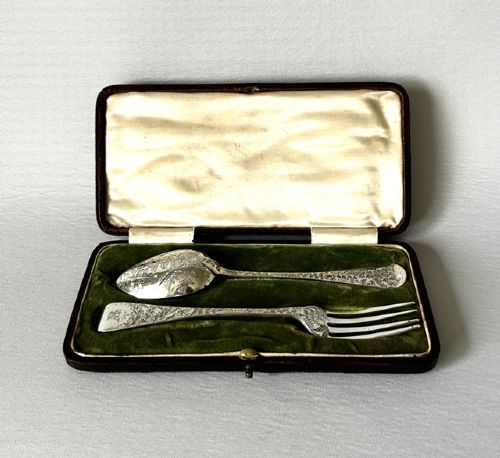
A christening set typically comprises a matching fork and spoon, or includes a matching knife, presented together within a velvet or silk-lined case. These were traditionally given as infant gifts to mark birth or baptism.
Many surviving examples feature engraved botanical decoration, apostle terminals, or figural motifs suited to young recipients.
How do I clean antique silver sets?
Cleaning requires gentle handling with a specialised silver cloth or mild liquid polish designed for antique metals to preserve delicate engraving and hallmarks. Harsh abrasive pastes or chemical dips should be avoided, as they strip away patination and can damage fitted linings.
Pieces with organic handles like mother of pearl or horn, or internal glass liners, require washing separately to prevent moisture damage to cements and wooden cores.
Were these sets originally fitted in cases?
Many sets, particularly flatware, christening gifts, and condiment collections, were sold in custom fitted presentation boxes lined with satin or velvet. These cases protected the items during storage and presentation.
Over time, some sets became separated from their original boxes, though cased examples remain highly sought after by collectors.
How can I date a silver set?
Dating relies on the system of official British assay office hallmarks stamped directly onto the silver, which include date letters, maker marks, and standard purity symbols. Examining the specific stylistic traits, such as Aesthetic Movement engraving or Victorian Rococo Revival scrolls, offers additional chronological context.
Matching stamps across all components confirm whether a set was created as a single unified batch or assembled later.