




Victorian Dining Table Decor
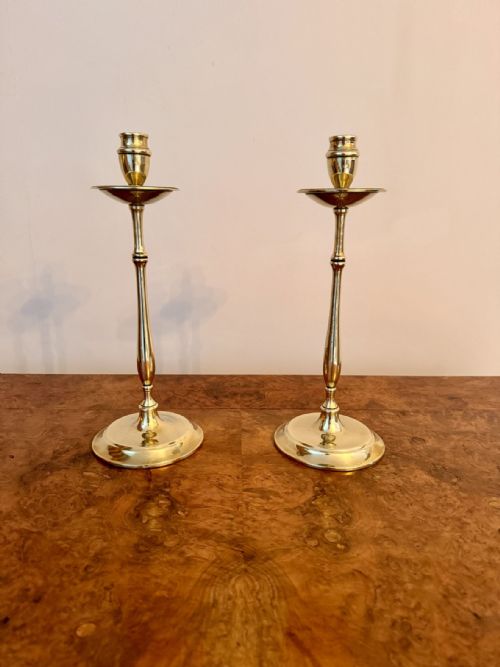
Victorian dining table decor brings character to the dining room through silver napkin rings, knife rests, and brass candlesticks.
Victorian Dining Table Decor
Victorian dining table decor comprises the small decorative and functional objects placed upon the dining board during the nineteenth and early twentieth centuries. These pieces include napkin rings, knife rests, candlesticks, menu holders, dinner gongs, and spoon warmers used during formal meals.
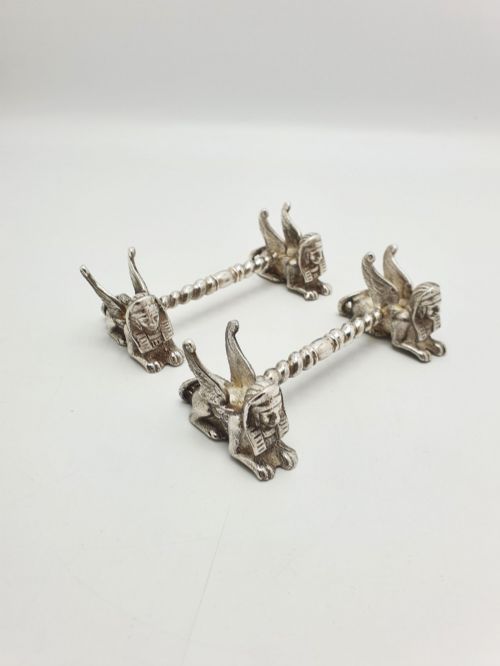
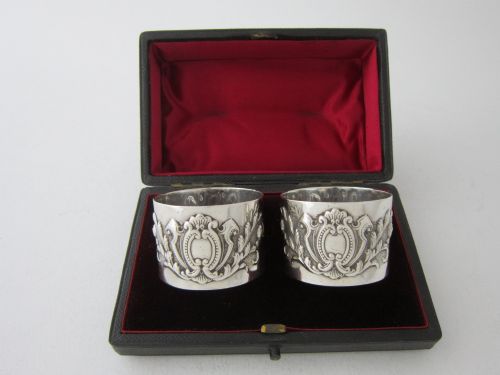
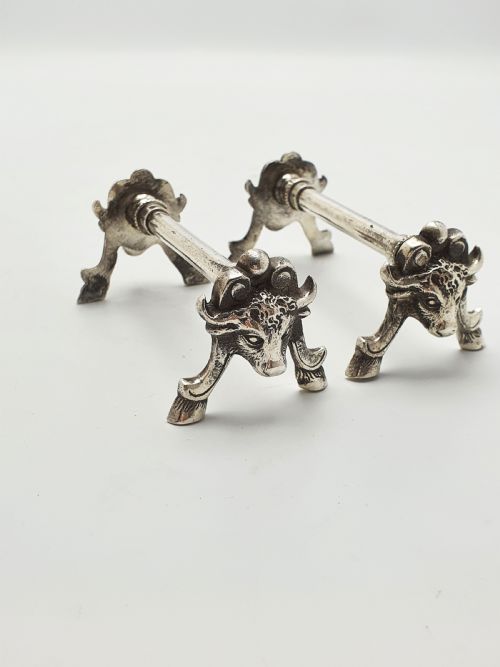
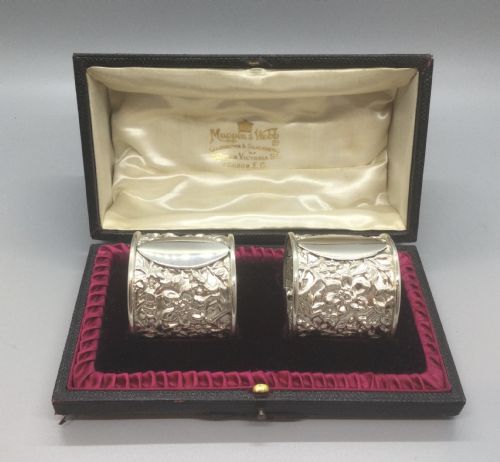
Buyers browsing victorian dining table decor most frequently encounter napkin rings and knife rests fashioned from sterling silver and silver plate. Pairs of knife rests featuring sphinx or bull head motifs appear regularly alongside cased sets of sterling silver napkin rings from the eighteen nineties.
The selection extends to larger table centerpieces and accessories originating from the eighteen sixties through the Edwardian period. Brass candlesticks, bamboo dinner gongs, and novelty nautilus ammonite shell spoon warmers represent the diverse range of items utilised at the table.
Materials and construction
Makers utilised sterling silver and silver plate as the primary metals for tableware accessories like napkin rings and menu holders. Brass also served extensively for substantial items such as candlesticks and ornate table decorations.
Specialised manufacturing techniques produced distinct decorative styles including Egyptian Revival, Victorian Aesthetic Movement, and Victorian Naturalism. Artisans incorporated materials such as silk, velvet, leatherette, and mother of pearl to complement the metalwork.
Assessing quality in table pieces
The presence of original fitted cases and matching sets elevates the desirability of items like napkin rings and knife rests. Complete pairs and boxed sets reflect greater care and higher initial investment than scattered single pieces.
The Victorian Dining Table Decor Glossary
- Sterling silver
- A silver alloy containing ninety-two point five percent pure silver by mass, widely utilised for durable tableware. It carries hallmarks indicating the assay office and year of manufacture.
- Silver plate
- A base metal coated with a thin layer of silver, offering the appearance of solid silver at a lower cost. Many nineteenth-century knife rests and menu holders utilised this technique.
- Egyptian Revival
- A nineteenth-century design style drawing inspiration from ancient Egyptian motifs such as sphinxes. This aesthetic appeared frequently on decorative metalwork and knife rests around eighteen eighty.
- Spoon warmer
- A decorative vessel filled with hot water to warm serving spoons before they touched food. Novelty examples took forms such as nautilus ammonite shells.
- Menu holder
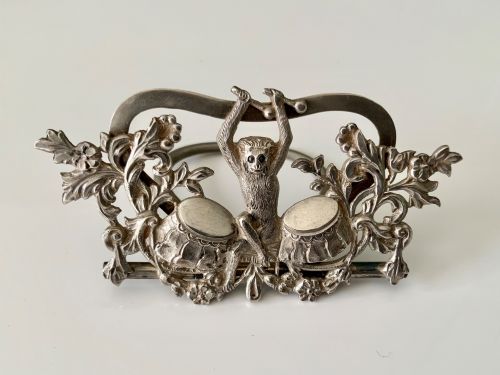
- A small upright stand designed to display the meal's course list on the dining table. Edwardian examples sometimes featured whimsical figures like monkeys playing drums.
Victorian Dining Table Decor: Frequently Asked Questions
What is victorian dining table decor?
Victorian dining table decor encompasses the metalware and decorative accessories placed on the dining table during the nineteenth century. These items include napkin rings, knife rests, candlesticks, and menu holders.
Such pieces served both functional purposes during meals and decorative roles in formal table settings. They reflect the craftsmanship and aesthetic tastes of the Victorian and Edwardian eras.
How were knife rests used?
Knife rests held dirty or unused knives above the tablecloth between courses during formal dinners. This kept the table linen clean and prevented food transfer.
Hosts placed them beside each setting, often utilising matched pairs made from silver plate, brass, or mother of pearl.
What metals are common?
Sterling silver and silver plate appear most frequently in table accessories like napkin rings and menu holders. Brass was favored for heavier items such as candlesticks.
Nickel silver and base metals also served as foundations for plated wares during the nineteenth and early twentieth centuries.
How do I date these pieces?
Dating relies heavily on British silver hallmarks stamped onto sterling items, which indicate the exact year and assay office. Stylistic clues such as Egyptian Revival motifs or Aesthetic Movement engraving also narrow down the period.
Materials and construction techniques further help distinguish mid-Victorian pieces from later Edwardian examples.