


Late Victorian Silver Tableware
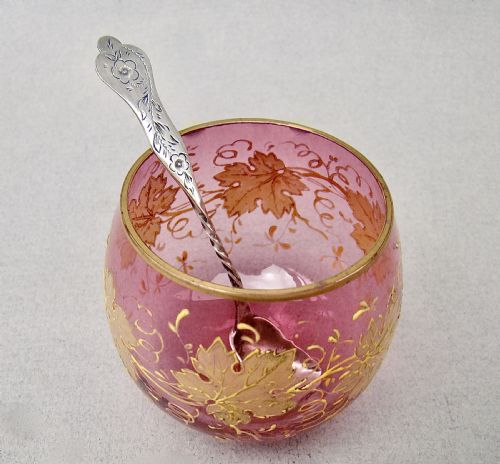
Late victorian silver tableware brings heavy dining rituals and bright cranberry glass to the table.
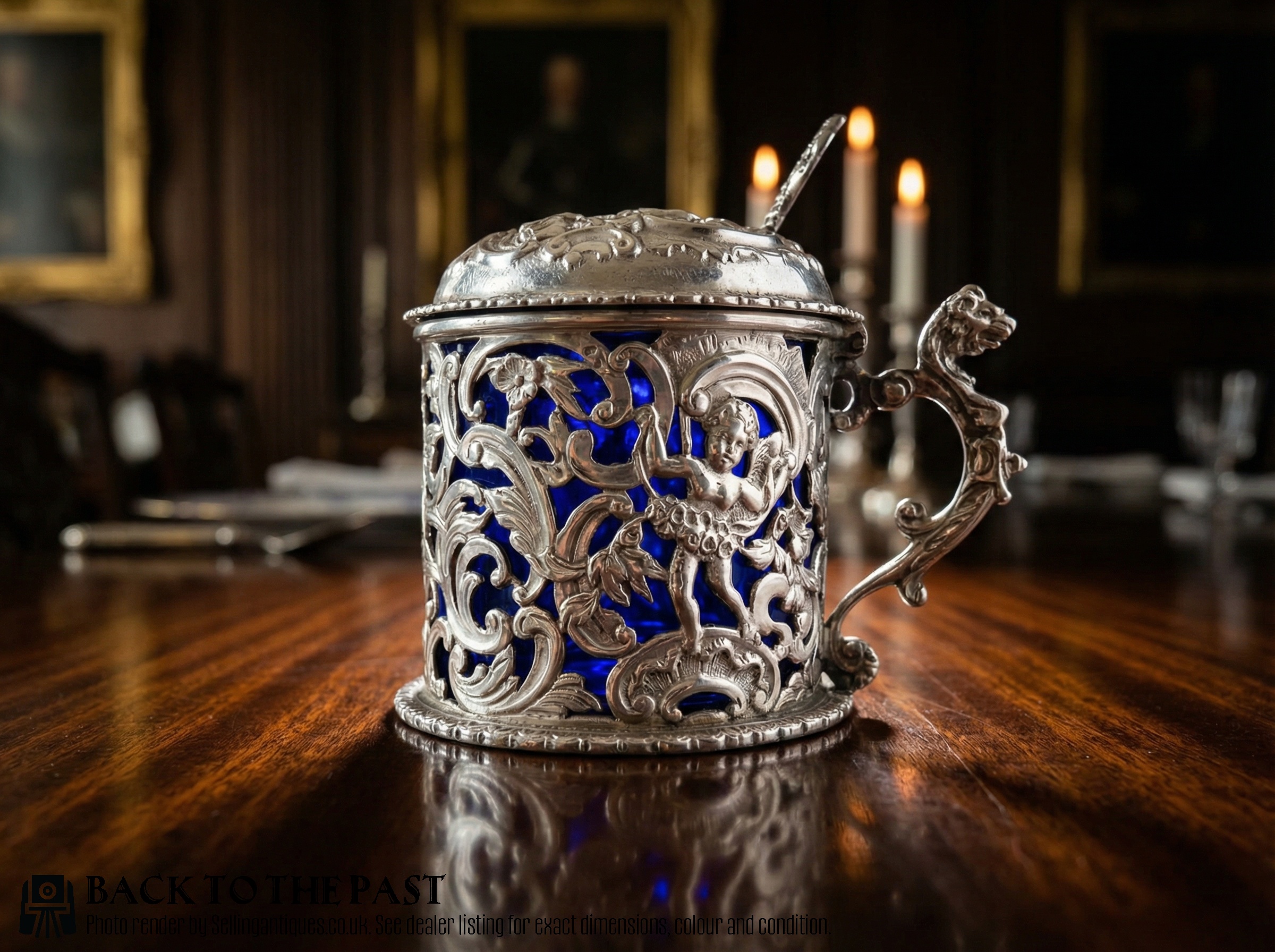
Late Victorian Silver Tableware
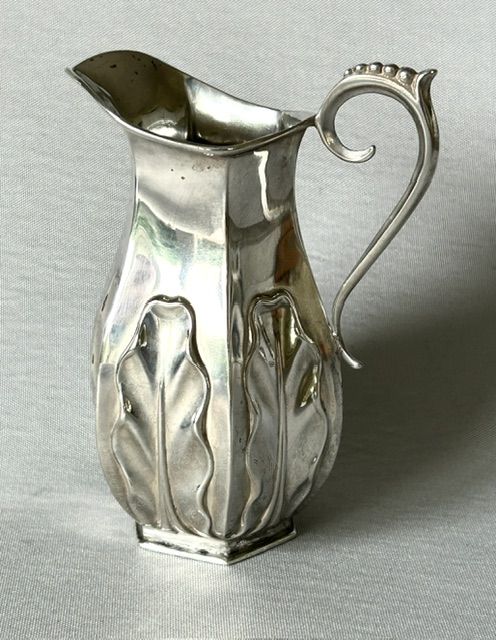
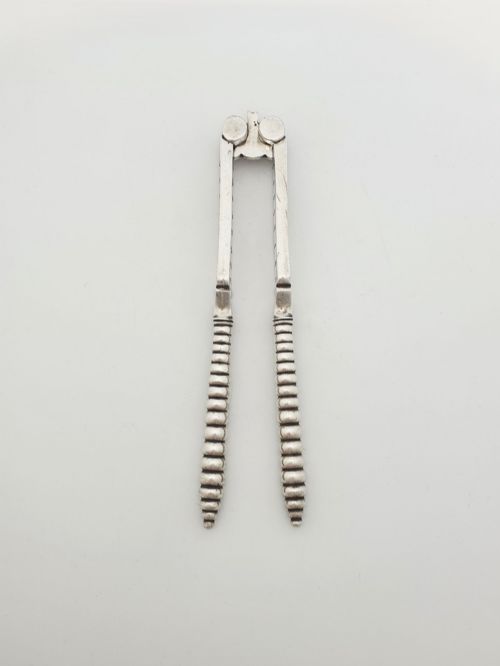
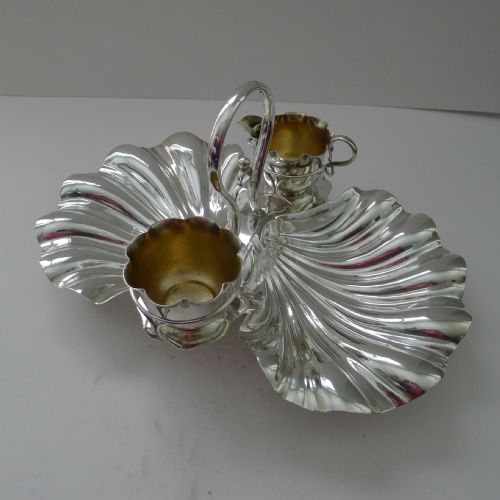
Late victorian silver tableware covers the dining accessories and serving pieces produced around the turn of the twentieth century. These items range from small salt cellars and napkin rings to larger cruet sets, bowls, and cream jugs.
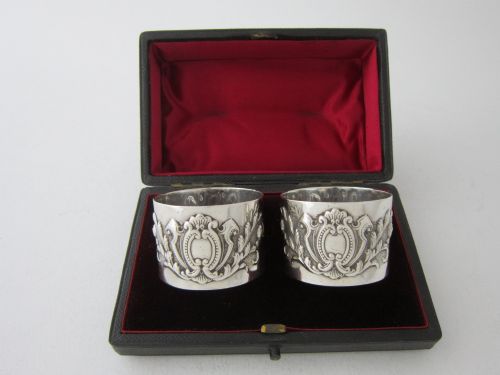
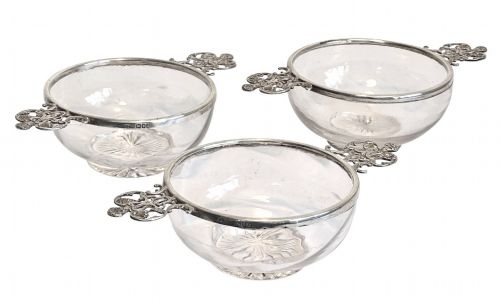
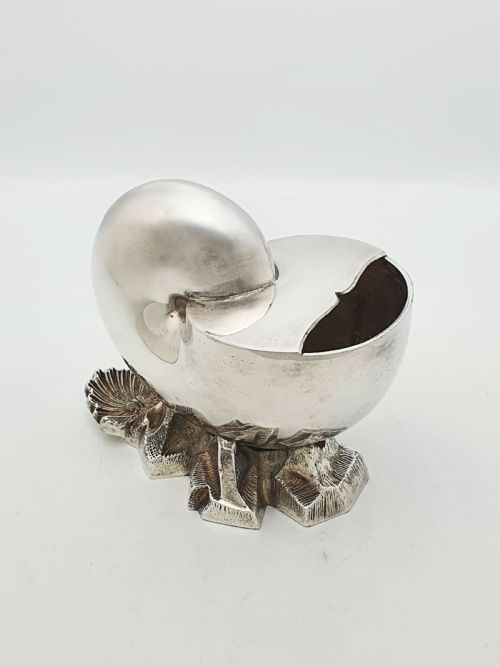
The version most commonly met on this page is the sterling silver or silver plated napkin ring, alongside mounted glass bowls and specialised serving spoons. Makers of the era also produced novelty items such as spoon warmers shaped like nautilus shells.
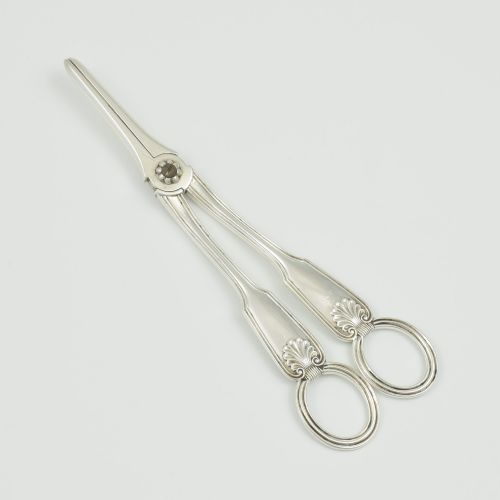
Pieces from this era reflect the formal dining habits of the period, often utilising fitted boxes, glass liners, and specialised tools for fruit, butter, and seafood.
Materials and construction
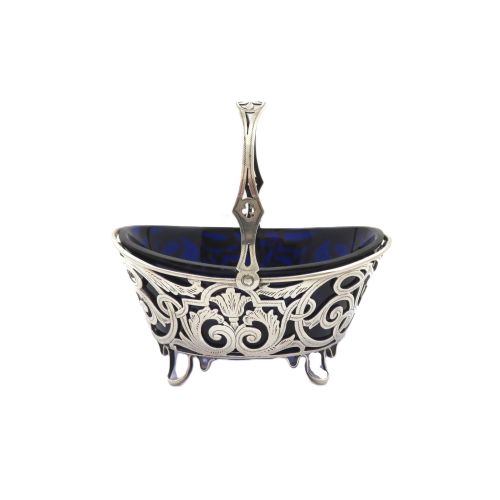
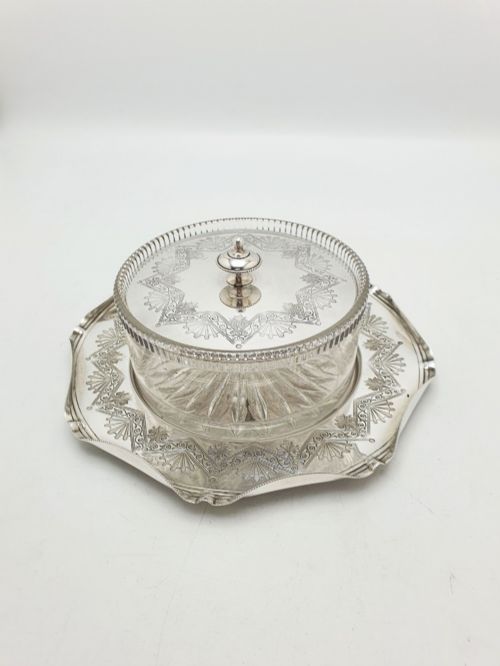
Silversmiths of this era worked primarily in sterling silver and silver plate over base metals, frequently combining metalwork with cut glass, cranberry glass, ceramic elements, and wooden frames. Many items incorporate fitted elements such as glass liners for butter dishes or velvet and leatherette cases for boxed sets.
Decoration relied heavily on piercing, chasing, engraving, and gilding, particularly on berry spoons, baskets, and condiment stands. Novelty pieces utilised cast forms resembling shells, animals, and belts to catch the eye on the dining table.
Materials appearing across current selections include sterling silver, silver plate, cranberry glass, stoneware, walnut, and mother-of-pearl.
Distinguishing quality
Quality in late victorian silver tableware rests on the crispness of the chasing and piercing, the weight of the metal, and the integrity of any fitted glass or ceramic components. Maker marks and clear hallmarks also separate standard production items from finer workshop pieces.
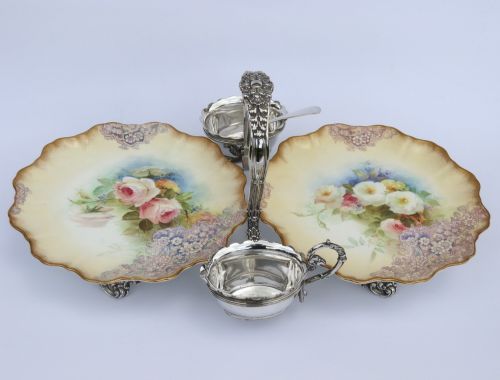
The harmony between secondary materials, such as hand-painted porcelain plates or matched cut glass liners, indicates the care taken during production. Items retaining original fitted cases demonstrate a higher grade of original commission.
William Comyns·Goldsmiths & Silversmiths Co·Walker and Hall·William Hutton·Dmitrii Nikolaevich Nikolaev
The Late Victorian Silver Tableware Glossary
- Sterling silver
- A silver alloy containing 92.5 percent pure silver and 7.5 percent other metals, usually copper, ensuring structural strength for tableware.
- Silver plate
- A layer of silver fused or electroplated onto a base metal core such as nickel silver or copper, offering the appearance of solid silver.
- Cruet set
- A matched collection of small bottles, jars, or shakers holding condiments, typically housed in a dedicated silver or plated stand.
- Berry spoon
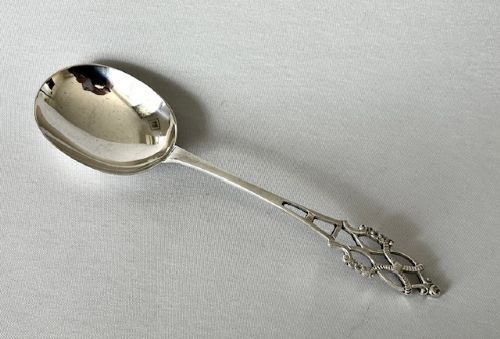
- A large serving spoon, often with a heavily chased or gilt bowl, used specifically for serving soft fruits.
- Spoon warmer
- A decorative vessel filled with hot water to warm serving spoons before they touched cold food.
Late Victorian Silver Tableware: Frequently Asked Questions
What is a silver cruet set?
A cruet set is a matched group of glass bottles or containers housed in a metal frame for holding condiments at the dining table.
These sets usually contained receptacles for oil, vinegar, mustard, and pepper during formal meals.
How do I care for silver plate?
Silver plate requires gentle cleaning with non-abrasive silver polish to protect the thin silver layer over the base metal.
Regular dusting and avoiding harsh chemicals keep the plated surface bright without wearing through to the underlying metal.
What are berry spoons used for?
Berry spoons are large serving implements designed specifically for serving soft fruits like strawberries and raspberries.
Their bowls are often heavily decorated with embossed fruit and leaf motifs, sometimes featuring a gold wash known as gilding.
How can I tell sterling from plated silver?
Sterling silver typically bears hallmarks indicating the standard of purity, the maker, and the assay office.
Silver plated items generally lack these official purity marks and instead carry maker initials alongside marks denoting electroplating.