



Victorian Sterling Silver Bowls
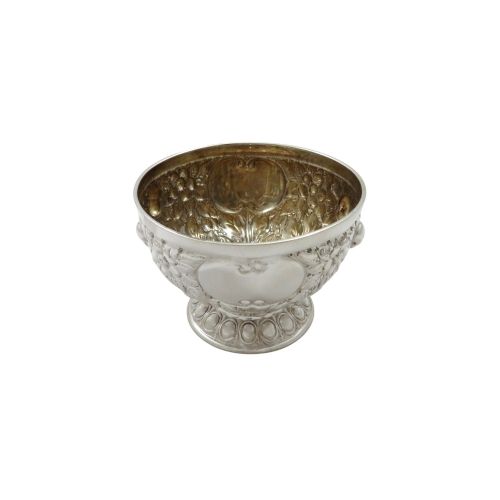
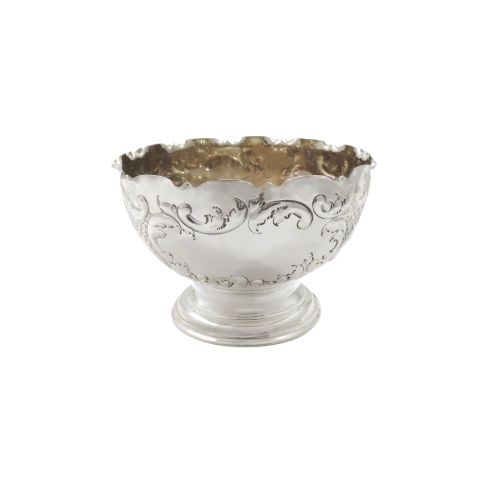
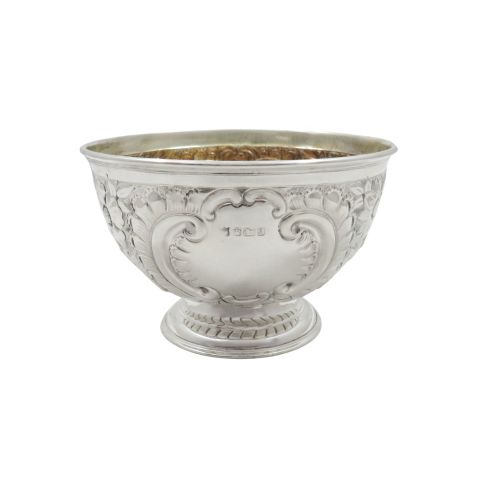
These Victorian sterling silver bowls bring substance and ornate detail to the table, formed from heavy silver and shaped with the elaborate styles of the nineteenth century.
Victorian Sterling Silver Bowls
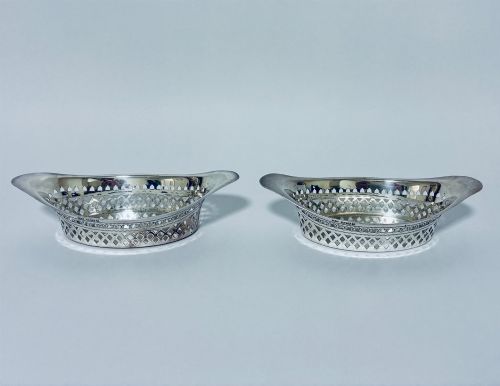
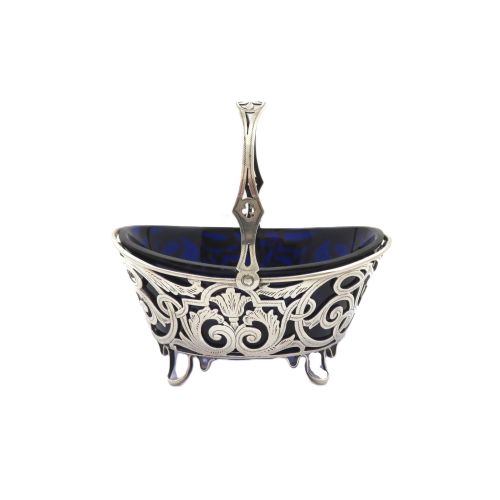
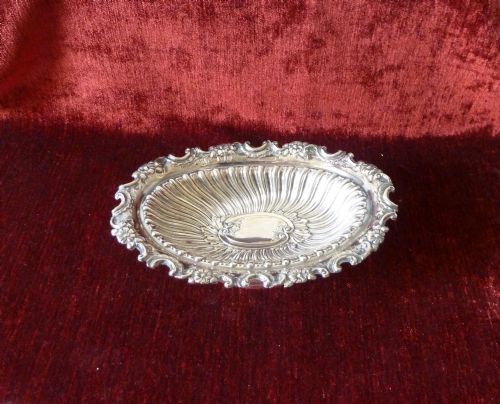
When searching for victorian sterling silver bowls, collectors encounter a diverse array of domestic vessels designed for the dining table, sideboard and display cabinet. The selections span open presentation pieces, footed bowls, pierced baskets with liners, and smaller dishes intended for bonbons or sugar.
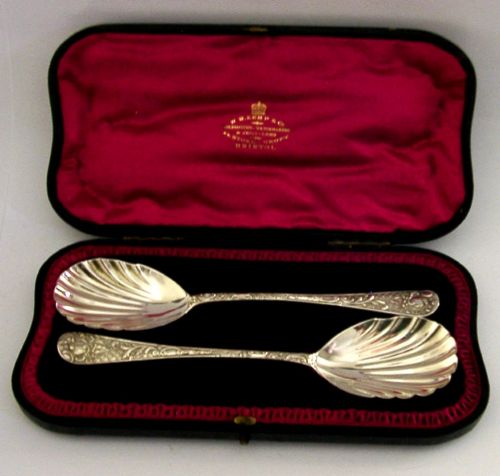
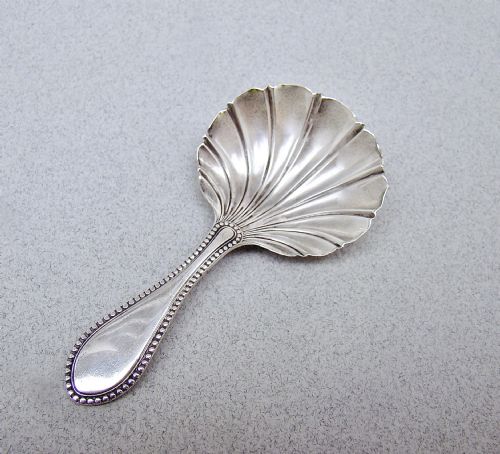
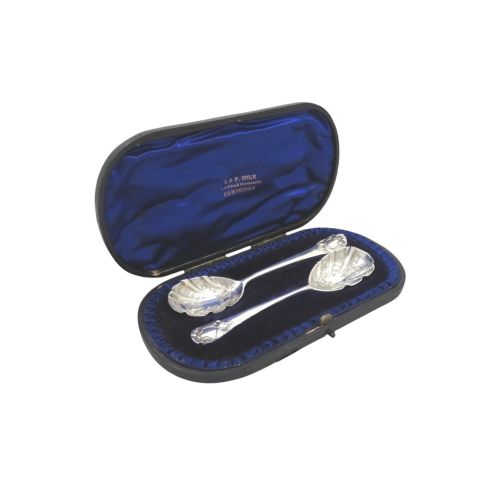
Many examples are accompanied by fitted cases lined in velvet, silk or satin, alongside associated serving spoons, cream jugs, and sifter spoons. The forms range from plain circular bodies to elaborate oval baskets with cast floral handles and pedestal feet.
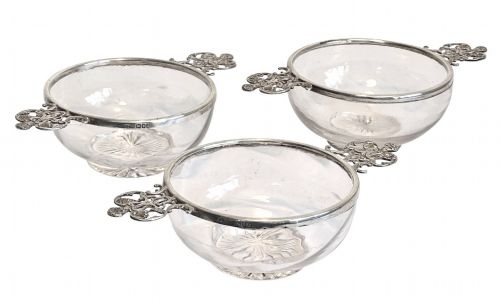
Alongside standard domestic tableware, the items include novelty forms such as barrel-shaped quaichs, boat-shaped salt cellars, and tazza footed bowls reflecting Anglo-Indian influence. These functional objects served the formal dining rituals of the nineteenth century with heavy metalwork and decorative pierced designs.
How they were made
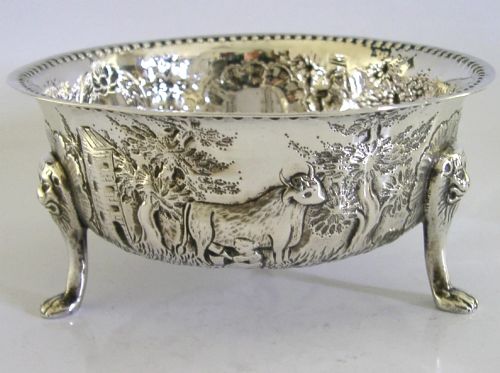
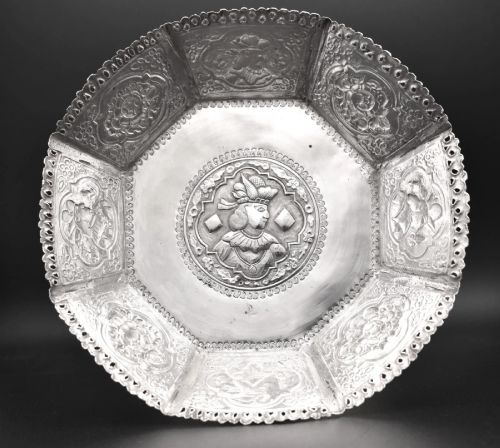
The construction of these pieces relies primarily on solid sterling silver, shaped through hammering, casting, and piercing techniques executed by silversmiths in major manufacturing centres such as London and Sheffield. Handles and decorative mounts were frequently cast separately and soldered to the main body, whilst intricate surface patterns were hammered from the reverse in repoussé work.
Selected items receive a partial or total coating of silver gilt, imparting a rich golden tone to the interior surfaces of bowls and the bowls of matching spoons. Where glass is incorporated, cut or moulded vessels are fitted with pierced silver mounts or rims designed to secure the crystal components firmly.
One determined silversmith turned a Scottish drinking vessel into a silver barrel, proving that Victorians loved a novelty with their dinner.
What varies in quality
The distinction between standard domestic items and the finest work rests upon the weight of the metal and the complexity of the ornamentation. Heavier gauge silver provides a rigid, substantial feel that resists denting, while finer examples exhibit crisp casting on handles and deep, well-defined piercing rather than superficial surface etching.
Maker attribution also influences standing, with pieces bearing the marks of established silversmiths commanding greater attention. The presence of original fitted cases lined in satin or velvet adds a layer of preservation that distinguishes pieces kept safely stored from those subjected to heavy daily use.
Martin Hall & Co·William Comyns·Mappin & Webb·James Hennell·Thomas Smily·Mackay & Chisholm·Tiffany & Co
The Victorian Sterling Silver Bowls Glossary
- Sterling silver
- A silver alloy containing 92.5 percent pure silver by mass and 7.5 percent other metals, usually copper. This standard composition provides the durability required for domestic tableware while maintaining a bright metallic lustre.
- Silver gilt
- Sterling silver that has been coated with a thin layer of gold through an electrochemical or fire-gilding process. This treatment creates a warm, golden interior finish often seen on presentation vessels and berry spoons.
- Repoussé
- A metalworking technique where the silversmith hammers the metal from the reverse side to form a raised design in relief on the front. It is frequently seen on decorative bowls and dishes requiring ornate floral or figurative motifs.
- Pierced
- A method of cutting decorative openwork patterns through the silver sheet using a fine metal saw or punch. This technique lightened the visual weight of large baskets and serving dishes while creating intricate geometric or floral lattices.
- Quaich
- A traditional Scottish two-handled drinking vessel or small bowl with flat lugs instead of handles. Nineteenth-century silversmiths occasionally adapted this form into novelty tableware pieces such as barrel-shaped salt dishes.
Victorian Sterling Silver Bowls: Frequently Asked Questions
How were Victorian silver bowls used?
These vessels served specific functions in nineteenth-century dining, ranging from holding loose sugar and bonbons to presenting fruit, strawberries, and side dishes at formal meals.
Many were paired with matching sifter spoons, tongs, or glass liners to accommodate wet preserves and delicate sweetmeats without tarnishing the metal.
How do I care for sterling silver bowls?
Routine maintenance involves gentle washing in warm soapy water using a soft cloth, followed by thorough drying to prevent water spots.
Harsh chemical dips and abrasive pastes should be avoided to protect the underlying metal and any delicate gilt surfaces or applied cast handles.
What is the difference between a bowl and a basket?
Baskets generally feature an overhead swing or fixed cast handle, often accompanied by pierced openwork walls or glass liners designed for serving fruit, sugar, or bread.
Bowls typically have an open circular or oval rim resting directly on a flat base, pedestal foot, or claw feet rather than an arching handle.
How do I date a Victorian silver bowl?
Dating relies upon the hallmarks stamped into the metal, which include a town mark for the assay office, a standard mark indicating sterling quality, and a date letter corresponding to the exact year of testing.
Additional clues come from the stylistic traits, such as the heavy floral cast handles typical of mid-century pieces versus the lighter, flowing lines of later Anglo-Indian or Art Nouveau influences.