
Victorian Spoon Back
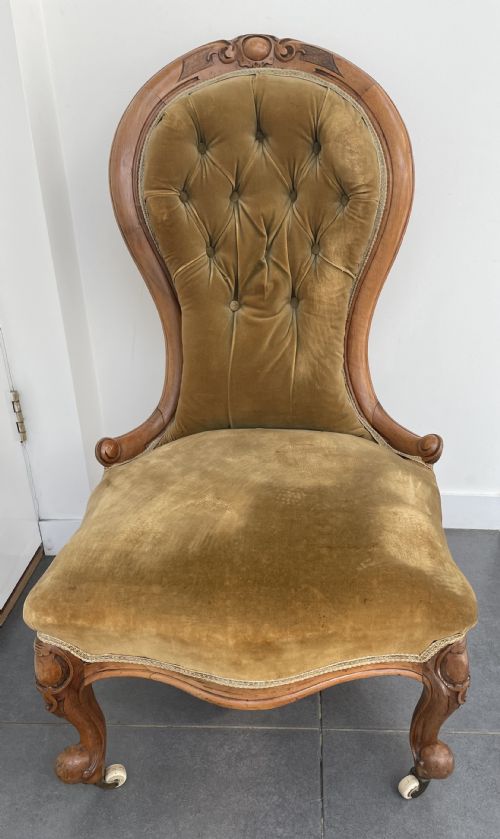
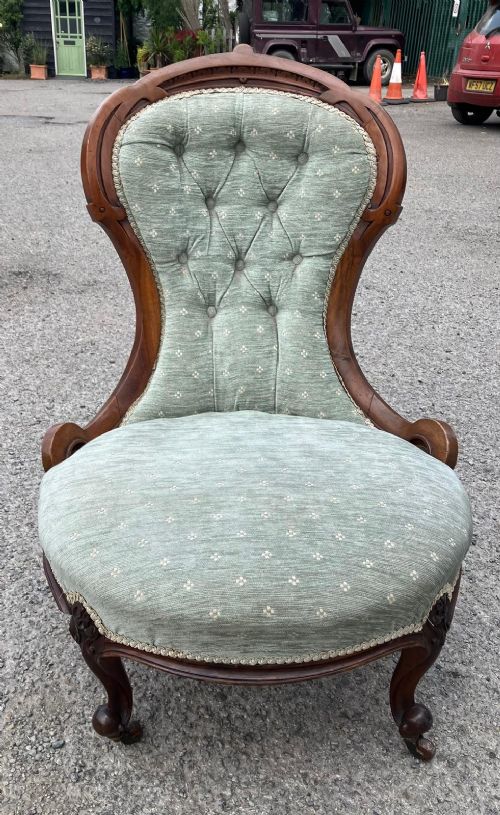
A victorian spoon back brings curvaceous nineteenth-century comfort into a room through deep upholstery and sweeping timber frames.
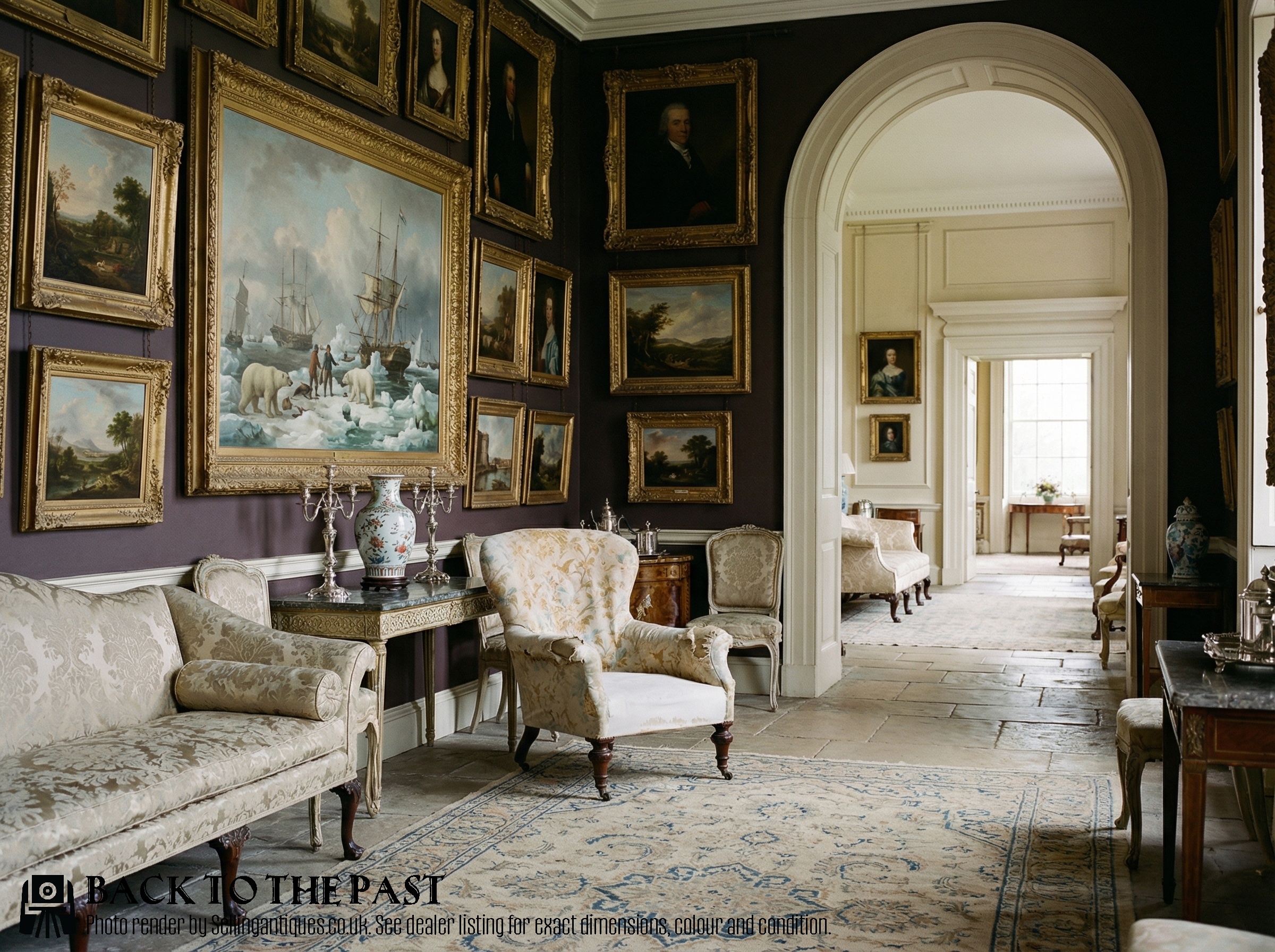
Victorian Spoon Back
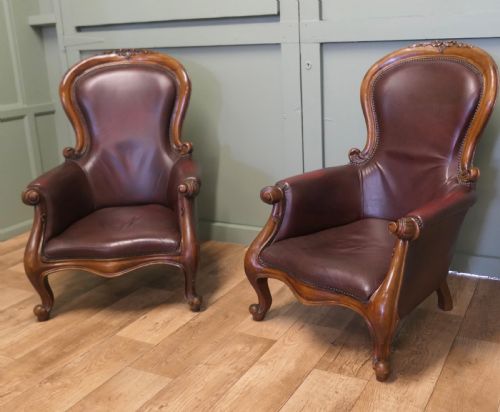
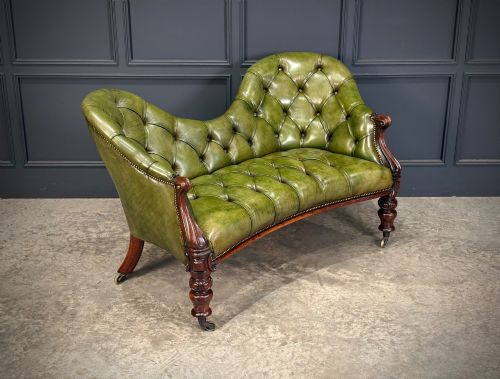
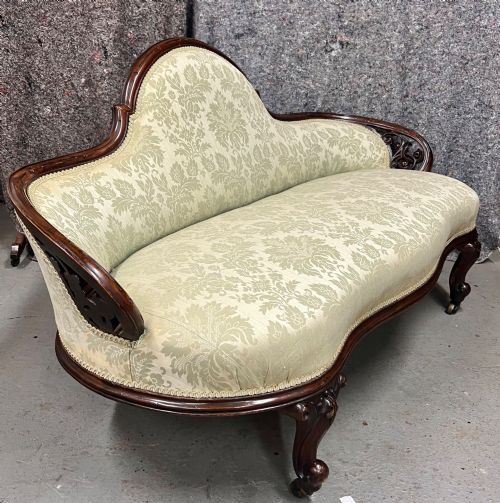
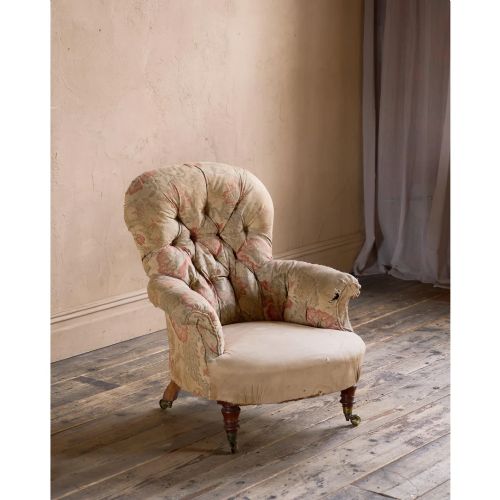
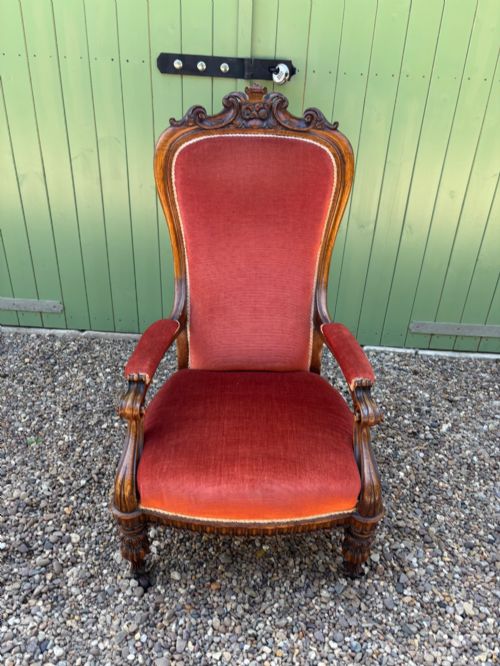
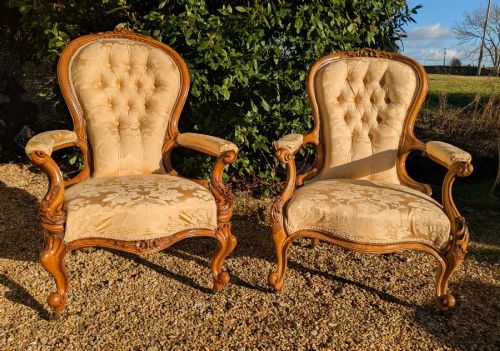
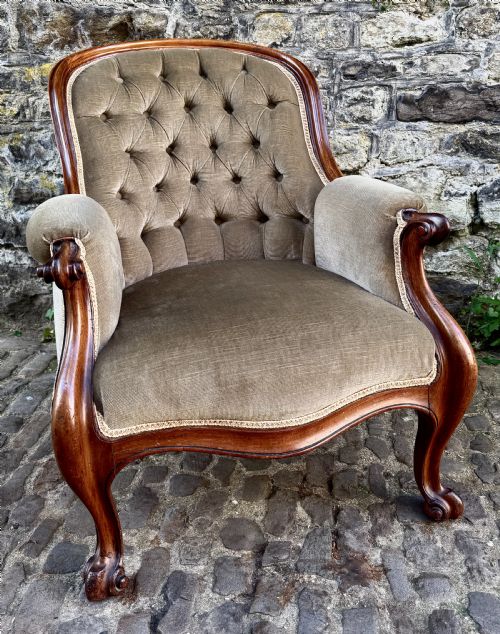
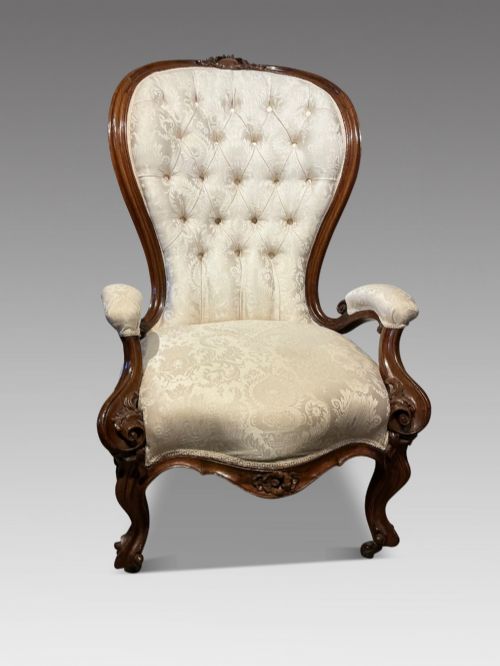
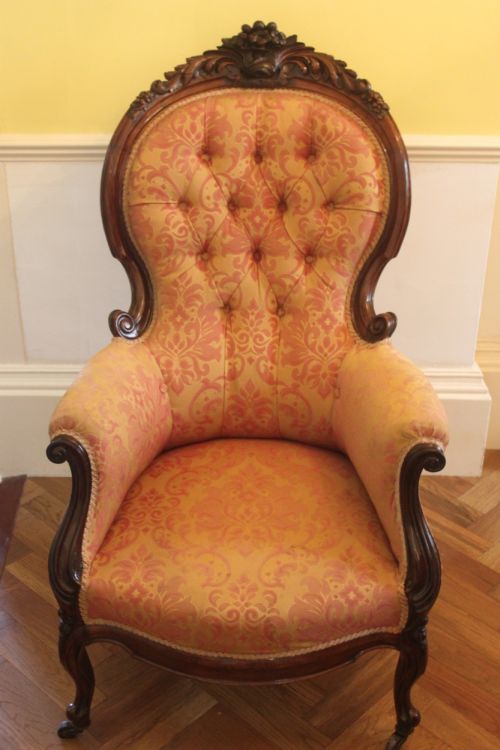
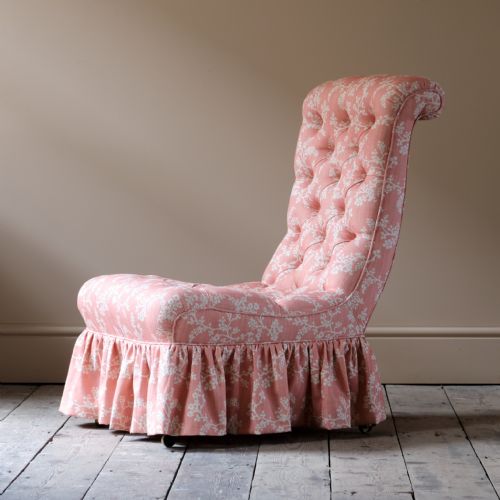
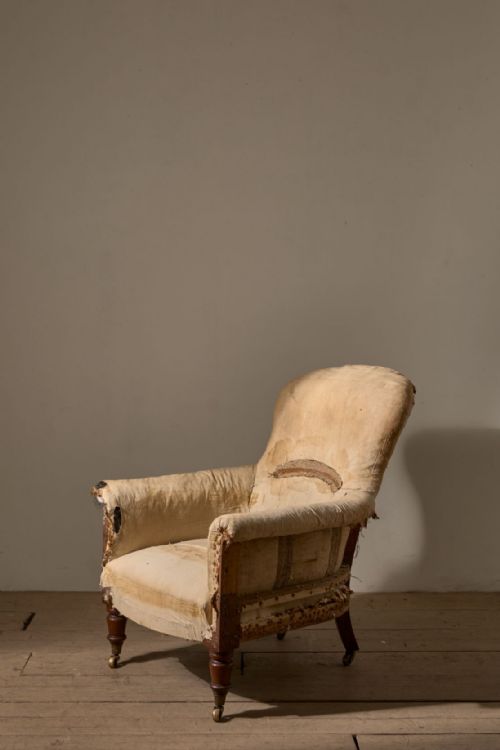
A victorian spoon back encompasses intimate nursing chairs, low-slung slipper seats, and generous gentleman's armchairs designed for nineteenth-century parlours and drawing rooms. The evidence shows these upholstered seats emerging primarily in walnut and mahogany across the Victorian period, alongside matched dining sets and extended settees.
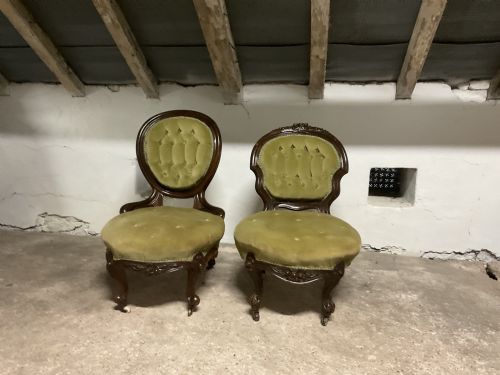
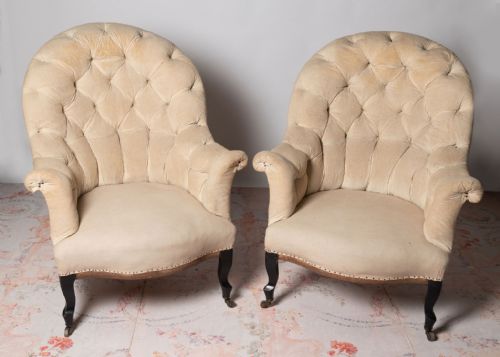
Buyers frequently encounter compact bedroom and occasional chairs featuring distinctive concave oval frames that mirror the shape of a spoon. These pieces span early Victorian origins through to later nineteenth-century interpretations, often retaining their low profiles and carved timber supports.
Materials and Construction
Frames are constructed predominantly from solid mahogany or walnut, steam-bent or carved into flowing, ergonomic curves that support the upholstered backrest. Makers utilised brass castors on legs and incorporated traditional stuffing beneath textile, leather, damask, or velvet layers.
Surface ornamentation relies heavily on hand-carved floral details, scroll arms, and barley twist turnings rather than applied veneer. The joinery combines hidden pegged tenons with robust internal webbing to sustain the tension of buttoned upholstery.
Victorian Spoon Back Retail Price Guide 2026
Typical asking prices for victorian spoon back among the pieces listed under this phrase on Sellingantiques today, from the lower quarter to the upper quarter. They describe what is for sale here now, not the wider market.
Lower nursing chair heights allowed Victorian women to tend fires and infants without tripping over voluminous skirts.
Markers of Excellence
Superior examples distinguish themselves through the crispness of hand-carving on the walnut or mahogany frame and the generous proportion of the timber sections. Finely executed pieces display harmonious proportions between the undulating backrest and the cabriole or tulip legs beneath.
The distinction between standard production and masterwork lies in the depth of the spoon-shaped recess and the fluidity of the scrollwork. Workshops known for high-end patronage employed heavier gauge timbers and more intricate relief carving on the crest rail.
Holland And Sons·C Hindley And Sons·Gillows
The Victorian Spoon Back Glossary
- Spoon back
- An upholstered chair featuring an oval, concave backrest shaped in profile to resemble the bowl of a spoon. This ergonomic contour hugs the spine of the sitter.
- Buttoned
- An upholstery technique where twine is pulled through padding and secured with buttons to create deep diamond tufts. It keeps interior stuffing firmly anchored.
- Cabriole leg
- A furniture leg that curves outward at the knee and tapers inward toward the foot, inspired by animal limbs. It is frequently seen on mid-nineteenth-century seating.
- Nursing chair
- A low-seated Victorian chair designed for comfort, traditionally used by women when tending to infants or sitting near low hearths. Their abbreviated height distinguishes them from standard armchairs.
- Slipper chair
- An upholstered bedroom chair characterised by low legs and the absence of arms, originally intended for ladies putting on footwear. They share the characteristic upright posture of the period.
Victorian Spoon Back: Frequently Asked Questions
How do I identify an early victorian piece?
Early pieces often display heavier mahogany frames, restrained hand-carving, and sturdy proportions dating from the 1840s or 1850s. They rely on traditional joinery and dense timber selections.
Later examples from the 1870s and 1880s frequently shift to walnut with more exuberant rococo revival curves, brass castors, and elaborate floral crests.
Were these chairs used for dining?
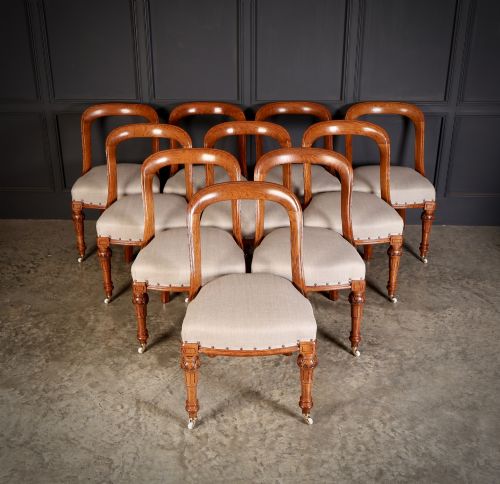
While most surviving examples are armchairs or occasional seats, matching sets of dining chairs were also built with spoon backs. These appear as unified suites of mahogany or oak.
Dining variants lack arms and maintain upright proportions suitable for placement around a large dining table.
How do I care for leather and velvet upholstery?
Leather surfaces benefit from occasional conditioning to maintain suppleness and prevent cracking on buttoned panels. Velvet and textile areas require gentle brushing and protection from direct sunlight.
Keeping the underlying wooden frame polished with appropriate wax preserves the historic finish without harming the surrounding fabric.