


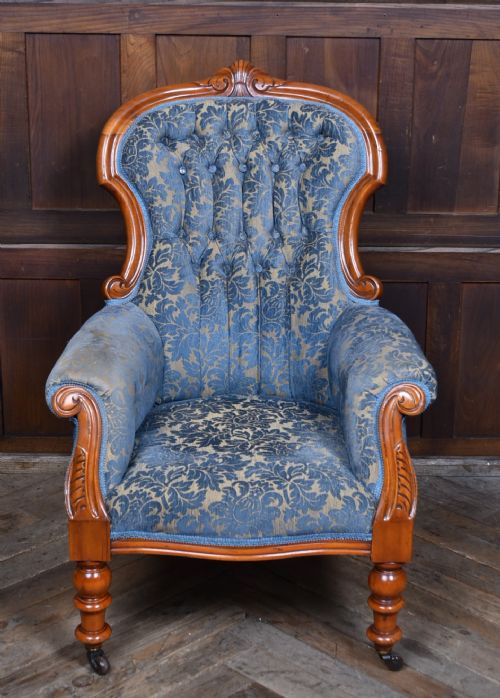


Gentlemans Easy Chair
A gentlemans easy chair offers deep comfort and solid period presence, bringing traditional seating into a room with character.
Gentlemans Easy Chair
A gentlemans easy chair represents a sturdy form of Victorian and early twentieth-century seating, designed for relaxation with substantial proportions and supportive armrests. The listings show these pieces emerging primarily from the Victorian era and running through the Art Deco period, spanning from the early nineteenth century into the nineteen-thirties.
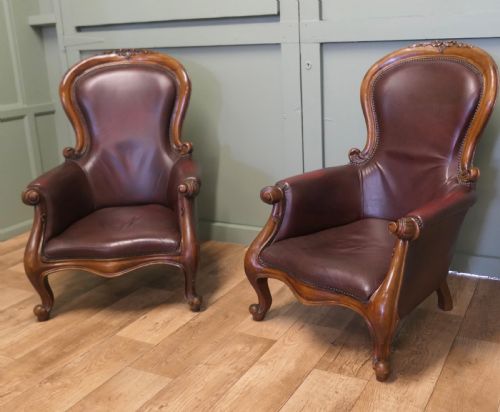
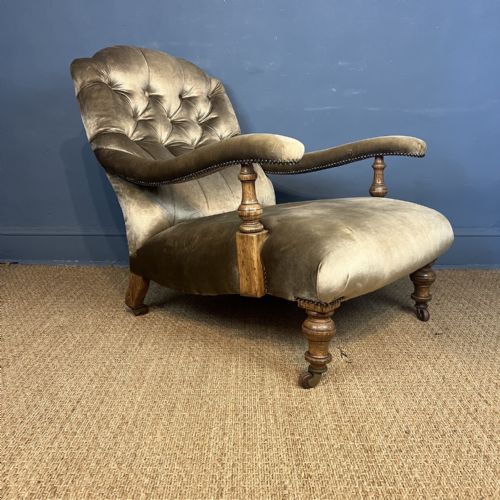
You are most likely to meet mahogany or walnut framed examples featuring buttoned upholstery, leather coverings, or open arms with scroll details. Pieces range from library chairs and spoon-backed designs to club armchairs and reclining variants.
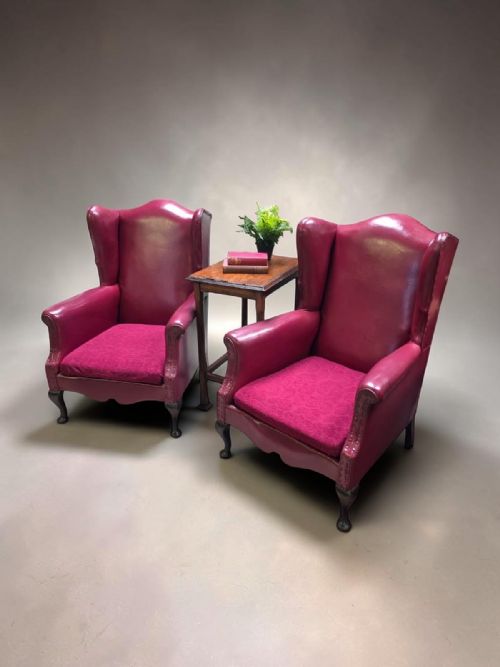
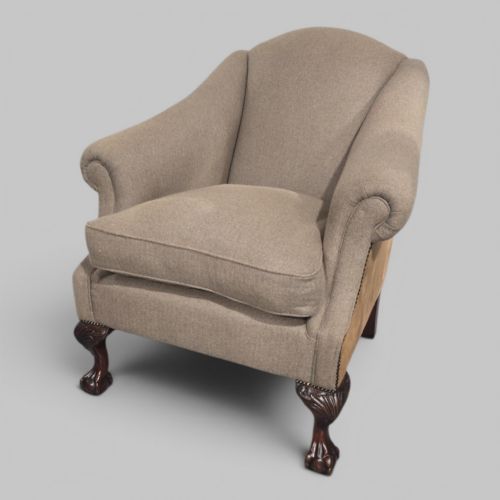
Revival styles such as Queen Anne, Chippendale, and Late Regency also appear alongside standard Victorian forms, showing how makers drew on earlier centuries to shape domestic comfort. Pairs and sets frequently feature, providing matching seating for studies, libraries, and drawing rooms.
How They Were Made
Frames rely on dense hardwoods such as mahogany, walnut, oak, and rosewood, which provide the structural strength needed to support deep cushioning and frequent use. Wood framing often displays carved details, turned legs, and scroll arms shaped by hand.
Upholstery materials include supple leather, textured fabric, and velvet, secured over sprung or padded interiors. Brass fittings and castors appear on specific models, particularly where mobility or mechanical reclining functions are integrated into the design.
What Varies in Quality
The standard of timber selection and the crispness of carved woodwork separate basic frames from finer library and parlor seating. Dense, well-figured mahogany and walnut foundations retain their rigidity and aesthetic presence through generations of use.
Upholstery execution and leather grading also dictate the distinction between standard and superior pieces. Deep buttoning, carefully fitted leather hides, and balanced proportions reflect the skill of the original cabinetmaker and upholsterer.
Robert Daws London
The Gentlemans Easy Chair Glossary
- Spoon Back
- An upholstered chair back shaped in a concave oval resembling the bowl of a spoon, designed to fit the human spine comfortably. This profile is a hallmark of mid-nineteenth-century seating.
- Club Chair
- A heavy, deep-seated armchair traditionally upholstered in leather. These chairs prioritize substantial cushioning and low profiles for maximum lounge comfort.
- Library Chair
- A sturdy armchair designed for prolonged reading, often featuring leather upholstery and robust wooden arms. They frequently incorporate reading desks or reclining mechanisms.
- Scroll Arm
- An armrest carved or formed into a rolling, spiral contour. This decorative shape softens the rigid lines of nineteenth-century wooden frameworks.
- Buttoned Back
- An upholstery technique where depressions are formed in the padding by stitching through to the base, securing buttons at regular intervals. This method keeps internal stuffing evenly distributed.
Gentlemans Easy Chair: Frequently Asked Questions
What defines a gentlemans easy chair?
A gentlemans easy chair is a robust, comfortable seat originating primarily from the Victorian era, built with a solid hardwood frame and deep upholstery.
These pieces were traditionally positioned in studies, smoking rooms, or libraries to provide maximum physical support during long periods of reading or resting.
How do I identify a Victorian armchair?
Victorian armchairs are identified by dense timber frames made of mahogany or walnut, often featuring carved scroll arms, turned legs, and button-backed fabric or leather.
Stylistic cues draw heavily on mid-nineteenth-century cabinetmaking traditions, sometimes incorporating revival motifs from earlier Georgian periods.
Are leather club chairs comfortable?
Leather club chairs offer deep, relaxed seating supported by heavy frames and well-padded cushions. The supple leather adapts to daily use while providing a durable surface.
These chairs are well-suited for living spaces and studies where casual comfort is required alongside period character.
How do I care for antique leather upholstery?
Antique leather requires gentle cleaning and occasional conditioning to prevent the hide from drying out. Avoiding direct sunlight and excessive heat protects the natural material from cracking.
Proper maintenance preserves the patina and supple texture developed over decades of use.