
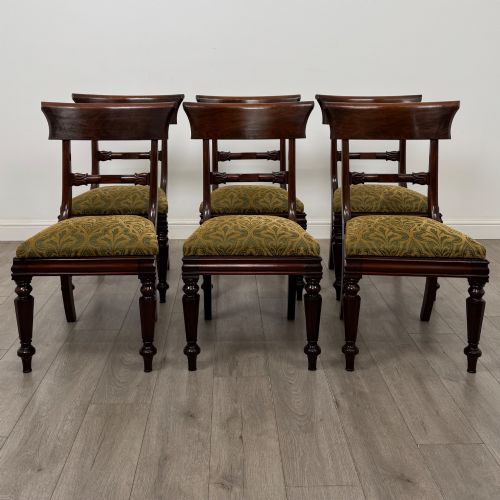
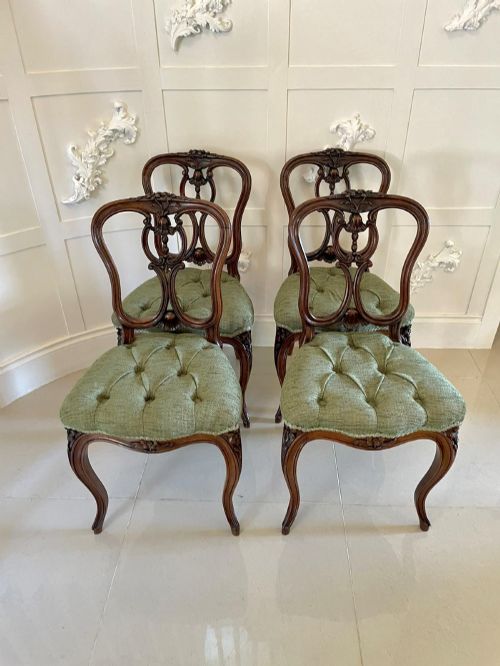


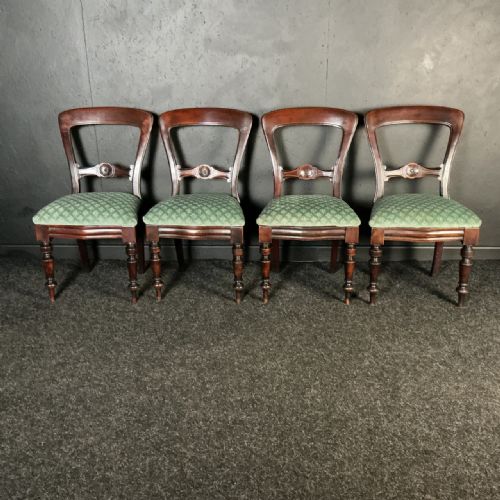
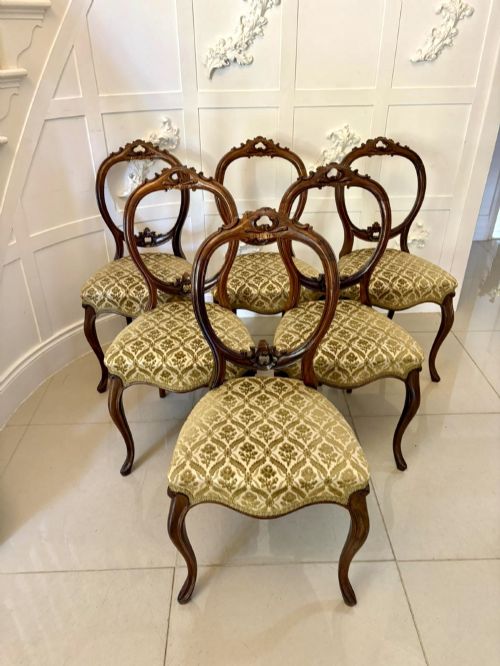
Green Victorian Chair
When you want a green victorian chair, you are seeking nineteenth-century seating upholstered in distinct shades of green fabric, velvet, or leather.
Green Victorian Chair
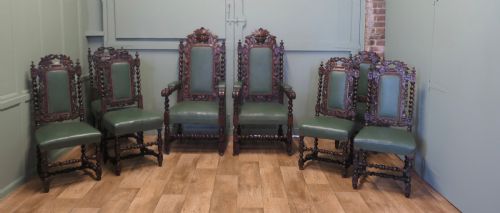
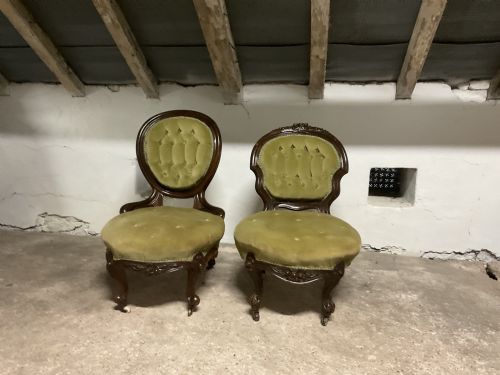
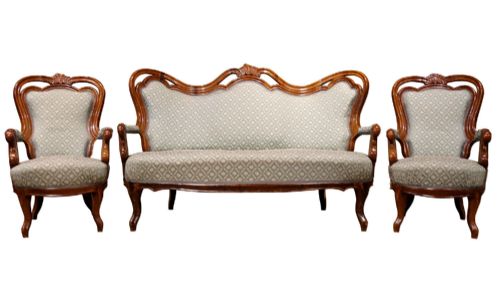
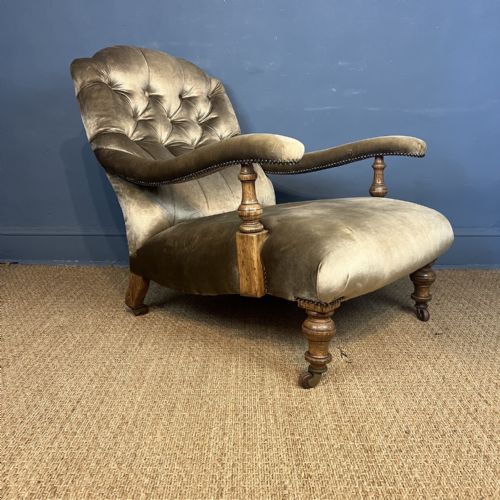
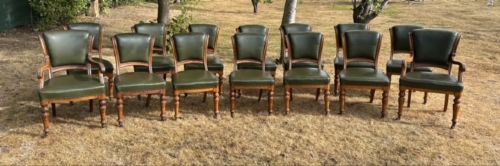
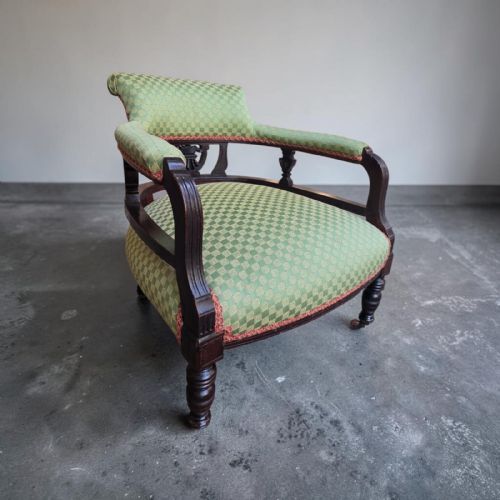
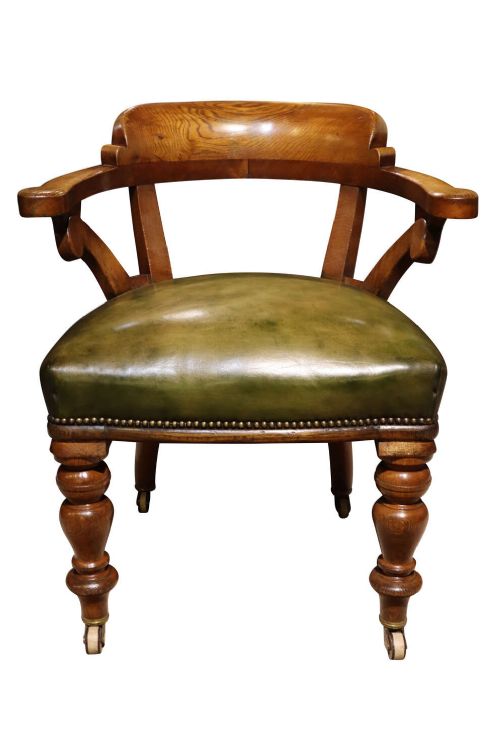
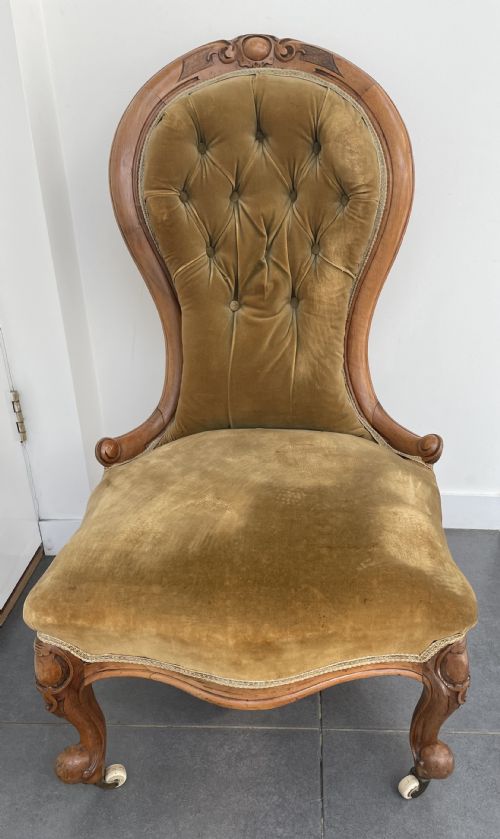
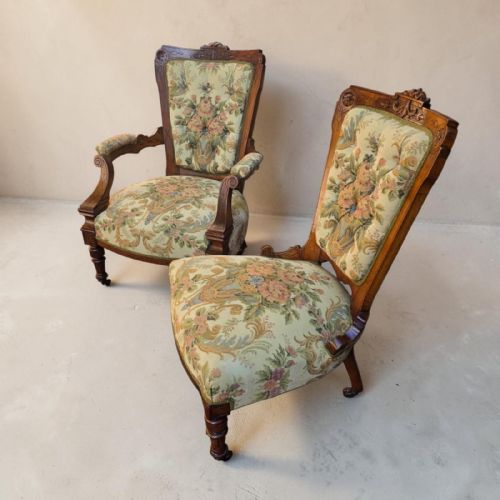
When searching for a green victorian chair, buyers encounter various seating forms dating from the nineteenth century. The selection ranges from robust mahogany and oak library or desk chairs upholstered in green leather to walnut nursing chairs and armchairs covered in green velvet or button-backed fabric.
Dining chairs, side chairs, and revolving office desk chairs frequently appear within these listings, often featuring deep buttoning or carved wooden frames. These pieces span early, mid, and late nineteenth-century periods, capturing diverse aesthetic revivals.
The most prevalent variations include compact nursing chairs and revolving desk chairs outfitted with dark or sage green leather surfaces. Such seating reflects both domestic parlour utility and nineteenth-century study or office furnishing.
Distinctions in Standard
The standard of a nineteenth-century green chair depends upon the crispness of the timber carving and the structural integrity of the frame joints. Workshops that employed superior joinery and dense, well-figured mahogany or walnut produced seating that endures solidly.
Quality also manifests in the grade and longevity of the leather or velvet upholstery and the precision of the tufting and buttoning. Finer pieces demonstrate careful hand-finishing by skilled makers, whereas simpler utilitarian seating exhibits standard commercial construction.
Gillows·Howard and Sons·Holland and Sons·Hampton and Sons
The Green Victorian Chair Glossary
- Button back
- A traditional upholstery method where depressions are formed in the padding by stitching through to secure buttons, creating a tufted diamond pattern across the backrest.
- Cabriole leg
- A furniture leg that curves outward at the knee and tapers inward toward the foot, inspired by animal limbs and commonly seen in revival designs.
- Library chair
- A heavy, sturdy armchair designed for reading rooms and studies, typically upholstered in leather and built from oak or mahogany.
- Nursing chair
- A low-seated Victorian chair designed originally for feeding infants or sewing, featuring an upright padded back and no armrests to allow full movement.
- Revolving desk chair
- An office chair mounted on a central swivel mechanism, frequently paired with green leather upholstery and adjustable height screws.
Green Victorian Chair: Frequently Asked Questions
How do I identify a Victorian desk chair?
Victorian desk chairs often feature revolving mechanisms, wooden frames in mahogany or oak, and durable green leather seat pads. Many incorporate deep buttoning and sturdy wooden armrests designed for daily office use.
Such chairs typically date from the mid to late nineteenth century and show robust construction intended for prolonged sitting in libraries or studies.
Were these chairs originally upholstered in green?
Green leather, velvet, and fabric were popular choices in nineteenth-century interior design, frequently utilised for library, office, and parlour seating. Many surviving examples retain their original green tones or period-appropriate replacement upholstery.
Makers matched dark greens with rich mahogany and walnut frames to suit the formal aesthetic of Victorian homes and offices.
Where should I place a Victorian nursing chair?
A Victorian nursing chair works well in bedrooms, dressing rooms, or quiet corners of a living space due to its low seat and compact dimensions. The lack of arms makes these chairs versatile for smaller spaces where bulkier seating would crowd the room.
Pairing the low profile with adequate lighting creates a comfortable spot for reading or relaxing.
What is a green man carving?
A green man carving depicts a human face entwined with or emerging from foliage, vines, or leaves, symbolizing rebirth and spring. This decorative motif appears on nineteenth-century oak furniture, including throne chairs and side chairs.
Cabinetmakers carved these detailed wooden faces into the crest rails or backs of substantial Victorian seating.