
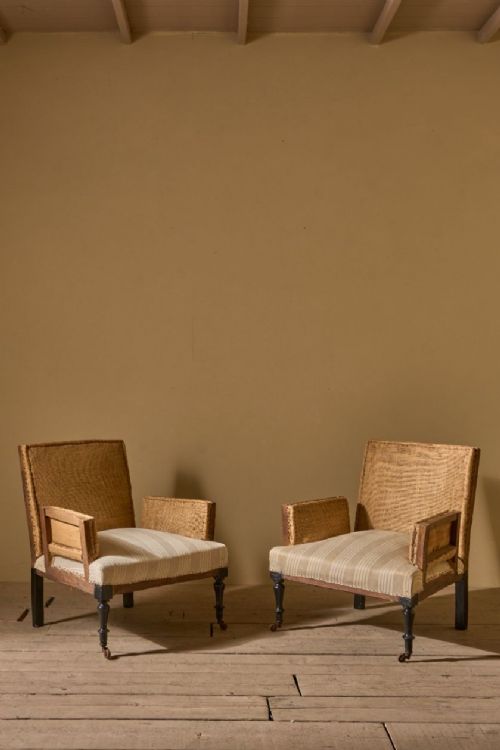
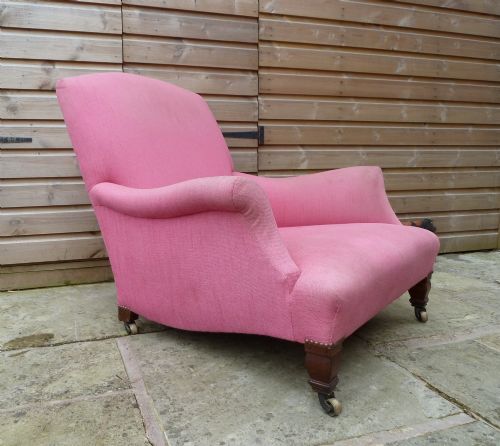

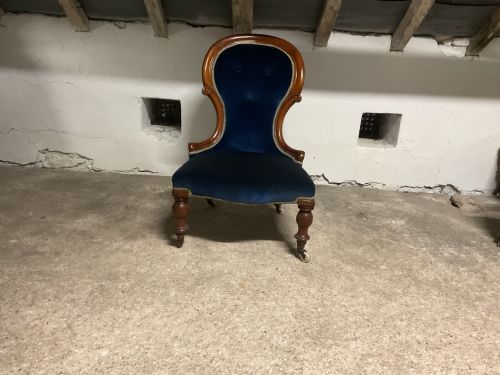
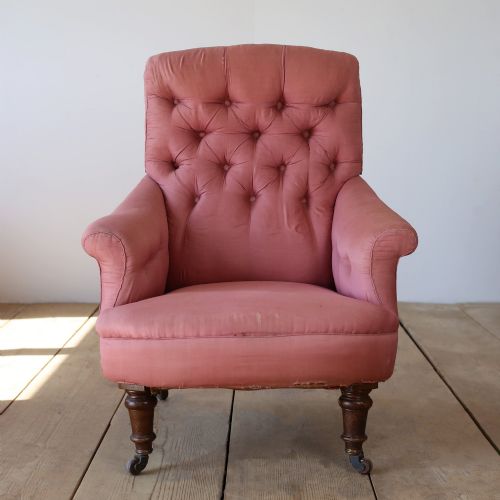



Low Seated Fireside Chair
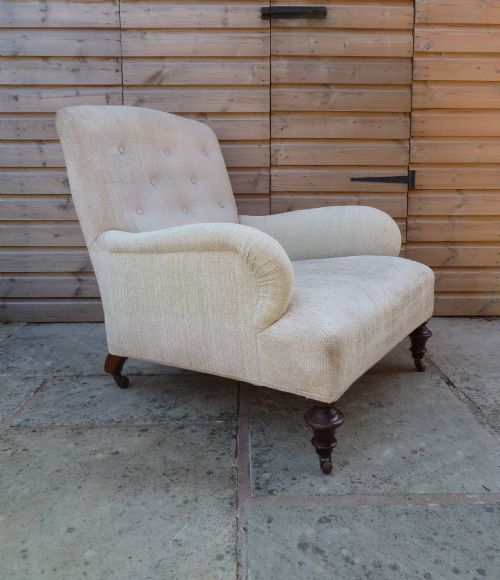
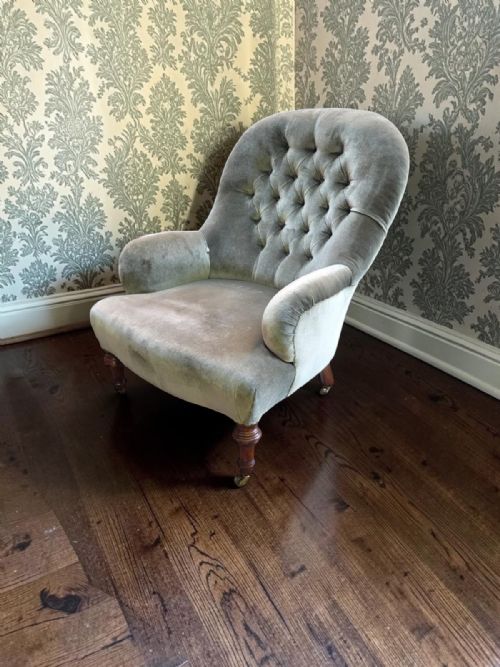
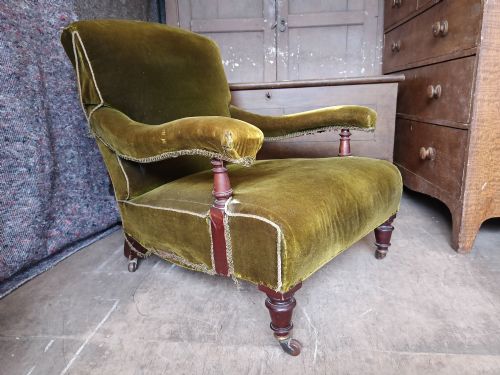
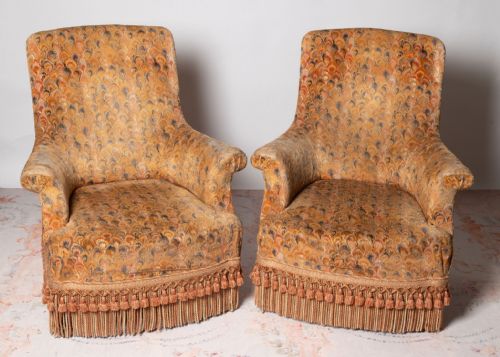
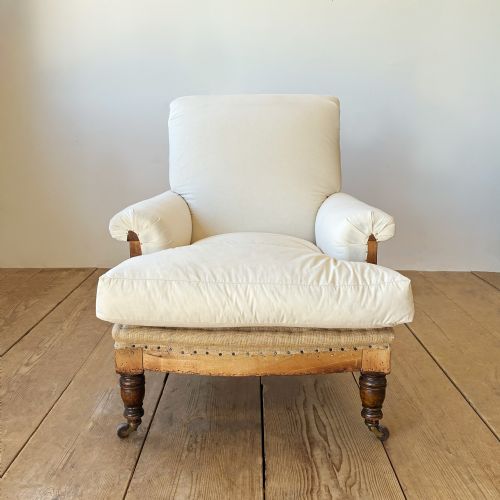
A low seated fireside chair offers low-slung, comfortable proportions suited to fireside resting, drawn from nineteenth and early twentieth century traditions.
Low Seated Fireside Chair
When searching for a low seated fireside chair, buyers encounter low-slung seating forms predominantly rooted in the nineteenth century, including Victorian, Edwardian, and nineteenth-century periods, alongside later twentieth-century pieces.
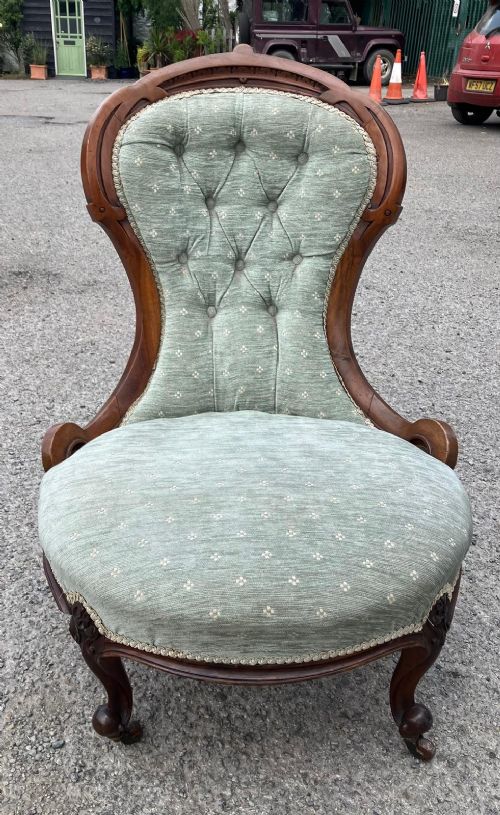
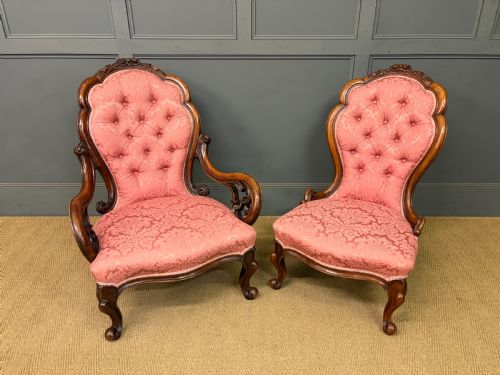
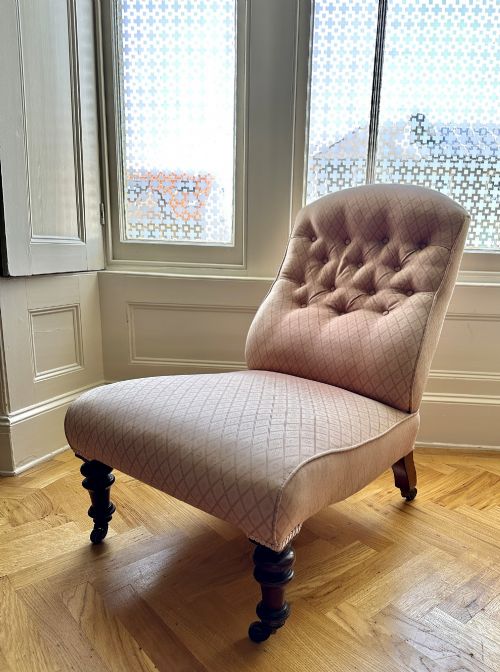
The selections on this page span several closely related object types, with nursing chairs, slipper chairs, and armchairs appearing most frequently among English country house, Napoleon III, and vernacular styles.
These pieces generally sit low to the ground for warmth near a hearth, utilising compact frames designed for bedrooms, salons, and intimate sitting spaces.
Materials and construction
Frames rely on sturdy timbers such as mahogany, walnut, rosewood, elm, ash, and ebonised wood, providing structural support beneath upholstered bodies.
Upholstery incorporates fabric, velvet, textile, red leather, and button-backed detailing, mounted over sprung or stuffed foundations.
Details include brass castors, carved woodwork, and distinctive turned elements like bobbin legs, matching the cabinet-making standards of their respective decades.
Listings feature nineteenth-century and Edwardian pieces constructed from walnut, mahogany, and rosewood, styled as nursing and slipper chairs.
Judging quality in low seating
Quality rests upon the integrity of the underlying timber frame and the balance of the low proportions, where crisp carving and substantial walnut or mahogany signify superior workshop output.
Upholstery style and the fidelity of historic revival forms, such as Howard style pieces or French Napoleon III designs, dictate the distinction between standard production and exceptional maker attribution.
Howard and Sons·Hampton and Sons·Wheeler of Arncroach
The Low Seated Fireside Chair Glossary
- Nursing chair
- A low-seated chair traditionally designed for nursing infants, often featuring an upholstered back without arms for ease of movement.
- Slipper chair
- An upholstered chair standing low to the ground, originally utilised in bedrooms for sitting while putting on shoes.
- Bobbin leg
- A turned furniture leg shaped to resemble a string of bobbins or spools, common on nineteenth-century vernacular and artistic seating.
- Button back
- An upholstery technique where buttons are pulled deep into the padding to create a quilted, patterned diamond effect.
Low Seated Fireside Chair: Frequently Asked Questions
What defines a low seated fireside chair?
These pieces are characterised by low centres of gravity designed to keep occupants close to hearth warmth. They encompass nursing chairs, slipper chairs, and compact armchairs.
Most examples date from the Victorian and Edwardian eras, constructed in woods like walnut and mahogany with varied upholstered finishes.
Where were these chairs used historically?
They served primarily in bedrooms, dressing rooms, and intimate drawing-room settings near fireplaces. Their low stature made them practical for specific domestic tasks.
Victorian homes utilised them widely for private comfort away from formal reception rooms.
How do I identify a Victorian example?
Victorian pieces often display dark hardwoods like walnut or mahogany, frequently paired with button-backed upholstery. Bobbin turned legs and spoon backs are common period indicators.
Proportions remain compact, reflecting nineteenth-century domestic scale and seating habits.
Are these chairs suitable for daily use?
Their low frames and sturdy timber construction make them durable for modern seating. Many retain comfortable sprung or padded interiors suited to relaxation.
Upholstered surfaces can be maintained or recovered while preserving the antique wooden framework.