
Antique Bedroom Occasional Chair
An antique bedroom occasional chair brings a touch of period character and compact seating to a dressing room or corner.
Antique Bedroom Occasional Chair
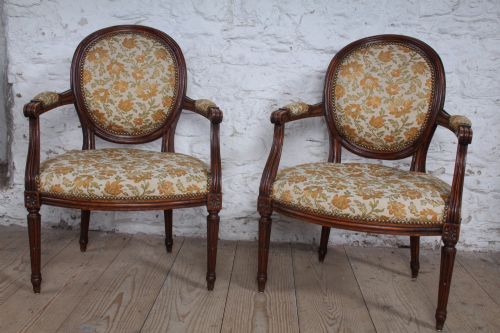
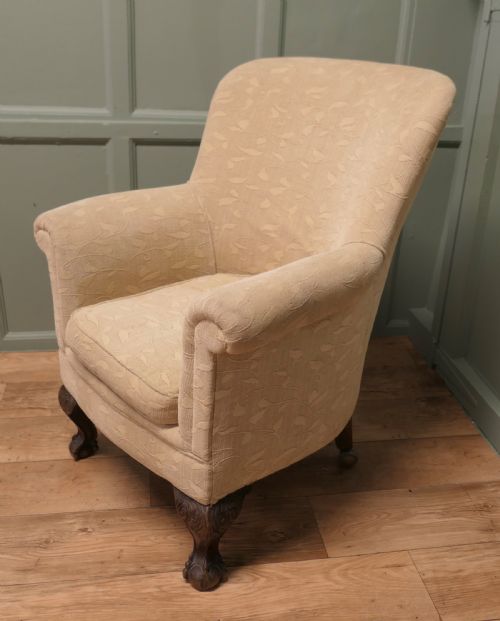
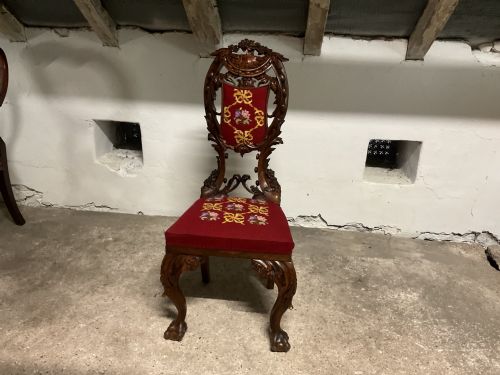
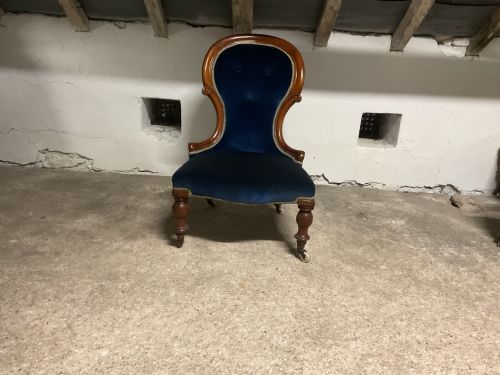
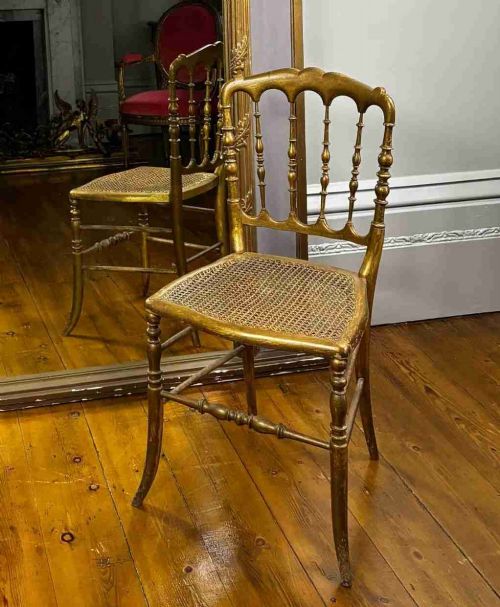
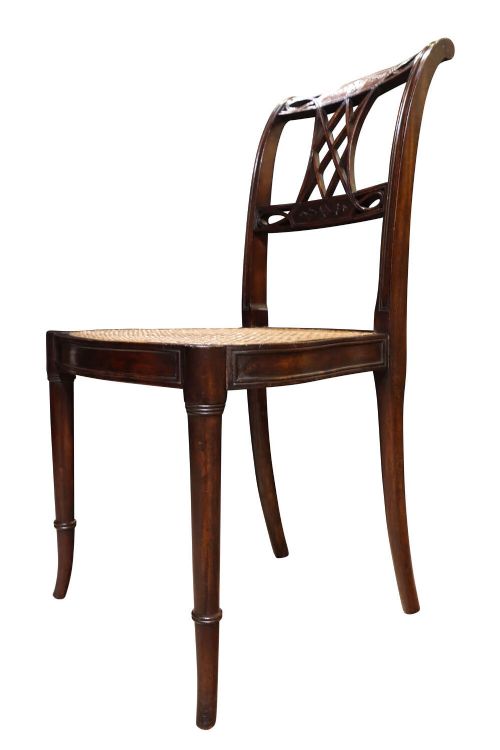
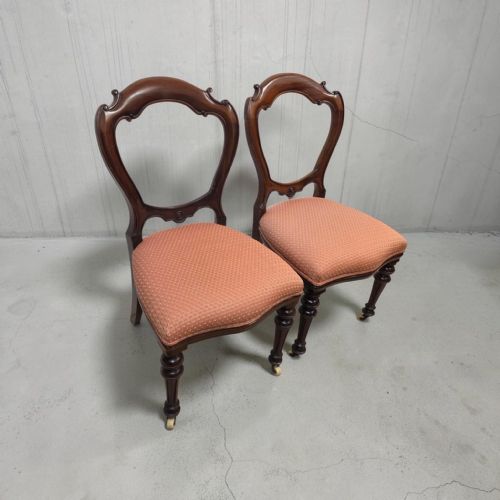
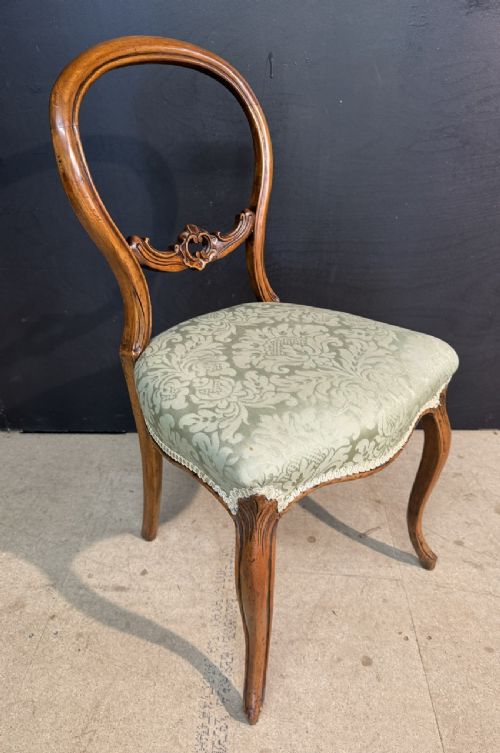
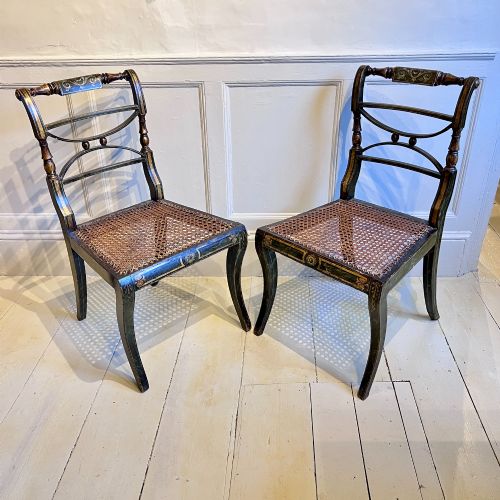
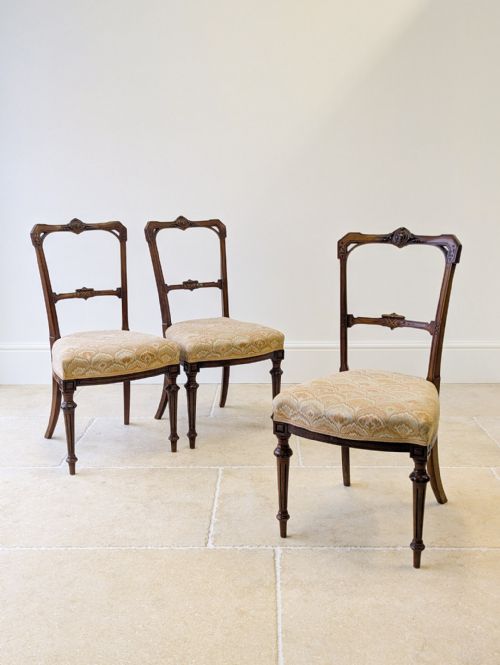
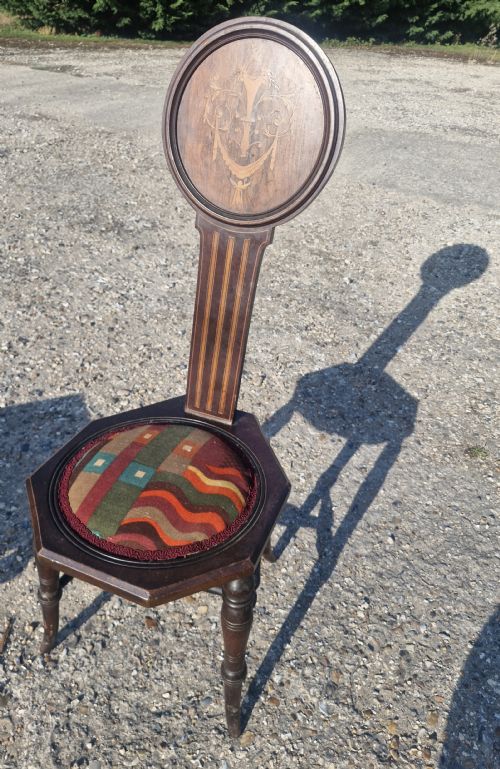
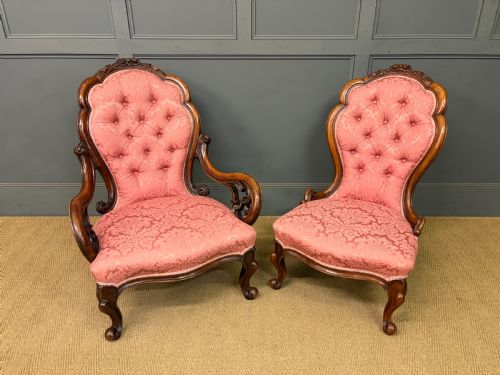
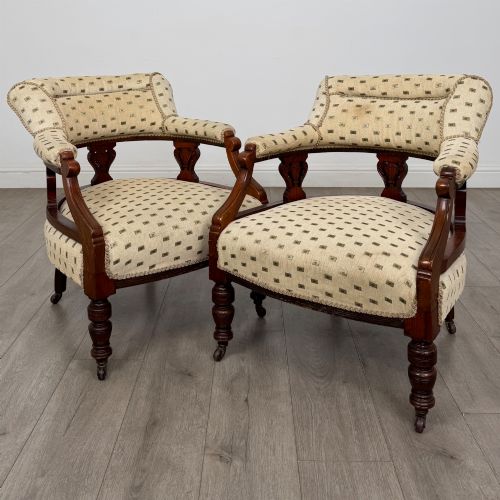
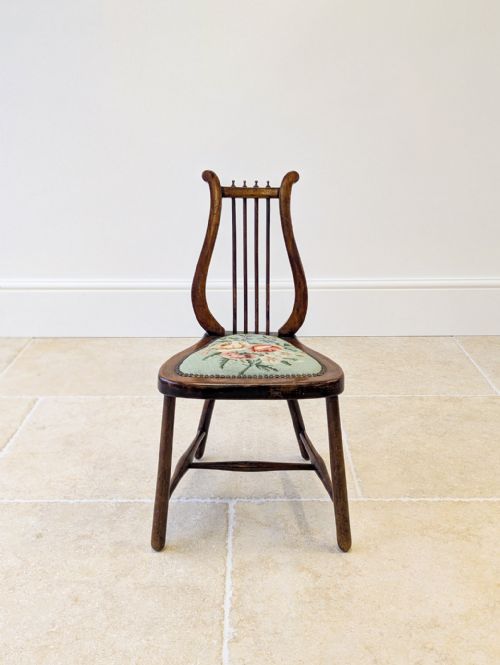
When you search for an antique bedroom occasional chair, you encounter a variety of smaller seats designed for private chambers, dressing rooms, and parlours rather than formal dining tables. The pieces recorded here span from the Regency and Victorian eras through the Edwardian period and into Art Deco, encompassing distinct forms such as tub chairs, nursing chairs, slipper chairs, and salon chairs.
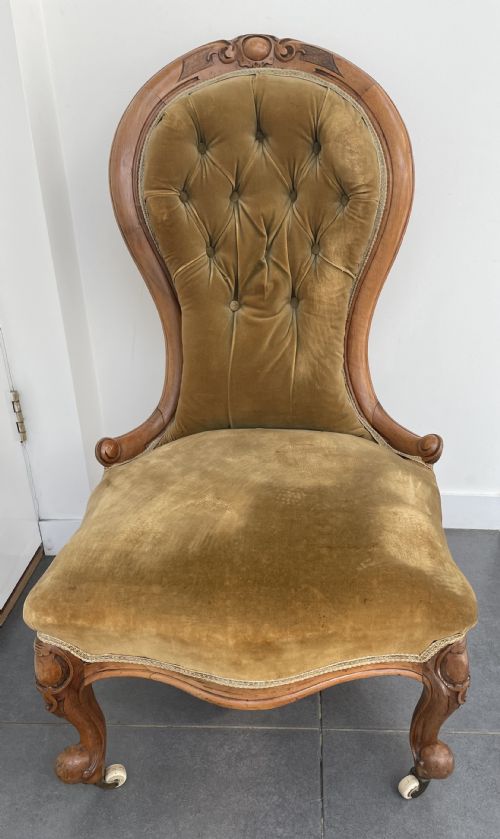
Victorian and Edwardian examples dominate the selection, frequently constructed from mahogany or walnut with upholstered seats or cane panels. You also find specialised pieces like low-slung nursing chairs and decorative painted or giltwood frames that reflect changing tastes in domestic comfort and interior arrangement across the nineteenth and early twentieth centuries.
Materials and construction
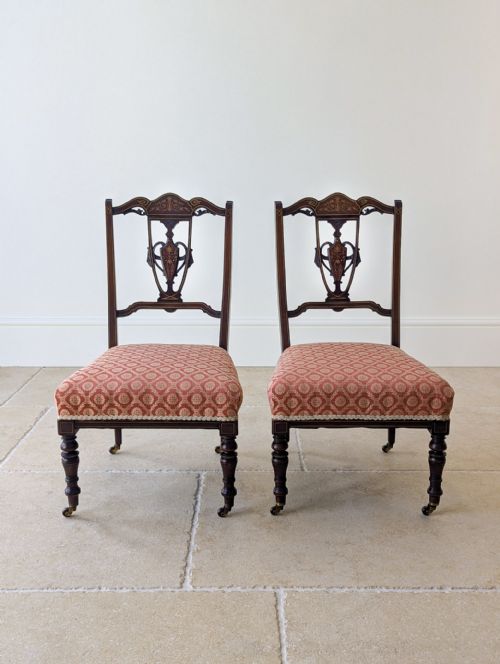
Cabinetmakers relied heavily on hardwoods such as mahogany, walnut, and beech to build sturdy frames that could withstand daily use in domestic settings. Inlays of satinwood, hand-carved details, and applied gilding or paint provided surface enrichment, while structural joinery utilised traditional tenons and dowels suited to compact seating.
Upholstery methods varied from button-backed padding and sprung seats covered in velvet or fabric to woven cane inserts designed for lightness and airflow. Secondary woods and brass fittings frequently appeared beneath the surface or as decorative accents on castors and sabots.
Antique Bedroom Occasional Chair Retail Price Guide 2026
Typical asking prices for bedroom occasional chair among the pieces listed under this phrase on Sellingantiques today, from the lower quarter to the upper quarter. They describe what is for sale here now, not the wider market.
Spinning chairs make a fleeting appearance, designed with low seats once favored for sitting close to the hearth while working.
Craftsmanship and distinction
The distinction between standard commercial seating and finer examples lies in the crispness of the carving, the selection of figured timbers like Cuban mahogany or burr walnut, and the integrity of the original frame construction. Superior pieces display refined proportions, precise marquetry or satinwood inlay, and thoughtful detailing such as shaped cabriole legs or bobbin turnings.
Condition and originality also dictate standing among surviving chairs, particularly where delicate elements like caning, gilding, or early painted decoration remain intact. While many chairs have received new velvet or fabric coverings over time, those retaining original structural elements and sophisticated stylistic revivals command greater attention from collectors.
Heals
The Antique Bedroom Occasional Chair Glossary
- Occasional chair
- A light, easily movable seat intended for sporadic use in various rooms rather than permanent placement around a dining table. These pieces often feature decorative frames and compact proportions suited to bedrooms.
- Nursing chair
- A low-seated chair traditionally designed for comfort during infant feeding or grooming tasks. The shortened legs place the sitter closer to the floor.
- Tub chair
- An armchair characterised by a rounded, enclosing backrest that flows continuously into low arms. This form provides a cocooning seat often upholstered in fabric or leather.
- Caning
- A woven mesh made from rattan strips used to form lightweight seat panels or backrests. It appears frequently on Edwardian and nineteenth-century framework.
- Slipper chair
- An upholstered chair with very short legs, originally designed for dressing rooms to allow ease when putting on footwear.
Antique Bedroom Occasional Chair: Frequently Asked Questions
What is an occasional chair used for?
An occasional chair provides flexible, supplementary seating that can be moved easily between rooms as needed. In a bedroom or dressing area, it offers a convenient spot for reading or laying out garments.
Because these chairs are generally lighter and more compact than dining or heavy lounge seating, they fit well into neglected corners and alcoves without overcrowding the floor plan.
How do I date a Victorian bedroom chair?
Dating a Victorian chair involves examining the primary wood, structural forms, and stylistic revival cues. Pieces from the middle of the nineteenth century frequently employ solid walnut or mahogany with deep button-backed upholstery.
Later Victorian and Edwardian examples often incorporate lighter satinwood inlays, beech frames, or Edwardian Sheraton Revival motifs that point toward the turn of the twentieth century.
Can I use an antique bedroom chair in a modern room?
Antique bedroom chairs integrate readily into contemporary interiors by introducing textural contrast and historical warmth. Their compact proportions make them practical accent pieces for modern apartments and guest rooms.
Pairing a nineteenth-century mahogany or walnut frame with clean modern surroundings creates an eclectic focal point that honours traditional craftsmanship.