
Victorian Cane Chair
When you search for a victorian cane chair, you encounter sturdy library armchairs, bedroom seats, and office swivel designs woven with natural plant material.
Victorian Cane Chair
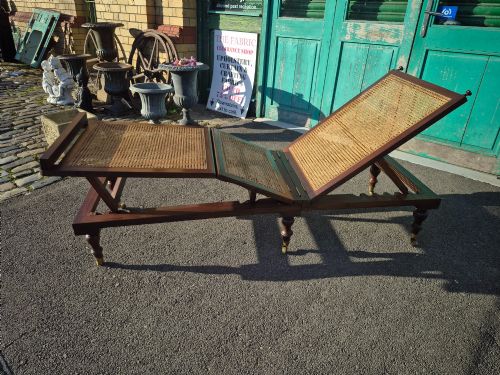
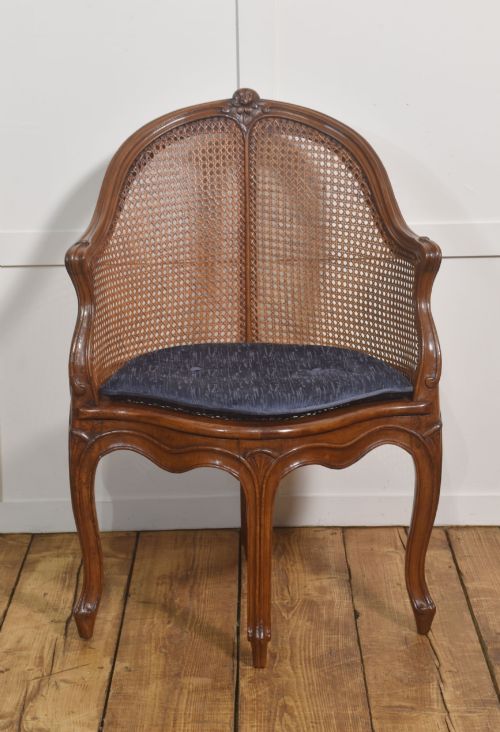
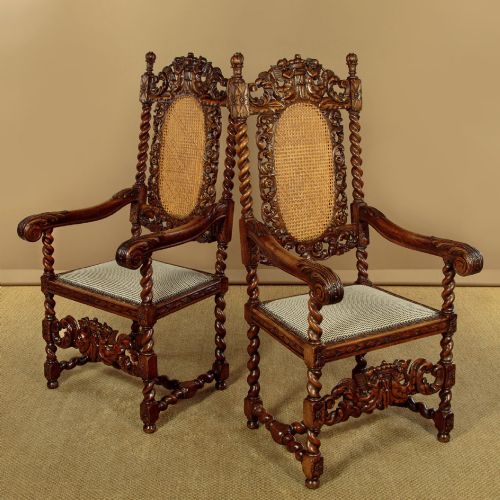
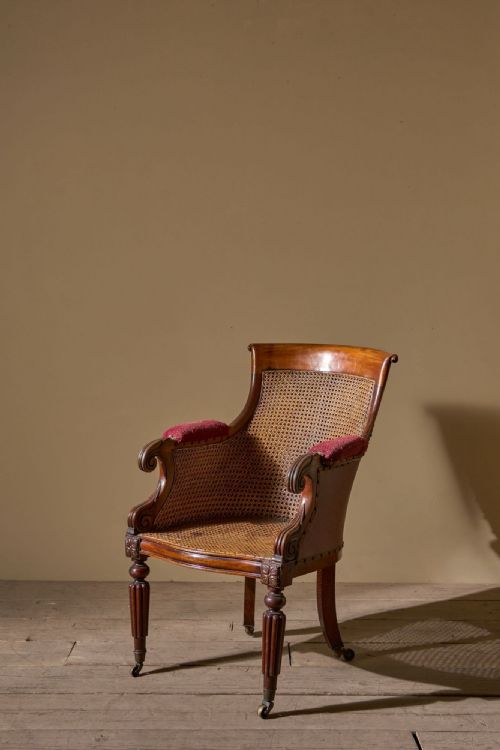
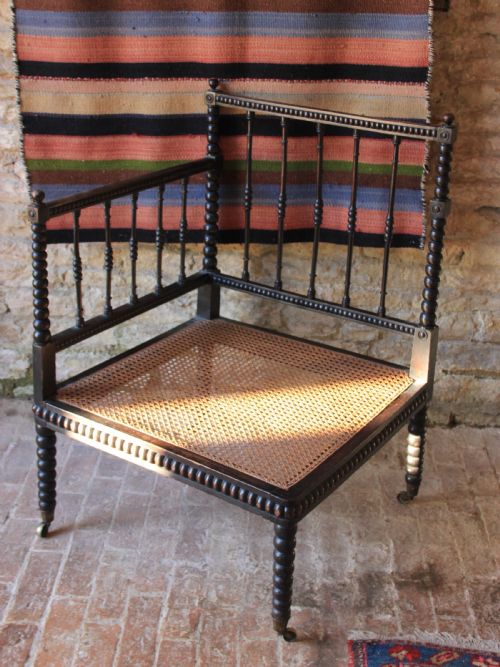
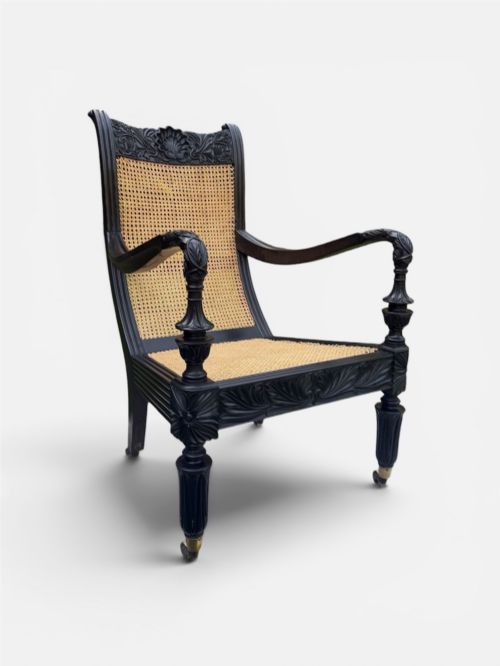
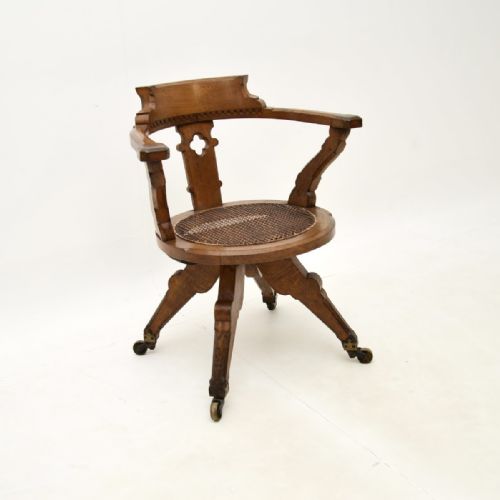
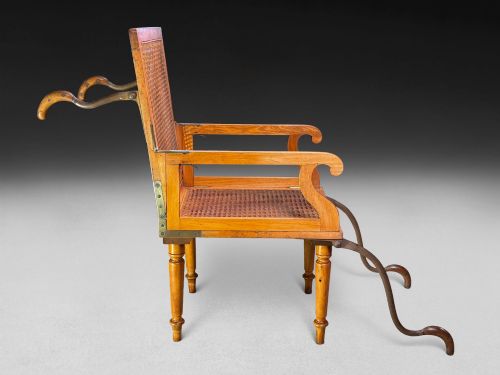
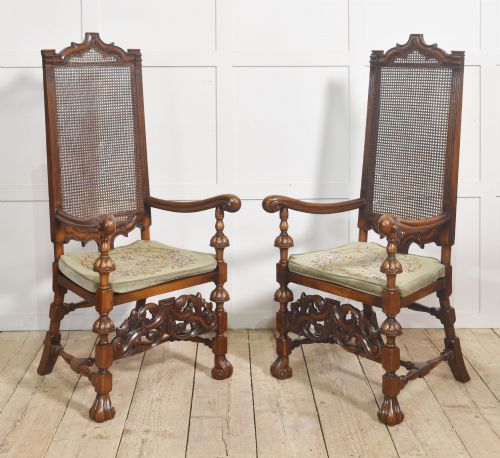
A victorian cane chair covers an array of domestic seating, from library armchairs and revolving desk chairs to bedroom chairs and child highchairs. The form spans heavy carved oak throne chairs, mahogany framed bergere models, and lighter papier mâche or inlaid parlor pieces.
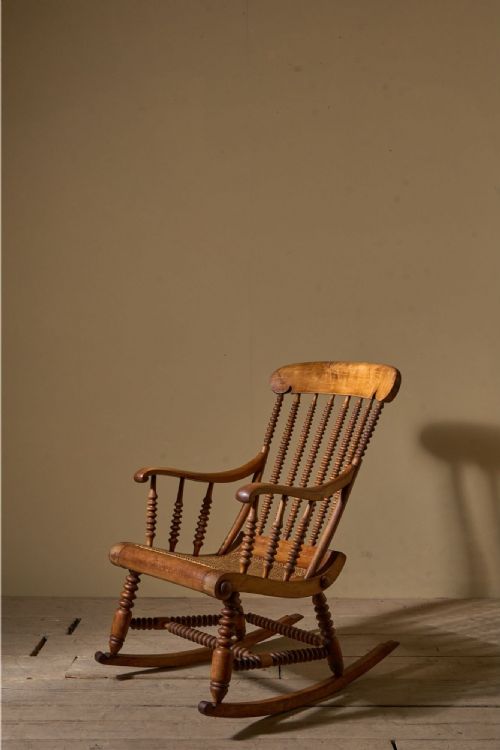
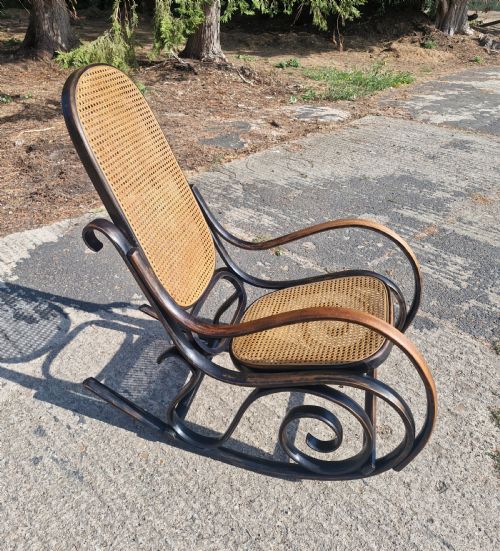
Most examples originate from the nineteenth century, utilising styles that encompass standard Victorian, Gothic Revival, and various revivals alongside campaign and country house aesthetics. Armchairs, side chairs, and rocking chairs appear frequently across the selection.
Makers and workshops of the period produced these seats in woods such as mahogany, walnut, oak, and beech, incorporating woven seats and backs for resilient daily use.
Materials and Technique
Frames rely on hardwoods like mahogany, walnut, and oak, alongside alternative materials including brass, leather, fabric, and occasional exotic timbers like satinwood or ebony. Craftsmen shaped these timbers through turning, carving, and joining to form stable structures.
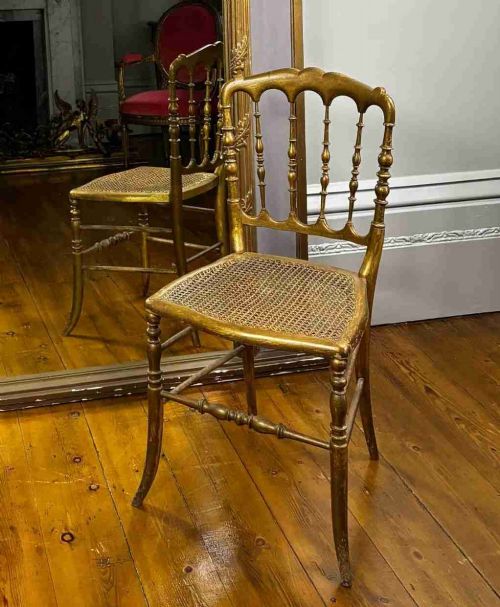
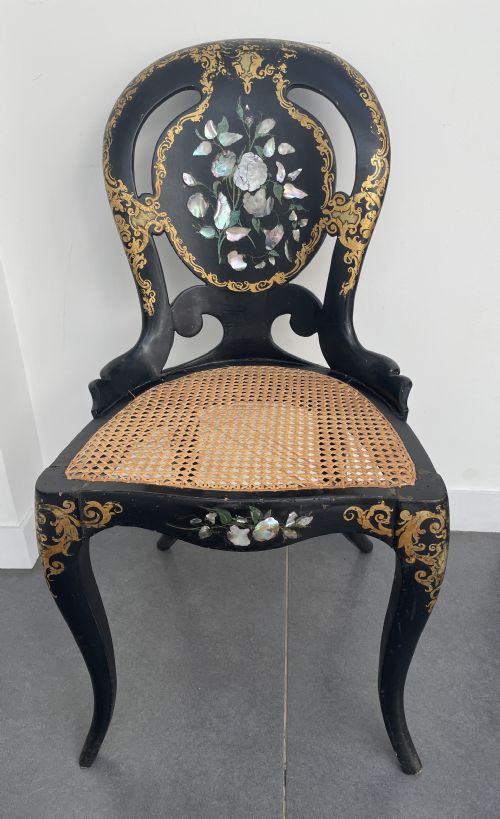
Caning involves weaving split rattan through holes drilled in the wooden frame, creating a flexible and supportive mesh for seats and backs. Additional decorative touches sometimes feature mother of pearl inlay, gilding, or applied paint.
Listings feature woods such as mahogany, walnut, oak, beech, satinwood, and ebony combined with woven cane.
Evaluating Quality
Quality rests upon the crispness of the timber carving, the tightness and evenness of the cane weave, and the structural integrity of the frame joints. Denser hardwoods and refined turnings separate standard utility seating from finer parlor and library models.
James Shoolbred·Howard And Sons
The Victorian Cane Chair Glossary
- Cane
- Split rattan material woven into a mesh pattern for chair seats and backs. It provides a durable and breathable surface.
- Bergere
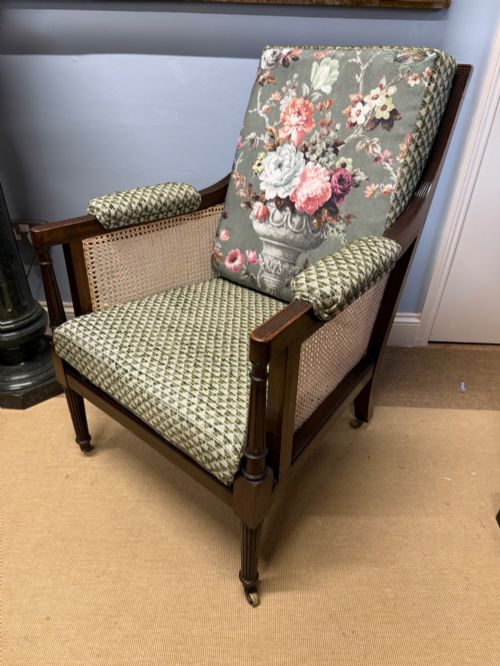
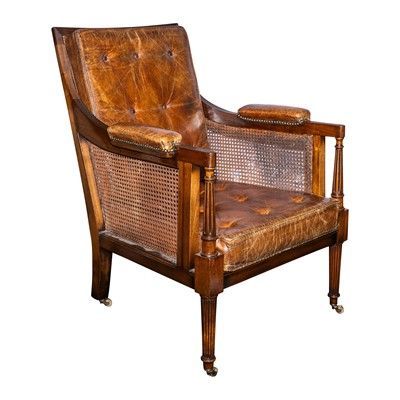
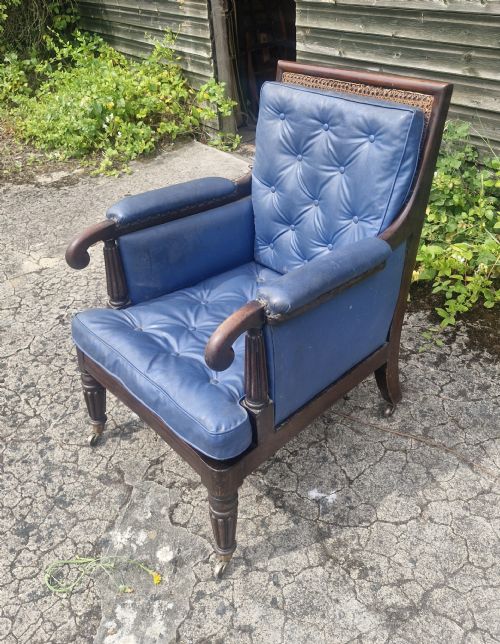
- An enclosed upholstered armchair featuring cane panels on the sides and back. It often includes a loose seat cushion.
- Tub chair
- A curved seat where the back and arms form a single continuous rounded enclosure. It offers a cozy, enclosed seating position.
- Bobbin turned
- Furniture legs or stretchers shaped with a series of rounded wooden knobs resembling spools of thread. This decorative turning style appears frequently on nineteenth-century frames.
- Campaign chair
- Portable folding furniture designed for travel and military use. These pieces utilise clever joints for easy packing.
Victorian Cane Chair: Frequently Asked Questions
What is a bergere chair?
A bergere chair is a deep, enclosed armchair featuring cane panels along the sides and back. These seats typically include a loose upholstered cushion for comfort.
Originating in earlier French design, the style became popular in Victorian libraries and country houses.
How do I care for cane seats?
Keep cane material hydrated by wiping it occasionally with a damp cloth to prevent the rattan from becoming brittle. Avoid placing these chairs in direct sunlight or next to heat sources.
Weight distribution matters too, as heavy localized pressure can snap individual strands of old weave.
Are swivel desk chairs Victorian?
Yes, office and library swivel chairs with cane seats appear regularly in nineteenth-century designs. They combine mechanical revolving hardware with sturdy oak or mahogany frames.
These pieces were built for functional workspaces in studies and offices.
What woods were commonly used?
Cabinetmakers utilised traditional British and imported hardwoods such as mahogany, walnut, oak, and beech for structural framing. More exotic timbers like satinwood and ebony appear on specific regional or high-end pieces.
Secondary woods were often paired with finer display timbers on visible surfaces.