


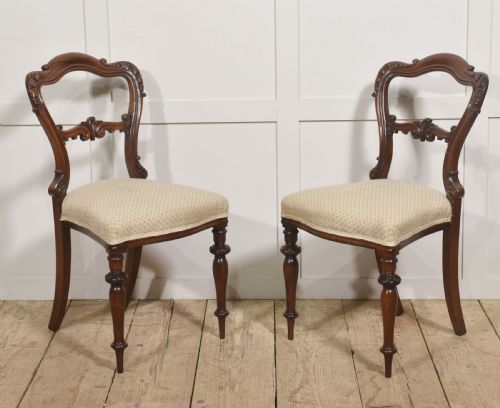

Mid Victorian Accent Chair
A mid victorian accent chair brings solid nineteenth-century timber and varied upholstery into a room.
Mid Victorian Accent Chair
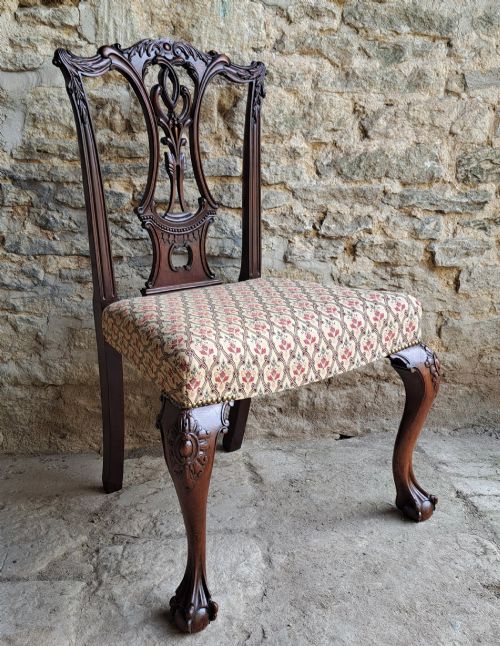
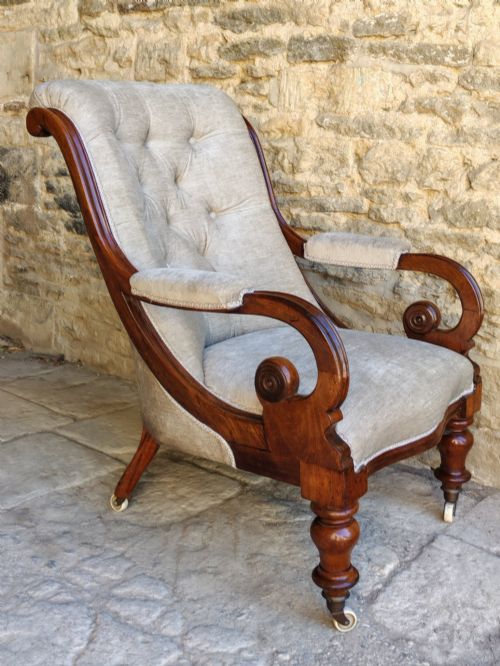
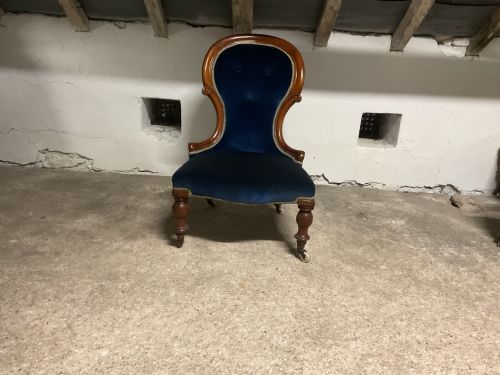
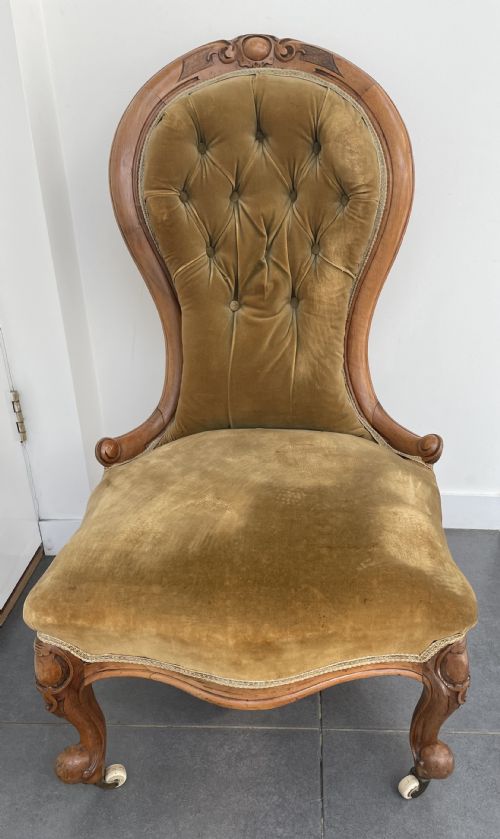
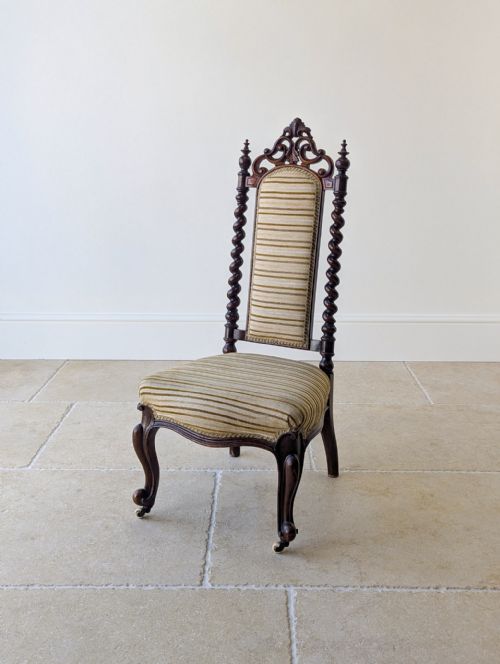
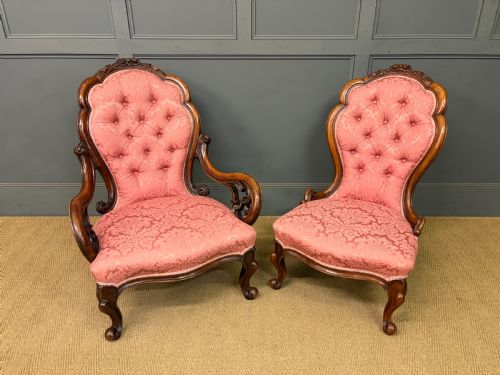
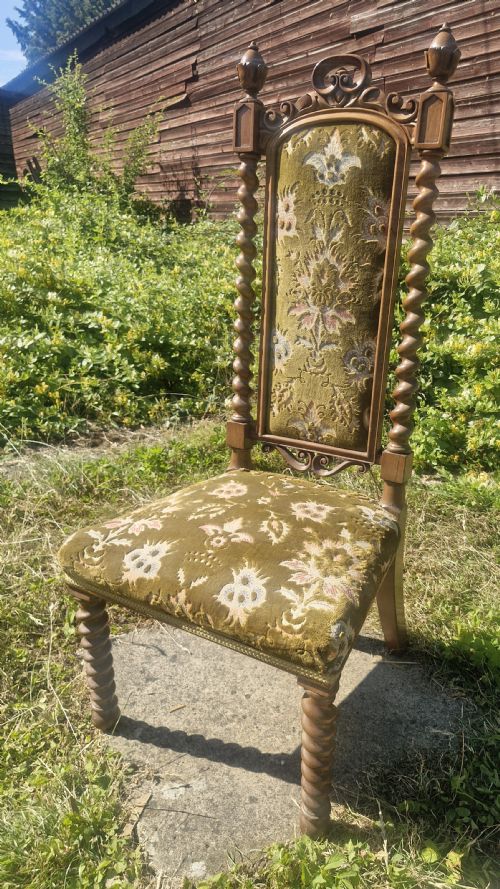
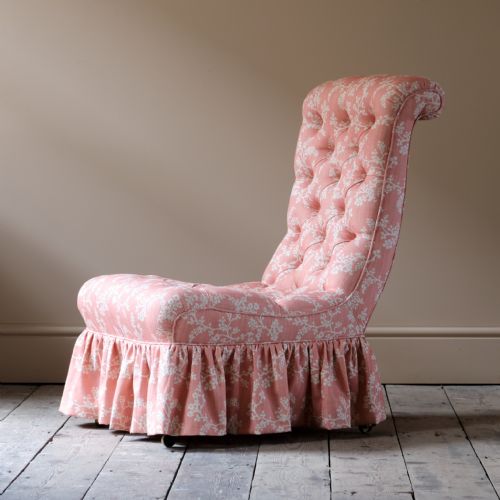
A mid victorian accent chair covers a wide variety of seating produced during the nineteenth century, most often appearing as walnut, mahogany, or rosewood armchairs, nursing chairs, and side chairs. These pieces served specific domestic functions in parlours, bedrooms, and reception rooms, ranging from low-seated slipper chairs to high-back parlour seats.
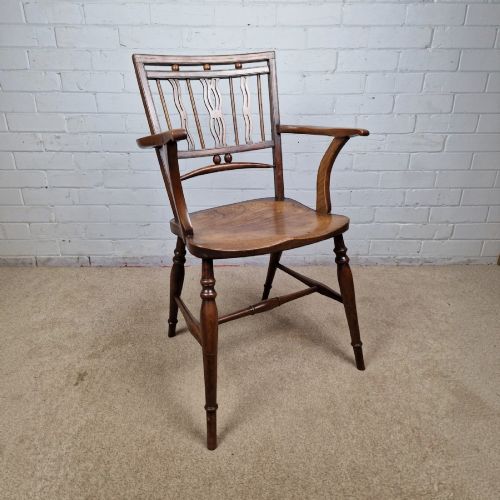
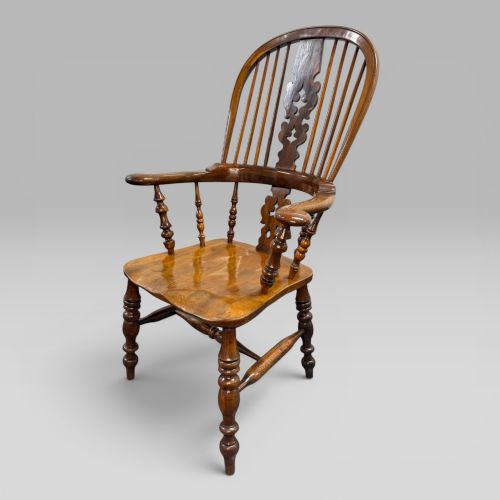
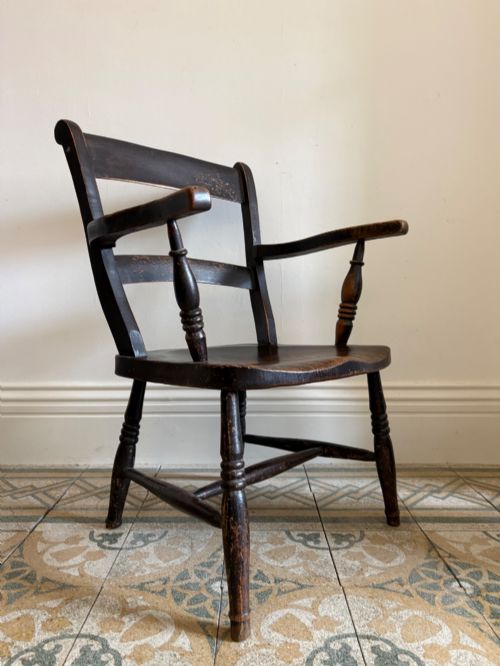
The selection on this page leans heavily toward Victorian walnut and mahogany framing, with frequent appearances of rosewood, ash, and elm in forms such as the Windsor or Mendlesham chair. Buyers will encounter diverse revival styles including Victorian Rococo, Gothic Revival, and Chippendale influences, alongside country regional variations.
How they were made
Cabinet makers utilised dense hardwoods such as walnut, mahogany, and rosewood for formal salon and parlour seating, often employing carved decoration, balloon backs, or open arms. Regional and country chairs relied upon local timbers like ash and elm, shaped into sturdy Windsor and spindle-back forms with turned legs.
Upholstery techniques involved traditional stuffing finished with fabric, velvet, or new replacement covers, whilst structural support relied upon sturdy timber joinery augmented by brass fixings or iron components in specific armchair frames.
Mid Victorian Accent Chair Retail Price Guide 2026
Typical asking prices for mid victorian accent chair among the pieces listed under this phrase on Sellingantiques today, from the lower quarter to the upper quarter. They describe what is for sale here now, not the wider market.
Papier-mâché makes a surprise appearance among the timber frames, proving the Victorians would make a chair out of almost anything.
What varies in quality
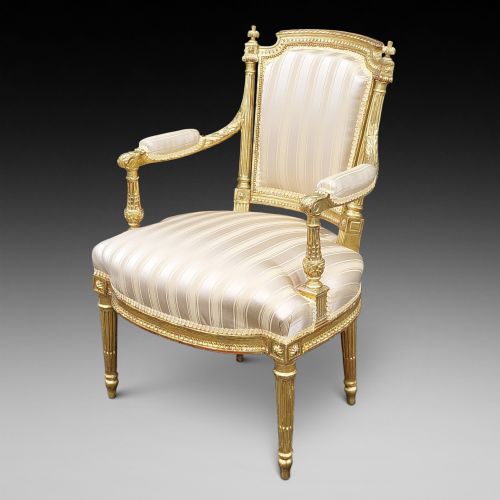
Quality reveals itself in the selection of timber and the crispness of the carving, where dense walnut and figured rosewood distinguish finer parlour pieces from simpler regional elm or ash chairs. The sophistication of the silhouette - such as a fluid spoon-back or an elaborate giltwood fauteuil - separates standard utility seating from high-status decorative furniture.
The integrity of the frame construction and the fidelity of revival styles, whether Rococo, Gothic, or Louis XVI, dictate the standing of an individual piece within the broader nineteenth-century production.
Gillows
The Mid Victorian Accent Chair Glossary
- Fauteuil
- An open-armed upholstered armchair originating in France, appearing in nineteenth-century revival styles with exposed wooden frames.
- Windsor chair
- A wooden chair constructed with upright spindles inserted into a solid sculpted seat, typically featuring a bowed back and turned legs.
- Nursing chair
- A low-seated chair designed for nineteenth-century domestic comfort, often featuring a high back to support the head.
- Balloon back
- A rounded, oval-shaped chair back resembling the profile of a balloon, characteristic of mid-nineteenth-century seating.
- Slipper chair
- An upholstered bedroom chair with a particularly low seat, originally intended to assist with putting on footwear.
Mid Victorian Accent Chair: Frequently Asked Questions
How do I identify a Victorian nursing chair?
A Victorian nursing chair is typically characterised by a noticeably lower seat combined with a higher padded back.
This proportion was designed for household use in bedrooms and nurseries during the mid-nineteenth century.
What woods were used for these chairs?
Cabinet makers predominantly used walnut, mahogany, and rosewood for formal parlour and salon seating throughout the nineteenth century.
Country workshops and regional makers utilised local timbers such as ash, elm, and oak for Windsor and vernacular armchairs.
Where should I place a salon chair?
A salon or occasional chair suits reception rooms, bedrooms, or hallways as a decorative and functional seat.
Their varied upholstery and carved wooden frames allow them to function as standalone accent pieces in modern interiors.