








Victorian Single Dining Chair
A victorian single dining chair is a sturdy seat built for the nineteenth-century table, offering solid timber frames and classic styling.
Victorian Single Dining Chair
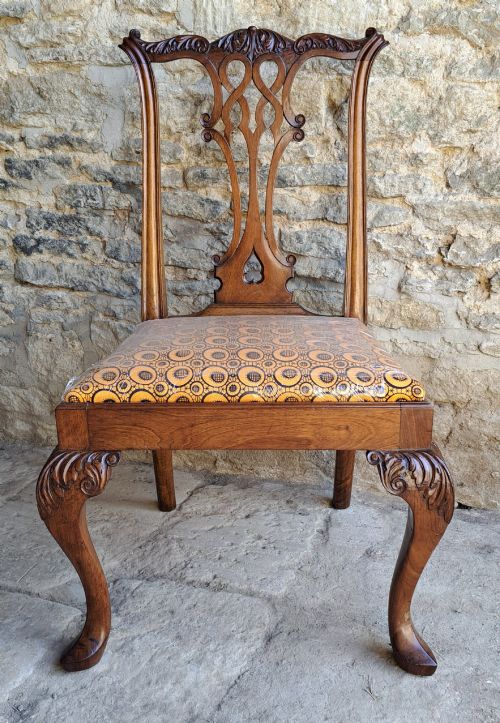
When you search for a victorian single dining chair, you encounter standalone seating built during the nineteenth century, most frequently appearing in mahogany, walnut, elm, and ash. These items include robust country farmhouse models with rush seats alongside formal mahogany and walnut designs influenced by Chippendale and Queen Anne revivals.
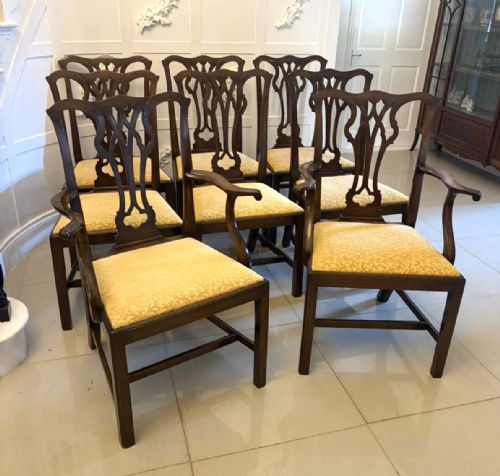
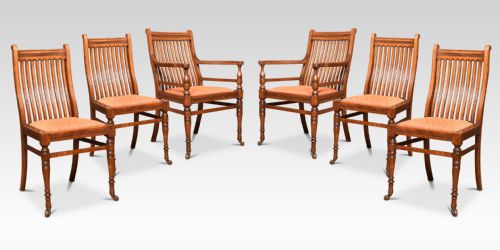
The inventory on this page shows single chairs often sold individually or as survivors from larger dining sets, frequently accompanied by matching carvers with armrests. You will also find side chairs and bedroom variants that serve equally well at the dining table or in a parlour.
Origins span plain rustic timbers like elm and ash up to figured mahogany and burr walnut, reflecting the diverse domestic settings these chairs originally inhabited. Whether you seek a simple rush-seated country version or a heavily carved mahogany showpiece, the selection covers both formal dining rooms and informal spaces.
What varies in quality
The grade of timber dictates much of the distinction between pieces, with dense Cuban mahogany and figured burr walnut sitting at the upper end compared to standard utility woods. Crispness of hand-carving on the back splats and cabriole legs separates standard workshop production from finer cabinet work.
Structural integrity depends upon the tightness of the original joinery and the survival of the timber without excessive dry rot or replacement components. Original rush or leather upholstery elements retain more historical interest than modern re-coverings, though practical usability guides most daily choices.
Victorian Single Dining Chair Retail Price Guide 2026
Typical asking prices for victorian single dining chair among the pieces listed under this phrase on Sellingantiques today, from the lower quarter to the upper quarter. They describe what is for sale here now, not the wider market.
Styles recorded across the inventory span Victorian, Chippendale Revival, Queen Anne Revival, and Rustic Farmhouse forms.
James Shoolbread
The Victorian Single Dining Chair Glossary
- Carver
- An armchair designed to match a set of single dining chairs, traditionally placed at the head of the table.
- Chippendale Revival
- A nineteenth-century style replicating the eighteenth-century designs of Thomas Chippendale, characterised by interlaced ribbon backs and cabriole legs.
- Rush Seat
- A seating surface woven from dried marsh rushes, commonly found on country farmhouse and rustic chairs.
- Balloon Back
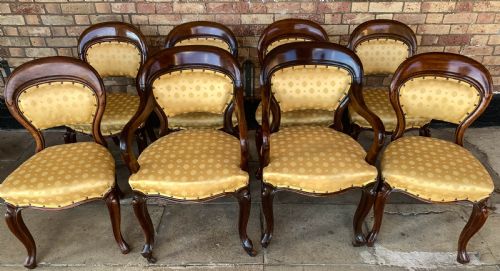
- A rounded, curved chair back shape popular during the Victorian period, resembling the profile of a hot air balloon.
- Cabriole Leg
- A furniture leg that curves out and then in, resembling the leg of an animal, frequently ending in pad or claw-and-ball feet.
Victorian Single Dining Chair: Frequently Asked Questions
Can I mix these chairs with modern tables?
A victorian single dining chair fits comfortably beneath standard contemporary dining tables due to standard nineteenth-century seating heights. Their classic timber tones and varied upholstery integrate easily into modern interior schemes.
Mixing a single antique chair or a small group with contemporary furniture adds character and distinct historical texture to a room without requiring a complete period dining set.
Were these chairs sold individually originally?
Dining seating in the nineteenth century was typically commissioned or purchased in large sets comprising multiple single chairs and matching carvers to accommodate family and guests. Over the decades, many sets became separated through inheritance, house moves, or dealer dispersal.
This history explains why individual chairs or smaller groupings frequently appear on the market today as standalone pieces.
How do I identify a revival style?
Revival pieces incorporate eighteenth-century decorative motifs, such as Chippendale fretted splats or Queen Anne cabriole legs, executed with nineteenth-century workshop techniques and timber choices. Makers during this era enthusiastically copied earlier Georgian aesthetics to satisfy Victorian demand for historic prestige.
Examining the construction methods, screw types, and wood patination helps distinguish these later interpretations from genuine eighteenth-century work.
How should I care for timber frames?
Maintain the wood by keeping the chairs away from direct heat sources and sudden humidity changes that cause timber to split or joints to loosen. Regular dusting and occasional application of traditional beeswax nourish the polished surface.
Avoid harsh chemical cleaners, as these strip the historical patina accumulated across the nineteenth and twentieth centuries.