

Antique Wooden Bedroom Chair
An antique wooden bedroom chair brings character to a corner, combining everyday Victorian and Edwardian utility with lasting craftsmanship.
Antique Wooden Bedroom Chair
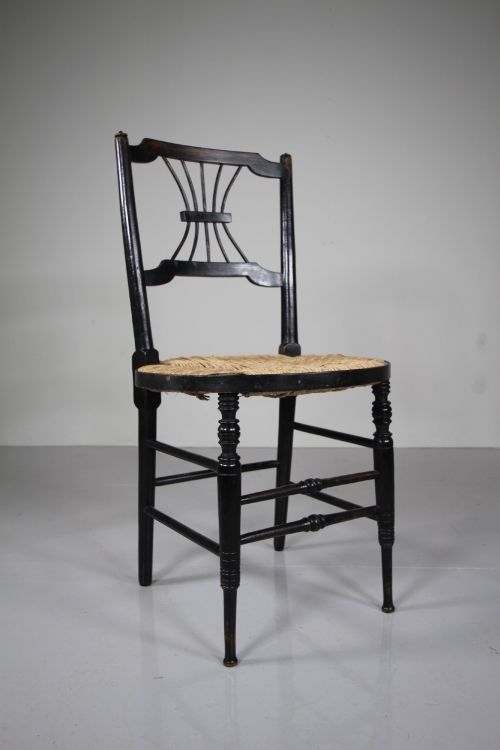
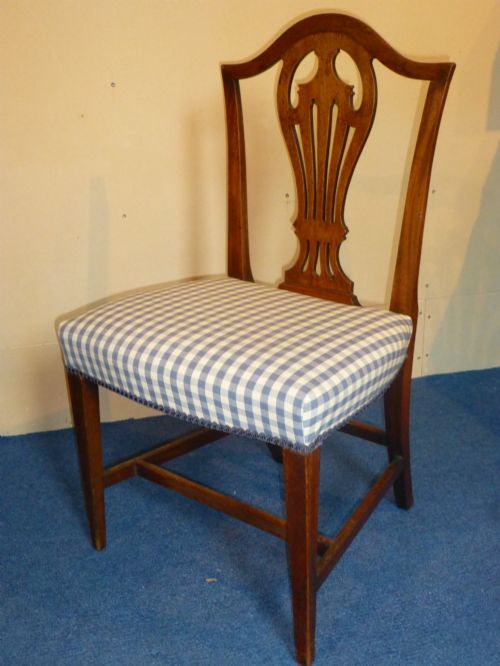
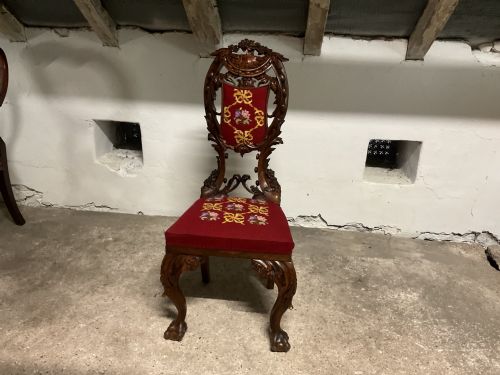
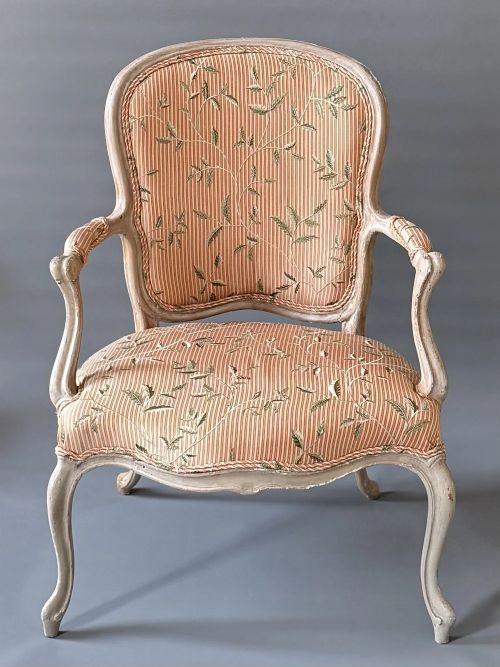
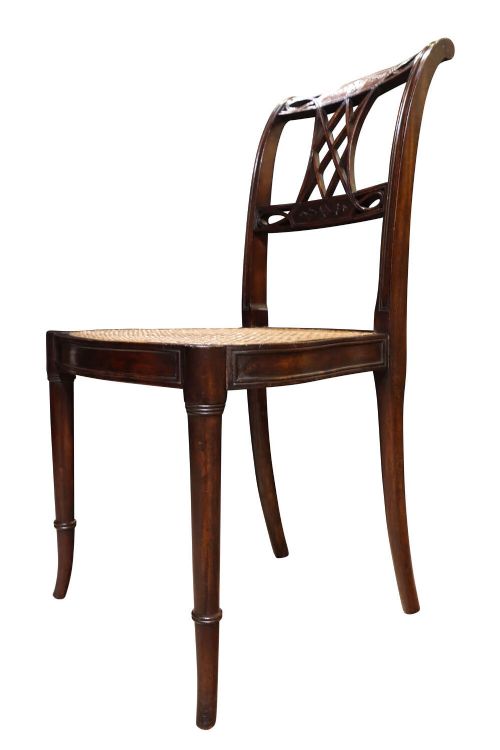
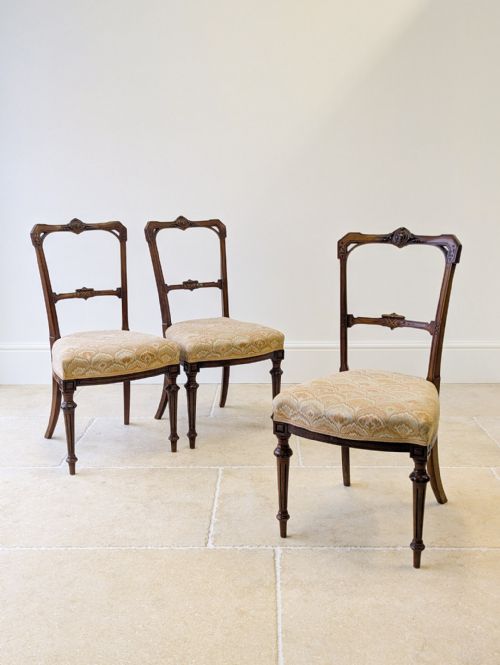
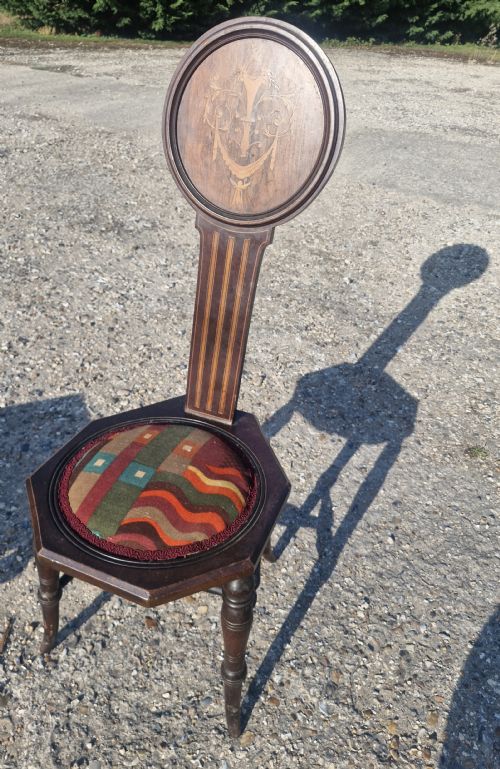
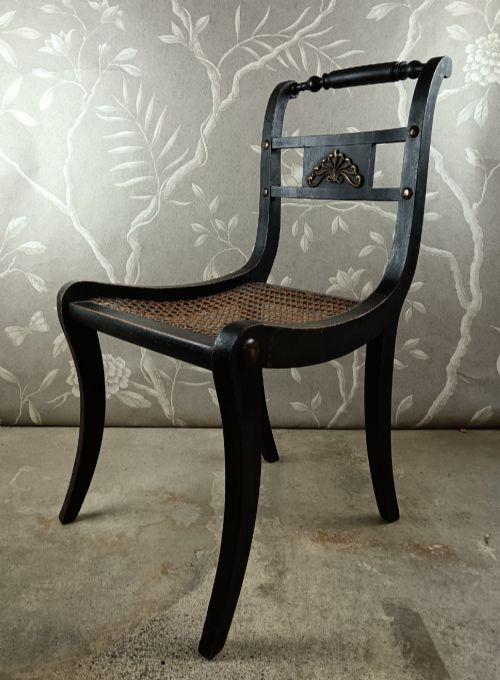
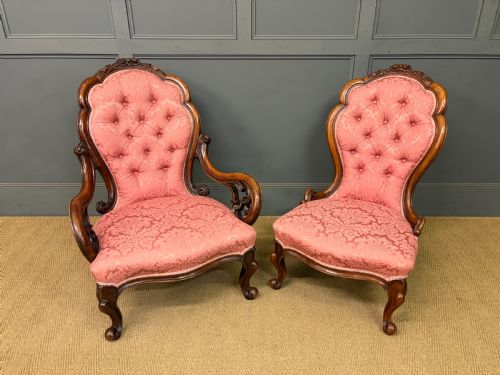
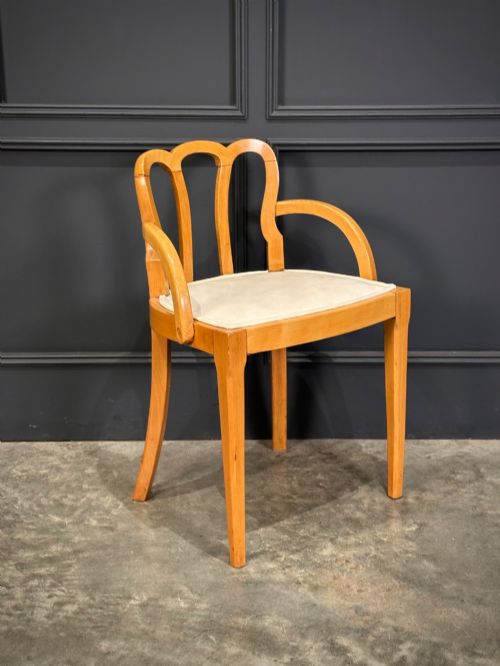
An antique wooden bedroom chair is typically a lighter seating option designed for personal chambers, drawing on periods from the Regency era through to the Edwardian decades and the early twentieth century. These pieces encompass forms such as low seat nursing chairs, occasional chairs, side chairs, and occasional rocking chairs created for private spaces.
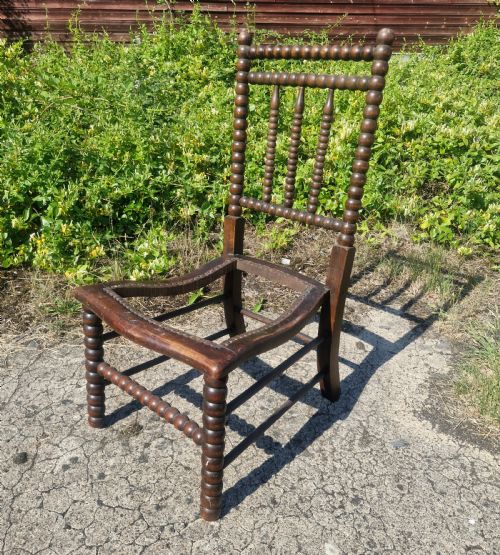
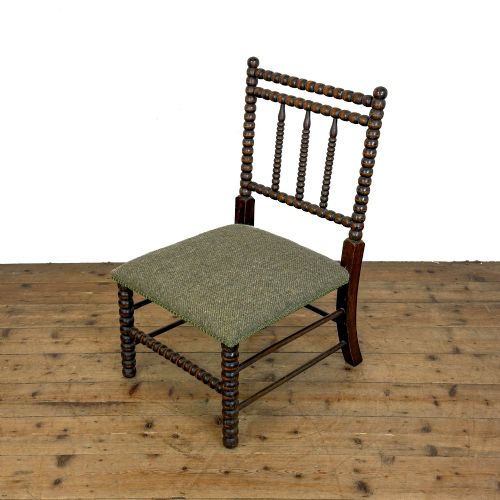
The selections span stylistic revivals like Sheraton, Louis XV, and Aesthetic Movement designs alongside functional vernacular pieces in mahogany, walnut, beech, and fruitwood. Buyers frequently encounter Edwardian inlaid mahogany models featuring cane seats or low bobbin-framed seating from the late Victorian period.
Originating as practical bedroom furniture, these items now serve flexibly in modern interiors as accent pieces, offering compact dimensions and varied timber tones. The construction balances domestic comfort with decorative refinement typical of nineteenth and early twentieth-century British and continental workshops.
Materials and construction
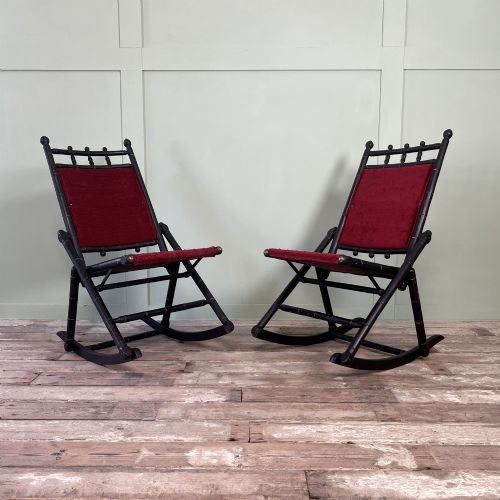
Cabinet makers utilised dense hardwoods including mahogany, walnut, satinwood, and beech, often shaped through steam-bending or precision carving to form curved backs and cabriole or sabre legs. Surface ornament ranges from subtle boxwood stringing and satinwood inlay to faux bamboo turnings and painted or ebonised finishes.
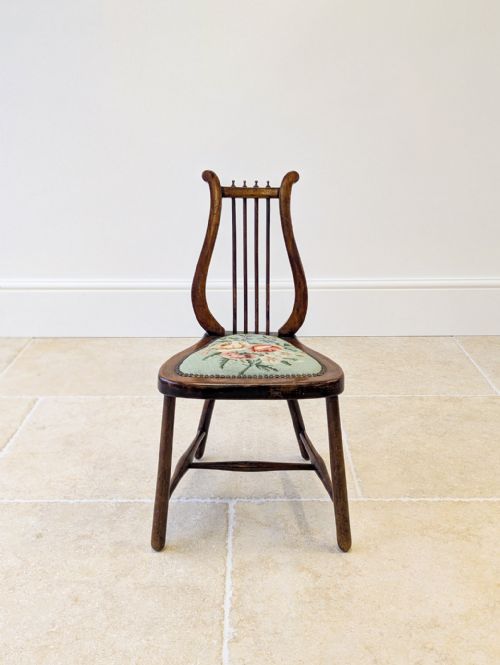
Seating foundations combined traditional joinery with woven cane panels or padded upholstery upholstered in period textiles like needlepoint and contemporary fabric. Frames rely on mortise and tenon joints secured by wooden pegs or concealed fixings, demonstrating robust domestic construction.
Several rocking chairs feature bamboo-turned beech frames, bringing whimsical botanical style into the Victorian parlour.
Distinctions in quality
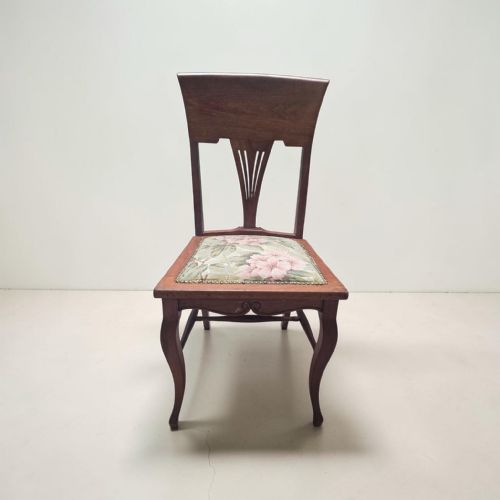
Quality rests in the crispness of the timber carving, the choice of figured veneers, and the integrity of structural joints rather than mere decorative elaboration. Superior examples demonstrate refined proportions, such as well-balanced pierced splats and harmonious inlay, alongside original surface patination.
The survival of original supporting elements, whether cane work, turned stretchers, or painted decoration, elevates a piece above standard utility versions. Consistency in timber selection across secondary components similarly distinguishes higher-grade workshop output from mass-produced commercial seating.
William Morris·Rossetti
The Antique Wooden Bedroom Chair Glossary
- Side chair
- A light, upright chair without arms designed primarily for occasional seating or placement against a wall when not in use.
- Nursing chair
- A low-seated chair historically designed for feeding infants, featuring an abbreviated stature that keeps the sitter close to the floor.
- Splat
- The vertical central strip of wood within a chair back connecting the seat to the top rail, frequently pierced or inlaid for decoration.
- Cane
- Woven rattan material utilised for breathable chair seats and backs, particularly prevalent in Edwardian and Regency lighter seating.
- Aesthetic Movement
- A late nineteenth-century design style that rejected heavy industrial ornamentation in favour of simplified forms, sometimes incorporating Japanese-influenced motifs like faux bamboo.
Antique Wooden Bedroom Chair: Frequently Asked Questions
What distinguishes a bedroom chair from a dining chair?
Bedroom chairs are generally built with lower seats and lighter frames, designed for personal chambers rather than formal dining tables.
Their decorative details often prioritise intimate comfort and visual charm over the robust utility required for daily dining use.
How do I identify an Edwardian bedroom chair?
Edwardian examples frequently display lighter timbers such as satinwood or inlaid mahogany, often incorporating cane work or delicate stringing.
They reflect the refined, revivalist tastes popular around the turn of the twentieth century, favouring slender legs and restrained ornament.
Are cane seats on antique chairs original?
Original cane work survives on well-preserved pieces that have avoided damp environments and heavy institutional use over the decades.
When cane has been replaced, skilled artisans use traditional hand-weaving methods to match the gauge and tension of the historical period.
How do I care for antique wooden bedroom chairs?
Keep these chairs away from direct heat sources and strong sunlight to prevent the timber from drying out and the veneer from lifting.
Regular dusting with a dry cloth and occasional application of appropriate furniture wax will maintain the natural lustre of the wood.