



Late Victorian Accent Chair
A late victorian accent chair brings character to a corner, offering a blend of sturdy timber and period upholstery.
Late Victorian Accent Chair
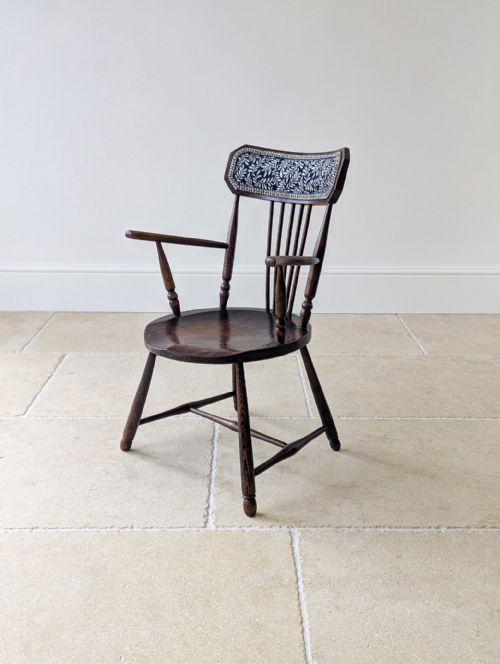
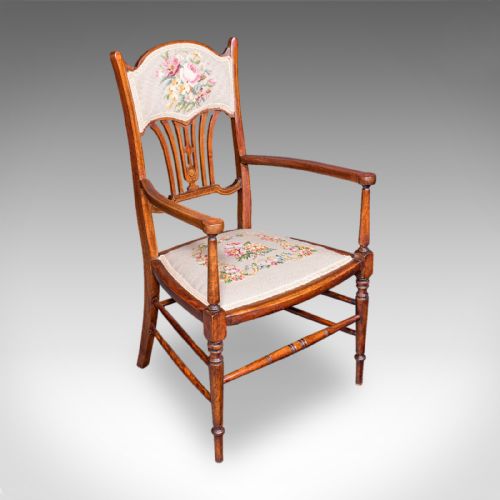
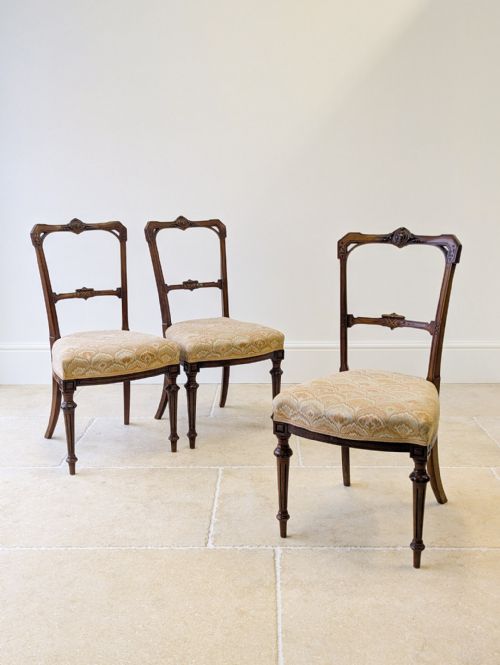
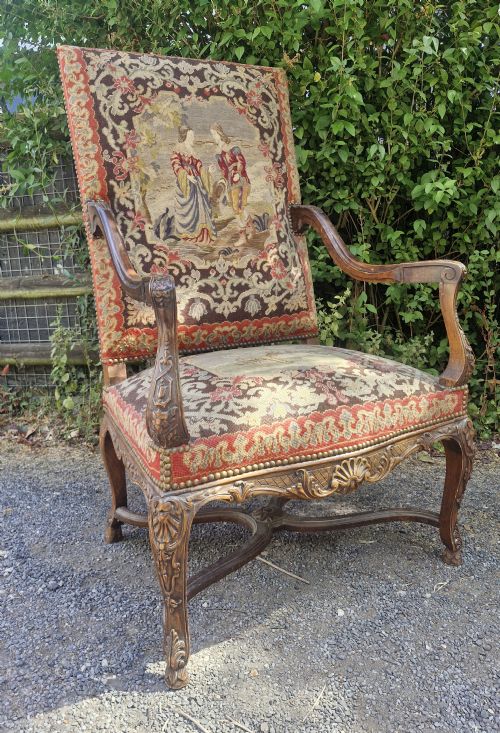
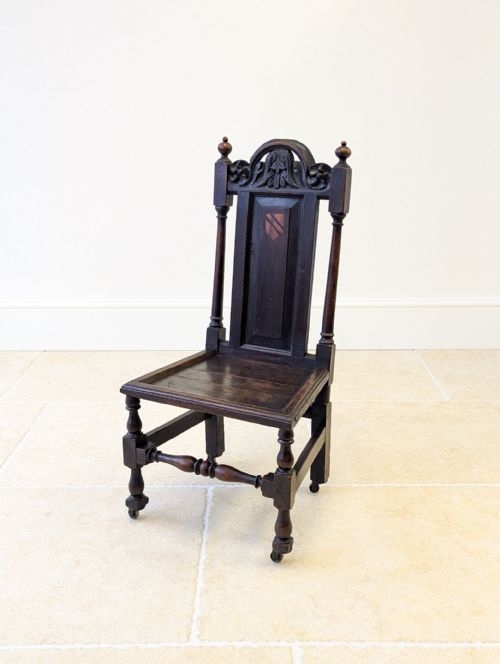
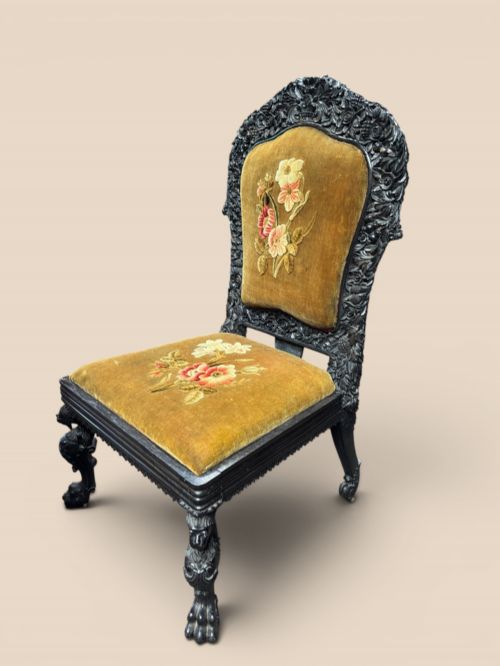
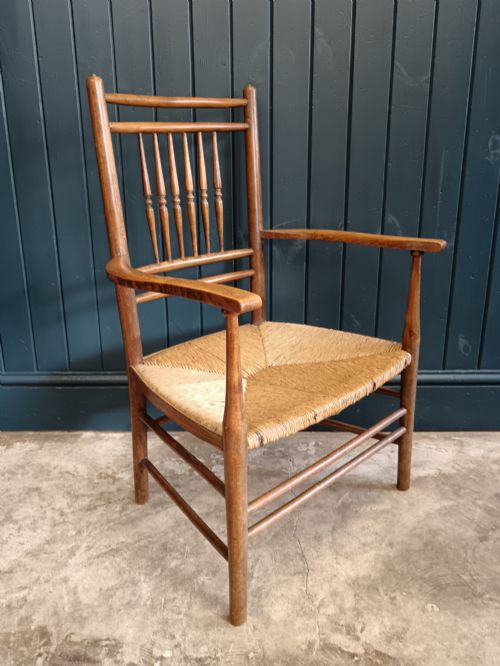
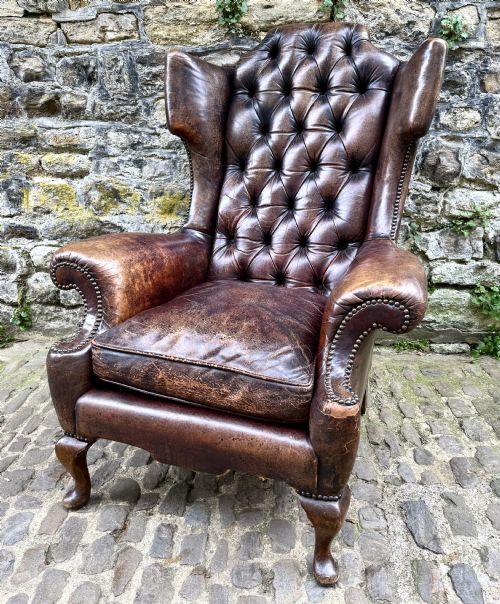
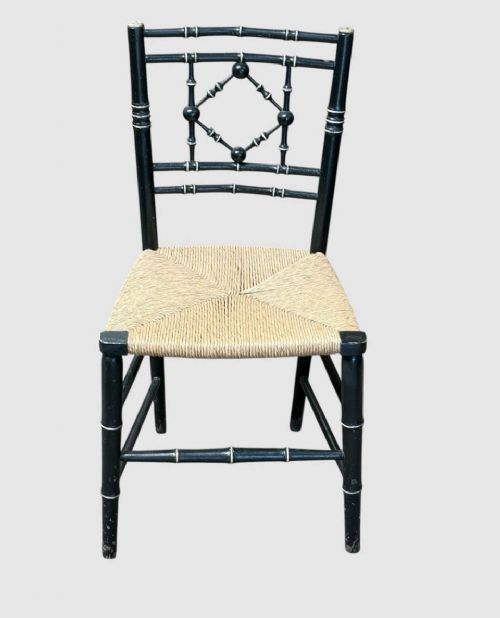
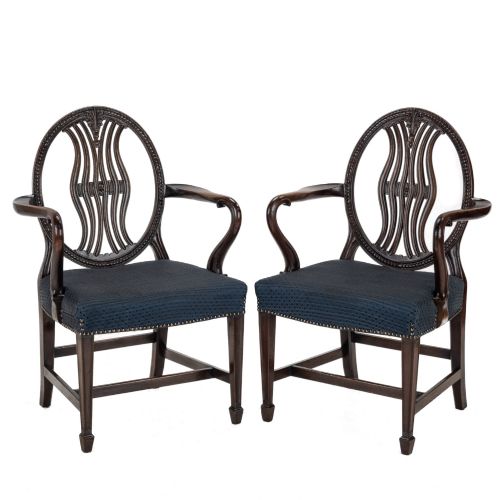
The selection on this page demonstrates the wide design vocabulary of the era, moving from simple rush-seated fireside chairs to carved mahogany and walnut salon seating. Buyers frequently encounter upholstered bedroom chairs and decorative occasional seats bearing the stylistic influences of the Aesthetic Movement, Arts and Crafts, and Jacobean Revival.
Originating predominantly from British workshops alongside continental and Cairene examples, these chairs utilise traditional forms updated with late nineteenth-century ornamentation. The forms range from low slipper chairs to tall-backed fauteuils, providing portable seating that functioned as much for visual display as for comfort.
How they were made
Makers constructed the frames of a late victorian accent chair using dense hardwoods such as mahogany, walnut, oak, beech, and satinwood, often enhanced with ebony or brass details. Joinery relied on traditional mortise and tenon techniques alongside turned components like barley twists and spindle backs.
Upholstery methods involved traditional stuffing secured over webbed frames, finished with textiles including velvet, needlework, tapestry, leather, and cane. Decorative surfaces display hand-carving, inlay, and hand-painted motifs, reflecting the diverse craft traditions active during the period.
Some Victorian sitters required low chairs simply to negotiate heavy petticoats and garments without tangling their skirts.
What varies in quality
The calibre of a late victorian accent chair rests upon the crispness of its hand-carving and the integrity of its timber frame construction. Superior examples exhibit tightly fitted joints, substantial timber thickness, and refined decorative details such as intricate marquetry or finely turned spindles.
Upholstery choices and the preservation of original textiles or cane work significantly influence the standing of a piece within its type. Chairs bearing documented association with notable makers or specific design movements demonstrate a higher level of design ambition and material execution.
Liberty and Co·Collier and Plucknett·James Shoolbred
The Late Victorian Accent Chair Glossary
- Fauteuil
- An open-armed upholstered armchair with exposed wooden framing around the back and armrests. This French seating form was frequently reinterpreted by late nineteenth-century cabinet makers.
- Nursing chair
- A low-seated upholstered chair originally designed for comfort in the bedroom or nursery. The reduced seat height allowed the sitter to attend to infants with ease.
- Barley twist
- A type of turning shaped like a spiral rope, popular in the timber framing of seventeenth-century furniture and revived during the Victorian era. It adds texture and visual weight to legs and stretchers.
- Aesthetic movement
- A late nineteenth-century design ethos prioritising visual beauty over moral or narrative purpose in art and decorative objects. Pieces in this style often utilise ebonised wood and gilt highlights.
- Slipper chair
- A bedroom chair characterised by its low seat and absence of arms, originally intended to assist women putting on shoes and garments. These chairs rely on compact proportions and upholstered frames.
Late Victorian Accent Chair: Frequently Asked Questions
Where did these chairs sit in the Victorian home?
These chairs occupied private and public rooms alike, including bedrooms, morning rooms, and hallways. Specific forms were tailored to distinct domestic tasks.
Lower seats served bedrooms and dressing rooms, while larger armchairs furnished parlours and firesides for entertaining guests.
How do I identify an Aesthetic Movement chair?
Aesthetic Movement pieces often feature ebonised wood surfaces, geometric carving, and slender proportions. They reflect a shift away from heavy, traditional revival styles.
These chairs frequently incorporate contrasting gilding, brass details, and subtle orientalist influences popular in late nineteenth-century design.
Can I use an antique bedroom chair daily?
Most pieces handle everyday sitting if the internal webbing and joints remain stable. Lighter occasional chairs suit reading corners and low-traffic areas.
Heavier framed armchairs provide robust support, though fragile cane seats or delicate needlework require more mindful usage.
What defines Arts and Crafts seating?
Arts and Crafts chairs emphasise honest construction, visible joinery, and natural materials such as oak, rush, and plain beech. Ornamentation is secondary to structural clarity.
Designs like the Sussex armchair showcase functional spindle backs and woven seats, reflecting a philosophy rooted in traditional handcraft.