

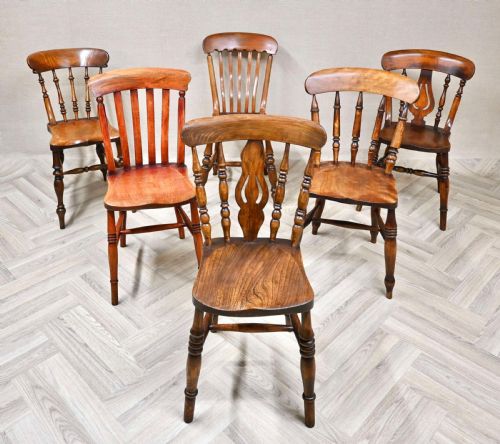
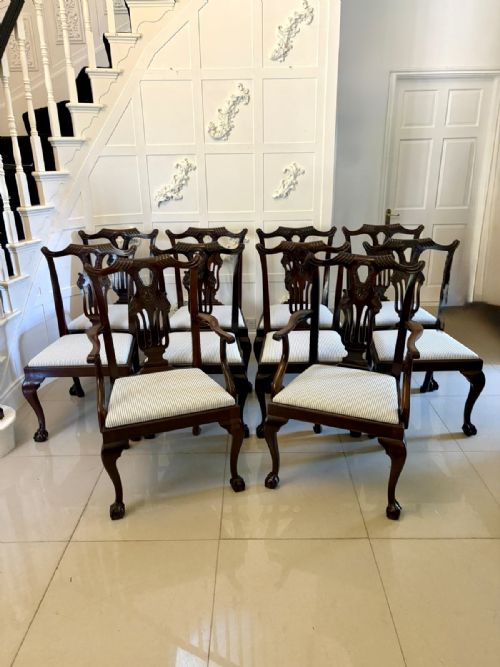

Victorian Carved Splat Chair
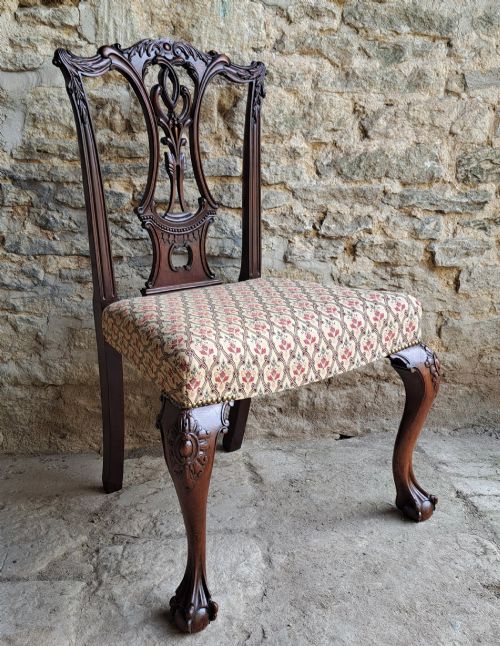
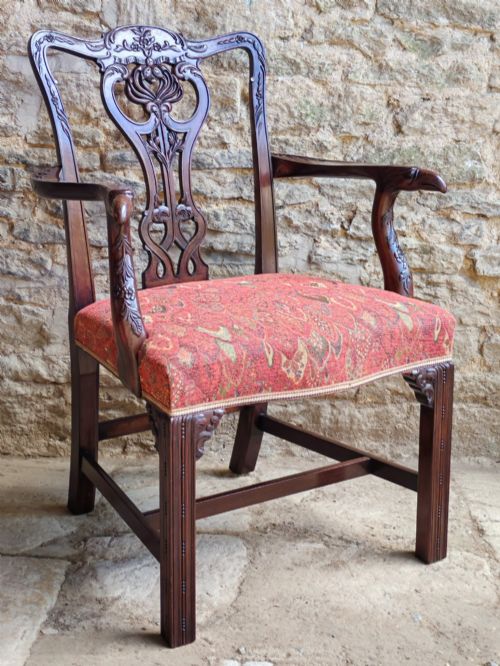
A victorian carved splat chair combines period timber with pierced vertical centre supports, offering sturdy seating with distinctive nineteenth-century character.
Victorian Carved Splat Chair
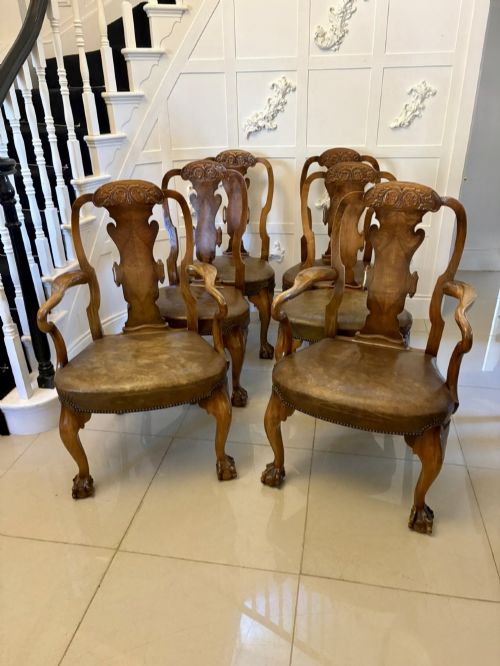
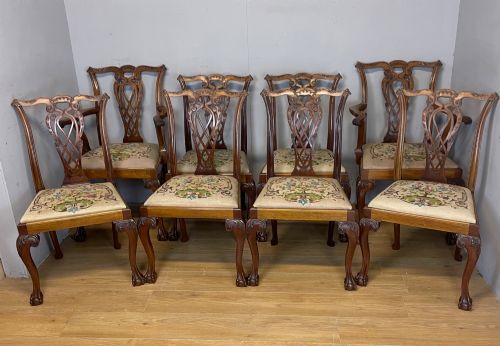
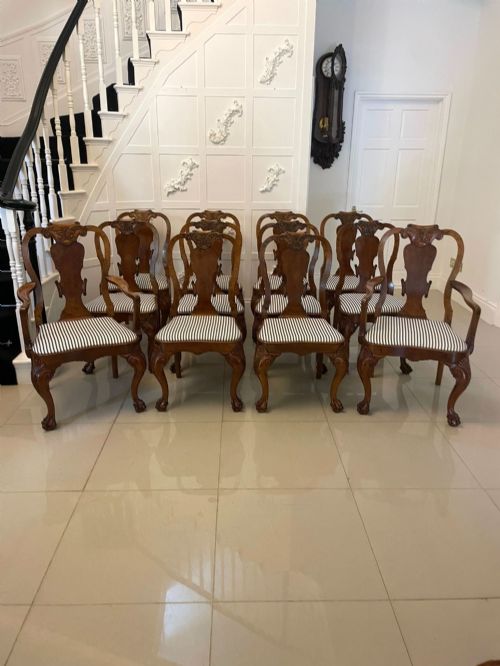
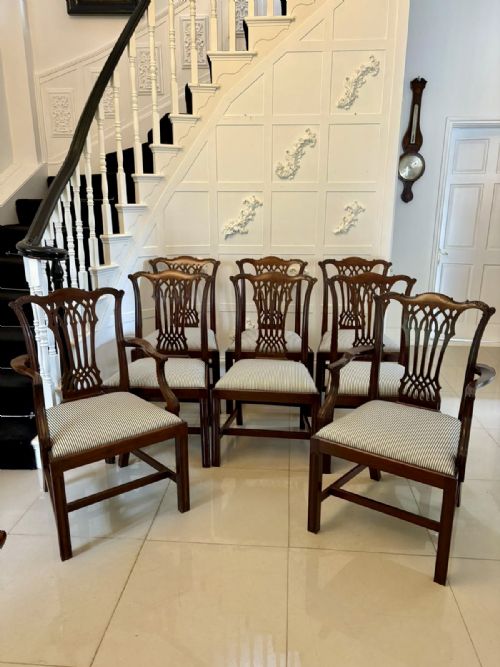
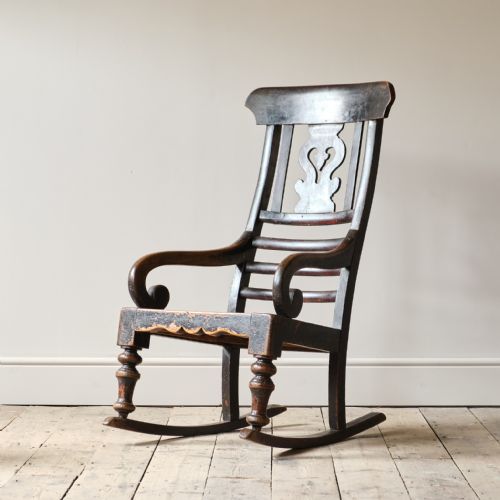
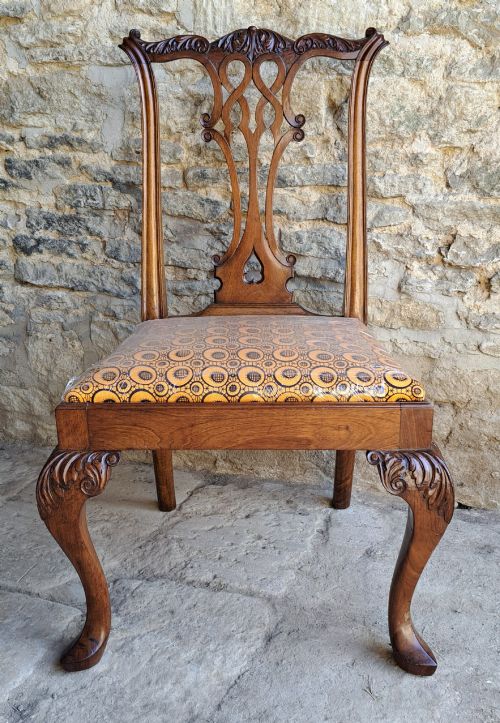
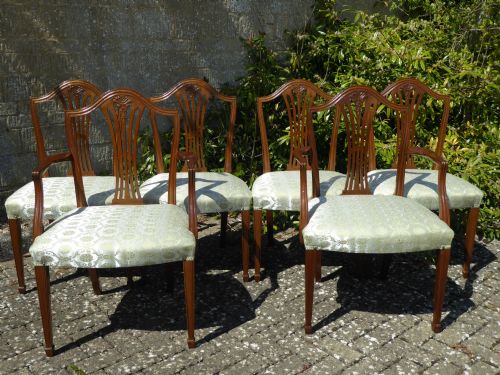
A victorian carved splat chair forms part of a diverse selection of nineteenth-century seating, drawing on periods from the eighteen-fifties through to the Edwardian era. These pieces appear primarily as dining chairs, side chairs, and armchairs, with revival aesthetics such as Chippendale and Hepplewhite strongly represented alongside country and rustic forms.
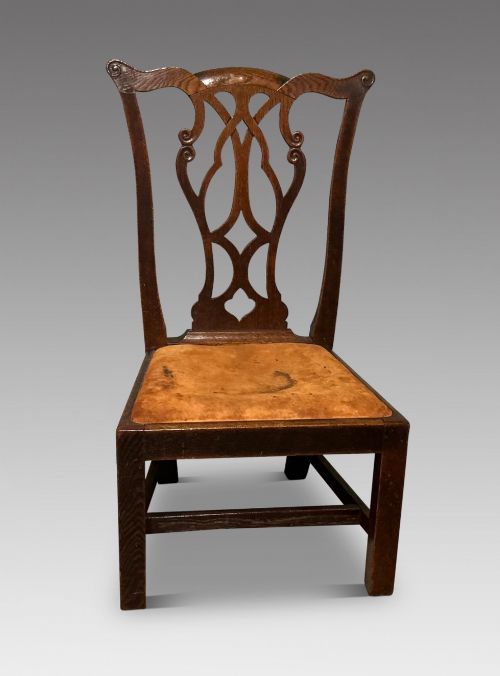
Buyers encounter single examples, matched pairs, and larger sets originating from English and Irish workshops. The defining feature remains the upright central back splat, frequently pierced or elaborately carved to reflect the prevailing historicism of the Victorian period.
How They Were Made
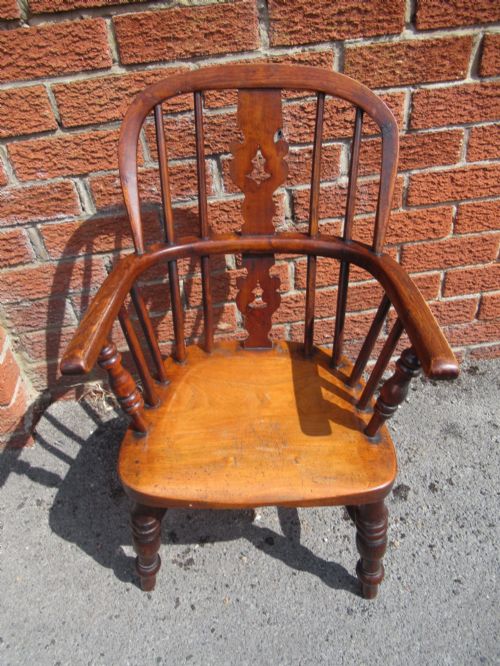
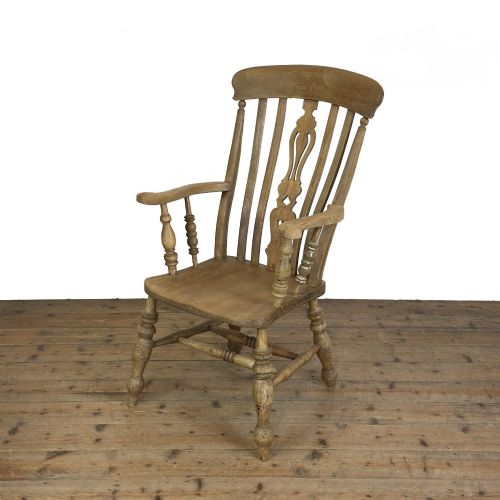
Cabinet makers utilised dense hardwoods including mahogany, walnut, and oak for formal dining and desk models, employing hand-carving techniques to shape the pierced splats and decorative frames. Country and vernacular pieces relied on local timbers such as elm, ash, fruitwood, and beech, often combining multiple woods within a single Windsor or farmhouse armchair.
Joinery methods involved traditional mortise and tenon construction, while finishing touches incorporated turned components, brass fittings, cane panels, or upholstered drop-in seats covered in fabric and leather.
Gossip chairs make an appearance, built low and wide for long telephone conversations in the hallway.
What Varies in Quality
The standard of a victorian carved splat chair depends heavily on the crispness of the timber carving and the selection of figured wood veneers, such as burr walnut or dense mahogany. Sets matched in uniform tone and grain demonstrate higher original workshop ambition than assembled groups.
Structural integrity and the retention of original joinery without excessive timber replacement separate standard utility seating from finer examples produced by noted nineteenth-century cabinet makers and retailers.
Howard and Sons·Warings·William Walker and Sons
The Victorian Carved Splat Chair Glossary
- Splat
- The upright central strip of wood in the middle of a chair back. It often receives decorative piercing or carving.
- Windsor chair
- A traditional seat construction method. Individual spindles and a solid wooden saddle-shaped seat attach to a bentwood bow or high back.
- Carver
- An armchair designed to match a set of dining chairs. It provides elbow rests for the head of the table.
Victorian Carved Splat Chair: Frequently Asked Questions
How do I identify a Victorian splat chair?
Look for characteristic nineteenth-century timber choices like mahogany and walnut combined with a pierced vertical back panel. Revival styles often incorporate heavier proportions and distinct carving motifs.
Examine the construction under the seat and check the joinery style to help confirm the period of manufacture alongside the secondary woods used.
Can I use these chairs for daily dining?
Most sturdy mahogany and walnut examples remain entirely suitable for regular seating around a modern table. Solid wood construction provides the necessary durability for daily use.
Ensure that the frame joints remain tight and secure before putting older chairs into heavy service.
What is the difference between a side chair and a carver?
A side chair is built without arms, designed to fit compactly alongside others around a table or desk. A carver includes armrests and typically sits at the head of a dining set.
Both variants often share identical splat designs and leg styles within a matched set.
How should I care for antique wood furniture?
Keep wooden seating away from direct heat sources and rapid humidity shifts to prevent timber splitting. Regular dusting with a soft cloth preserves the polished surface.
Apply traditional wax sparingly when the wood appears dry, avoiding modern silicone sprays that can damage historic finishes.