
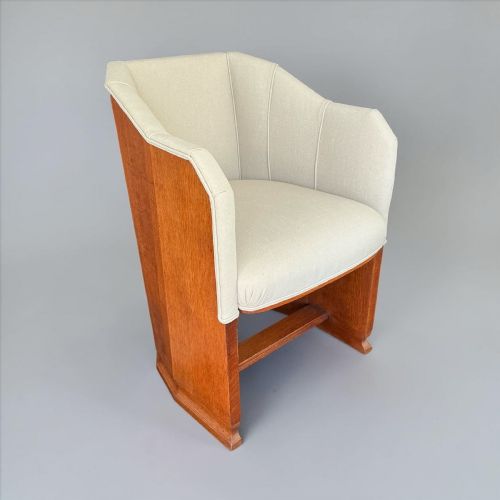
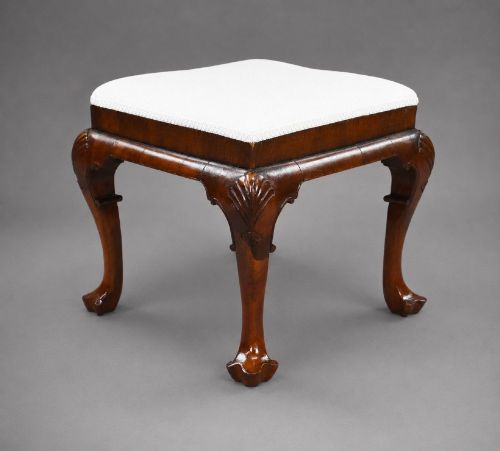
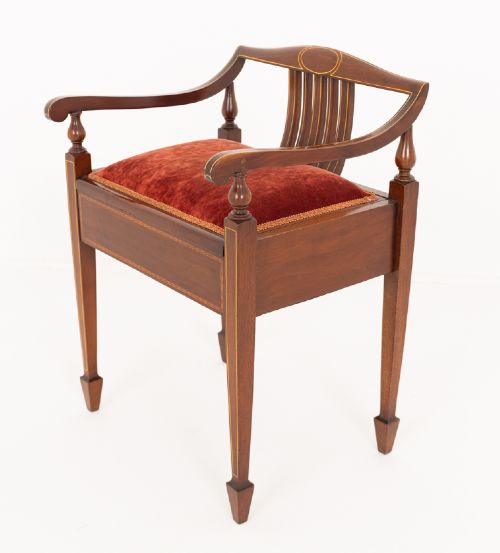
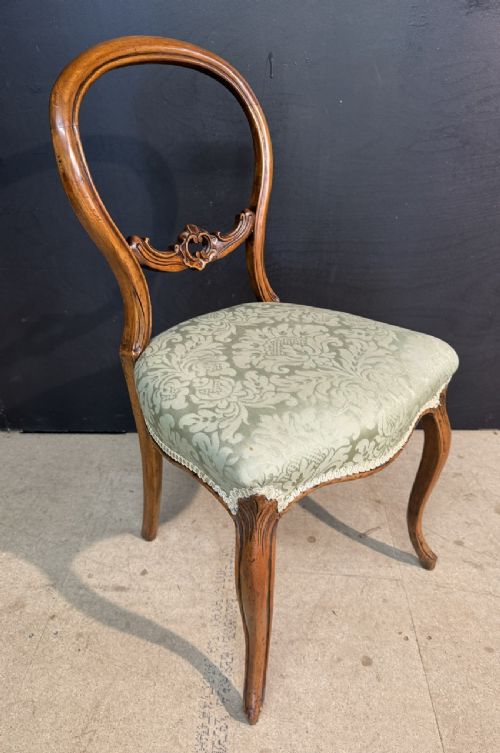




Upholstered Vanity Chair
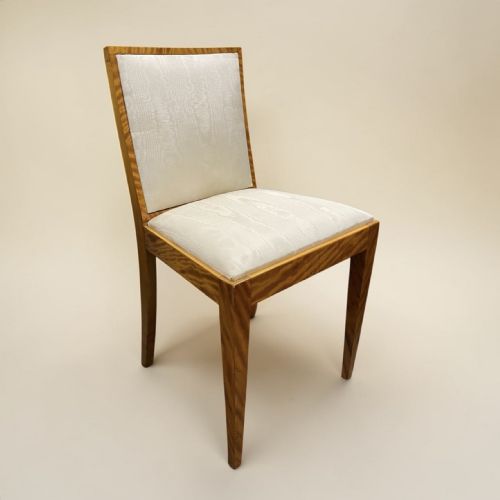
An upholstered antique vanity chair brings compact charm and period comfort to a dressing space, spanning Victorian, Edwardian, and Art Deco designs.
Upholstered Vanity Chair
When you search for an upholstered antique vanity chair, you are looking at small-scale seating designed for dressing rooms and bedrooms, frequently taking the form of low stools, slipper chairs, or nursing chairs. The selection ranges from nineteenth-century mahogany and rosewood frames to early twentieth-century walnut and oak creations.
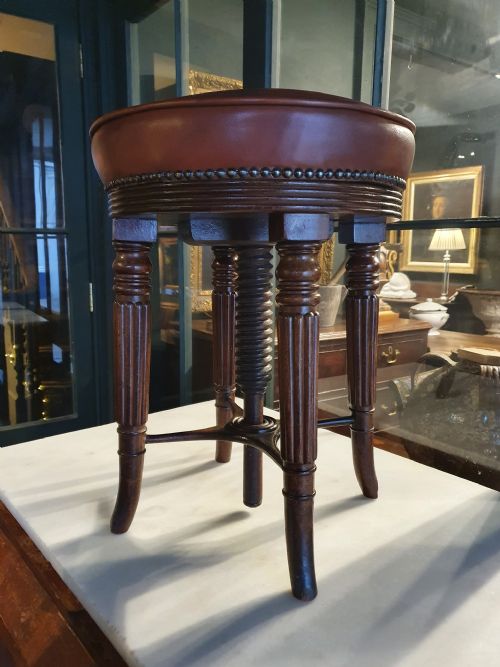
You are most likely to meet Victorian and Edwardian examples on this page, often featuring cabriole legs, turned supports, and restored textile or linen covers. Forms encompass revolving piano stools, boudoir seats, and dressing table stools with low backs or open frames suited to sit beneath a vanity.
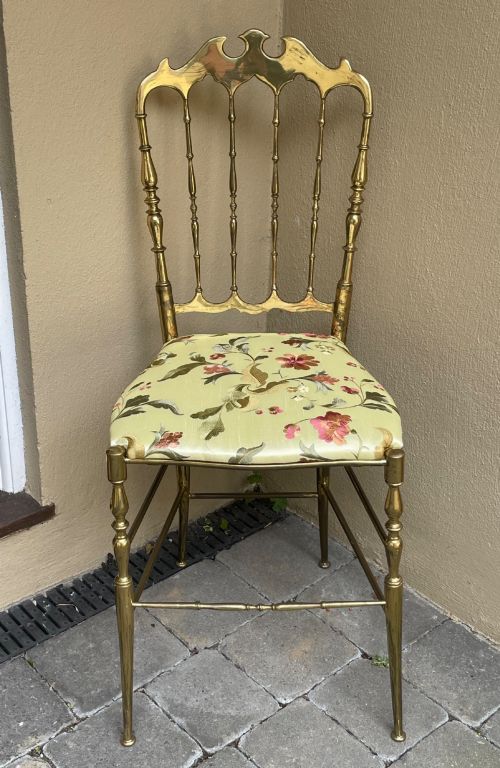
The origins span English cabinet work, French rococo revival pieces, and occasional Italian designs, reflecting the domestic habits of the nineteenth and early twentieth centuries. These pieces combine functional seating with decorative woodwork, utilising diverse woods and period upholstery techniques.
How they were made
Carpenters and cabinet makers shaped these frames from dense hardwoods like mahogany, walnut, rosewood, and satinwood, often employing hand-carved details or inlaid veneers. Structural integrity relied on traditional joinery, complemented by turned legs, scroll arms, and cabriole supports.
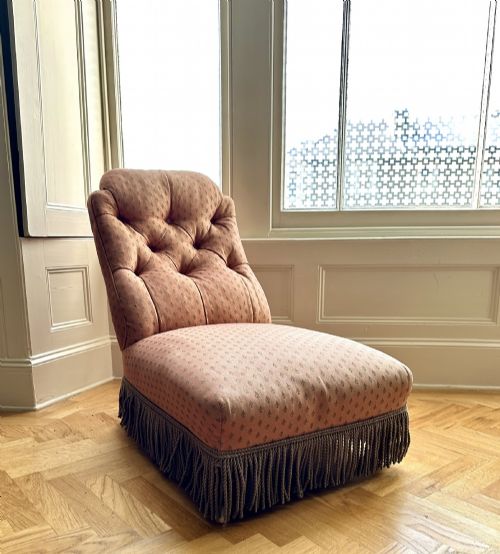
Upholstery involved webbing, stuffing, and textile coverings, using fabrics such as velvet, silk, needlepoint, and vintage linen, occasionally finished with decorative fringe. Giltwood and painted finishes also appear, applied to carved frames to achieve an ornate French revival or boudoir aesthetic.
Object types include piano stools, slipper chairs, nursing chairs, and boudoir seats upholstered in velvet, linen, and needlepoint.
What varies in quality
The distinction between standard commercial production and finer cabinet work rests in the crispness of the hand-carving and the selection of timber veneers. Superior pieces display substantial framing, balanced proportions, and refined turnings rather than plain, mass-produced mouldings.
Upholstery execution and fabric choice contribute significantly to the character of each piece, distinguishing simple re-covered utility seats from those retaining or restoring period textiles with precision.
Bath Cabinet Makers·Heals·Lamb of Manchester·James Shoolbred
The Upholstered Vanity Chair Glossary
- Cabriole leg
- A furniture leg that curves out and then in, resembling an animal's leg, commonly found on eighteenth-century and revival seating.
- Slipper chair
- A low-seated upholstered chair originally designed for bedrooms to allow ladies to sit while putting on shoes.
- Nursing chair
- A low-backed Victorian chair built for comfort during infant feeding, usually featuring a generous upholstered seat and supportive backrest.
- Giltwood
- Timber treated with gold leaf or gold paint to simulate solid gold, prevalent in French rococo and boudoir revival styles.
- Rise and fall
- A mechanical mechanism allowing piano or dressing stools to adjust in height by rotating the seat.
Upholstered Vanity Chair: Frequently Asked Questions
What is a vanity chair?
A vanity chair is a small, low-seated chair or stool designed to sit comfortably in front of a dressing table or vanity.
These pieces typically lack high arms to allow easy movement while grooming, often featuring upholstered seats in velvet, linen, or needlepoint.
How do I date an antique chair?
Dating relies on identifying the prevailing style, timber choices, and construction methods characteristic of periods like the Victorian or Edwardian eras.
Examinations of turnings, joint types, and upholstery foundations help narrow the decade of manufacture.
Were these chairs used at pianos?
Many dressing table stools and low seats served double duty as piano or music stools, particularly revolving or rise and fall models.
Adjustable heights and storage compartments for sheet music frequently accompanied these versatile domestic items.
How do I care for antique upholstery?
Preserving vintage fabric involves gentle surface cleaning and protecting delicate textiles from direct sunlight to prevent fading.
Frames benefit from occasional polishing suited to woods like mahogany, walnut, or rosewood without disturbing original patination.