
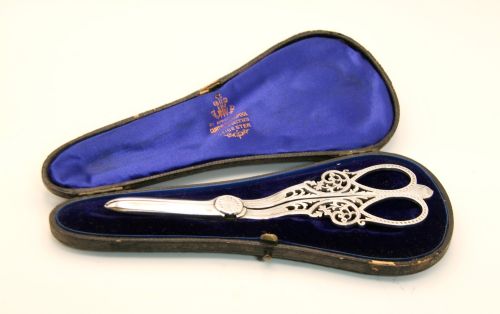
Victorian Silver Case
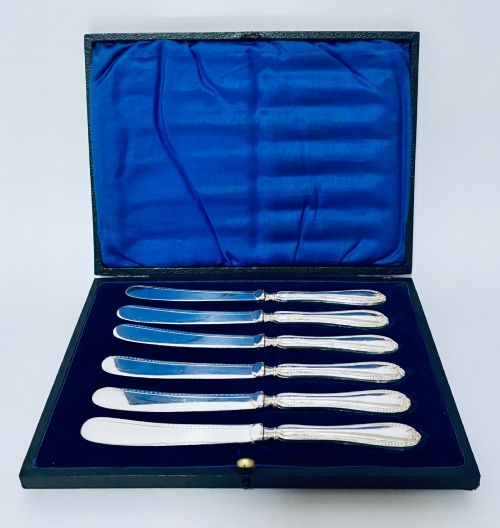
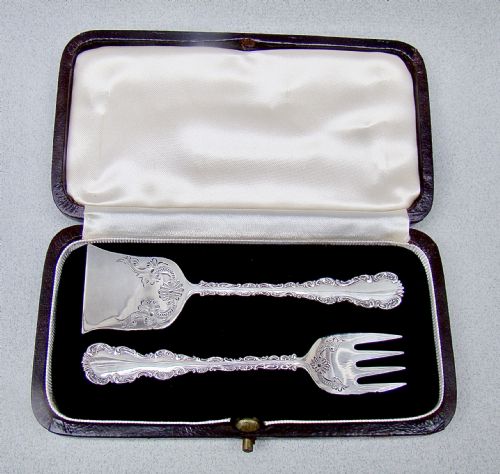
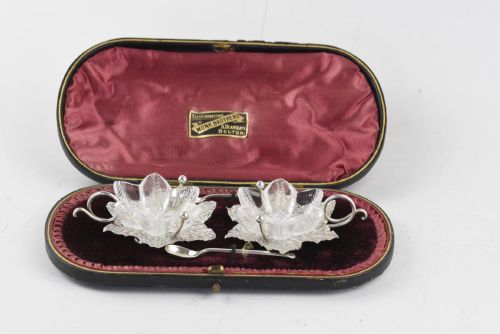
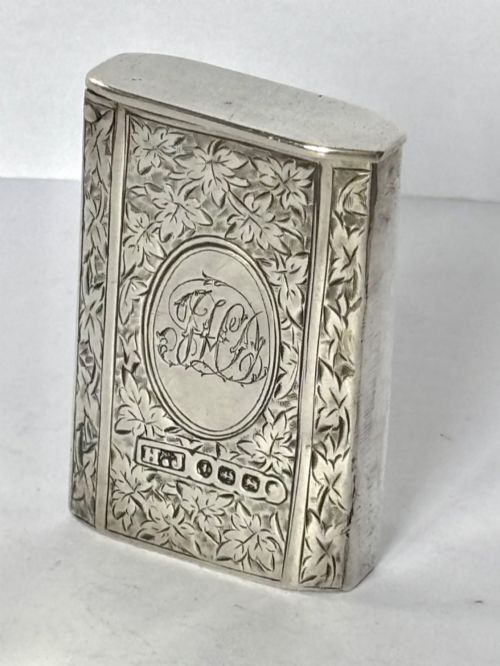
A victorian silver case stores calling cards, matches or keepsakes with period hand-engraving and secure fitted interiors.
Victorian Silver Case
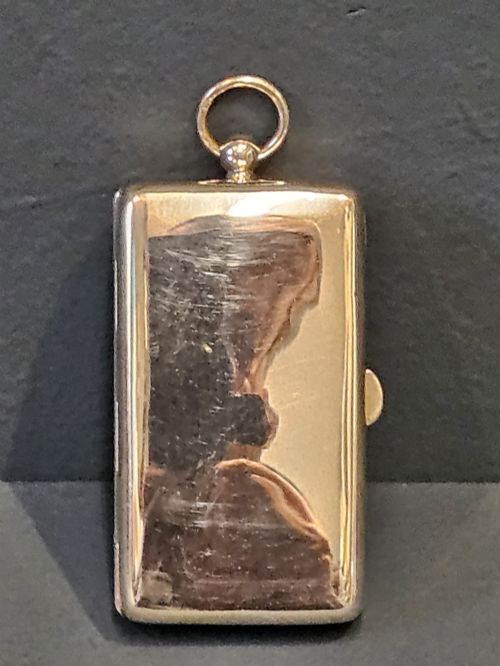
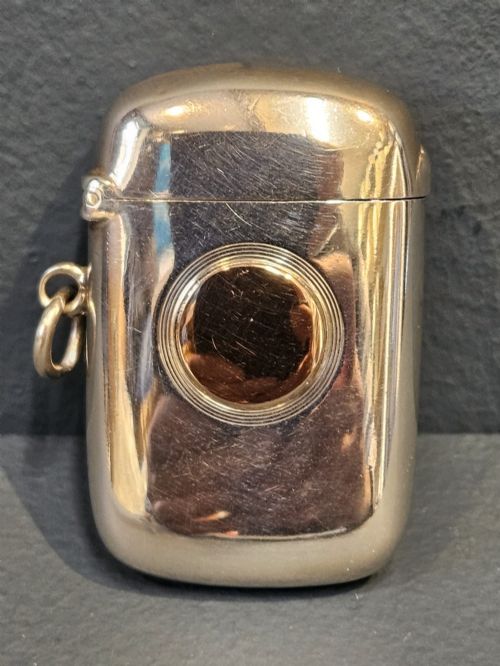
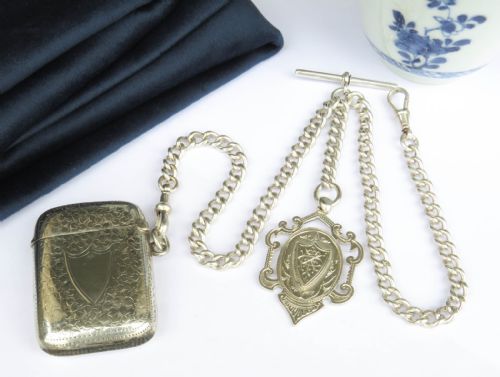
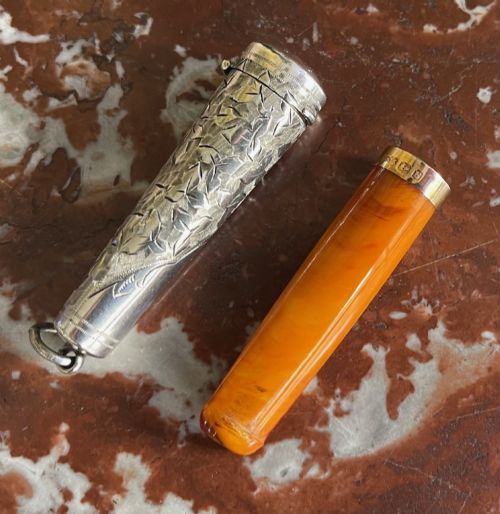
A victorian silver case encompasses slender card receptacles, flip-top match vesta holders, and structured cigar containers fashioned during the nineteenth century.
Makers shaped these items for social correspondence and personal transport, often incorporating internal divisions of velvet or silk.
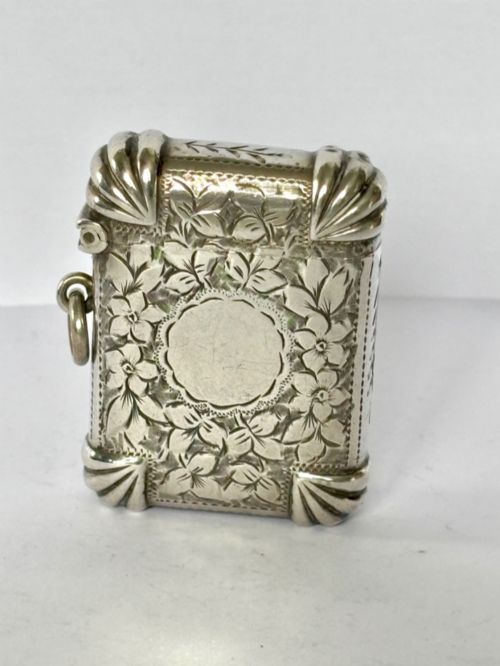
On this page, buyers frequently encounter pocket-sized card cases and spring-loaded vesta match safes bearing crisp Birmingham or London hallmarks.
Materials and Techniques
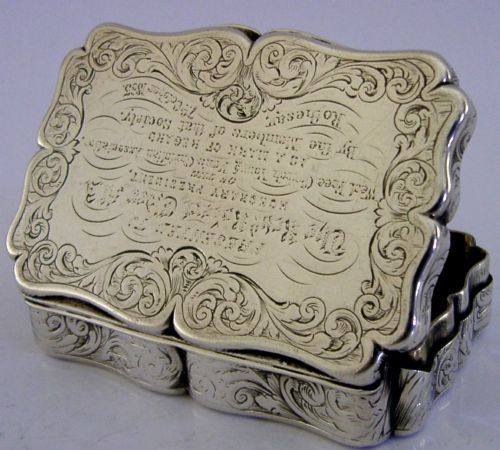
Silversmiths constructed exterior shells from sterling silver sheets, employing stamping and hand-chasing to apply dense foliate scrolls or architectural castle top scenes.
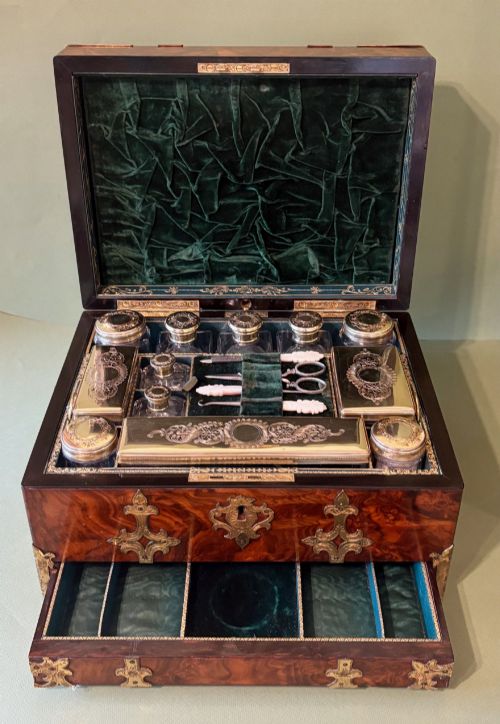
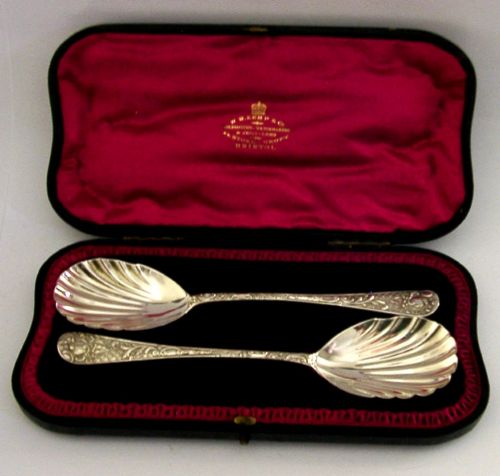
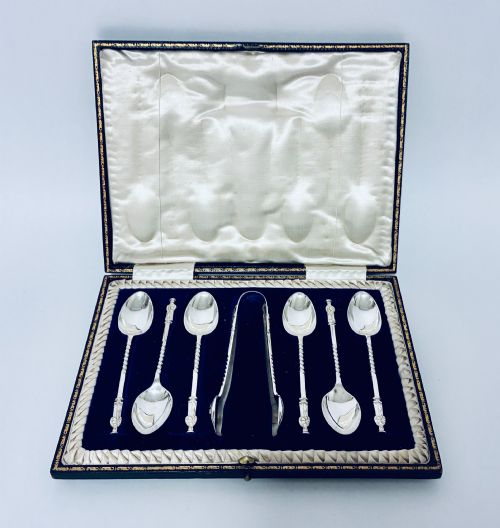
Many receptacles incorporate interior linings of plush velvet, satin, or leather, paired with tight hinges and snap closures to secure the contents.
Certain pieces combine metalwork with organic elements like tortoiseshell, mother-of-pearl, or glass inserts for specialised storage.
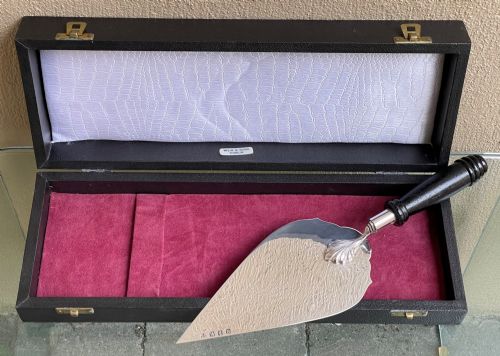
Listings feature sterling silver, leather, velvet, and glass configured into card cases, vesta matches, scent bottles, and sewing compendiums.
Standards of Craftsmanship
Superior examples display deep, sharp relief engraving where architectural details or floral motifs remain crisp without softening from over-buffing.
The precision of the hinge mechanism and the flush fit of the lid distinguish high-grade work from standard production items.
Maker marks from prominent workshops and clear, unrubbed assay office stamps elevate the standing of an individual item.
Henry Wilkinson·Horton & Allday·Sampson Mordan & Co·Nathaniel Mills·Hilliard & Thomason·Cornelius Saunders & Shepherd
The Victorian Silver Case Glossary
- Hallmark
- Official stamps struck into precious metals to indicate the assay office, standard of purity, and year of manufacture. These marks provide a secure method for dating nineteenth-century items.
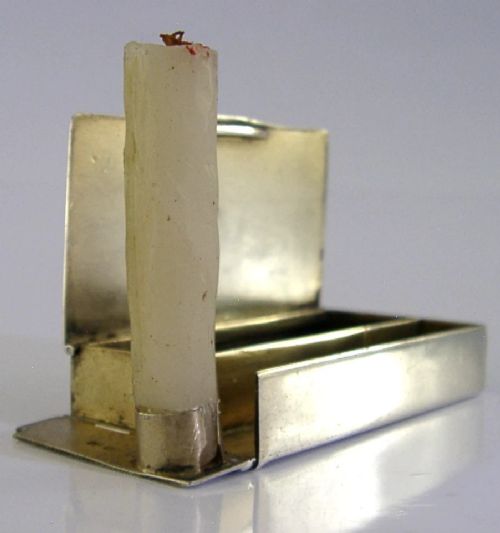
- Vesta case
- A small pocket container designed to hold matches alongside a striking surface on the base. Victorian examples often featured spring-loaded lids.
- Castle top
- A decorative style of card case featuring a high-relief engraving of a famous landmark or building on the front panel. Famous makers like Nathaniel Mills specialised in this technique.
- Aide memoire
- A small pocket notebook or memorandum tablet mounted in silver, often including silk leaves and a pencil. They served to record daily engagements.
- Repousse
- A metalworking technique where the silversmith hammers the design from the reverse side to form a raised pattern on the front. This creates strong textural depth.
Victorian Silver Case: Frequently Asked Questions
What fits inside a card case?
Victorian calling cards and visiting cards, which measured smaller than modern business cards, slip easily into the slim internal compartments.
Owners also utilise them today to carry credit cards, folded notes, or modern identification securely in a pocket.
How do I clean silver safely?
Warm water, mild soap, and a soft cloth remove surface dirt without harming delicate hand-engraved details or antique velvet interiors.
Harsh chemical dips strip the natural darkened patina that develops in the recessed grooves over generations.
Are vesta cases still functional?
Spring-loaded lids and striker panels on period match safes generally remain operational if the internal hinge and tension bar stay intact.
Collectors nevertheless treat them primarily as display pieces or pocket keepsakes rather than everyday utility items.
How do I identify the date?
Assay office marks combined with specific date letter punches stamped into the sterling silver confirm the exact year of manufacture.
London, Birmingham, and Chester marks appear frequently on these items alongside the lion passant sterling indicator.