


Victorian Pocket Accessories
These Victorian pocket accessories are pocket-sized silver and leather items carried daily in the nineteenth century, offering tactile history for modern use.
Victorian Pocket Accessories
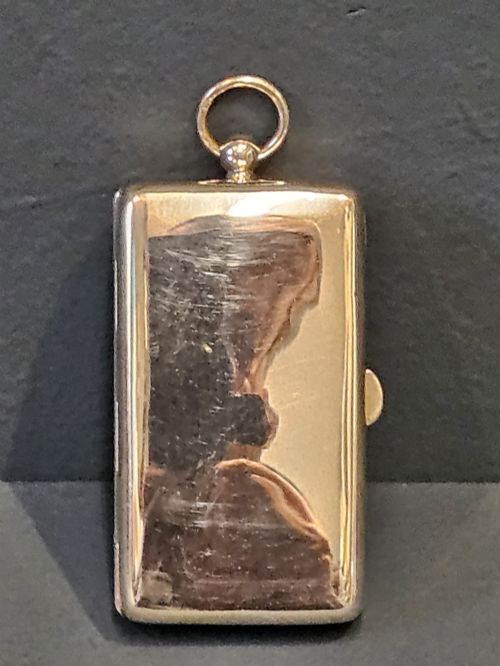
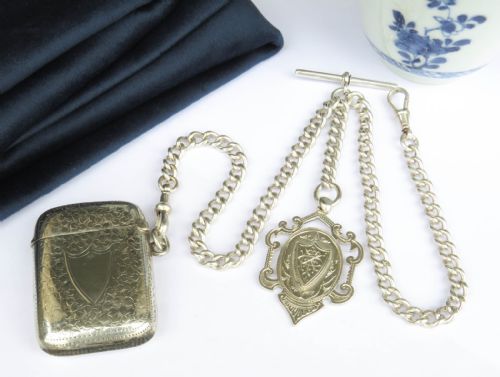
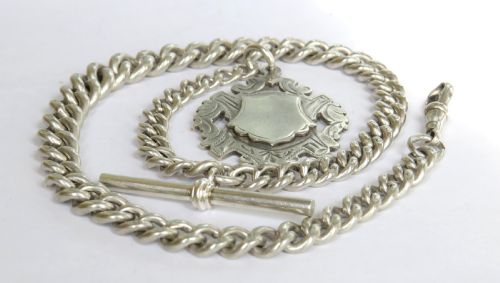
Victorian pocket accessories comprise small, functional items designed for personal carriage, ranging from silver vesta cases and card cases to pocket watch chains and cigar cases. The selection spans the nineteenth and early twentieth centuries, reflecting the personal habits and social rituals of the period.
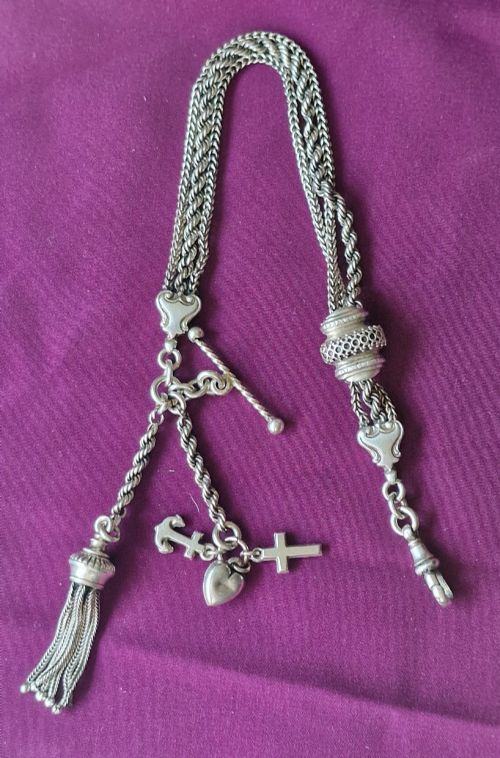
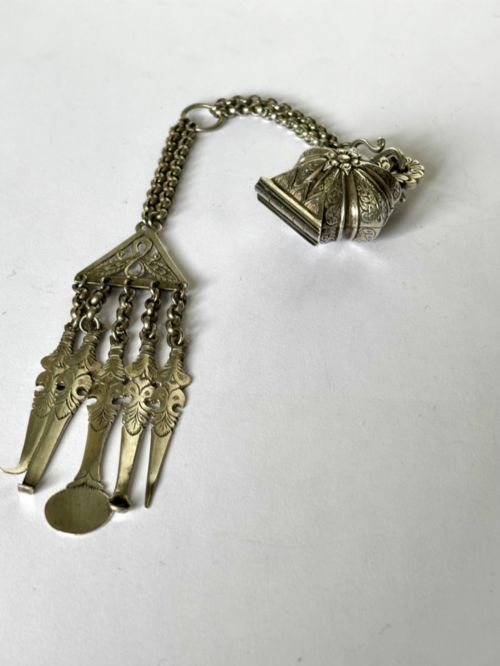
Vesta cases and card cases appear frequently among these listings, alongside chatelaines, snuff boxes, and pocket watch accessories. Many pieces originate from Birmingham and London, bearing hallmarks that connect them directly to British silversmiths of the Victorian and Edwardian eras.
Materials and Technique
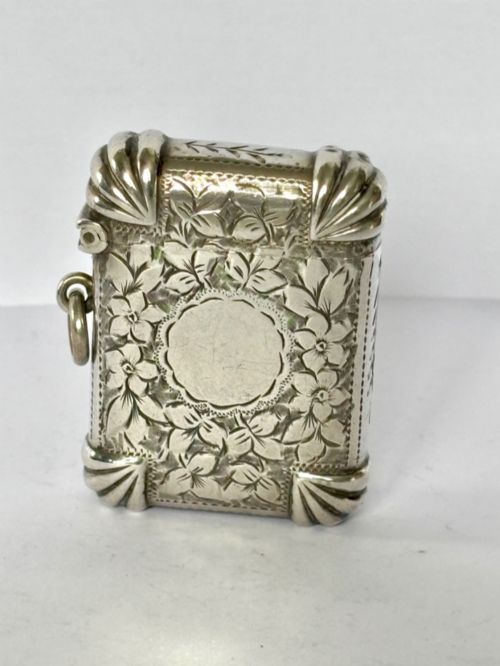
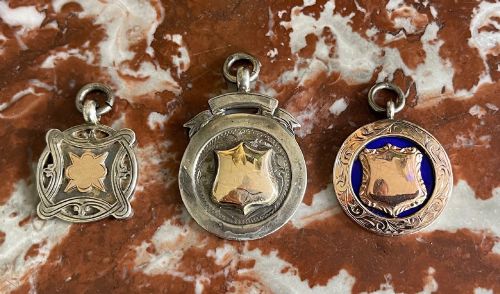
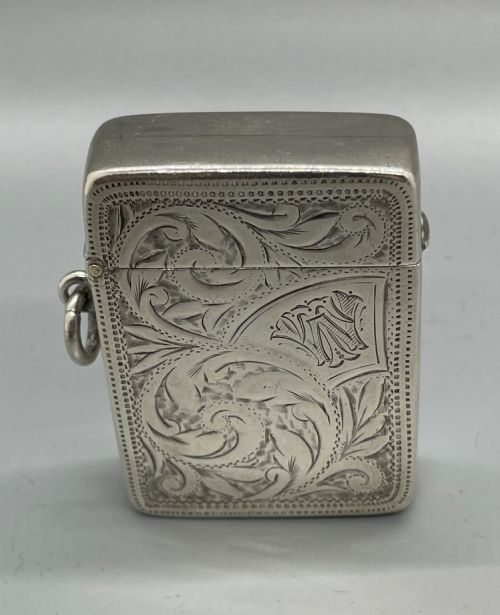
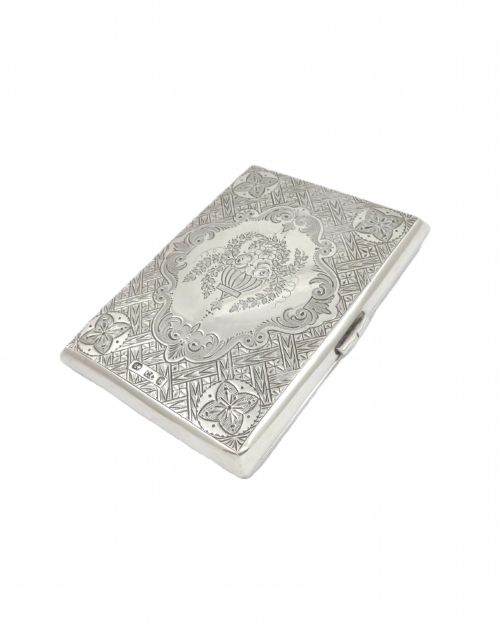
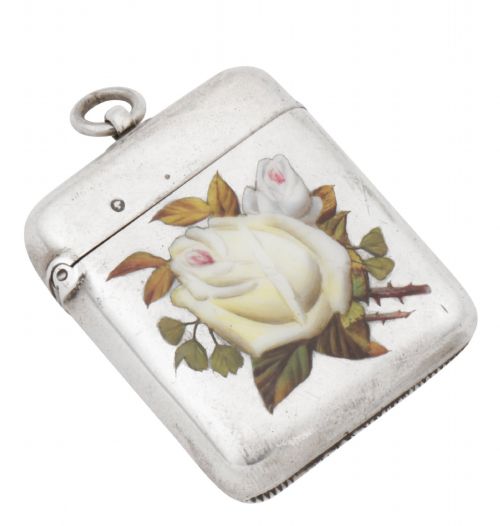
Makers utilised sterling silver, brass, gold, and rolled gold, frequently pairing metals with painted enamel, glass, crocodile leather, and tortoiseshell. Surface decoration relied on engine-turning, embossing, and castle top engraving to create intricate textures on small metal canvases.
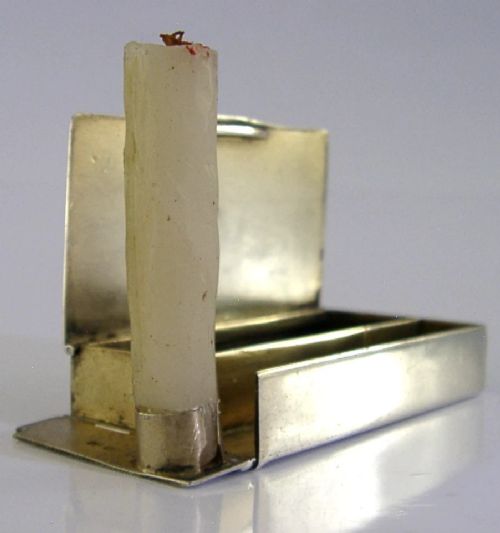
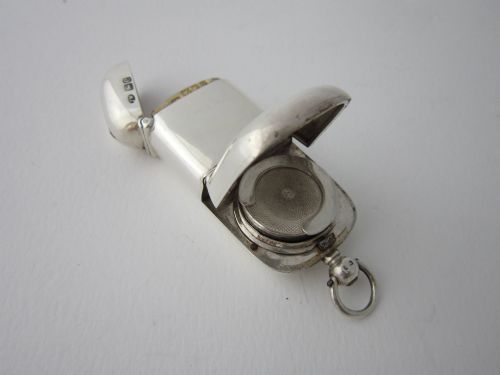
Hinges, springs, and catches were engineered with precision to secure contents like matches, cards, and sovereigns during daily movement. Specialised forms such as tinder tubes, combination vesta cases, and slide-opening stamp cases demonstrate mechanical ingenuity within compact dimensions.
Listings feature sterling silver, brass, gold, enamel, crocodile leather, and tortoiseshell across the Victorian, Edwardian, and Art Nouveau styles.
Distinctions in Standard
Quality rests in the crispness of the chasing and the integrity of moving parts, such as the snap of a vesta lid or the alignment of a sovereign case hinge. Pieces bearing detailed enamel work or uncommon novelty shapes demand higher levels of craftsmanship from the silversmith.
The weight of the silver and the clarity of the Birmingham or London hallmarks contribute significantly to a piece's standing. Supplementary materials like undamaged tortoiseshell, coloured enamel, or genuine crocodile leather elevate the execution above plain utility.
EV Pledge & Son·William Neale·Sampson Mordan·Ludwig Krumm·Foxall & Co
The Victorian Pocket Accessories Glossary
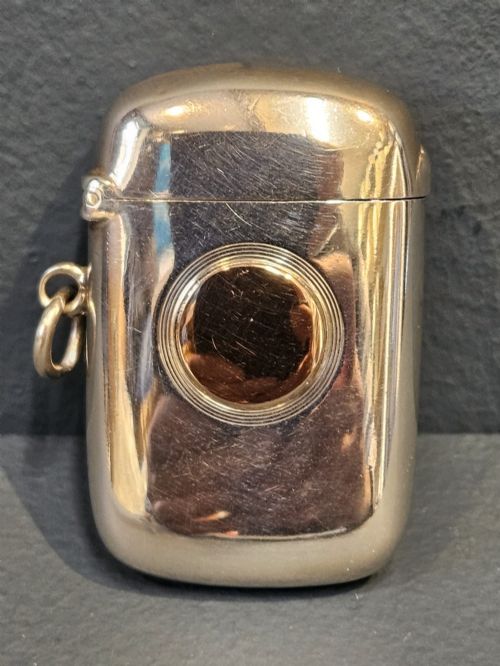
- Vesta case
- A small pocket container specifically made to hold safety matches and keep them dry. These often include a striking grooved base on the exterior.
- Chatelaine
- A decorative belt hook suspended with short chains that hold hanging tools like vinaigrettes, watches, or sewing implements.
- Sovereign case
- A circular metal container engineered to hold gold sovereign coins securely with an internal spring mechanism.
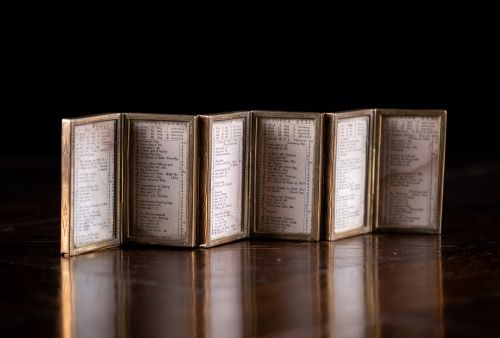
- Aide memoire
- A small pocket notebook or memorandum tablet, frequently bound in silver or leather with an attached pencil for recording notes.
- Castle top
- A style of decorative engraving on silver card cases and boxes depicting specific British buildings or pastoral scenes in high relief.
Victorian Pocket Accessories: Frequently Asked Questions
What are Victorian pocket accessories?
These are small, portable items fashioned from sterling silver, leather, and brass, designed for personal use during the nineteenth century.
They include everyday necessities like vesta cases for matches, card cases for social calls, and pocket watch chains to secure timepieces.
How were vesta cases used?
Vesta cases were carried in pockets or attached to chatelaines to hold matches safely away from friction and moisture.
Owners struck the matches against the corrugated bottom of the case to light cigars, pipes, or gas lamps while outdoors.
How do I care for silver pocket items?
Silver pocket pieces benefit from gentle cleaning with a soft cloth to maintain the metal without removing historical patina or hallmark details.
Store them away from damp environments, particularly items combining silver with crocodile leather, tortoiseshell, or delicate enamel.
How are different periods identified?
Periods are identified through hallmarks, assay office marks, and stylistic shifts spanning the Victorian, Edwardian, and early twentieth-century eras.
Design motifs such as Art Nouveau curves or specific mechanical opening patents help narrow down the exact decade of manufacture.