

Victorian Rosewood Box
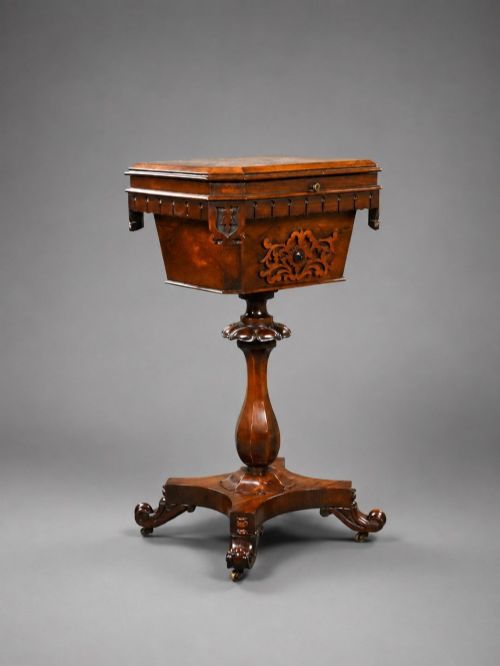
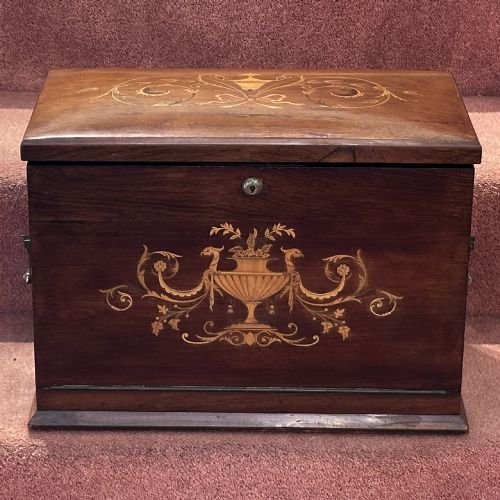
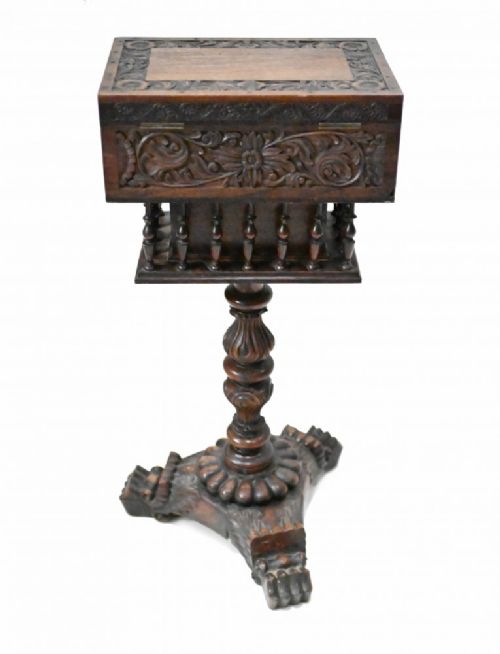
A victorian rosewood box brings deep purple-brown grain and meticulous brass or mother-of-pearl inlay into daily use as a writing slope, tea caddy, or jewellery chest.
Victorian Rosewood Box
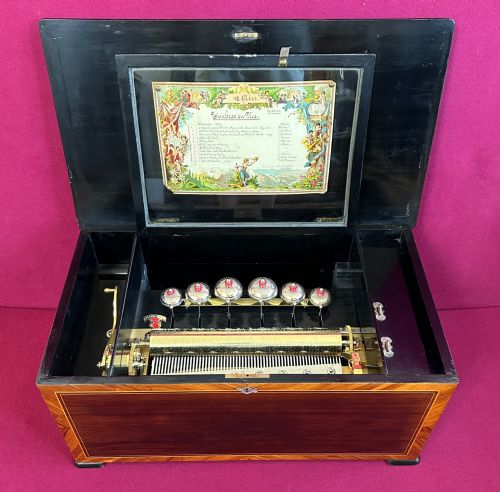
The selections available include simpler keepsakes alongside elaborate campaign correspondence boxes and music boxes. Many examples span the Regency to late Victorian periods, displaying the evolution from restrained classical lines to more ornate marquetry and Tunbridge Ware decoration.
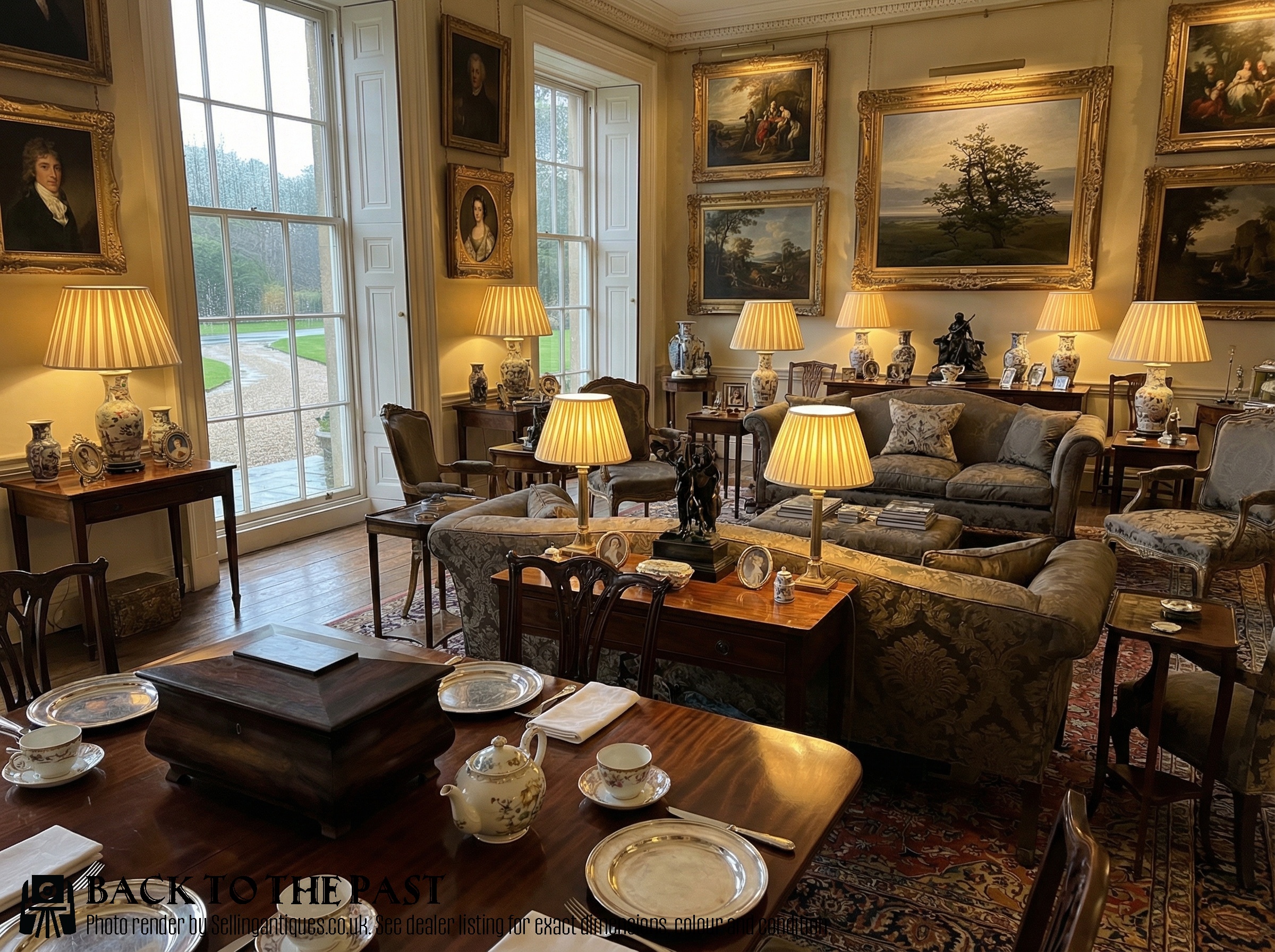
How they were made
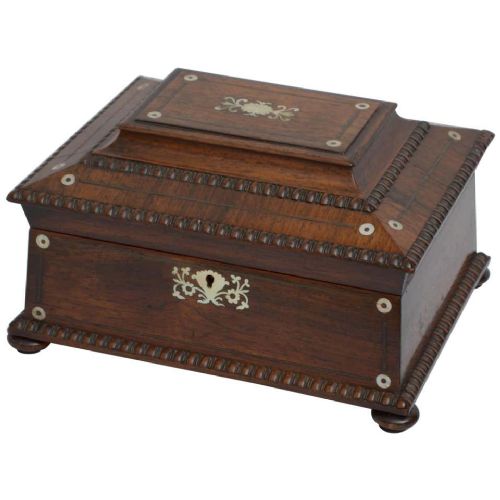
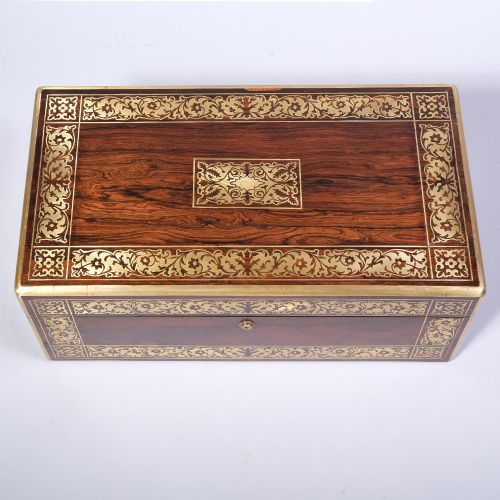
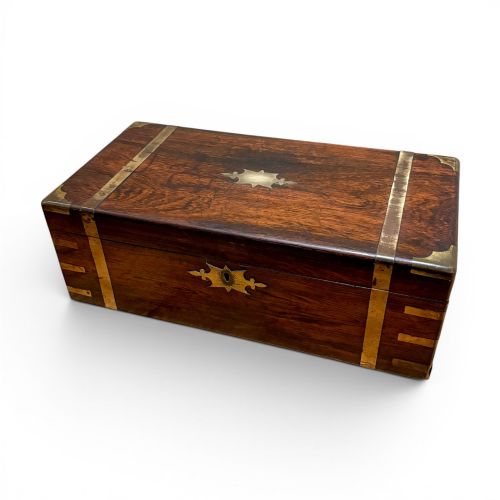
Cabinetmakers built these pieces using dense, richly grained rosewood timber over solid secondary woods, frequently enhanced by brass binding or intricate brass corner mounts for travel durability. Surfaces often received flush-fitted or raised inlays of mother-of-pearl, satinwood, and boxwood marquetry.
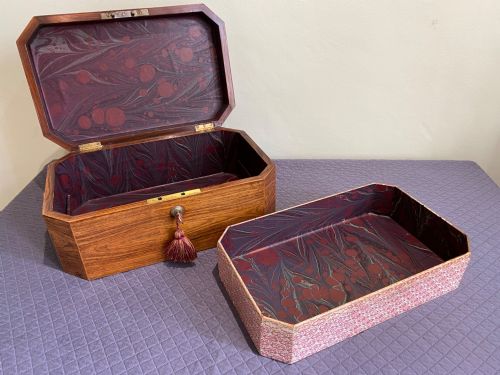
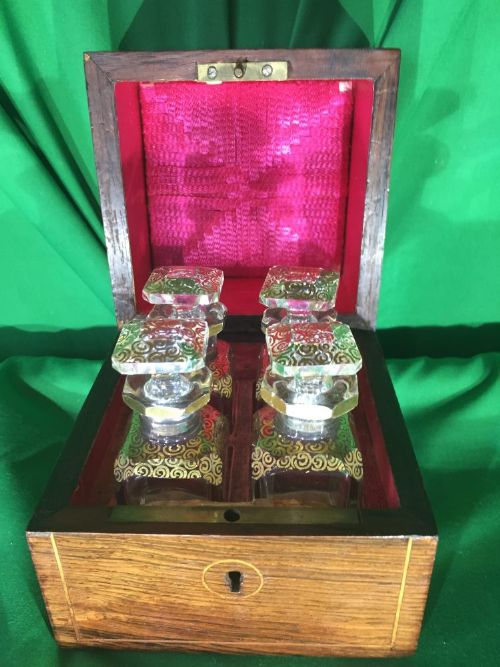
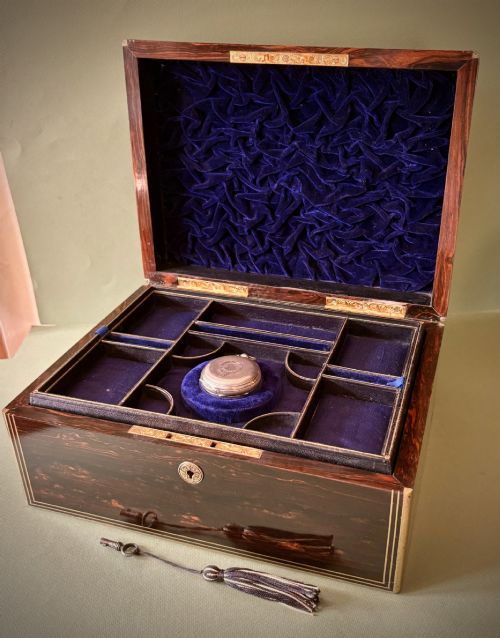
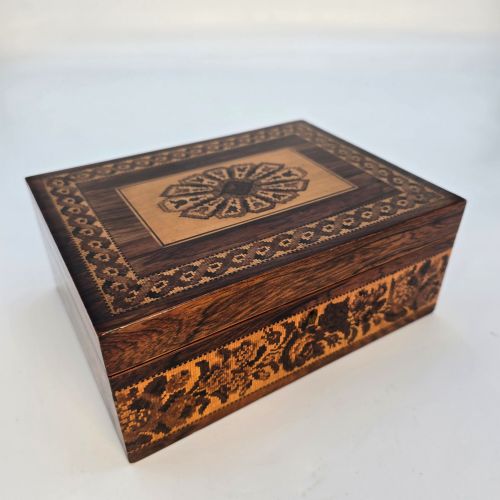
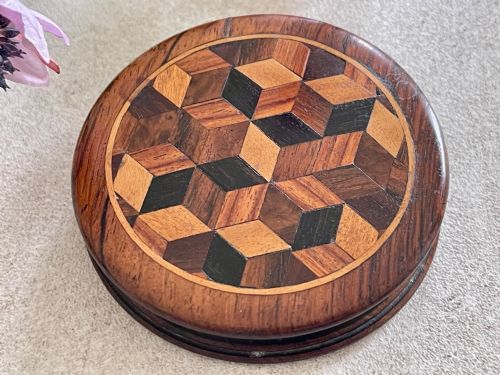
Interior compartments relied on silk, velvet, or fabric linings alongside fitted glass scent bottles and compartments for pen nibs and inkwells. Specialised decorative variants utilised Tunbridge Ware micro-mosaic techniques to construct detailed pictorial scenes from thousands of tiny dyed wood prisms.
Victorian Rosewood Box Retail Price Guide 2026
Typical asking prices for victorian rosewood box among the pieces listed under this phrase on Sellingantiques today, from the lower quarter to the upper quarter. They describe what is for sale here now, not the wider market.
Materials paired with rosewood across these pieces include brass, mother-of-pearl, satinwood, velvet, and glass.
What varies in quality
The standard of execution rests in the precision of the joinery and the complexity of the internal fittings. Superior examples maintain intact secret drawers, fully operational original locks with working keys, and complete, undamaged interior trays.
The finesse of the exterior decoration similarly divides the ordinary from the exceptional. Crisply executed Tunbridge Ware panels and sharply cut mother-of-pearl or brass inlay distinguish master workshops from utilitarian production.
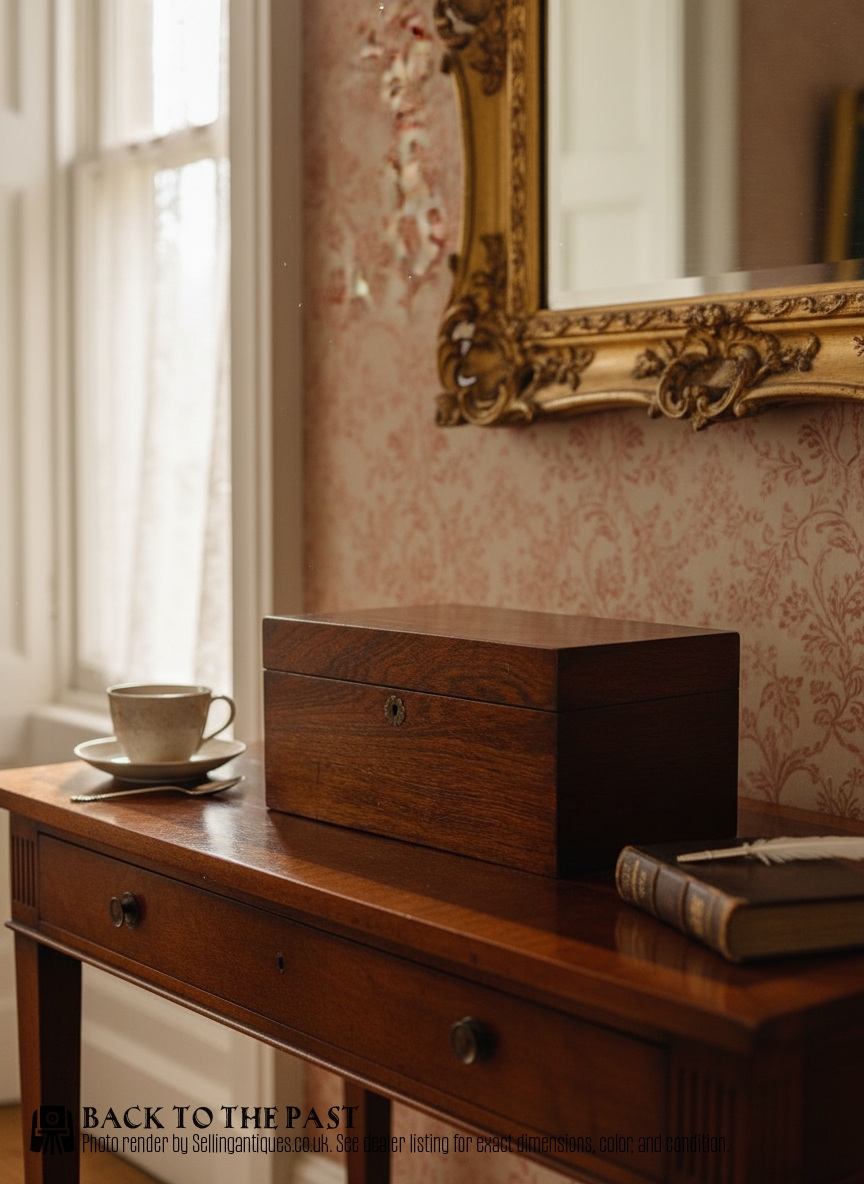
Edmund Nye·Henry Hollamby
The Victorian Rosewood Box Glossary
- Writing slope
- A portable slant-front desk that folds flat for travel and opens to reveal a leather-lined writing surface, inkwells, and storage for stationery. These boxes often concealed secret compartments beneath the stationery wells.
- Tunbridge Ware
- A form of British woodwork originating from Kent where small strips of different coloured woods were glued together and sliced to create detailed geometric or pictorial mosaic veneers. These mosaics frequently decorated small boxes, tea caddies, and stamp boxes.
- Tea caddy
- A lidded container designed to store dry tea leaves securely, often featuring internal compartments and a locking lid to protect an expensive household commodity. Rosewood examples frequently incorporated fitted glass mixing bowls or dual canisters.
- Marquetry
- The art of applying pieces of veneer to a structure to form decorative patterns, pictures, or designs. Makers utilised contrasting timbers like satinwood and boxwood within the rosewood ground.
- Campaign box
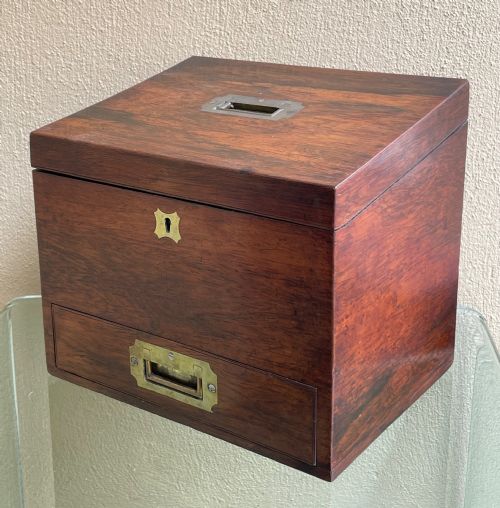
- A sturdy portable container constructed for military officers or travellers on the move, featuring recessed brass handles and reinforced corners. These pieces prioritized rugged durability alongside functional internal writing or storage layouts.
Victorian Rosewood Box: Frequently Asked Questions
How were writing slopes used?
Writing slopes provided a portable desk surface for correspondence before fitted home offices were common. Owners opened the hinged lid to rest paper on an inclined baize or leather panel while storing inkwells, nibs, and letters inside.
Secret compartments operated by hidden spring catches allowed users to secure private documents or cash during travel. These boxes moved easily between rooms or accompanied owners on long journeys.
What went inside a vanity box?
Vanity and dressing boxes held personal grooming items such as hairbrushes, silver-plated containers, and glass scent bottles. Jewellery trays lifted out to reveal deeper storage for trinkets and keepsakes.
Many of these interiors included built-in mirrors on the underside of the lid for daily grooming. They served as primary dressing table organizers for Victorian households.
Where should I place these boxes at home?
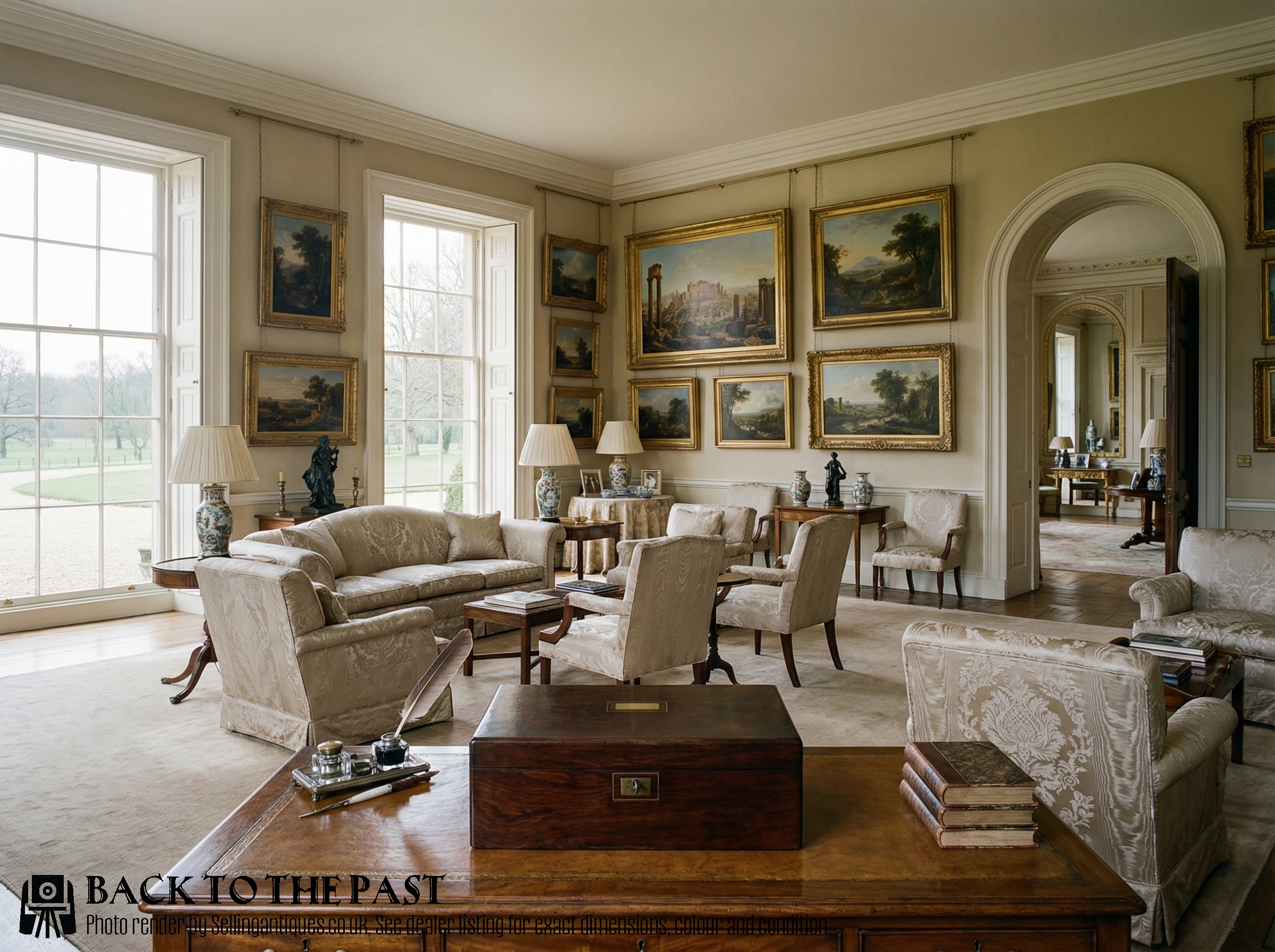
These boxes function well on side tables, dressing chests, or desks where their inlaid surfaces remain visible. Keeping them out of direct sunlight protects the rosewood grain and prevents the interior velvet or silk from fading.
Operating the original locks requires care to avoid straining vintage brass mechanisms. Regular dusting preserves the polished finish of the timber and metal mounts.