

Victorian Pottery Pitcher
These robust vessels are victorian pottery pitcher examples, offering practical service and bold decorative character for the home.

Victorian Pottery Pitcher
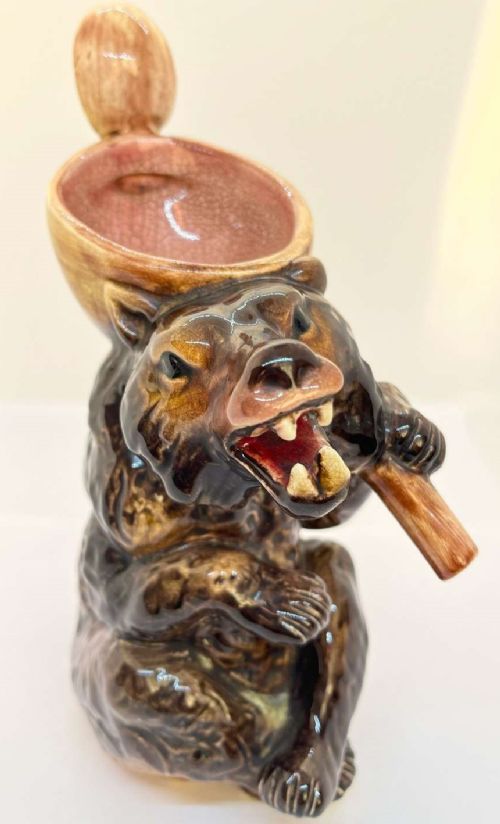
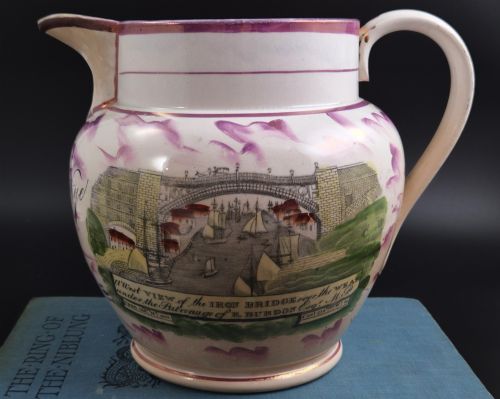
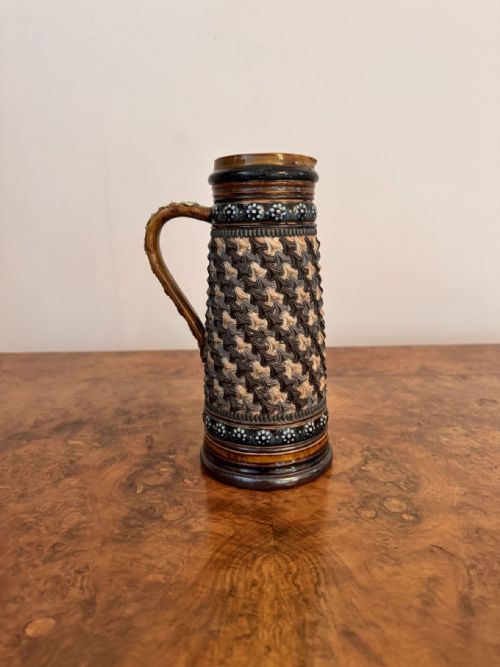
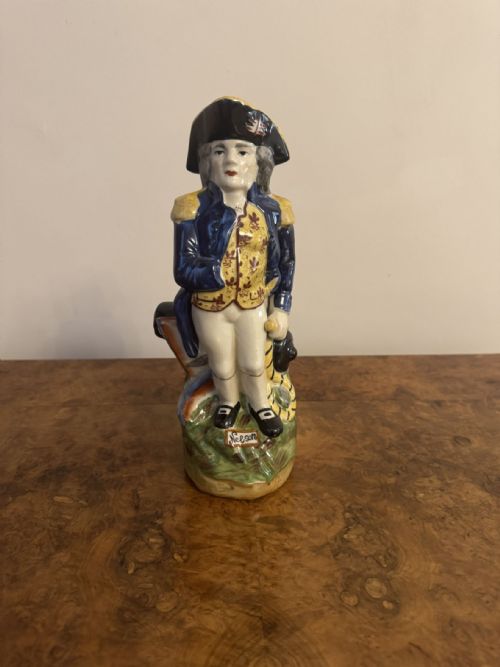
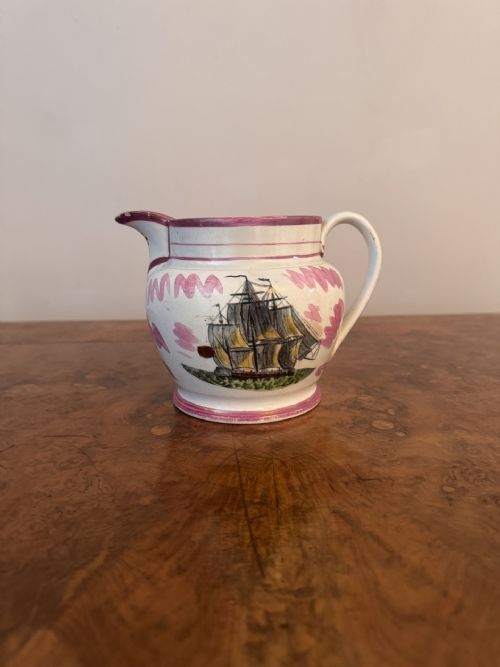
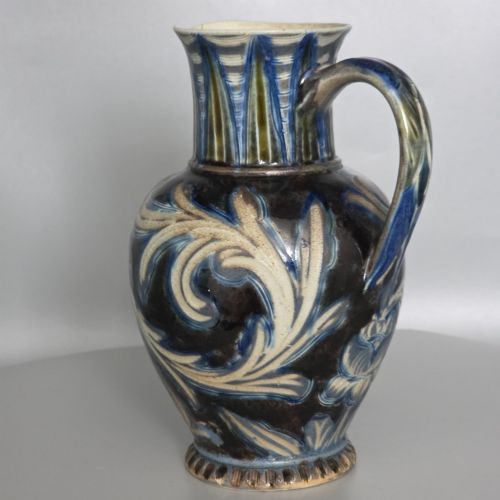
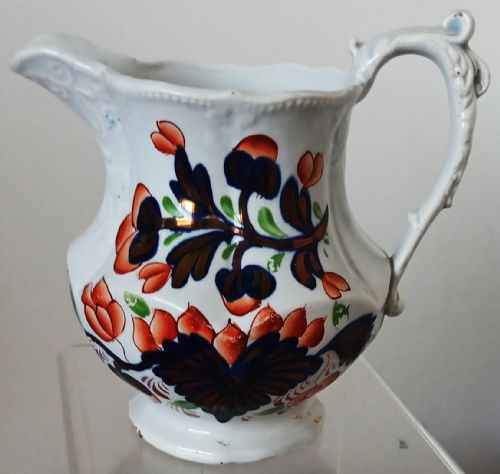
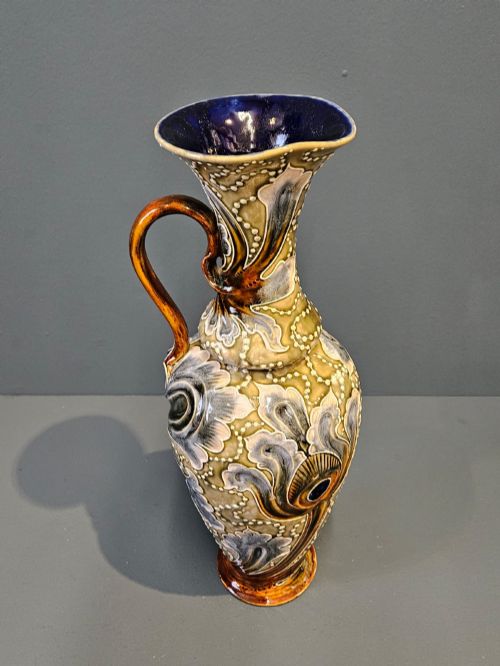
A victorian pottery pitcher is a functional or decorative vessel designed for liquids, most commonly found in earthenware or stoneware across this selection. Buyers frequently encounter moulded Staffordshire figures, lustre decorated wares from Sunderland, and salt-glazed pieces produced by Doulton Lambeth.
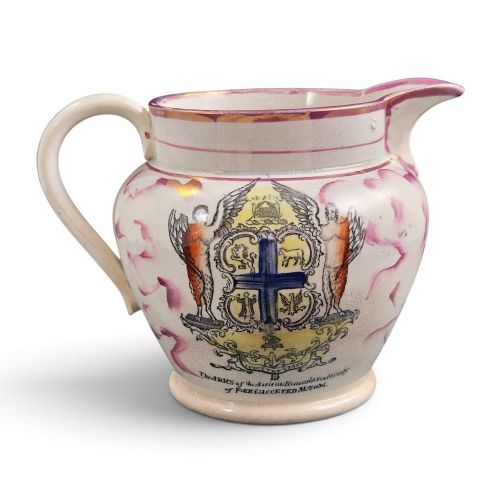
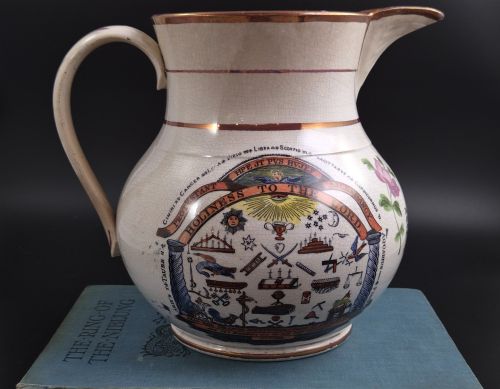
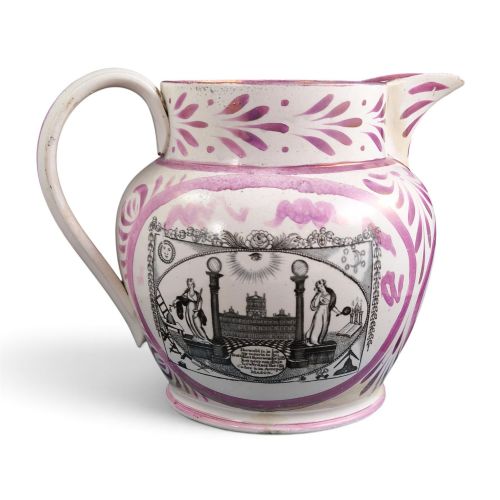
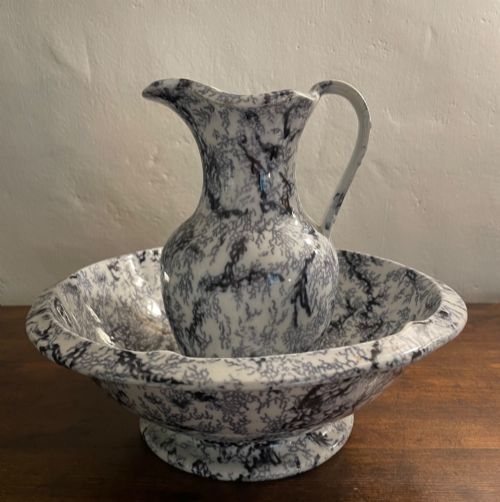
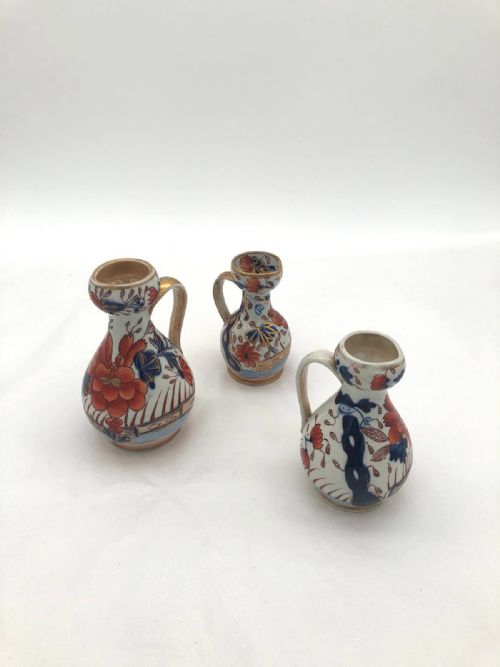
The objects span domestic milk and water jugs, commemorative pieces featuring political or masonic motifs, and larger ewers intended for wash sets. Regional potteries across England supplied diverse patterns such as Gaudy Welsh geometric prints and flow blue transfers.
Design and Execution
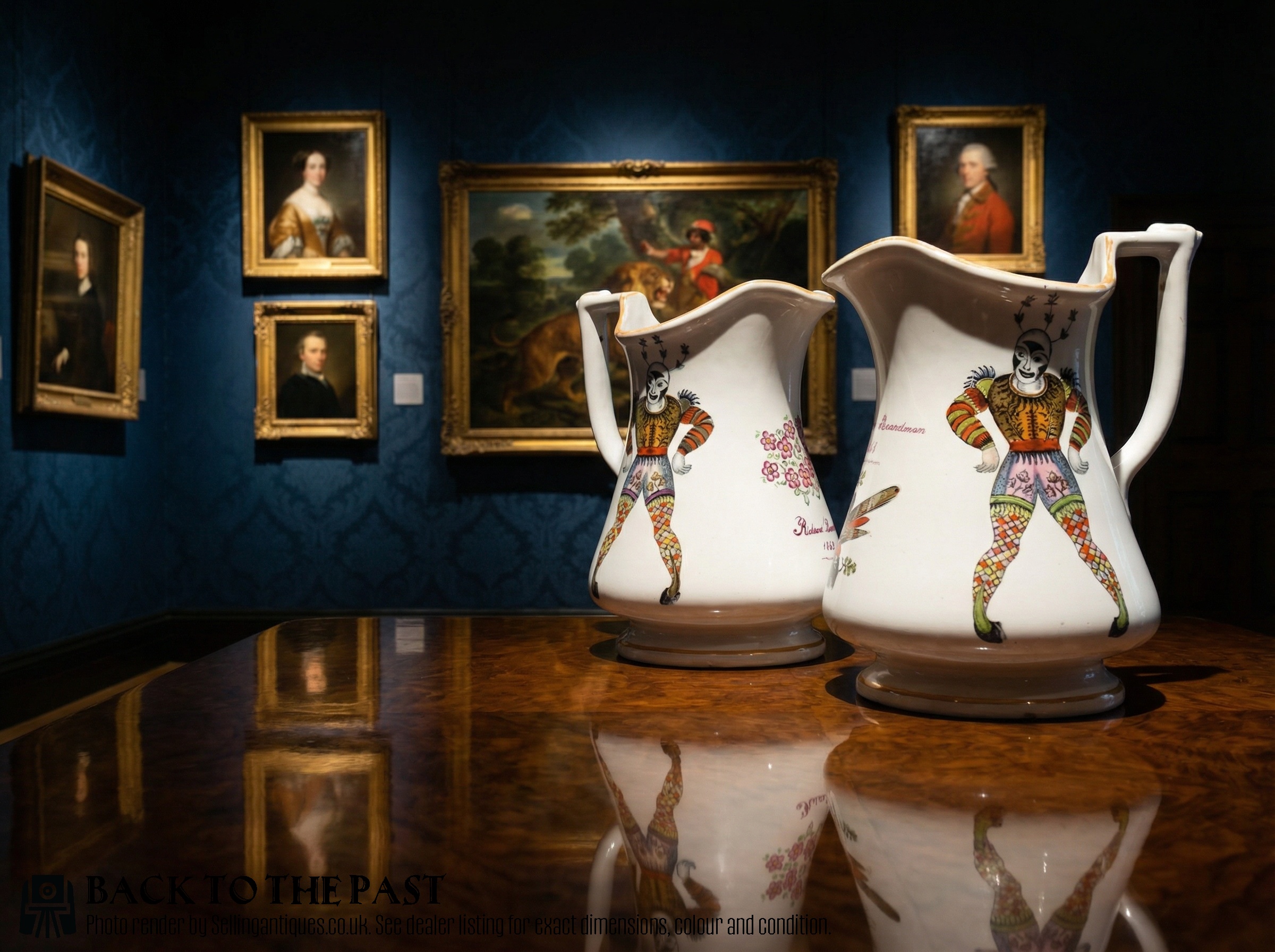
Quality separates simple utilitarian vessels from highly finished exhibition pieces through the crispness of relief moulding and the precision of hand-painted enamels. Finer examples display deliberate artistic intent in incised Art Nouveau motifs or carefully rendered portraiture on toby jugs.
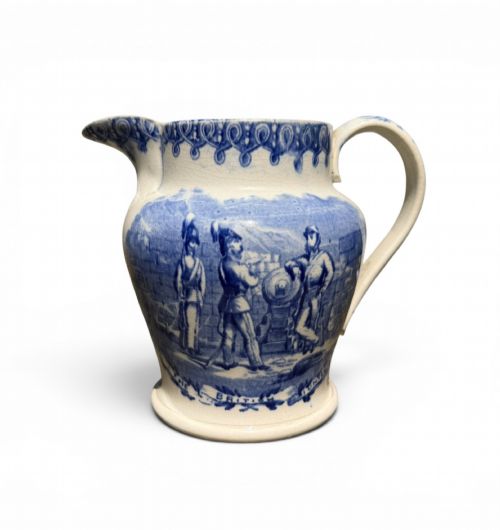
The depth and consistency of metallic lustre glazes, alongside the clarity of transfer-printed topographical and historical scenes, distinguish superior workshops from mass production. Well-preserved painted details and undamaged glazes indicate careful historical handling.
Victorian Pottery Pitcher Retail Price Guide 2026
Typical asking prices for victorian pottery pitcher among the pieces listed under this phrase on Sellingantiques today, from the lower quarter to the upper quarter. They describe what is for sale here now, not the wider market.
Listings feature 19th-century earthenware and stoneware, encompassing salt-glazed Doulton pieces, Sunderland lustre jugs, and moulded Gaudy Welsh pottery.
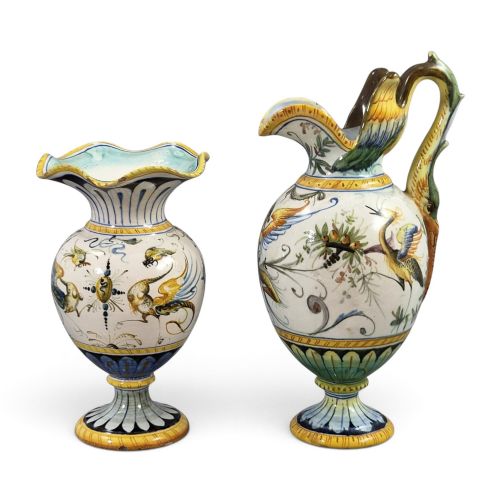
Doulton Lambeth·Mason's Ironstone·Holdcroft Majolica·Cantagalli Florence·Sunflower Pottery
The Victorian Pottery Pitcher Glossary
- Lustreware
- Earthenware or stoneware decorated with a metallic glaze that produces an iridescent or shiny copper, pink, or silver sheen. This finish reflects light and requires specialised firing techniques.
- Toby Jug
- A pottery jug modelled as a seated figure, typically a stout, cheerful man holding a mug of beer and a pipe. These character jugs frequently depict historical figures or archetypal personalities.
- Majolica
- A heavy earthenware type covered in an opaque tin glaze and painted with brightly coloured metal oxide enamels. Victorian versions often incorporate naturalistic plant and animal forms.
- Flow Blue
- A style of transfer-printed earthenware where cobalt blue ink deliberately bleeds into the surrounding white glaze during firing. This chemical reaction creates a misty, soft-edged pattern.
- Stoneware
- A dense, vitrified ceramic fired at high temperatures until non-porous. It resists liquids naturally without requiring an interior glaze and accepts salt-glaze finishes.
Victorian Pottery Pitcher: Frequently Asked Questions
What is a victorian pottery pitcher used for?
These vessels served practical domestic roles such as holding milk, water, or beer for the table and washstand. Many were also produced specifically to commemorate events, political movements, or fraternal orders.
Over time, their decorative qualities became as important as their utility, leading to intricate display pieces that sat on mantelpieces or within cabinet collections.
How do I identify a Sunderland lustre jug?
Sunderland pieces typically feature a characteristic pink splash or mottled lustre finish created through metallic salt applications during the kiln firing. They frequently incorporate transfer-printed imagery of local landmarks like the Iron Bridge over the Wear, alongside masonic symbols or clipper ships.
Many examples include verse or commemorative inscriptions dedicated to sailors, soldiers, or specific historical figures.
What makes a toby jug distinct?
A toby jug is modelled directly in the round as a full-bodied human figure, usually an eighteenth or nineteenth-century character holding a mug of ale. They differ from standard pitchers by utilising sculptural human anatomy as the primary form of the vessel.
Makers hand-decorated these figures in polychrome enamels to highlight coats, tricorn hats, and facial expressions.
How should I care for antique ceramic pitchers?
Keep these items out of direct sunlight to prevent the gradual fading of polychrome enamel paints and transfer-printed details. Dust them gently with a dry, soft cloth and avoid immersion in water if the glaze shows hairline cracks.
Display them on stable, flat surfaces away from heavy foot traffic to protect fragile handles and spout rims from accidental knocks.