



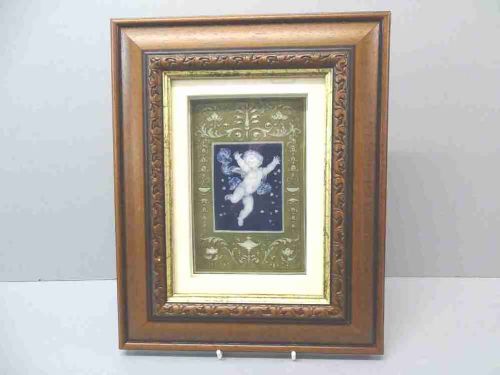


Victorian Porcelain Wall Plaque
These Victorian porcelain wall plaque examples bring hand-painted artistry and fine ceramic craftsmanship straight from nineteenth-century interiors to your walls.
Victorian Porcelain Wall Plaque
A victorian porcelain wall plaque brings nineteenth-century decorative painting and cabinet ceramic traditions into a domestic wall display. Buyers searching for a victorian porcelain wall plaque encounter various formats including framed portrait pieces, hand-painted chargers, and specialised pottery plaques.
The objects span from the 1880s through 1910, reflecting European continental and English production methods. Many pieces take the form of circular tondos, oval formats set in ormolu frames, or rectangular plaques housed in carved wood surrounds.
Makers and factories represented in the evidence include KPM, Mintons, Royal Worcester, Copeland, and Limoges. These works frequently depict portraits of young women, classical subjects after masters, or botanical and avian studies.
How they were made
Production centres on fine porcelain and earthenware bodies shaped into plates, chargers, and flat panels. Artisans applied polychrome enamels and metallic gilding by hand, often firing the pieces multiple times to fix the detailed pigments.
Advanced chemical glazes protect the delicate painted surfaces, while specialist techniques such as pâte-sur-pâte build up white slip relief designs against contrasting coloured ceramic grounds. Many plaques were subsequently fitted into custom frames of giltwood, carved wood, or cast ormolu.
Young boys eating fruit and fairies in Welsh glens rub shoulders with Renaissance masters on these nineteenth-century walls.
What varies in quality
Quality rests primarily on the skill of the hand-painted brushwork, distinguishing standard transfer-printed or generic factory output from masterful artisan portraiture and landscape execution. Pieces bearing signatures of notable painters or prestigious factory marks demonstrate superior artistic execution.
The refinement of the ceramic body and the preservation of the original glaze and gilding dictate the overall condition and visual impact. Original mounting elements, such as period carved wood frames or cast ormolu surrounds, add considerable depth to the finished object.
Royal Bonn·KPM·Royal Worcester·Mintons·Limoges·Berlin·Copeland
The Victorian Porcelain Wall Plaque Glossary
- Pâte-sur-pâte
- A ceramic decoration technique where successive layers of liquid white porcelain slip are built up on a coloured clay body to create a low relief cameo effect. This demanding method requires exceptional skill from the ceramic artist.
- Charger
- A large decorative plate intended for display on a wall or sideboard rather than for practical dining use. These pieces often feature elaborate painted scenes across a broad surface.
- Ormolu
- Gilded bronze mounts and frames cast in ornate decorative patterns, frequently used to house nineteenth-century porcelain plaques. The material provides a rich metallic contrast to the smooth ceramic surface.
- Tondo
- A circular work of art, whether a painting or a ceramic plaque. The format draws the eye towards the central subject.
- Cabinet plate
- A high-quality ceramic plate produced specifically for display in a cabinet or on a wall rather than everyday service. They showcase the finest decorative skills of the factory.
Victorian Porcelain Wall Plaque: Frequently Asked Questions
How do I hang a porcelain plaque safely?
Most wall plaques arrive with secure backing fixtures or fitted frames designed to support their weight safely. Ensure you use appropriate wall fixings matched to the weight of the ceramic and its surrounding frame.
Position the piece away from direct sunlight and areas of high moisture to protect the delicate hand-painted enamels and any gilded wood elements over time.
Are these plaques signed by artists?
Several nineteenth-century pieces bear artist signatures, factory cyphers, or impressed registry marks on the reverse or along the painted border. These inscriptions help identify the studio or individual painter responsible for the work.
Unsigned pieces remain common, often identified instead by distinct factory styles, body composition, and decorative techniques characteristic of periods like the 1880s and 1890s.
What subjects do these plaques show?
Common subjects include hand-painted portraits of young women, classical figures after Renaissance masters, and detailed studies of birds and flowers. Narrative scenes and figurative compositions also appear frequently across European continental and English works.
Landscape views and topographical studies recorded by factory artists provide a window into nineteenth-century artistic interests and decorative preferences.
How should I clean my plaque?
Dust the surface gently with a soft, dry brush or a clean microfiber cloth to remove everyday particles. Avoid using liquid cleaners, abrasive pads, or chemical solvents on the painted porcelain or gilded frames.
Regular gentle maintenance preserves the integrity of the glaze and prevents any accumulation that might harm the delicate enamel pigments.