
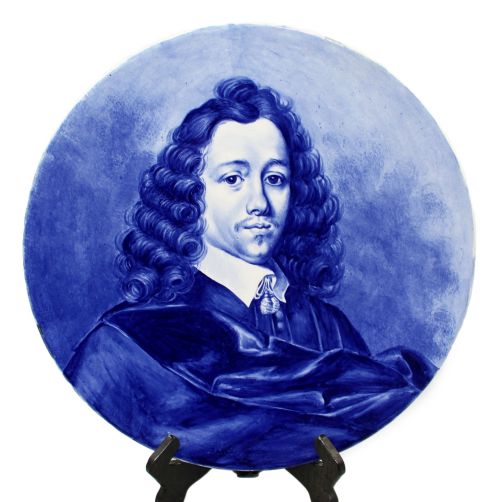


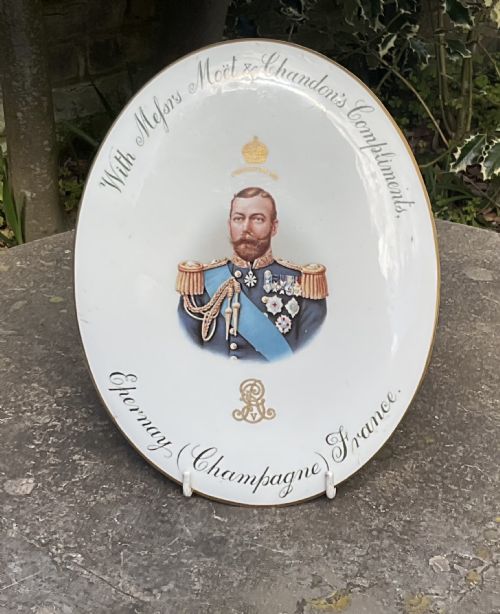


Antique Ceramic Portrait Plaque
An antique ceramic portrait plaque brings history to life on your wall, offering a tangible glimpse of past faces.
Antique Ceramic Portrait Plaque
An antique ceramic portrait plaque captures the likeness of historical figures, nobility and imagined beauties upon a rigid backing. When you search for an antique ceramic portrait plaque, you encounter works rendered on porcelain, earthenware and enamel.
The selections span centuries, reaching from early 18th century Limoges enamel to 19th century porcelain and later Victorian iterations. Wall plaques, decorative chargers, cabinet plates and framed cameos dominate the forms available here.
Makers such as KPM, Royal Vienna and Sherwin and Cotton emerge frequently across these categories. Portrait subjects range from literary icons like Charles Dickens to royalty such as Queen Louise of Mecklenburg-Strelitz.
How they were made
Craftsmen utilised fine porcelain, glazed earthenware and enamel surfaces to receive detailed hand-painted portraits. Many pieces incorporate delicate gold leaf highlights or sit within ornate giltwood, wood and ormolu frames.
Moulding and kiln firing formed the base ceramic plates and tiles before skilled painters applied mineral pigments. Subsequent firings bonded the painted imagery permanently to the glazed or enamelled ground.
Listings feature porcelain, glazed earthenware, enamel and textile materials spanning the 18th, 19th and 20th centuries.
What varies in quality
The skill of the brushwork dictates the distinction between ordinary and exceptional portrait plaques. Master painters working for established factories achieved remarkable subtlety in skin tones, drapery and facial expression.
The mounting and housing contribute substantially to the overall character of the piece. Elaborate ormolu frames, carved wooden surrounds and original fitted mountings elevate the presentation of porcelain and enamel plaques alike.
Royal Bonn·Sherwin and Cotton·Wedgwood·Royal Vienna·KPM Berlin·Sevres
The Antique Ceramic Portrait Plaque Glossary
- Enamel
- A glassy substance fused to a metal or ceramic base through firing. This technique creates a smooth, luminous surface often seen in early Limoges pieces.
- Jasperware
- A type of fine stoneware developed by Wedgwood, typically featuring white neoclassical reliefs applied against a contrasting coloured background.
- Ormolu
- Gilded bronze used for decorative mounts and frames. It provides a rich metallic border for porcelain plaques.
- Cabinet plate
- A ceramic plate intended for display rather than dining. These often feature detailed painted portraits.
- Earthenware
- Porous pottery fired at lower temperatures than porcelain. It forms the sturdy base for glazed decorative tiles.
Antique Ceramic Portrait Plaque: Frequently Asked Questions
How do I hang a heavy plaque?
Most antique plaques feature integrated hanging loops or heavy wooden ormolu frames suited for secure wall fixings. Ensure your wall fixings match the weight of the ceramic and frame combination.
For charger plates and unmounted pieces, specialised wall display hangers with rubber-coated prongs distribute the pressure evenly across the rim.
Were these made for display?
Most portrait plaques, cabinet plates and framed cameos were created specifically for interior display in formal rooms. Their detailed painted surfaces and decorative frames indicate an ornamental rather than a utilitarian purpose.
Even items like ceramic tiles and chargers often served decorative wall functions rather than serving food or lining walls.
How do I clean painted porcelain?
Dust porcelain surfaces gently with a soft, dry brush or a clean microfiber cloth. Avoid using water, liquid cleaners or chemical agents on hand-painted or gilt areas.
If the piece is set within a carved wood or ormolu frame, keep moisture entirely away from the ceramic junction to prevent damage to the backing and adhesives.
How can I date a plaque?
Factory marks, backstamps and signatures scratched or painted onto the reverse offer the most reliable dating evidence. Stylistic cues such as Victorian neoclassical motifs or Edwardian aesthetics also help narrow down the period.
Examining the framing materials, backing boards and mounting techniques provides additional context regarding the manufacturing era.