
Victorian Porcelain Vases
Victorian porcelain vases bring rich nineteenth-century colour and classic form to a room, offering both bold decorative impact and fine ceramic craftsmanship.

What Victorian porcelain vases are
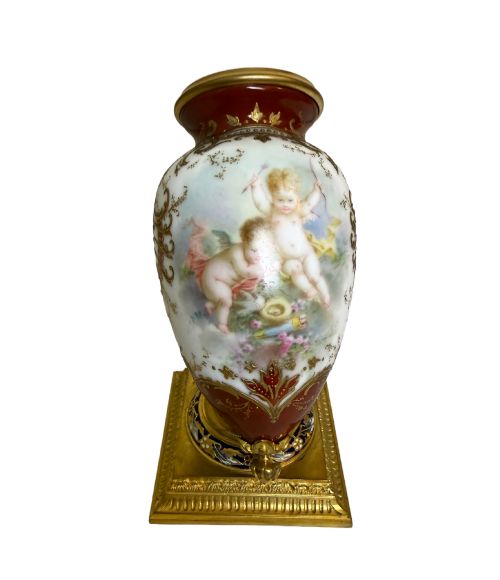
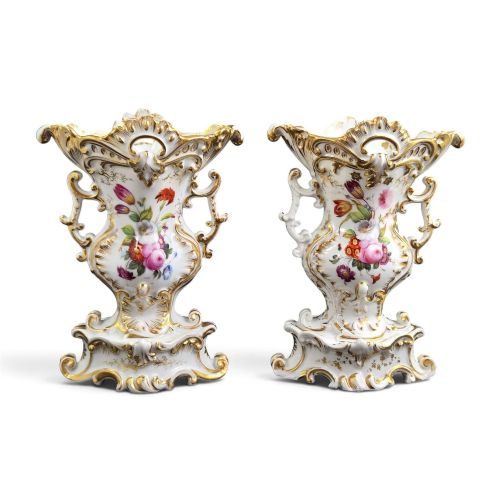
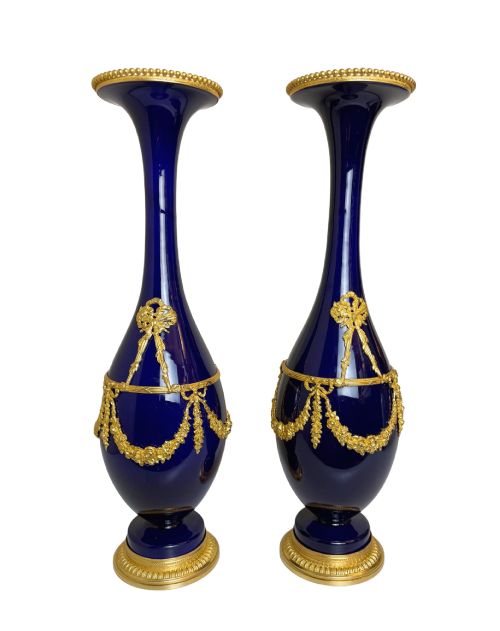
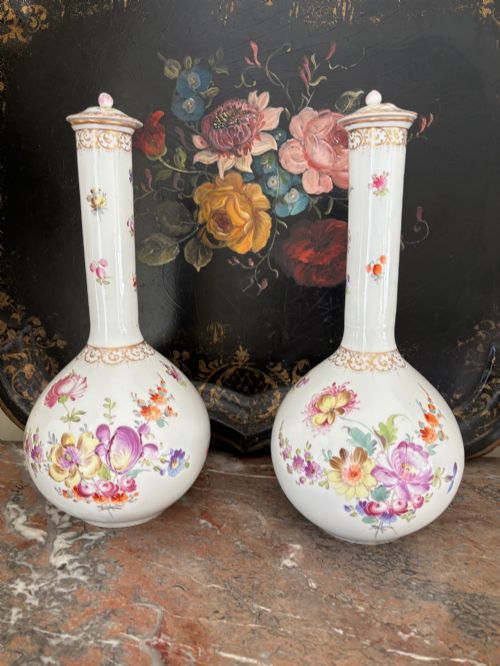
Victorian porcelain vases encompass a range of nineteenth-century decorative vessels, featuring both British bone china and continental or Japanese exports. Buyers encountering these pieces will frequently find them offered in matching pairs or garnitures designed for symmetrical mantelpiece display.
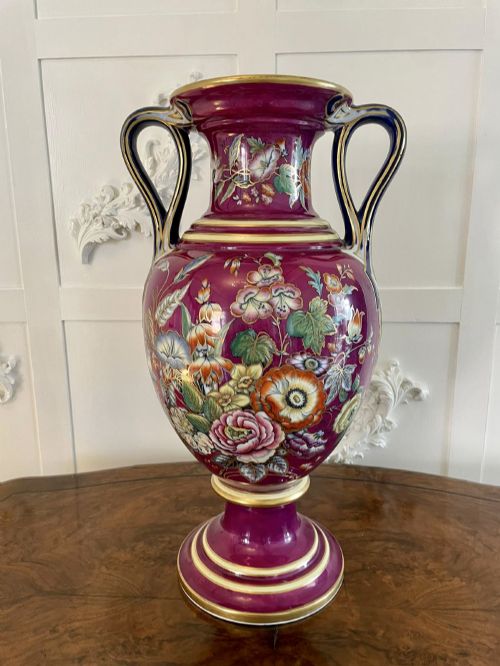
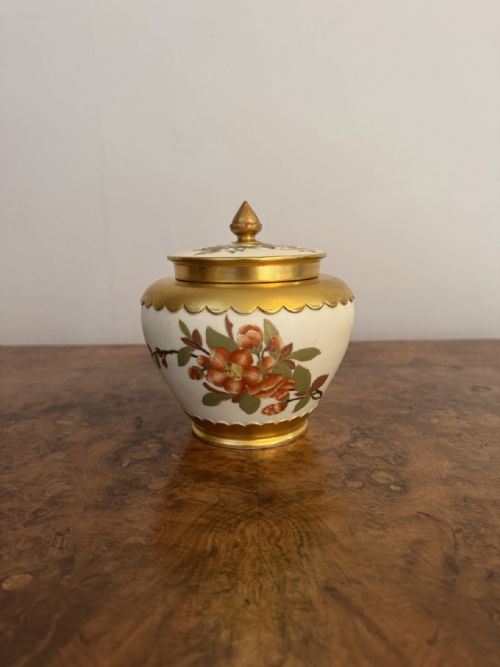
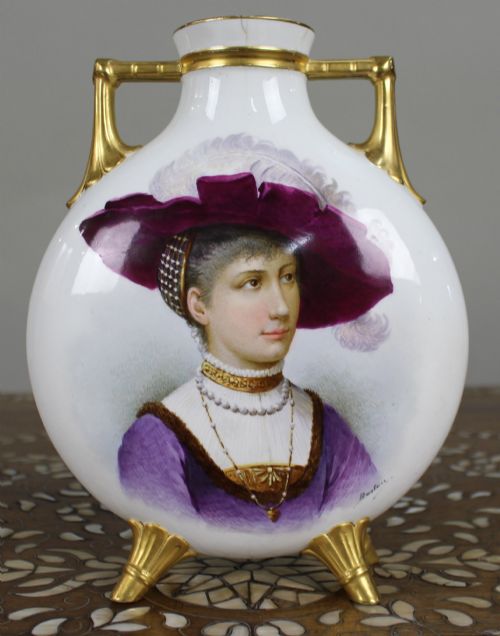
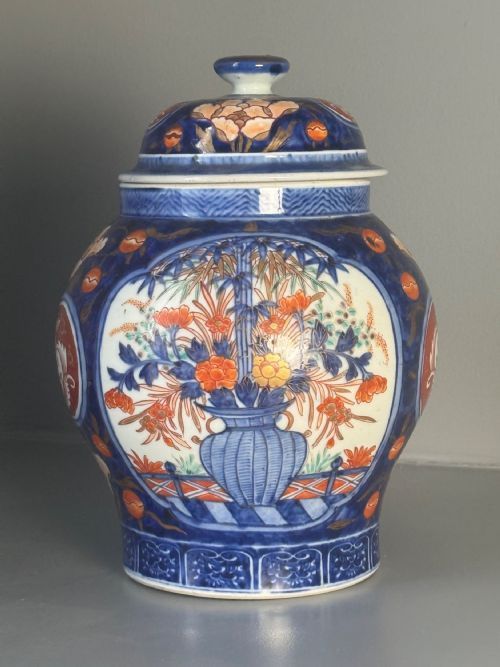
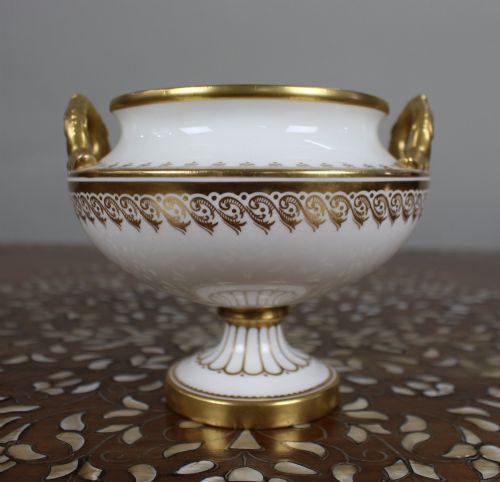
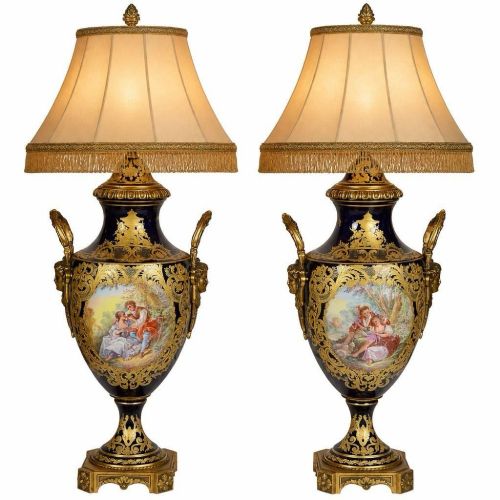
The styles span traditional revival forms alongside aesthetic movement designs, reflecting the varied tastes of the nineteenth century. Makers applied distinct shapes such as beaker forms, gourd vases, two-handled urns, and lidded vessels.
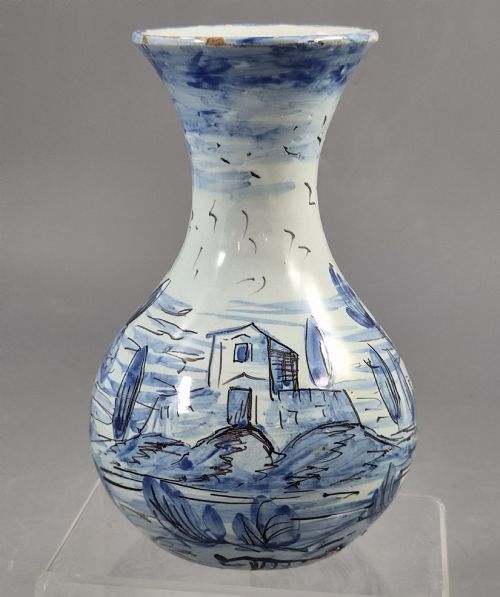
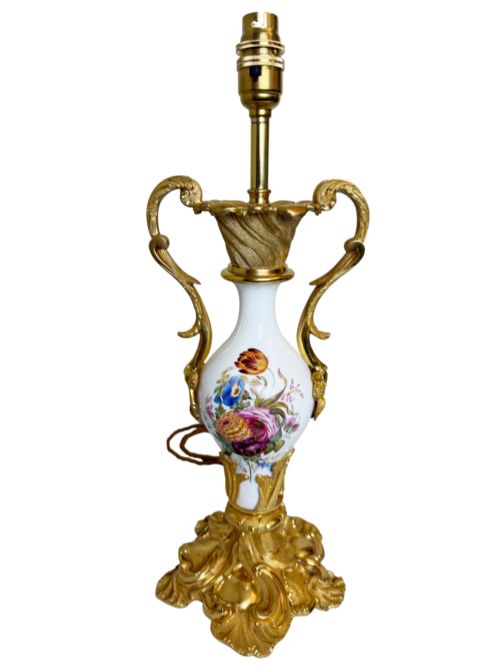
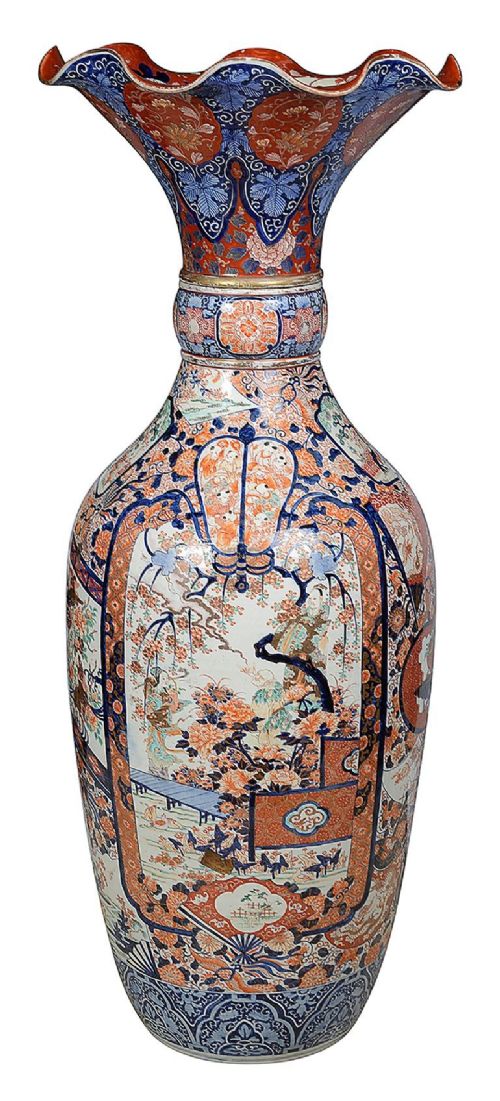
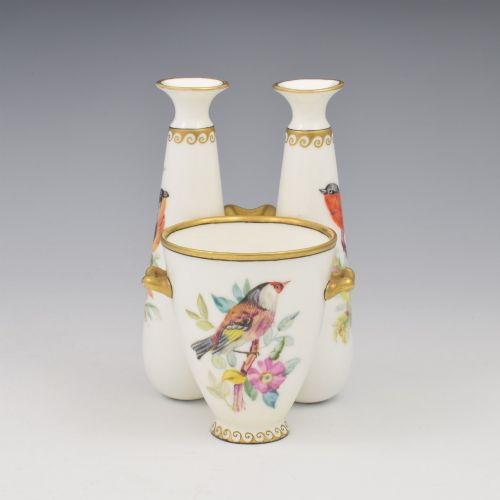
The selection includes works from established European manufactories as well as porcelain painted with floral, dragon, or scenic motifs. These objects serve both as functional flower holders and as standalone interior ornaments.
How they were made
Makers utilised fine porcelain and bone china bodies, shaped by hand or moulded into specific forms before firing. Glazes provided a smooth base surface for subsequent hand-painting and transfer-printed decoration.
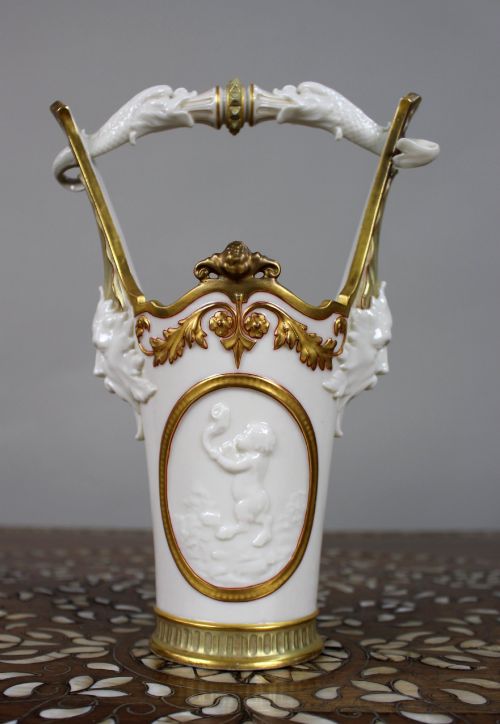
Gilding, gold leaf, and enamel work were applied over the glaze to highlight rims, handles, and intricate surface patterns. Kiln firings set these colours permanently into the ceramic body, ensuring lasting vibrancy.
Retail Price Guide 2026
Typical UK retail prices for victorian porcelain vases, calculated from the Sellingantiques database of over a million retail prices indexed since 2003. This retail price guide relies exclusively on Sellingantiques data; no external sources or auction records are used, so the figures do not describe the wider market.
Stylistic influences range from Rococo and Neoclassical revivals to Victorian Aesthetic movement designs.
What varies in quality
Quality rests in the precision of the hand-painted details and the crispness of the porcelain moulding. Superior pieces display refined brushwork on floral or figural motifs rather than simple mechanical transfers.
The application of gold leaf and enamel embellishments separates standard production from finer work. Heavier, more elaborate gilding and well-balanced forms indicate higher manufacturing standards.
Crown Derby·Doulton Burslem·Royal Worcester·Meissen·KPM·Coalport
The Victorian Porcelain Vases Glossary
- Bone china
- A type of soft-paste porcelain containing bone ash, developed to increase strength and translucency. It allowed nineteenth-century potteries to produce thinner, more delicate vase walls.
- Gilding
- The application of gold leaf or gold powder to the ceramic surface. This technique added rich metallic highlights to handles, rims, and painted panels.
- Enamel
- Opaque vitreous material fused to the porcelain during firing to create coloured decorations. It provided the vibrant hues seen in floral and scenic vase designs.
- Garniture
- A set of three or more matching vases designed to be displayed together on a mantelpiece or sideboard. They became popular in formal nineteenth-century interiors.
- Blush ivory
- A specific pale, creamy porcelain ground colour popularised by late nineteenth-century makers. It often served as a soft background for delicate floral painting.
Frequently Asked Questions
Are these vases safe for holding water?
Many nineteenth-century vases were made primarily for display rather than functional use. Glaze crazing or internal hairline fractures can sometimes develop over long periods.
It is safer to use a small hidden liner inside the vase if you wish to display fresh flowers.
How can I tell a genuine nineteenth-century piece?
Examine the base for factory marks, pattern numbers, or impressed stamps associated with known period potteries. The weight, glaze consistency, and hand-finished details also offer strong clues to age.
Compare the style of decoration against documented examples from the same decade.
What is the difference between porcelain and bone china?
Traditional porcelain relies on kaolin clay and petuntse fired at high temperatures. Bone china incorporates calcined bone ash into the mixture, which strengthens the body and creates a warmer, whiter appearance.
Both materials were widely utilised across the nineteenth century for decorative vessels.