
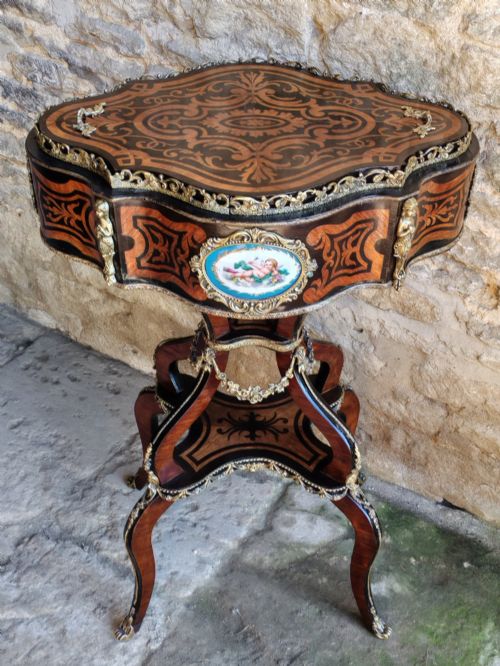
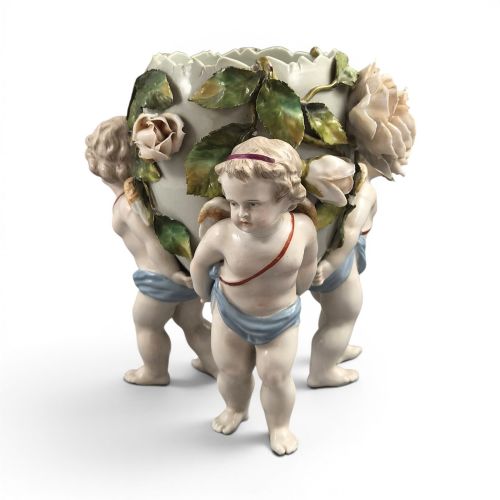


Victorian Porcelain Planter
A victorian porcelain planter brings ornamental planting indoors through sculpted ceramic vessels mounted in ormolu or hand-painted with delicate botanical scenes.
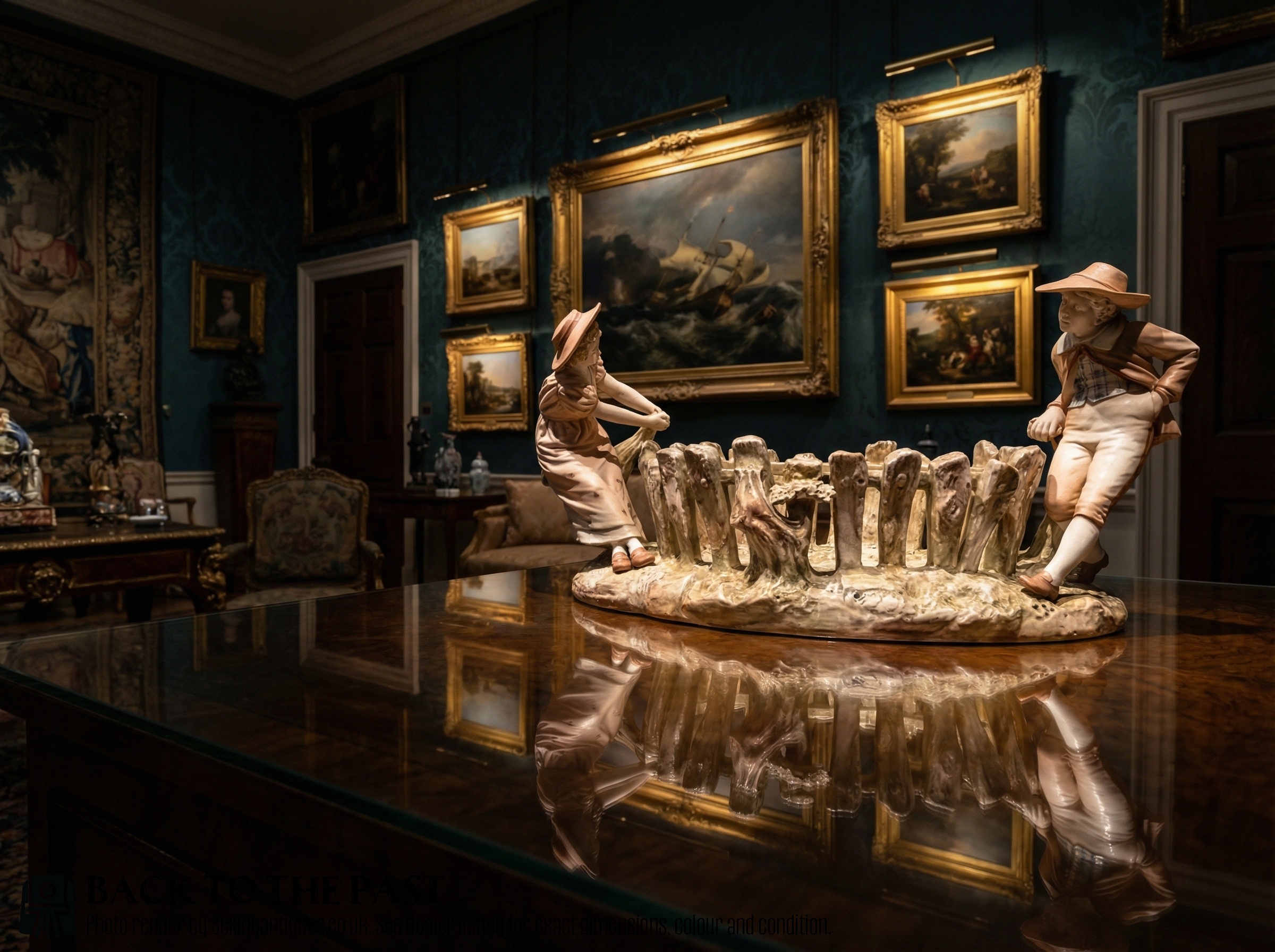
Victorian Porcelain Planter
A victorian porcelain planter encompasses substantial jardiniere vessels, footbaths repurposed for floral displays, and figural flower carts designed to hold indoor plants. These pieces emerge primarily from the nineteenth century, including specific production dates across the Victorian and Edwardian eras.
Makers and factories across Britain and continental Europe shaped these forms, incorporating French Louis XV and XVI revival styles alongside British aesthetic movements. Buyers encounter both pedestal stands with porcelain plaques and table centrepiece vases intended for floral arrangements.
What varies in quality
The sophistication of the hand-painted decoration separates standard production pieces from masterworks, particularly in the rendering of facial expressions on figural mounts and the subtlety of blush ivory shading. Hand-painted details executed by known ceramic artists carry distinct artistic value.
The integration of metalwork dictates structural merit, where finely chased ormolu mounts fit the ceramic contours precisely rather than relying on heavy adhesive fills. The weight and stability of the porcelain body itself reflect the kiln temperature and clay refinement.
Listings feature nineteenth-century porcelain alongside ceramics enhanced with gold leaf, enamel, and ormolu mounts.
Royal Worcester·Royal Doulton·Sitzendorf·Krister KPM Waldenburg·Coalport·Vion and Baury
The Victorian Porcelain Planter Glossary
- Jardiniere
- An ornamental pot or stand designed to hold plants or flowers indoors. These vessels often feature decorative handles or matching ceramic bases.
- Ormolu
- Gilded bronze mounts applied to furniture and porcelain objects. This technique adds structural framing and decorative contrast to ceramic bodies.
- Blush Ivory
- A specialised porcelain finish developed by Royal Worcester featuring soft cream tones tinted with delicate pastel hues. Gold accents frequently complement this subtle background.
- Posy Holder
- A small ceramic vessel intended for short-stemmed floral posies. These items often take figural forms such as carts or figures holding baskets.
- Kingwood
- A dense exotic timber prized for fine cabinetwork. It appears in stands and bases supporting porcelain planters.
Victorian Porcelain Planter: Frequently Asked Questions
How were nineteenth-century planters used indoors?
Victorians placed these ceramic vessels on tables, pedestals, and windowsills to house potted ferns and flowering plants. They protected fine furniture surfaces from moisture while bringing living greenery into parlours.
Larger footbaths and jardinieres accommodated substantial root systems, sometimes standing directly on the floor as central room ornaments.
Can these antique planters hold live plants today?
Most ceramic and porcelain planters can accommodate potted plants if gardeners use a protective inner liner to prevent water contact with the antique glaze. Direct planting risks mineral damage to unglazed interior earthenware.
Inspecting the interior for hairline cracks ensures the vessel remains structurally sound for holding damp soil or water.
How do I distinguish English and continental pieces?
English manufacturers like Royal Worcester often utilised soft blush ivory grounds and distinct factory stamps beneath the glaze. Continental makers from Germany and France frequently employed elaborate figural supports and heavy ormolu mounts.
Stylistic cues such as French Rococo revival curves point toward continental origins, whereas British works often favour restrained floral transfer printing or hand-painted naturalism.
What defines the Victorian aesthetic in ceramics?
Victorian ceramic design combines historical revival styles with botanical naturalism, drawing inspiration from French Louis periods and classical antiquity. Artisans layered gold leaf, enamel painting, and sculptural figures onto functional vessel forms.
This decorative approach prioritized ornate surface texture and visual richness over minimalist lines.